Parse.ly is a content optimization platform for online publishers. It provides in-depth analytics and helps maximize the performance of the digital content. It features a dashboard geared for editorial and business staff and an API that can be used by a product team to create personalized or contextual experiences on a website.
N/A
Piwik PRO
Score 8.6 out of 10
N/A
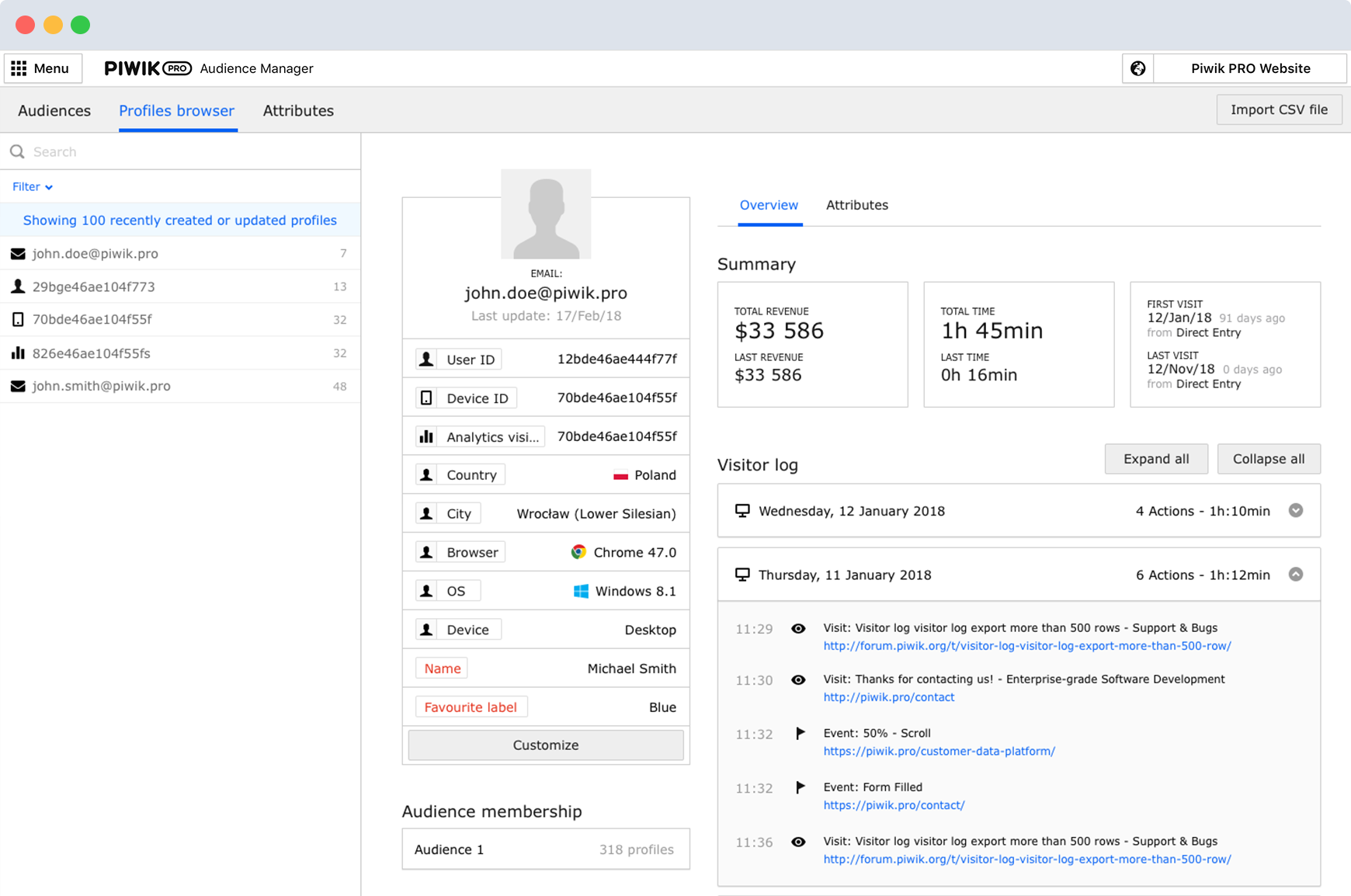
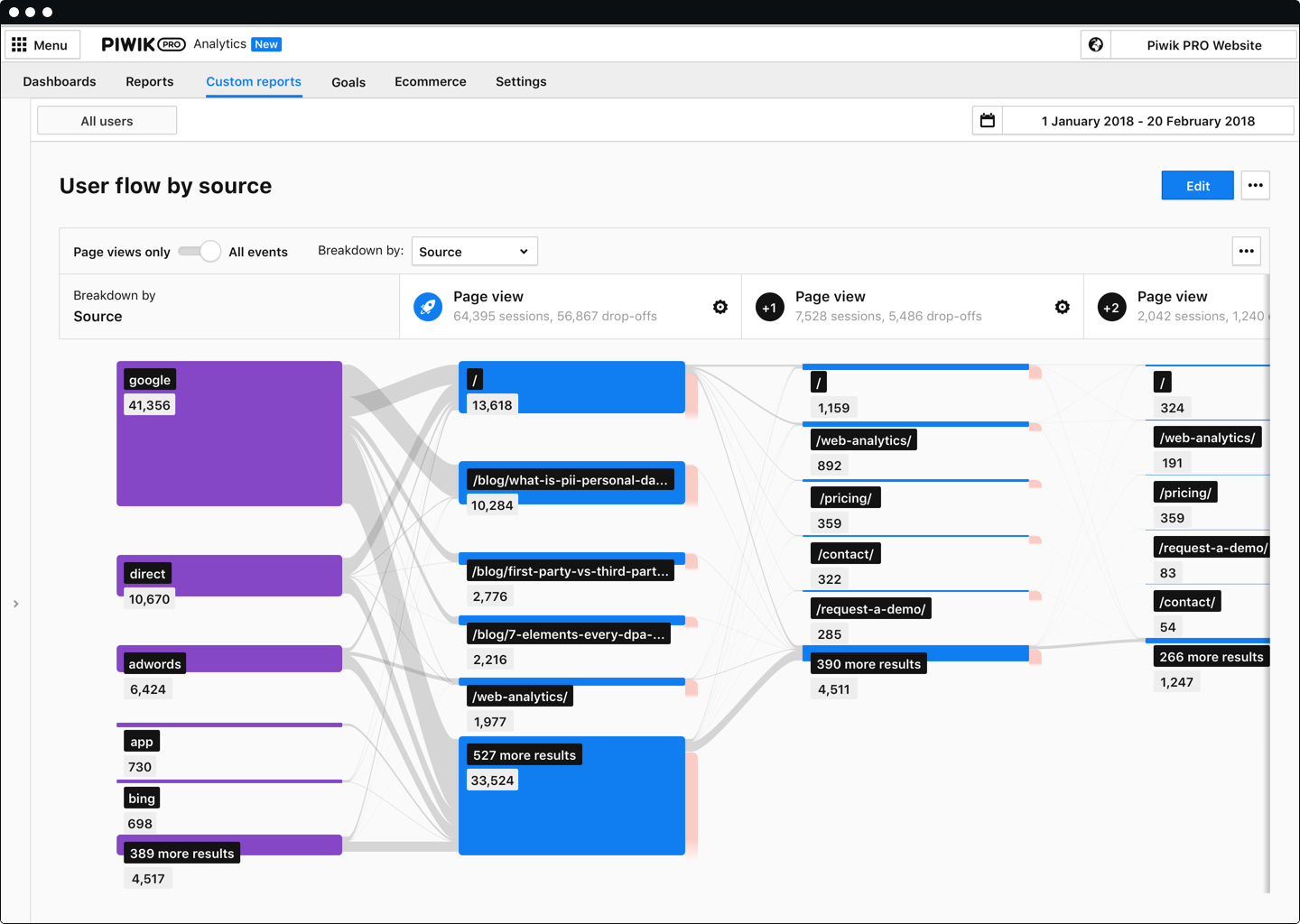
Piwik PRO Analytics Suite is an advanced platform providing a suite of modules centered around analytics that connects with other parts of the client’s tech stack. Piwik PRO Analytics Suite unifies marketing insights, provides a comprehensive view of performance, and facilitates data-driven actions to achieve better results. It offers multiple flexible hosting options and ensures compliance with strict data protection laws, including the GDPR, CCPA, PIPEDA, and…
N/A
Pricing
Parse.ly
Piwik PRO
Editions & Modules
No answers on this topic
No answers on this topic
Offerings
Pricing Offerings
Parse.ly
Piwik PRO
Free Trial
Yes
Yes
Free/Freemium Version
No
No
Premium Consulting/Integration Services
No
No
Entry-level Setup Fee
Required
Optional
Additional Details
—
—
More Pricing Information
Community Pulse
Parse.ly
Piwik PRO
Features
Parse.ly
Piwik PRO
Web Analytics
Comparison of Web Analytics features of Product A and Product B
For people working in online media, or digital content creators, the platform could help them understand their audience and allow them to interact with them in a user-friendly way. Since the digital media industry is booming, Parse.ly can allow the user and the content creators to meet each other's demands and reduce redundancies and bombard the users with unnecessary content.
Actually, it is a platform that I would recommend to analyze all the data and information. It allows us to optimize the entire journey of our clients. It is a flexible tool and has excellent data security, through Piwik we can keep track of all our commercial objectives, create reports and analyze all campaigns.
Real-time metrics are great and help us decide what content to follow up on.
Audience segmenting is key, helps us determine where we're strong and where we're not.
Historical metrics are also helpful in helping us see what readers come back to overtime, which drives decisions about what content to devote more resources to producing.
Cost is always a factor when considering any renewal, so we will always see how that compares to other offerings, but we have been pleased with the functionality from Parse.ly. Importantly, it has engaged news teams, and writers can easily assess their own performance--it is not just a management tool. This wider take-up makes it more likely that we would renew.
The Parse.ly platform is very user-friendly and easy to use. User management is simple, and reporting setup only takes a few minutes. They provide very helpful documentation for implementing the scripts on your site and have great customer support to help with custom development such as implementing their content recommendation engine.
Seems to be more bugs than I encounter in Google Analytics, but Parse.ly is always very quick to answer my questions or fix something. It seems like most of my issues are due to communications around my requests being outside of the package we pay for with this tool (i.e., only two years of data).
We had to contact the support several times in the beginning and they really took their time to explain the different functions in detail. So in terms of support I can definitely recommend Piwik PRO.
Parse.ly excels in providing detailed insights into how users are interacting with specific pieces of content, allowing us to make data-driven decisions about content strategy and optimization. Its real-time reporting also provides us with immediate feedback on the effectiveness of content changes, which is particularly important for content-heavy sites that need to iterate quickly.
I can sum it up quite easy: - GA isn't that privacy friendly, something we do require on our jobboard. - Matomo is a great program with some unique features compared to Piwik, but the lay-out is - in my eyes - more cluttered. Also the different type of database makes it a bit slower Besides these two I've also checked Plausible Analytics, which is a nice package but a bit to much bare bone for us right now. Especially on the part of custom dimensions
Sometimes in meetings our editorial director will point out stories that didn't perform well. To us, that means readers don't really care about the topic, so we'll pivot away from writing about that in the future. That might not be "business objectives" though.