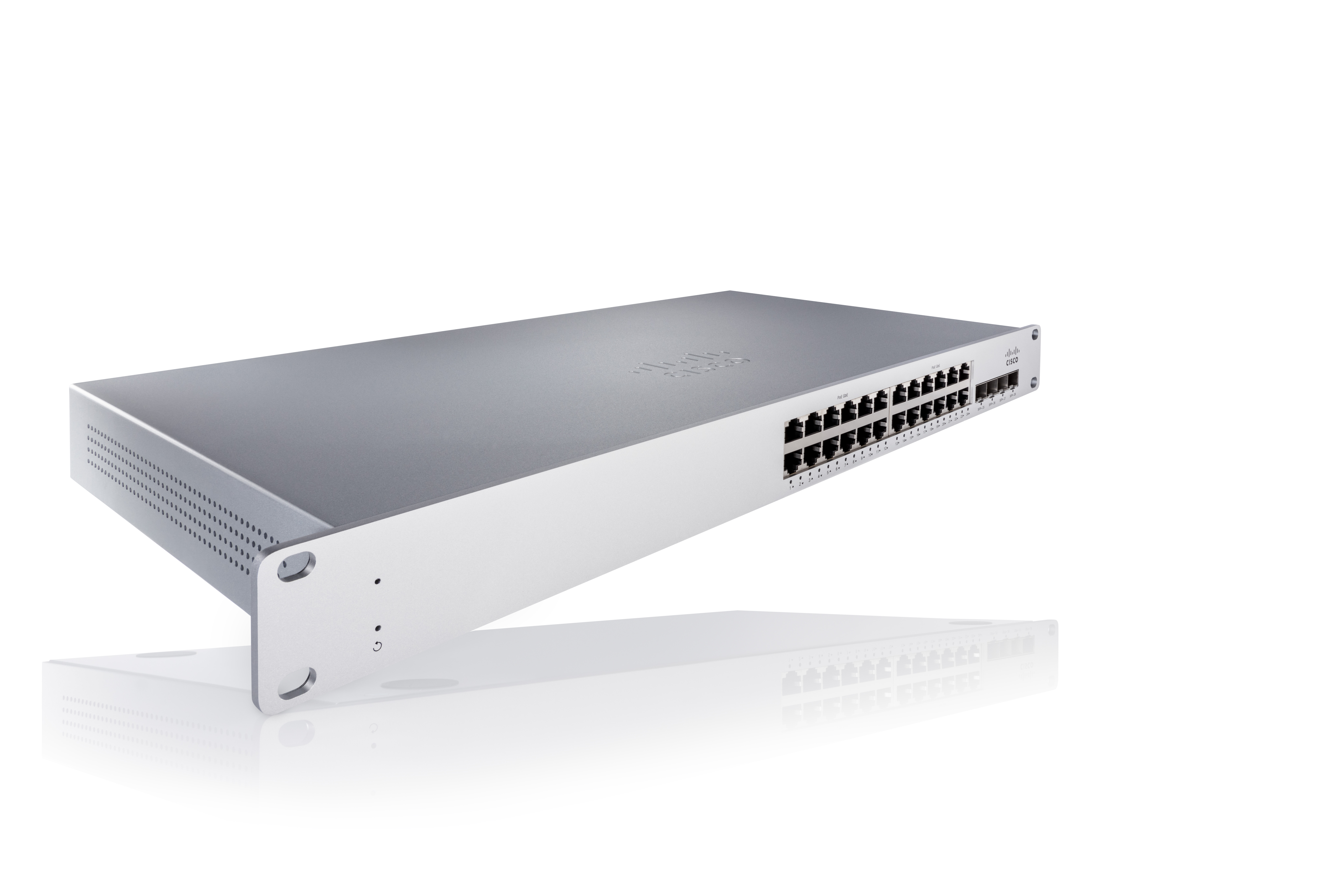
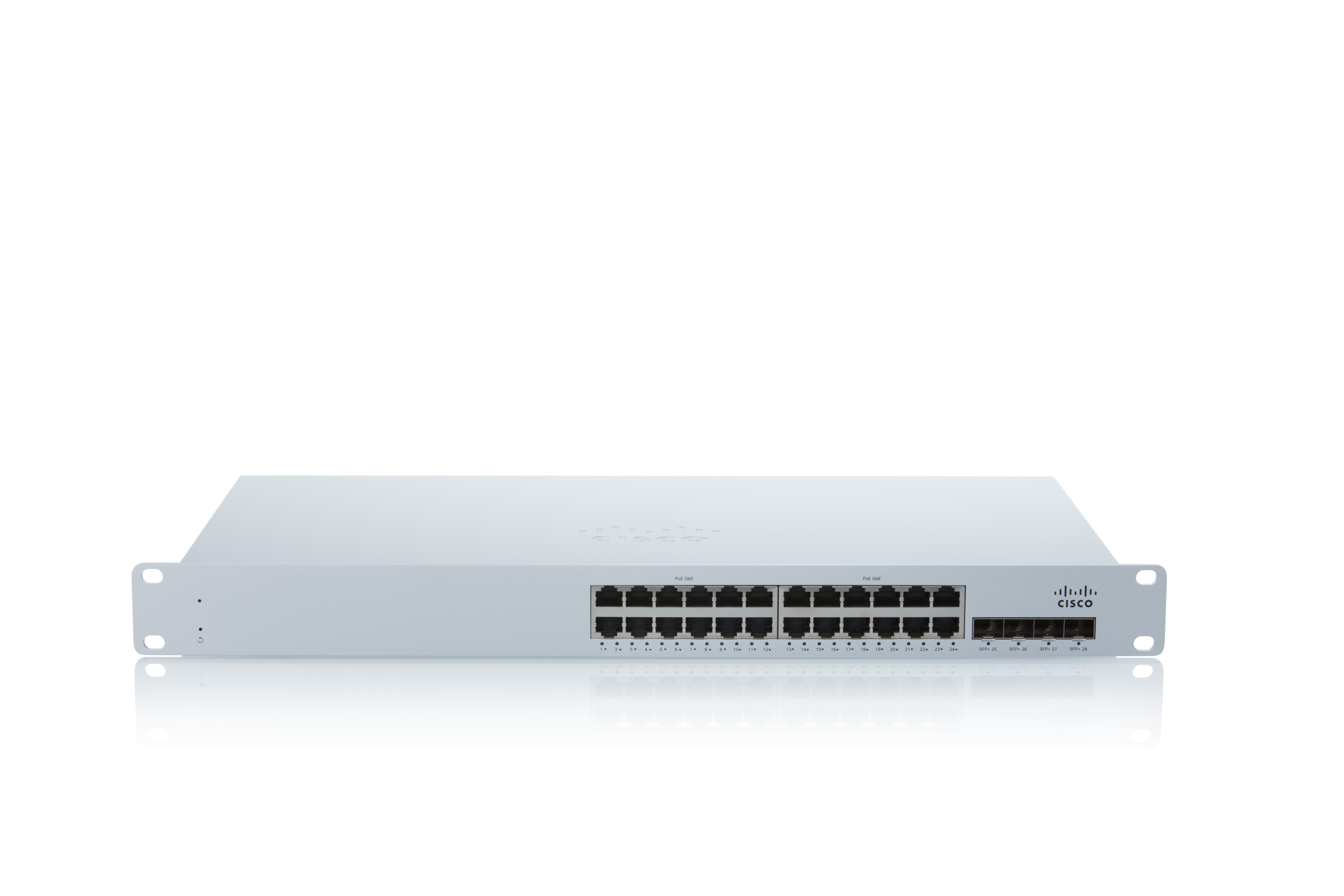
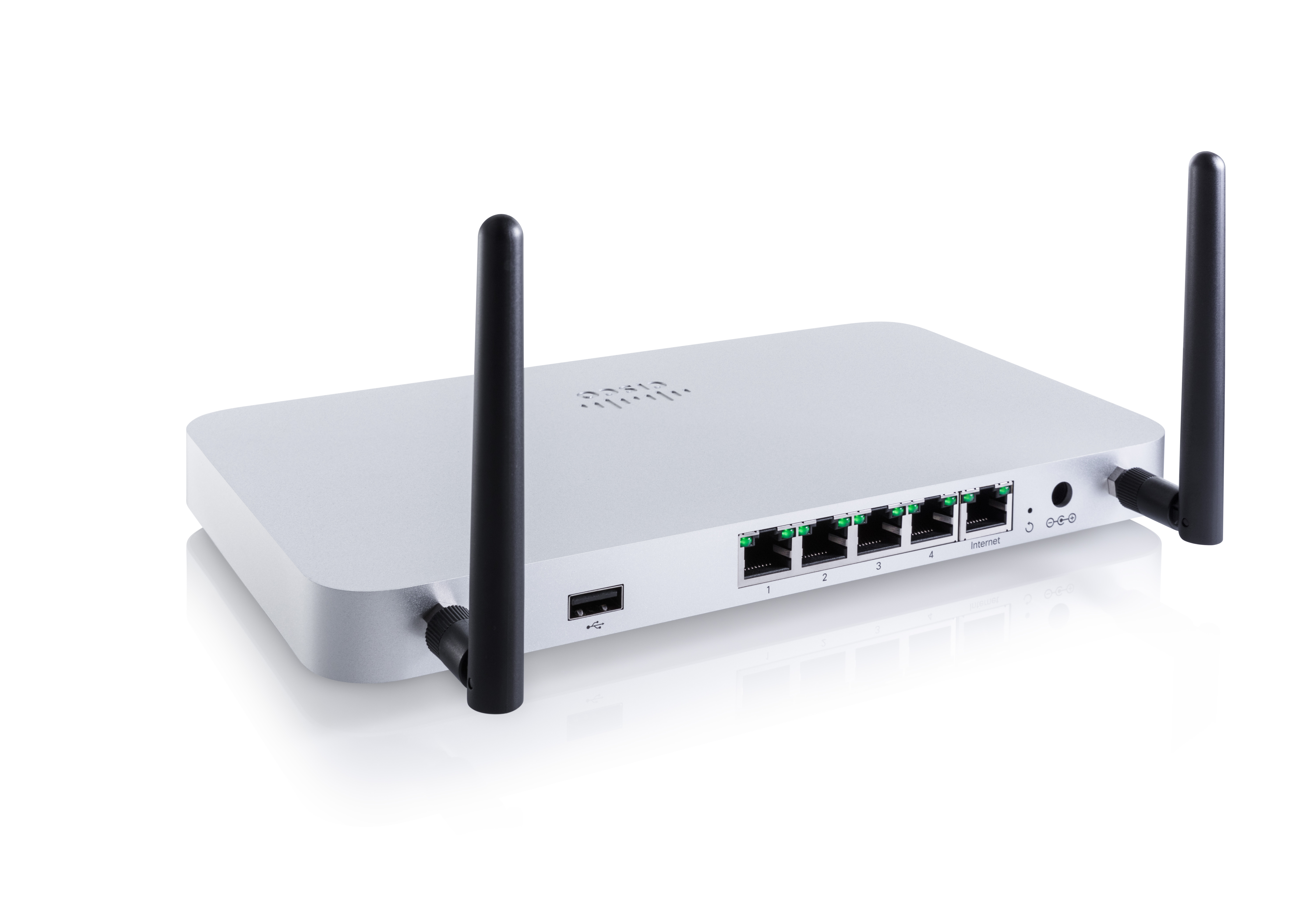
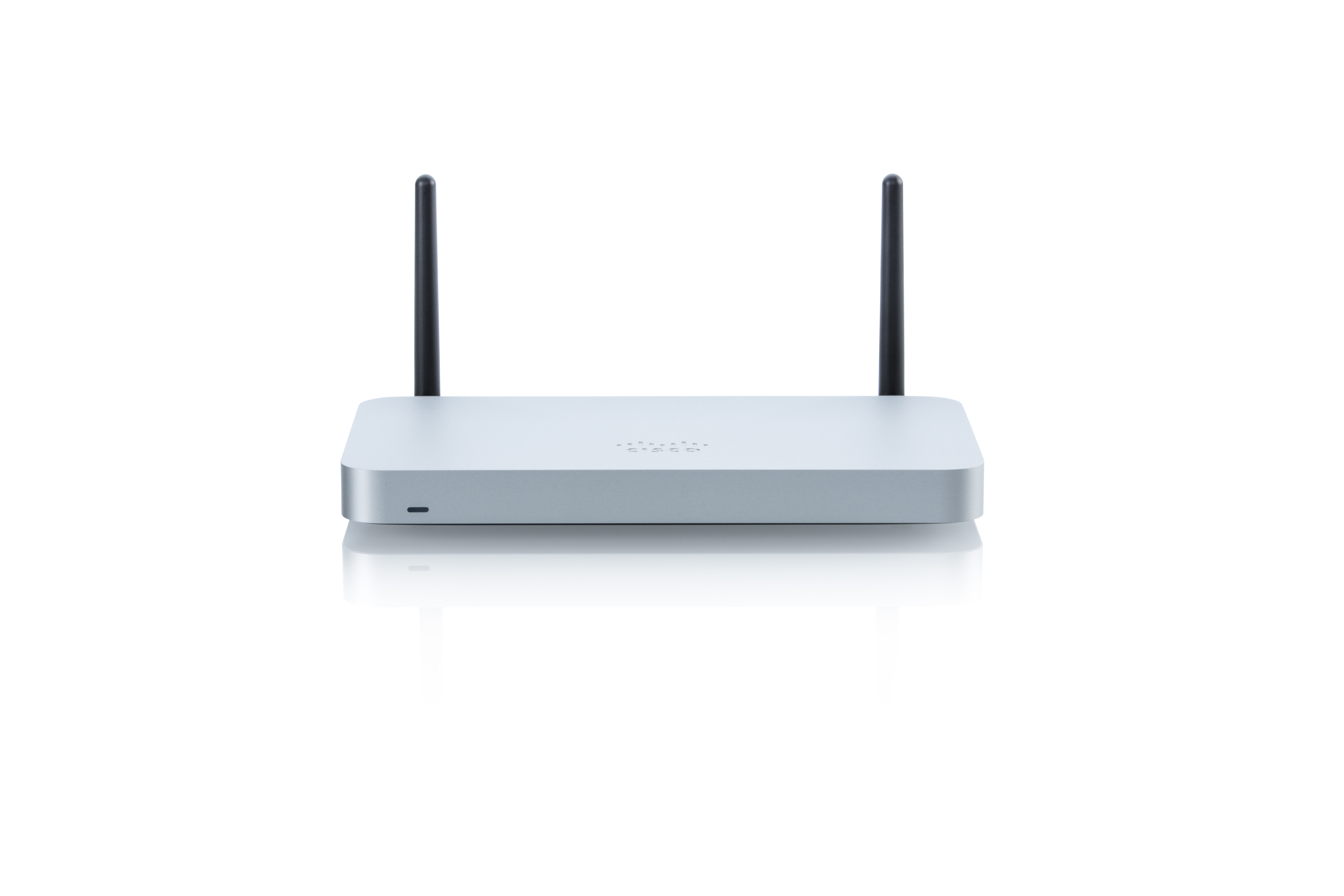
As a cloud-managed network management solution, the Cisco Meraki Dashboard enables users to provision, configure, and troubleshoot global networking and IoT deployments.
N/A
N-able N-sight RMM
Score 8.6 out of 10
N/A
SolarWinds Remote Monitoring & Management (RMM) is a cloud-based system monitoring offering for Managed Service Providers. It provides a full monitoring and management suite, including automation and threat detection capabilities, and can integrate with other SolarWinds products.
N/A
Pricing
Cisco Meraki Dashboard
N-able N-sight RMM
Editions & Modules
No answers on this topic
No answers on this topic
Offerings
Pricing Offerings
Cisco Meraki Dashboard
N-able N-sight RMM
Free Trial
Yes
Yes
Free/Freemium Version
No
No
Premium Consulting/Integration Services
No
No
Entry-level Setup Fee
No setup fee
No setup fee
Additional Details
—
—
More Pricing Information
Community Pulse
Cisco Meraki Dashboard
N-able N-sight RMM
Features
Cisco Meraki Dashboard
N-able N-sight RMM
Monitoring Tasks
Comparison of Monitoring Tasks features of Product A and Product B
Cisco Meraki Dashboard
-
Ratings
N-able N-sight RMM
10.0
Ratings
30% above category average
Remote monitoring
00 Ratings
10.00 Ratings
Network device monitoring
00 Ratings
10.00 Ratings
Management Tasks
Comparison of Management Tasks features of Product A and Product B
Cisco Meraki Dashboard is great for NOC teams with little network experience at helping give them all the tools they need to do the job and become more efficient with networks. From easy RMA processes to metric gathering the Cisco Meraki Dashboard does it all very well. The licenses are a problem for a lot of companies since there are no guarantees the product stays online and certain integrations like ThousandEyes are overlooked due to the additional cost despite it being a great product.
SolarWinds patch management has had issues over the years. Sometimes requiring manual intervention to get resolved. The UI [with N-able RMM (formerly Solarwinds RMM)] makes it easy to see status of systems and identify any alerts easily. Remotely monitoring the status of servers/computers. Managing the systems, patching, systems maintenance and remote support.
Thanks to RMM I never feel like I'm unaware as to what's going on in my network. I can be in the office or half a country away and feel completely aware of what's going on.
We've had numerous situations over the years where a part of our network is having issues (latency or errors) that the RMM alerts have saved us from a major outage. You can't ask for better proactive alerting.
The advanced alerting allows us to stay ahead of issues instead of reacting to them. This gives us confidence in our network and our end users better support.
More granular controls over devices. It definitely feels like, especially when you come from a CLI environment and you're working in a command line interface and then going into the dashboard, you can feel restricted sometimes because if they don't have the button you can't press it. So more buttons.
At the time of writing this, it appears that Cisco Meraki Dashboard has finally integrated a Cisco IOS XE output window into the dashboard. This is a massive step in the right direction and something that it was dearly missing. At the moment, we do not have this integration and so a lot of the times, we have to navigate via several tools menus to get the info we need instead of being able to run a quick command.
The interface is easy to navigate. Setting up policies is straight forward. The antivirus and web filter are simple and exceptions are easy to make. Upgrading the agent is made simple and creating scripts is made fool proof. (Well, almost)
The ease of use, full functionality, reliability and excellent support.[N-able RMM (formerly Solarwinds RMM)] gives users a full suite of tools with a single installable file. Unlike standard tools, you don't have to install several different executables to be able to have fully protected end points.
A number of networks we've taken over were using Ubiquiti Unifi, which is an okay solution, but a lot more cumbersome to manage. We've found the Cisco Meraki Dashboard system much more intuitive and way less time-intensive. Simple things like setting up dedicated DHCP entries or poking holes in VLAN firewalls are way easier in Cisco Meraki Dashboard.
We only tested an older version of LabTech. By comparison, the newer version of LabTech is much more competitive to Solarwinds RMM than it used to be. ConnectWise Automate has far better integration options for our PSA than Solarwinds RMM, down to very granular changes for automated ticket templates.
When there's an issue with communication to the cloud. EX: unable to fetch configs. This due to like new device being installed or if you have to factory reset the device. This has been a negative impact.
Incorrect status. Sometimes the status of the device or network is not reflected as it should be. This has had a negative impact in the past. However, for the most part, the Status is fairly accurate.
Incident response has been very good. Anytime an issue has been reported to Cisco regarding Cisco Meraki Dashboard, the issue is quickly investigated and doesn't take long to resolve.
Customer support and Cisco's technical team has been very helpful and responsive.
The SolarWinds name carries a good bit of clout in the industry. This has definitely helped secure a few deals.
The addition of Cloud Backups had a positive impact because we were able to easily add it as a bolt-on for existing clients. We have now added this offering to almost 20% of our managed servers.
We are in the process of moving into a "co-managed" business plan. SolarWinds RMM has facilitated this by allowing us to help in-house IT teams with offloading server management and maintenance while they are able to focus on big-picture objectives.