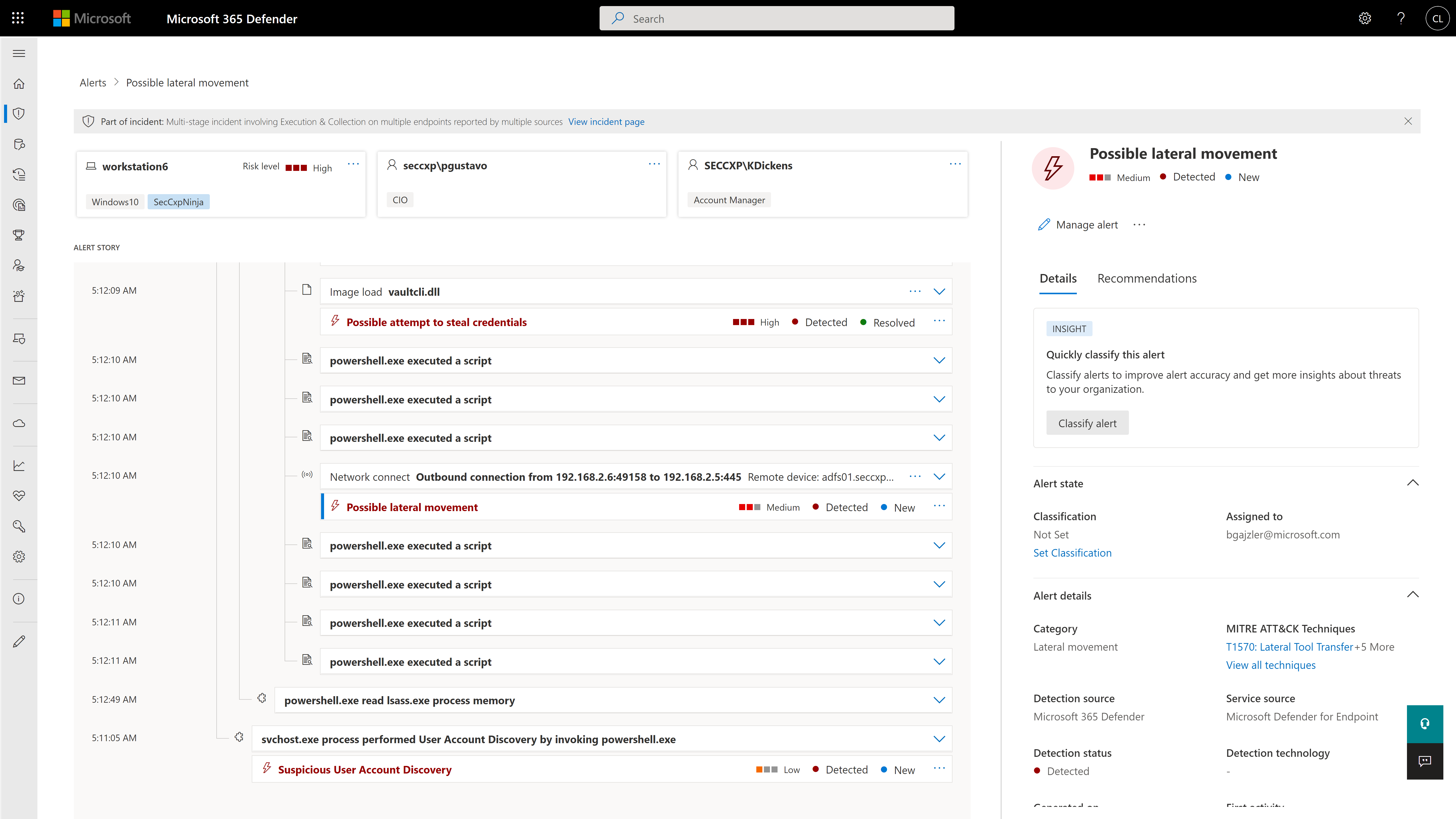
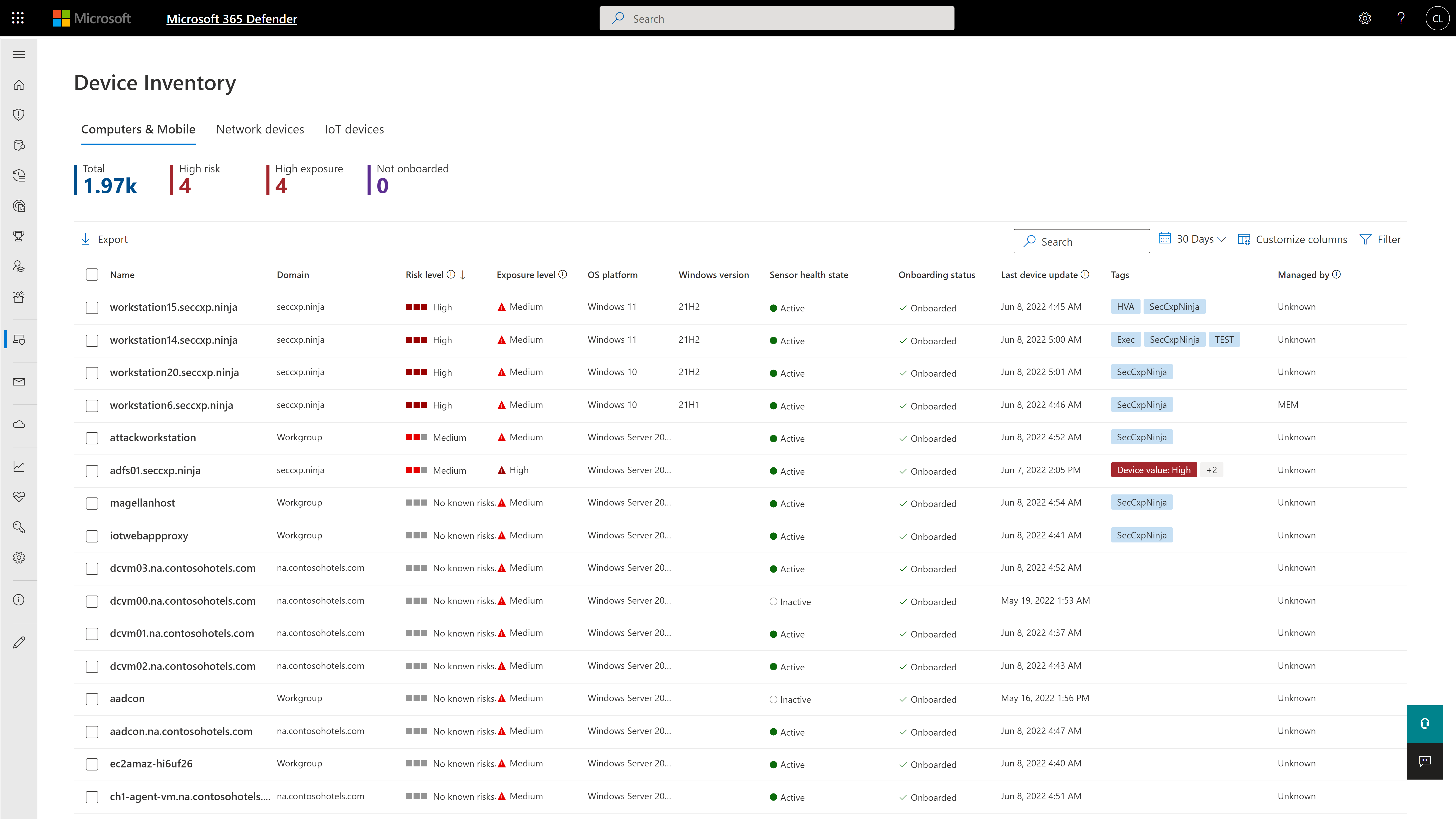
Microsoft Defender for Endpoint (formerly Microsoft Defender ATP) is a holistic, cloud delivered endpoint security solution that includes risk-based vulnerability management and assessment, attack surface reduction, behavioral based and cloud-powered next generation protection, endpoint detection and response (EDR), automatic investigation and remediation, managed hunting services, rich APIs, and unified security management.
$2.50
per user/per month
Trend Vision One Email and Collaboration Security
Score 8.9 out of 10
N/A
The Trend Vision One Email and Collaboration Security application secures Microsoft Office 365 and other cloud storage applications.
Because of its integration with Windows, it is very easy to deploy and manage. Any IT department should be able to leverage the software and interface. The admin portal provides weighted recommendations that comprise the Secure Store, offering admins, security teams, and business owners valuable insights into their security footprint without requiring a strong security background. The software would be ideal for small and mid-sized businesses that cannot dedicate resources to security. Larger enterprises would also benefit, but may require the enhanced license.
Cloud App Security blocks all incoming bad emails and drive files without interacting with the portal or having to worry about anything coming through. It demonstrates its ability to work in scenarios where overhead is limited. It could have some improvements in the way where more options are given in the config to make bypass rules or exclusions.
One, it's crazy lightweight, so compared to some of the competitors that we also have used with our security services, it's really lightweight and so I don't have a lot of overhead on the system that it's running on.
So the fact that Defender for Endpoint still works with signatures is actually, I don't know, a little difficult for us because, I mean, since Microsoft trusts those signatures, you can easily inject code. And we've done it many times. To show that you can inject code through vulnerabilities like CV 2013, 99, and 33 but still keep the signature. So because of the trust of those signatures, the malware just kind of slides into the environment without Defender knowing. That's the first part. The second part is that the behavioral analysis is not precisely its Prime. It's not Defender's best capability for endpoints. So, Defender does not identify all behaviors considered by other EDRs in the market.
Microsoft Defender is closely catching -up in market with existing competitors they have added DLP endpoint & DLP Network and Cloud DLP solution last year with OCR capabilities. I would say Microsoft Defender is not legacy Vendor in end point security, the need to learn from other vendors in market and focus on new XDR technologies, which is going to be new battle for all vendors
Only a 9 if the product become completely unaffordable. Covid-19 has adversely affected Higher Ed budgets, if that should happen I would lobby hard to find cuts elsewhere...TrendMicro CAS is a necessary tool for any business to have!
Because in terms of the usability is easy to understand, it's easy to manage, obviously you need to have specific skills to do that, but I would say that even the console and the product is walking through the flow that you are looking for on this console.
It is very easy to implement the policies and get around in the platform. It is easy to release from system quarantine if something inadvertently gets added. The Dashboard has a lot of really good info around the types of detections over last 24 hrs, 7 Days, or 30 Days. It would be nice if when doing log searches, one could search all of the "types" at one time. Types include things like Quarantine, Ransomware, Virtual Analyzer, etc.
Microsoft Defender for Endpoint chugs along just fine no matter what we throw at it and what systems it's running on. It doesn't take up a lot of resources either, so that's welcomed.
Overall support is really good for this product. Since it's a Microsoft product, you will get good support from a number of different resources, including knowledgebase articles on the web, support from Microsoft technicians, and documentation (which tends to very thorough). Also, there is a vast user support community for this product, so user support forums would also be another valuable channel to get help if needed. I don't envision too many people will have issues/problems with the product, as it tends to run good overall.
Trend Micro Cloud App Security’s support has been highly competent and thorough when we have needed their assistance. Their support has been quickly dispatched, both through telephone and Email, while answer our questions and providing the “inside baseball” answers we have wanted when discussing the why and how of certain issues. When it came to implementation, their support sat through us as we deployed agents and took us on an adventure few implementations have.
Deployment was handled by our team here and everything went pretty smoothly. We did have a few hiccups in our test group, but that only took a bit to get ironed out.
Microsoft Defender for Endpoint offers strong integration with Microsoft 365 and Azure services, which provide a unified security experience. While McAfee Trellix is known for solid antivirus, Microsoft Defender excels in integration in the ecosystem.
It is cheaper than most other business antivirus/malware that I have used before, and has a smaller footprint on endpoints. It also seems to have fewer false positives. It is very easy to install compared to others, and has a solid web-based control panel for administering users accounts. It is very easy to monitor our remote users and apply policies or scans even when they are off-line.
CAS gives us peace of mind knowing the file systems we rely on in the cloud are protected the same way they would be if they were sitting in our office. This leads to a reduced risk of downtime that could otherwise limit us from being able to properly support our customers.