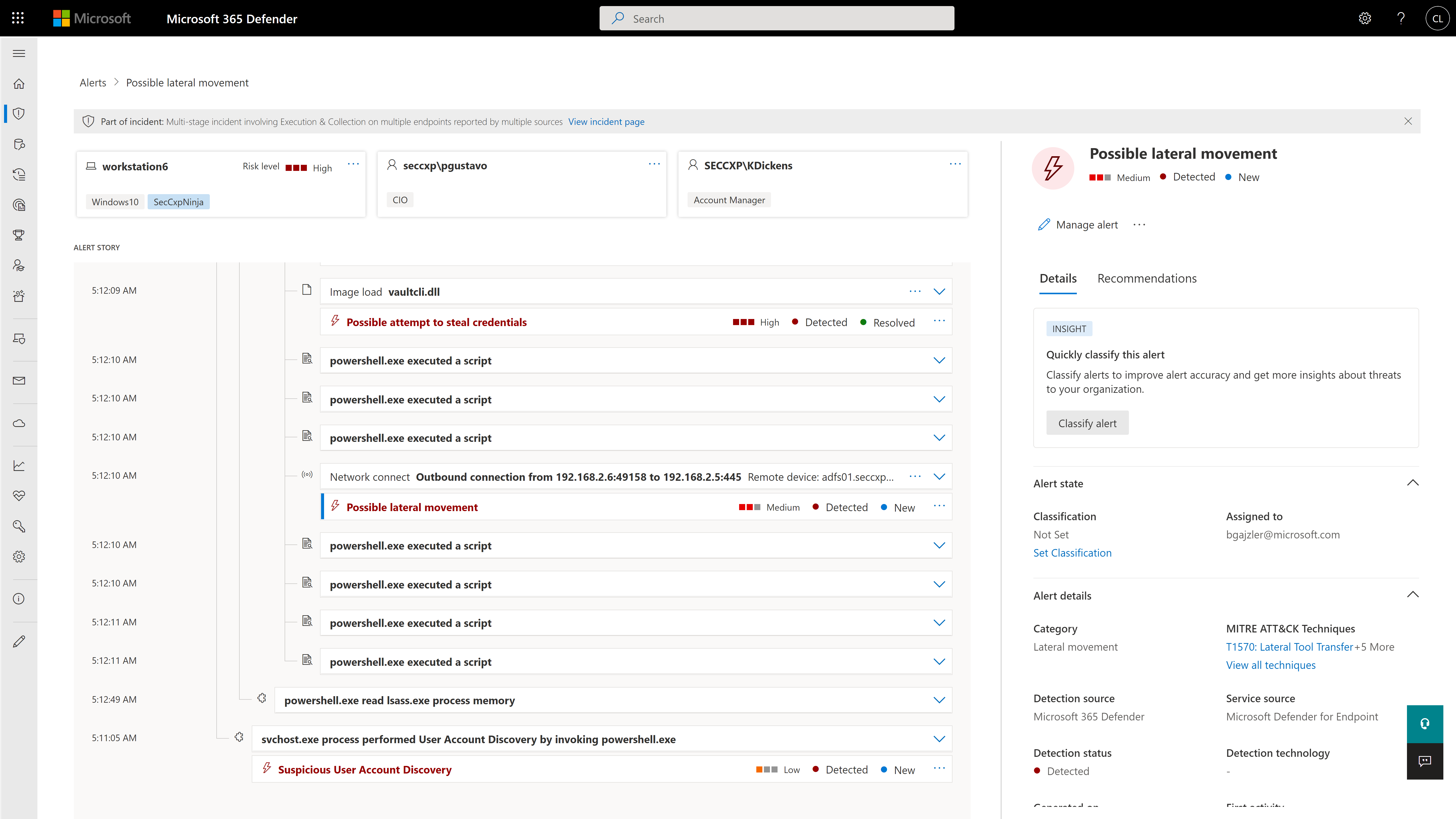
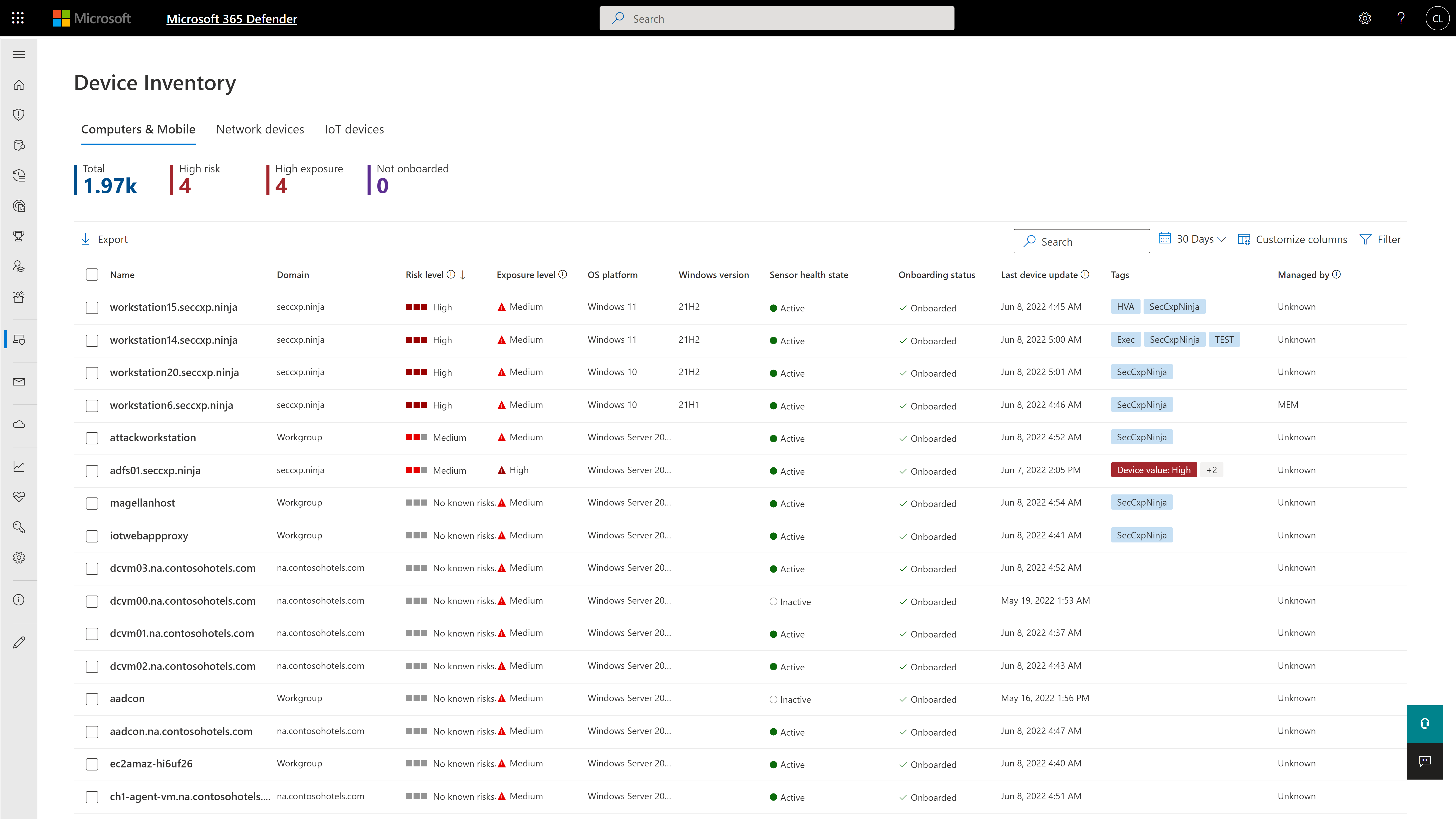
Microsoft Defender for Endpoint (formerly Microsoft Defender ATP) is a holistic, cloud delivered endpoint security solution that includes risk-based vulnerability management and assessment, attack surface reduction, behavioral based and cloud-powered next generation protection, endpoint detection and response (EDR), automatic investigation and remediation, managed hunting services, rich APIs, and unified security management.
$2.50
per user/per month
Trend Micro Cloud One - Application Security
Score 8.8 out of 10
N/A
Trend Micro Cloud One – Application Security delivers an embedded security framework for web applications and containerized web apps, including Kubernetes and serverless functions to protect their microservices applications in traditional, cloud, or Kubernetes environments. The vendor states their Application Security is the only fully automated, cloud runtime protection solution for Ruby and Python that does not require any changes to the web application code.
CrowdStrike Falcon is also a good solution for endpoint protection which offer EDR Soultion, threat hunting and AI driven threat protection. Sophos Intercept X combines next-gen antivirus with advanced EDR capabilities with its deep learning technology, exploit prevention, and …
Because of its integration with Windows, it is very easy to deploy and manage. Any IT department should be able to leverage the software and interface. The admin portal provides weighted recommendations that comprise the Secure Store, offering admins, security teams, and business owners valuable insights into their security footprint without requiring a strong security background. The software would be ideal for small and mid-sized businesses that cannot dedicate resources to security. Larger enterprises would also benefit, but may require the enhanced license.
Scenarios where it's well suited - 1) AWS cloud environments where application security and ZTN is a must. 2) One-stop-shop for centralized discovery of apps/workloads. 3) Custom reporting client needs. 4) CI/CD pipeline - easy to design DevOps cycles.
One, it's crazy lightweight, so compared to some of the competitors that we also have used with our security services, it's really lightweight and so I don't have a lot of overhead on the system that it's running on.
So the fact that Defender for Endpoint still works with signatures is actually, I don't know, a little difficult for us because, I mean, since Microsoft trusts those signatures, you can easily inject code. And we've done it many times. To show that you can inject code through vulnerabilities like CV 2013, 99, and 33 but still keep the signature. So because of the trust of those signatures, the malware just kind of slides into the environment without Defender knowing. That's the first part. The second part is that the behavioral analysis is not precisely its Prime. It's not Defender's best capability for endpoints. So, Defender does not identify all behaviors considered by other EDRs in the market.
Cost add-ons for Security features is nickel and diming the process to keep pace with cybercrime. Limited Education budgets require us to be more pro-active in finding cost-effective measures to protect our devices, staff and students. Defender is a strong, well-featured product that is pricing itself out of the education market
It offers multiple security features and integrates well with Microsoft ecosystems. A workflow for threat detection, investigation, automated remediation, and a centralized dashboard is an added advantage. This application is mainly designed for experienced users; new users may feel challenged.
Microsoft Defender for Endpoint chugs along just fine no matter what we throw at it and what systems it's running on. It doesn't take up a lot of resources either, so that's welcomed.
The first time I tried to onboard my macOS endpoints to MDE I struggled for quite a bit. I had to reach out to Microsoft's MDE support team. The tech was very helpful in walking me through the steps during a screen share session
Deployment was handled by our team here and everything went pretty smoothly. We did have a few hiccups in our test group, but that only took a bit to get ironed out.
Cylance's policy is to block everything and requires an active person to monitor and unblock legitimate processes. As updates and software continue to evolve, it is a full-time job to be a Cylance administrator. Microsoft Defender for Endpoint is a set-and-forget solution that catches threats when they occur and leaves you to focus on your work unimpeded.
1) flexible customer support and PoV assistance as compared to other vendors 2) Quick TAT turnaround, and easy sampling - Automation features are smooth to use and leverage 3) Our client was interested in this solution since they heard it from one of their other partners from USA - So, this solution was already a step ahead, we just had to pick it up and get used to it