
Microsoft Defender for Endpoint vs. OpenText EnCase Endpoint Security
Microsoft Defender for Endpoint vs. OpenText EnCase Endpoint Security
| Product | Rating | Most Used By | Product Summary | Starting Price |
|---|---|---|---|---|
 Microsoft Defender for Endpoint | N/A | Microsoft Defender for Endpoint (formerly Microsoft Defender ATP) is a holistic, cloud delivered endpoint security solution that includes risk-based vulnerability management and assessment, attack surface reduction, behavioral based and cloud-powered next generation protection, endpoint detection and response (EDR), automatic investigation and remediation, managed hunting services, rich APIs, and unified security management. | $2.50 per user/per month | |
 OpenText EnCase Endpoint Security | N/A | OpenText EnCase Endpoint Security, is an endpoint security solution designed to provide 360-degree visibility across laptops, desktops and servers for proactive discovery of sensitive data, identification and remediation of threats and discreet, forensically-sound data collection and investigation. The application was developed and sold by Guardian Software as EnCase Endpoint Security, and is now part of the Security Suite from OpenText, since the acquisition in summer 2017. | N/A |
| Microsoft Defender for Endpoint | OpenText EnCase Endpoint Security | |||||||||||||||
|---|---|---|---|---|---|---|---|---|---|---|---|---|---|---|---|---|
| Editions & Modules |
| No answers on this topic | ||||||||||||||
| Offerings |
| |||||||||||||||
| Entry-level Setup Fee | No setup fee | No setup fee | ||||||||||||||
| Additional Details | — | — | ||||||||||||||
| More Pricing Information | ||||||||||||||||
| Microsoft Defender for Endpoint | OpenText EnCase Endpoint Security |
|---|
| Microsoft Defender for Endpoint | OpenText EnCase Endpoint Security | ||||||||||||||||||||||||
|---|---|---|---|---|---|---|---|---|---|---|---|---|---|---|---|---|---|---|---|---|---|---|---|---|---|
| Endpoint Security |
|
| Microsoft Defender for Endpoint | OpenText EnCase Endpoint Security | |
|---|---|---|
| Small Businesses |  ThreatLocker Score 9.4 out of 10 | ThreatLocker Score 9.4 out of 10 |
| Medium-sized Companies |  BlackBerry Protect (CylancePROTECT) Score 9.1 out of 10 | BlackBerry Protect (CylancePROTECT) Score 9.1 out of 10 |
| Enterprises |  BeyondTrust Endpoint Privilege Management Score 9.8 out of 10 | BeyondTrust Endpoint Privilege Management Score 9.8 out of 10 |
| All Alternatives | View all alternatives | View all alternatives |
| Microsoft Defender for Endpoint | OpenText EnCase Endpoint Security | |
|---|---|---|
| Likelihood to Recommend | 8.5 (99 ratings) | 1.0 (1 ratings) |
| Likelihood to Renew | 8.4 (8 ratings) | - (0 ratings) |
| Support Rating | 9.0 (5 ratings) | 1.0 (1 ratings) |
| Microsoft Defender for Endpoint | OpenText EnCase Endpoint Security | |
|---|---|---|
| Likelihood to Recommend | Microsoft
|  OpenText
 Sergil Cave Cyber Security Engineer |
| Pros | Microsoft
| OpenText
Sergil Cave Cyber Security Engineer |
| Cons | Microsoft
| OpenText
Sergil Cave Cyber Security Engineer |
| Likelihood to Renew | Microsoft
| OpenText No answers on this topic |
| Usability | Microsoft
| OpenText No answers on this topic |
| Reliability and Availability | Microsoft
| OpenText No answers on this topic |
| Performance | Microsoft
| OpenText No answers on this topic |
| Support Rating | Microsoft
 Joe Aldeguer IT Director | OpenText
Sergil Cave Cyber Security Engineer |
| Implementation Rating | Microsoft
| OpenText No answers on this topic |
| Alternatives Considered | Microsoft
| OpenText
Sergil Cave Cyber Security Engineer |
| Scalability | Microsoft
| OpenText No answers on this topic |
| Return on Investment | Microsoft
| OpenText
Sergil Cave Cyber Security Engineer |
| ScreenShots | Microsoft Defender for Endpoint Screenshots 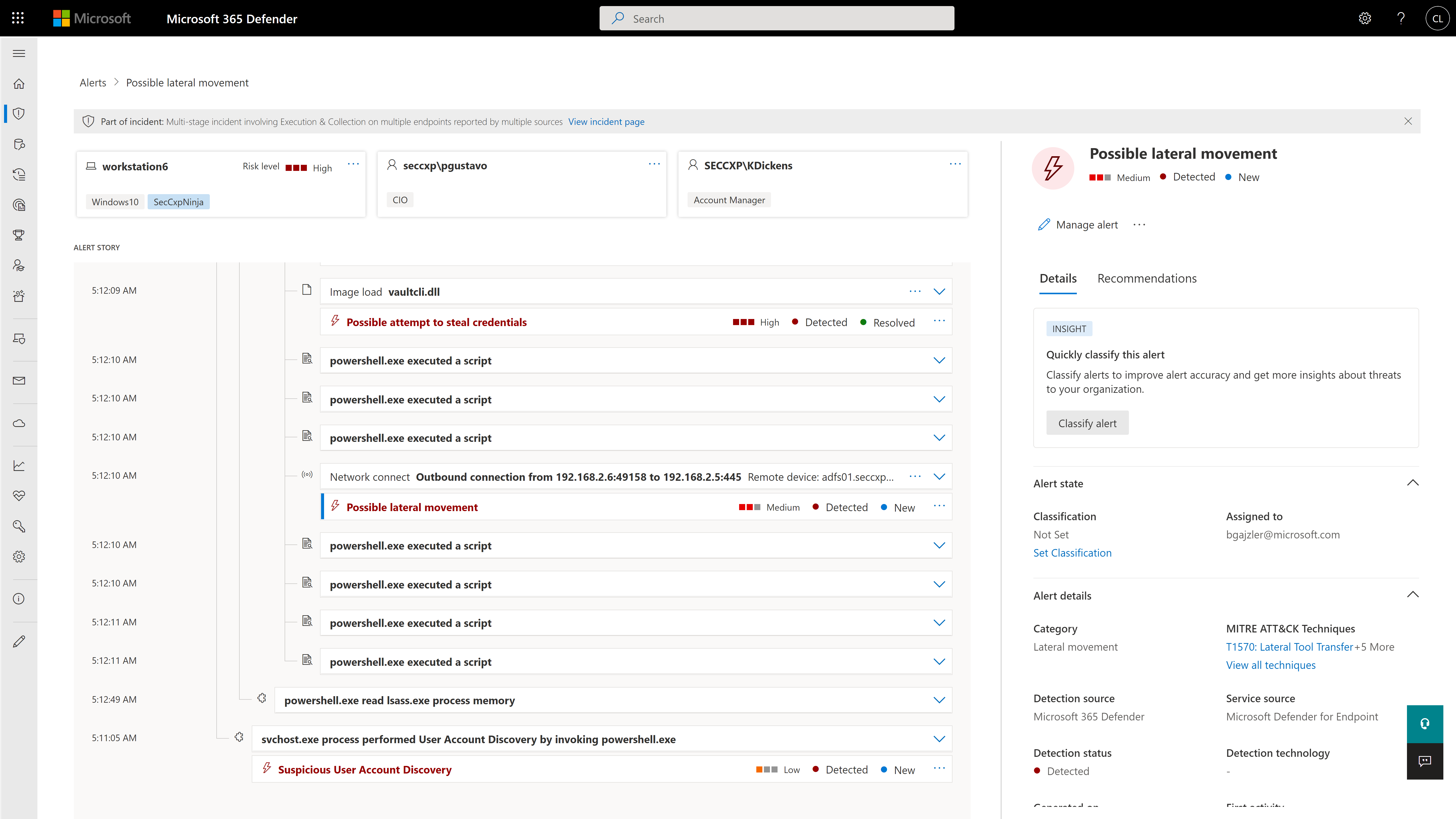  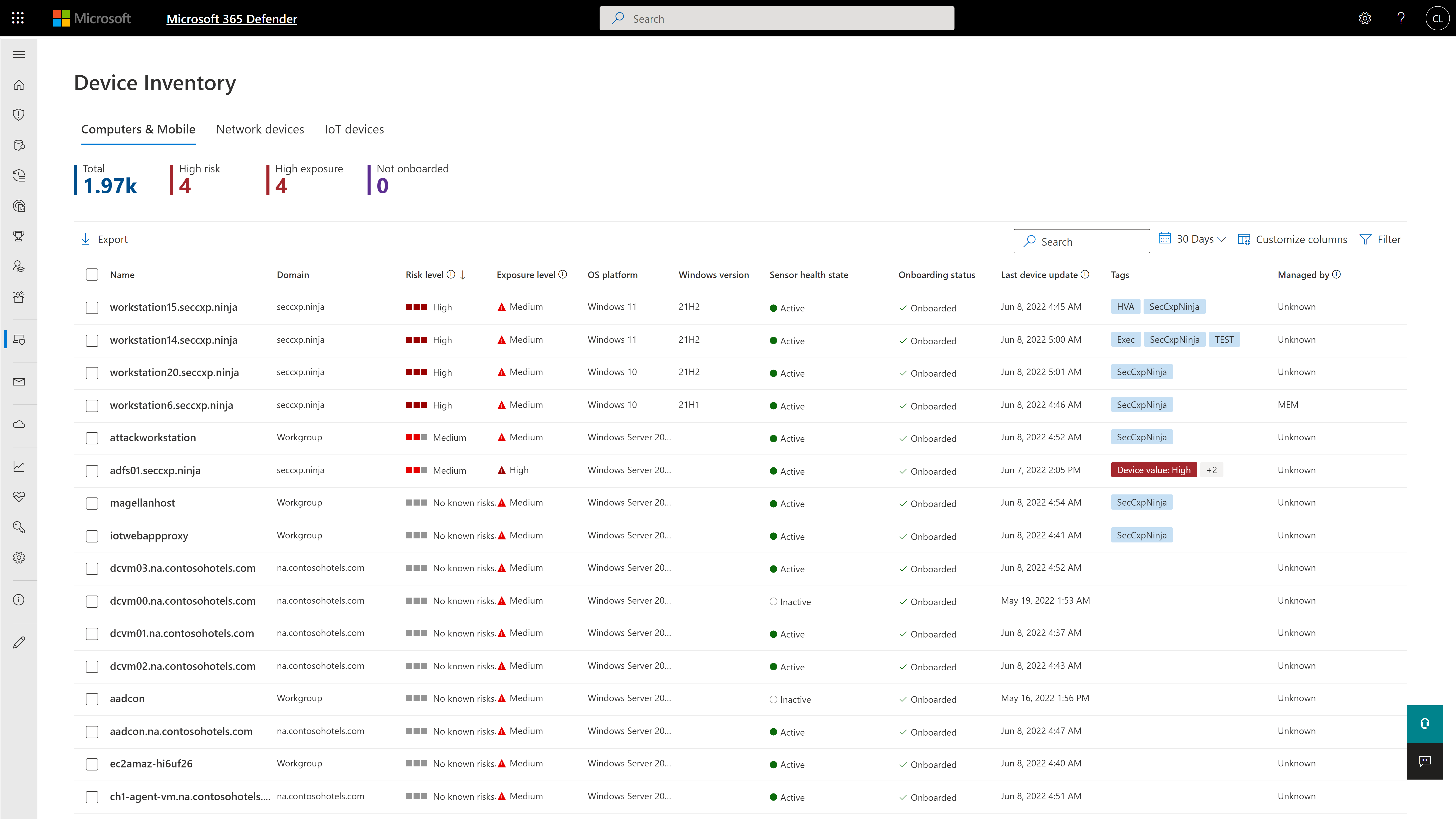  |