

Building a helpdesk chatbot with the Rasa ecosystem

Use Cases and Deployment Scope
Our use case involves an internal IT support helpdesk, which is served by the chatbot. We use Rasa Pro, Rasa SDK (action server) and Rasa Studio products. Our chatbot is supporting users with all hardware, software and access issues at their workplace. The hardware includes e.g. company mobile phones, laptops, printers and accessories. The software includes different applications from the internal software catalogue.
Pros
- Provides transparent interface for dialogue management
- Pipeline-based approach to processing messages allows easy extension and customization of message processing components.
- Seamless integration of Rasa SDK for custom actions provides a powerful interface for integrating the chatbot with other systems for data retrieval and manipulation.
- Rasa CALM does a very good job at restricting LLM hallucination.
Cons
- Rasa CALM flows and Rasa domain could be made fully independent of the Rasa training process and dynamically retrievable from e.g. a graph DB. This would make the chatbot more flexible.
- Prompt templates, or at least paths could be referenced in Rasa config. Different policies in the Rasa config could then be configured without code change to use different prompt templates
- LLM configuration should rather be part of the endpoints, than model configuration.
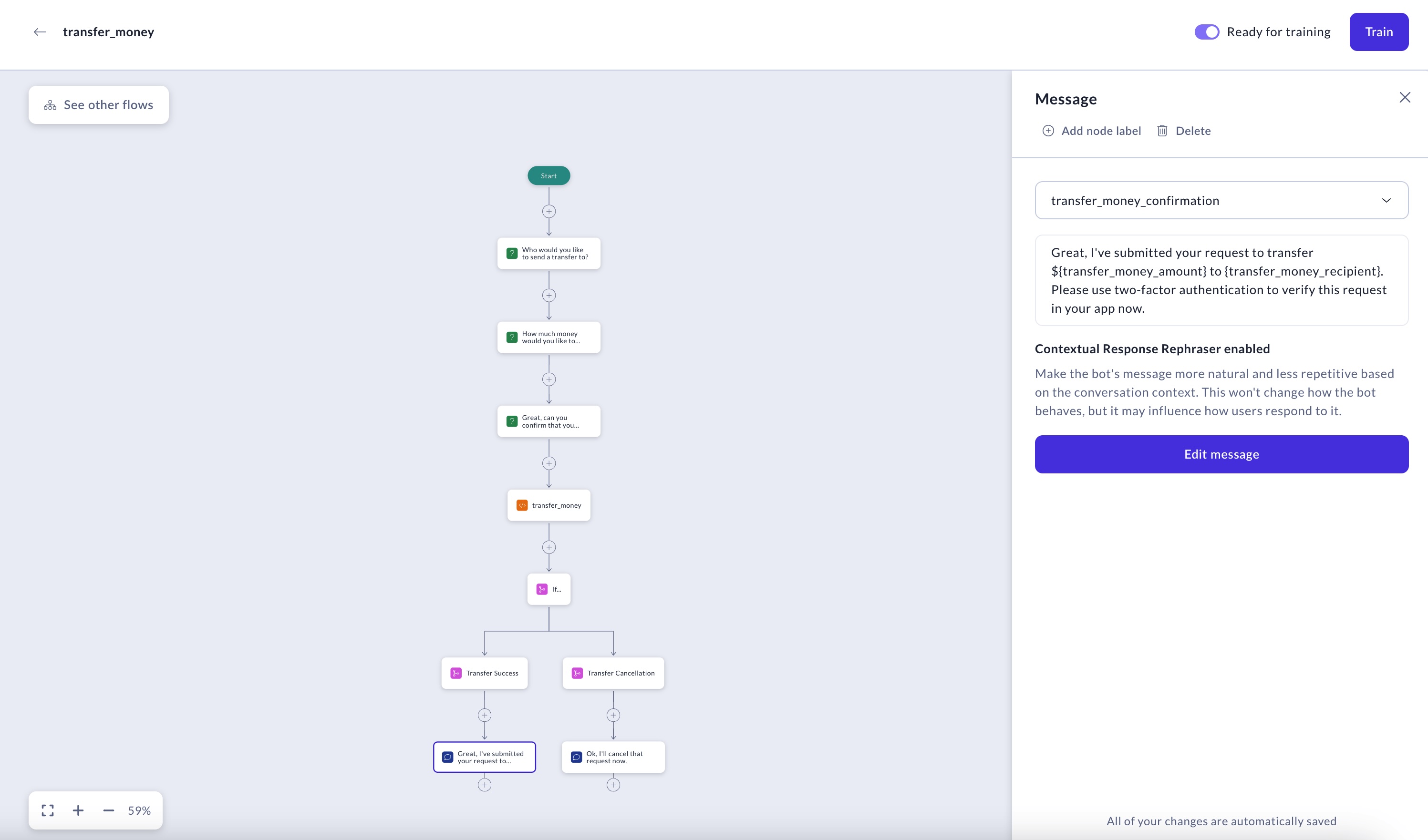
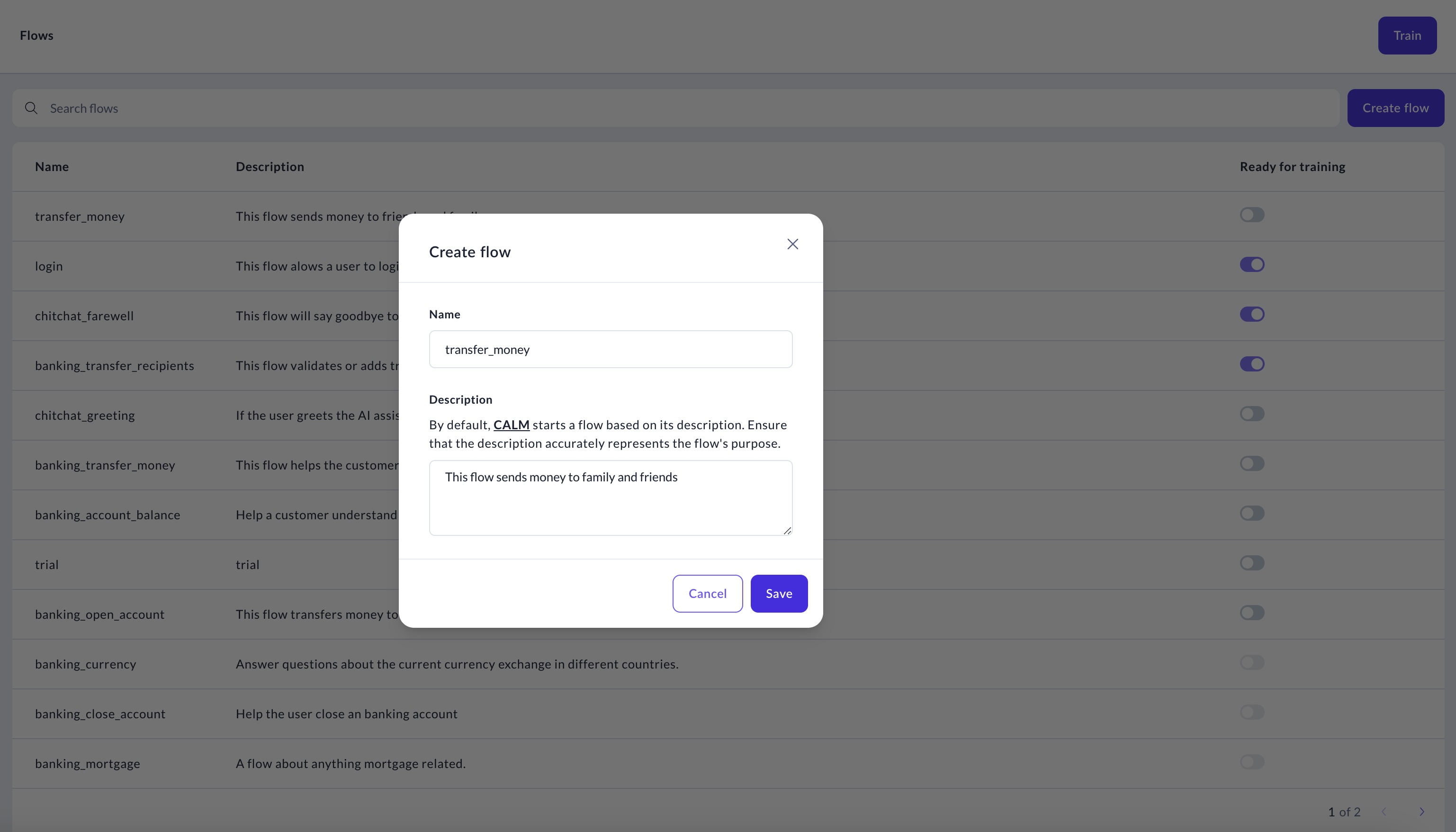
- Rasa Studio could support all the functionality of Rasa Pro.
Return on Investment
- 30% staff reduction on support hotline
- >2 Mio Eur savings per year
- Extended service hours, as chatbot is 24/7 online unlike human support.
Usability
Alternatives Considered
Glean and IBM watsonx Assistant
Other Software Used
LangChain, Weaviate, Faiss by Meta, Azure AI Language, PostgreSQL, Amazon ElastiCache, Amazon Elastic Kubernetes Service (EKS)



