TrustRadius: an HG Insights company

Rasa

Score6 out of 10

1 Reviews and Ratings

What is Rasa?

Rasa is a conversational AI platform from the company of the same name headquartered in San Francisco, enabling enterprises to build customer experiences. Rasa’s platform was built to create enterprise-grade virtual assistants, allowing personalized conversations with customers - at scale. Rasa’s conversational AI platform allows companies to build better customer experiences by lowering costs through automation, improving customer satisfaction, and providing a scalable way to gather customer intelligence. Rasa’s platform is powered by Rasa Open Source, which has seen more than 10 million downloads since launch, and is supported by a community learning from each other and working together to make better text- and voice-based AI assistants.

Categories & Use Cases

Media

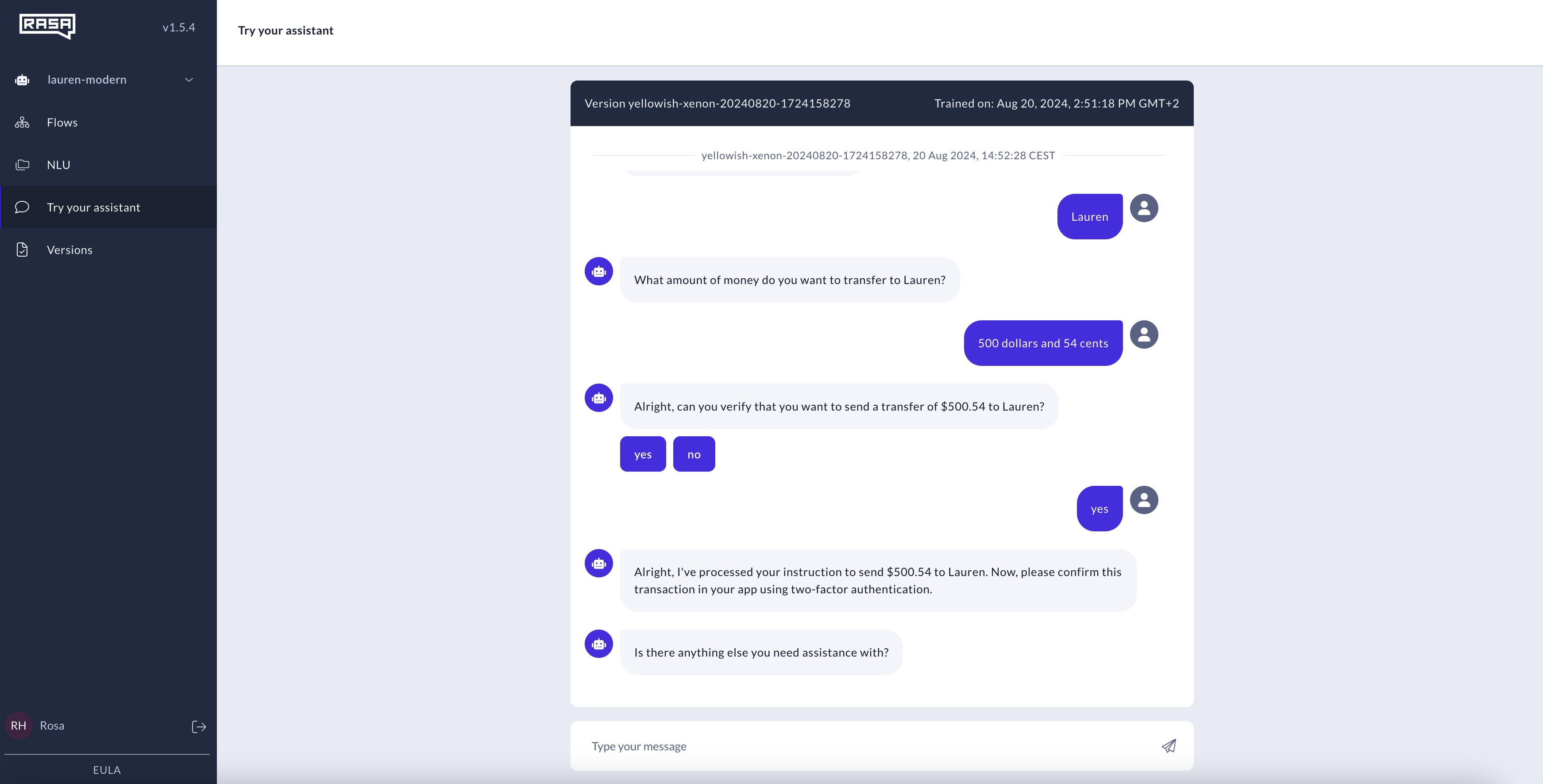
the Studio interface, where a new Flow can be tried out. The user can trace the flow of conversation through the AI Assistant to test and debug new developments.
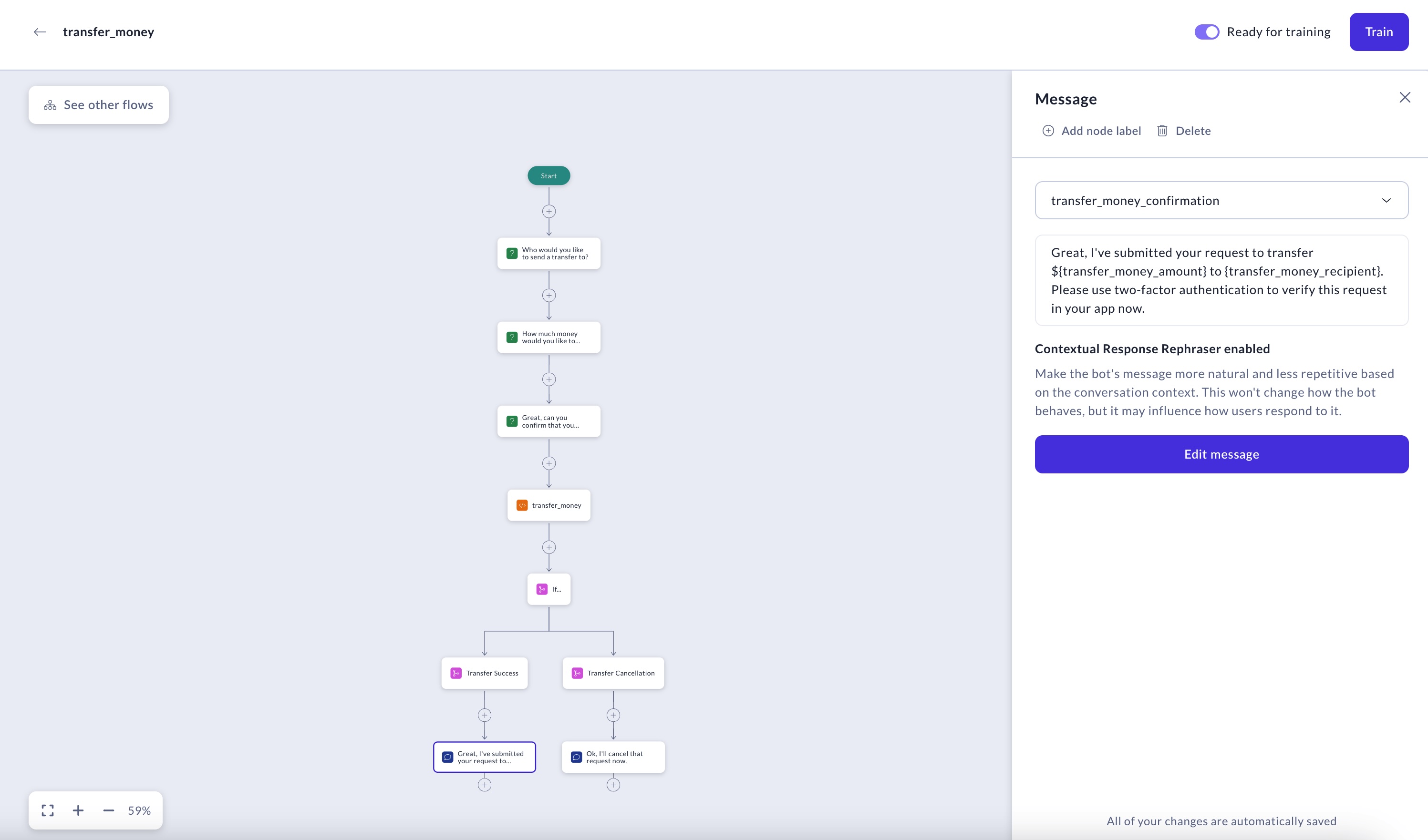
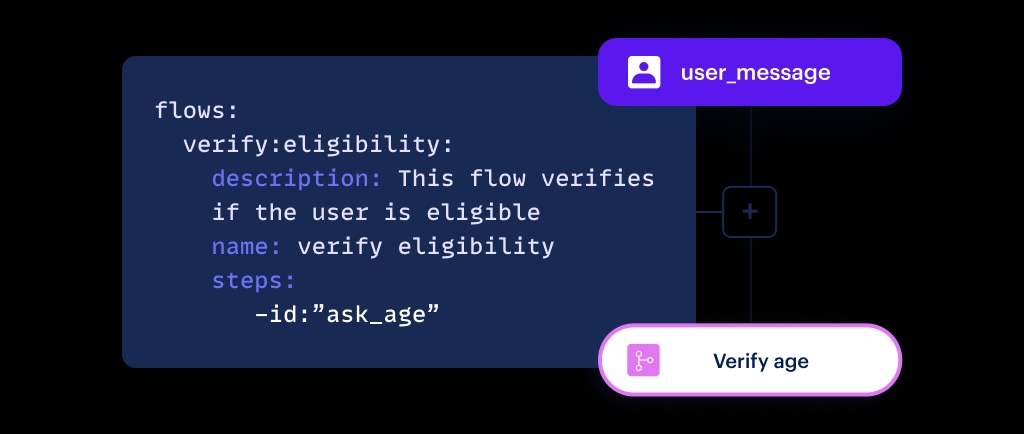
the extensible generative conversational AI framework in a no-code user interface, which enables business users to drag and drop dialogue components for easier AI assistant development.
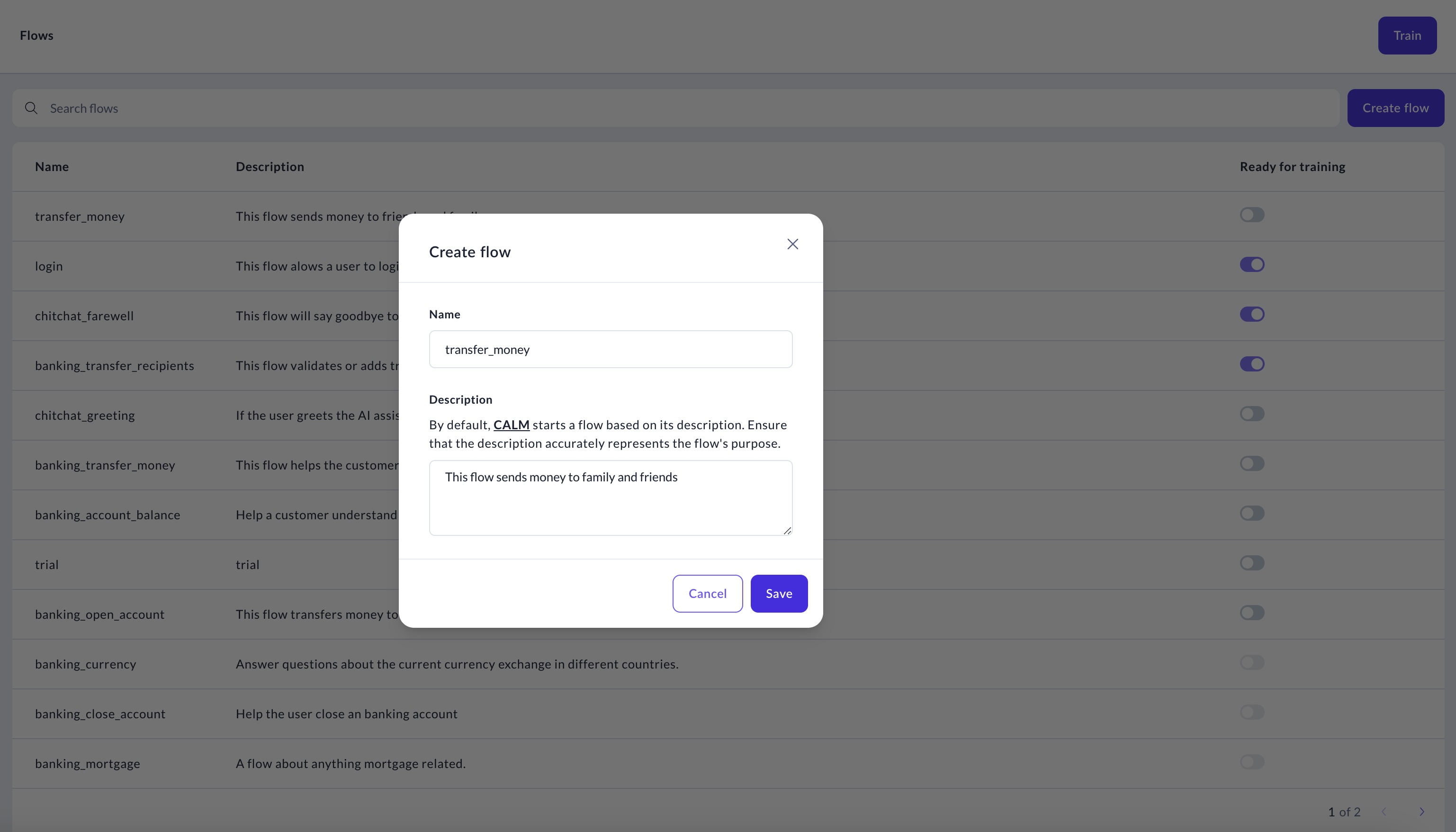
central content management to curate the AI Assistant training data. Users can repurpose and reuse assistant data: search, add, edit, and update assistant data directly in Studio.
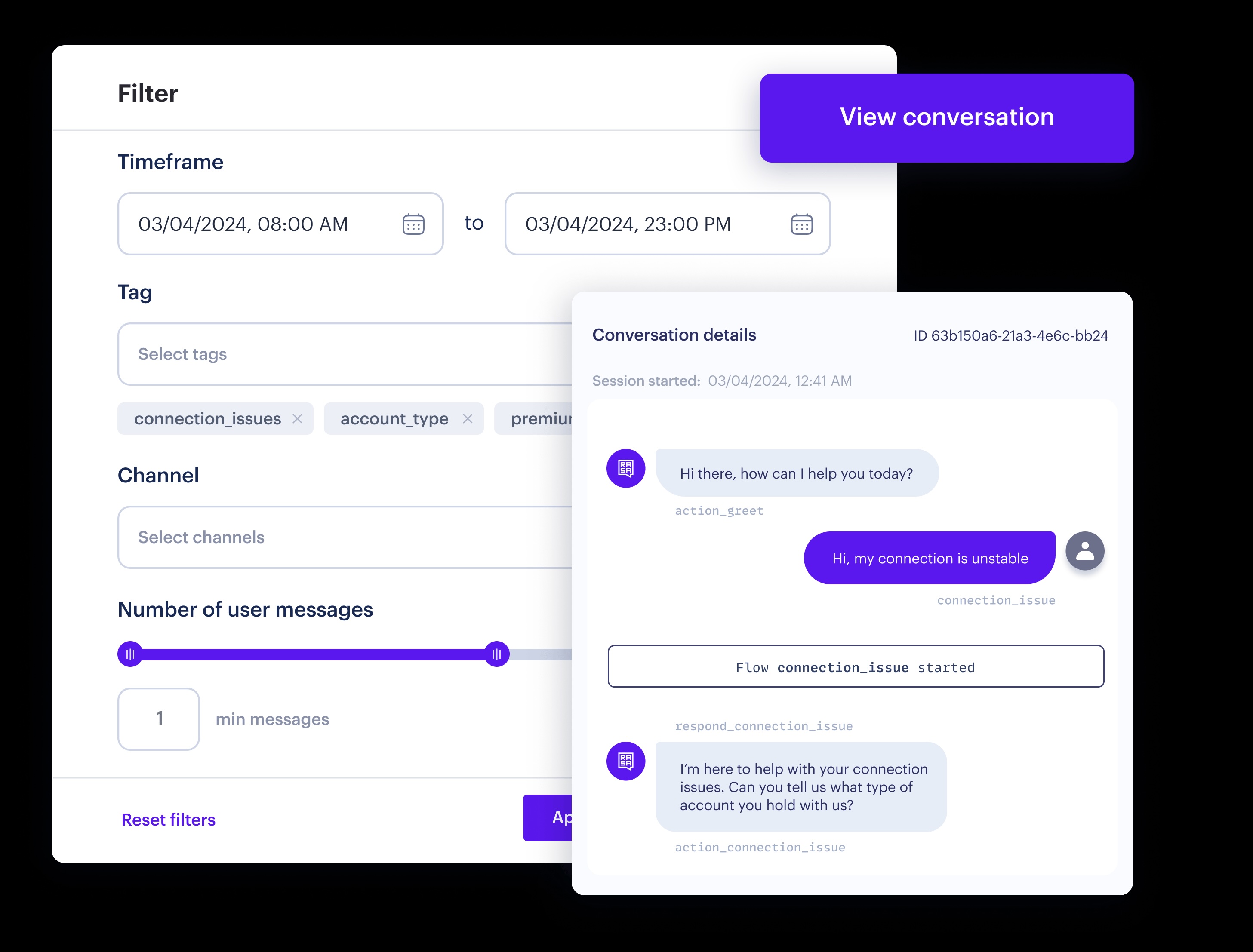
where analysts, testers, and builders can review user conversations to optimize the AI assistant performance and improve the user experience. Filter and tag key conversations for review, and share within a team for increased collaboration and efficiency.
the fully transparent conversational AI enables deep customization and explainability enabling a high-performance architecture.

1 / 5

Why our customers love our chatbot and why we adore Rasa

Pros

  • Rasa team has Top notch AI knowledge
  • Greate customer support, by listening towards the clients needs.
  • And building future proof solutions around client Business Requirements within dazzling timeframes

Cons

  • UX/UI optimalisation (enhance the ease of use of their products)
  • Plug-and-play solutions, with more modular system integrations
  • I don't know if Rasa is a SaaS low-code platform as Zapier, Make, N8N (focus on private solutions, smal businesses). To steal the competition towards Mid/large companies with there modules?
  • Mature (conversational) Analysing tool that measure all KPI's within slick dashboards with filtering system or endpoint towards Tableau/BPI/... : intent, feedback, fallback, response, Anomaly detection, Sentiment analysis, email push notifications on thresholds, Voice calls sentiment and measurement, Security & Compliance, ...

Return on Investment

  • Cost Savings & Efficiency
  • Increased Conversion Rates
  • Improved Customer Satisfaction
  • Operational ROI

Usability

Alternatives Considered

Google Cloud Dialogflow, Botpress and Azure AI Bot Service

Other Software Used

Python IDLE, Google Cloud SQL, Firebase, Pinecone, Kibana, Grafana, n8n, Zapier, Neo4j, LangChain, Streamlit, ChatGPT, xAI Grok, Qdrant, Chroma DB, Weaviate, Faiss by Meta

Journey to launching voice bot with Rasa

Return on Investment

  • Reduced Human Connected Calls Per active User
  • Improved Calls disposed by Voice Agent
  • Reduced call wait times

Usability

Alternatives Considered

Kore.ai and Yellow.ai

Building a helpdesk chatbot with the Rasa ecosystem

Use Cases and Deployment Scope

Our use case involves an internal IT support helpdesk, which is served by the chatbot. We use Rasa Pro, Rasa SDK (action server) and Rasa Studio products. Our chatbot is supporting users with all hardware, software and access issues at their workplace. The hardware includes e.g. company mobile phones, laptops, printers and accessories. The software includes different applications from the internal software catalogue.

Pros

  • Provides transparent interface for dialogue management
  • Pipeline-based approach to processing messages allows easy extension and customization of message processing components.
  • Seamless integration of Rasa SDK for custom actions provides a powerful interface for integrating the chatbot with other systems for data retrieval and manipulation.
  • Rasa CALM does a very good job at restricting LLM hallucination.

Cons

  • Rasa CALM flows and Rasa domain could be made fully independent of the Rasa training process and dynamically retrievable from e.g. a graph DB. This would make the chatbot more flexible.
  • Prompt templates, or at least paths could be referenced in Rasa config. Different policies in the Rasa config could then be configured without code change to use different prompt templates
  • LLM configuration should rather be part of the endpoints, than model configuration.
  • Rasa Studio could support all the functionality of Rasa Pro.

Return on Investment

  • 30% staff reduction on support hotline
  • >2 Mio Eur savings per year
  • Extended service hours, as chatbot is 24/7 online unlike human support.

Usability

Alternatives Considered

Glean and IBM watsonx Assistant

Other Software Used

LangChain, Weaviate, Faiss by Meta, Azure AI Language, PostgreSQL, Amazon ElastiCache, Amazon Elastic Kubernetes Service (EKS)

Rasa - Great value for money

Use Cases and Deployment Scope

I use Rasa at a Portuguese Tax Agency

Pros

  • Connection with multiple applications
  • Keep up with the latest technologies
  • Support

Cons

  • No-code apps could be improved
  • Online docs can be messy
  • Steep learning curve

Return on Investment

  • Reduce os agent hours
  • Best screening of calls with our voicebot
  • Reduced wating times from tax payers to the top called use-cases

Usability

Alternatives Considered

IBM watsonx Assistant and IBM Watson Discovery

Other Software Used

3CX, AudioCodes VoiceAI Connect, Zendesk Chat