TrustRadius: an HG Insights company

Cisco UCS Series

Score9.4 out of 10

141 Reviews and Ratings

What is Cisco UCS Series?

The Cisco UCS Series is a modular, high-density, high-availability, dual-node storage- optimized server suited for service providers, enterprises, and industry-specific environments. It provides dense, cost-effective storage to address your ever-growing data needs. Designed for a new class of data-intensive workloads, it is simple to deploy and excellent for applications for big data, data protection, software-defined storage environments, scale-out unstructured data repositories, media streaming, and content distribution.

Read more details.

Categories & Use Cases

Media

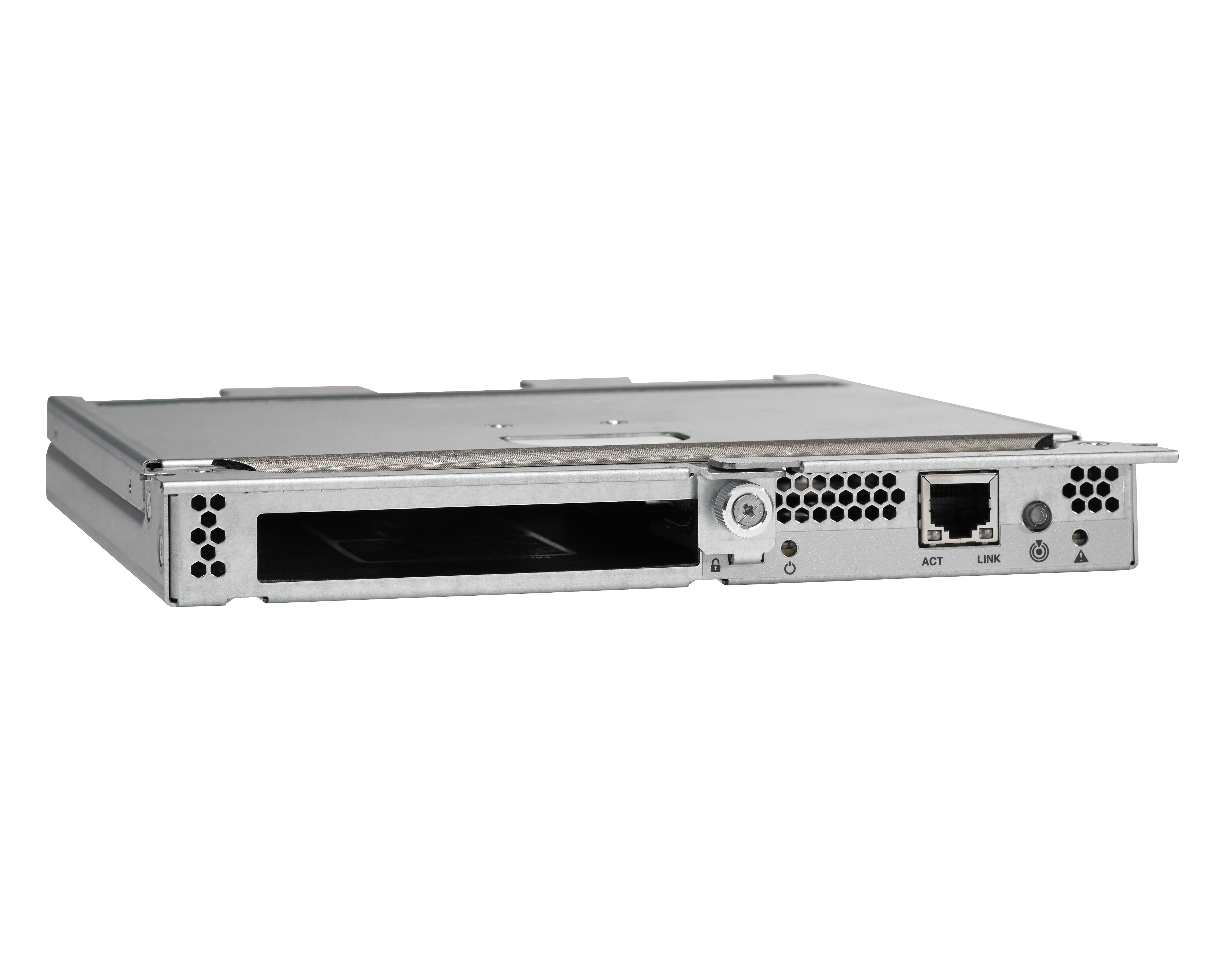
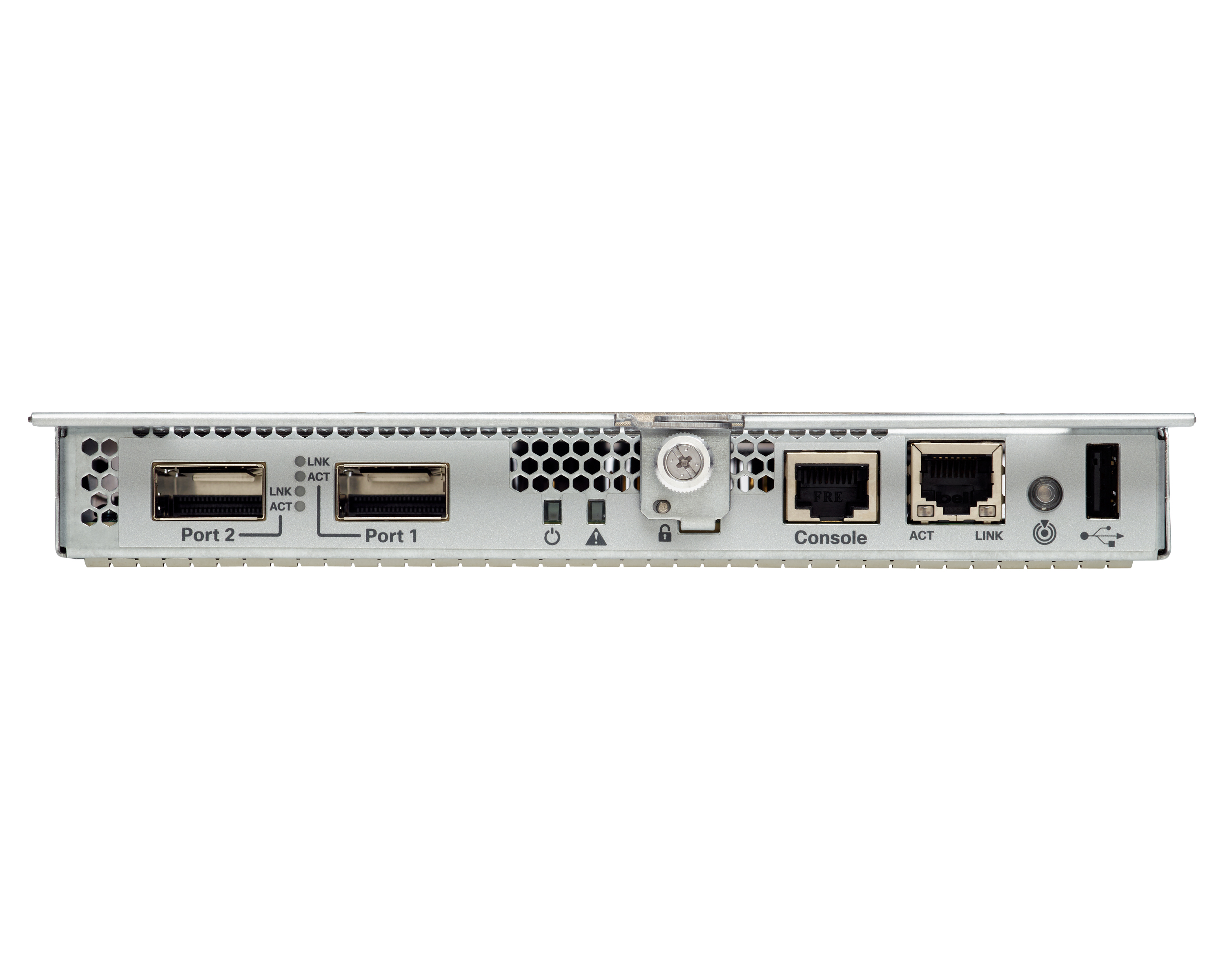
Screenshot of Cisco System I/O Controller
Screenshot of Cisco UCS S3260 System I/O Controller
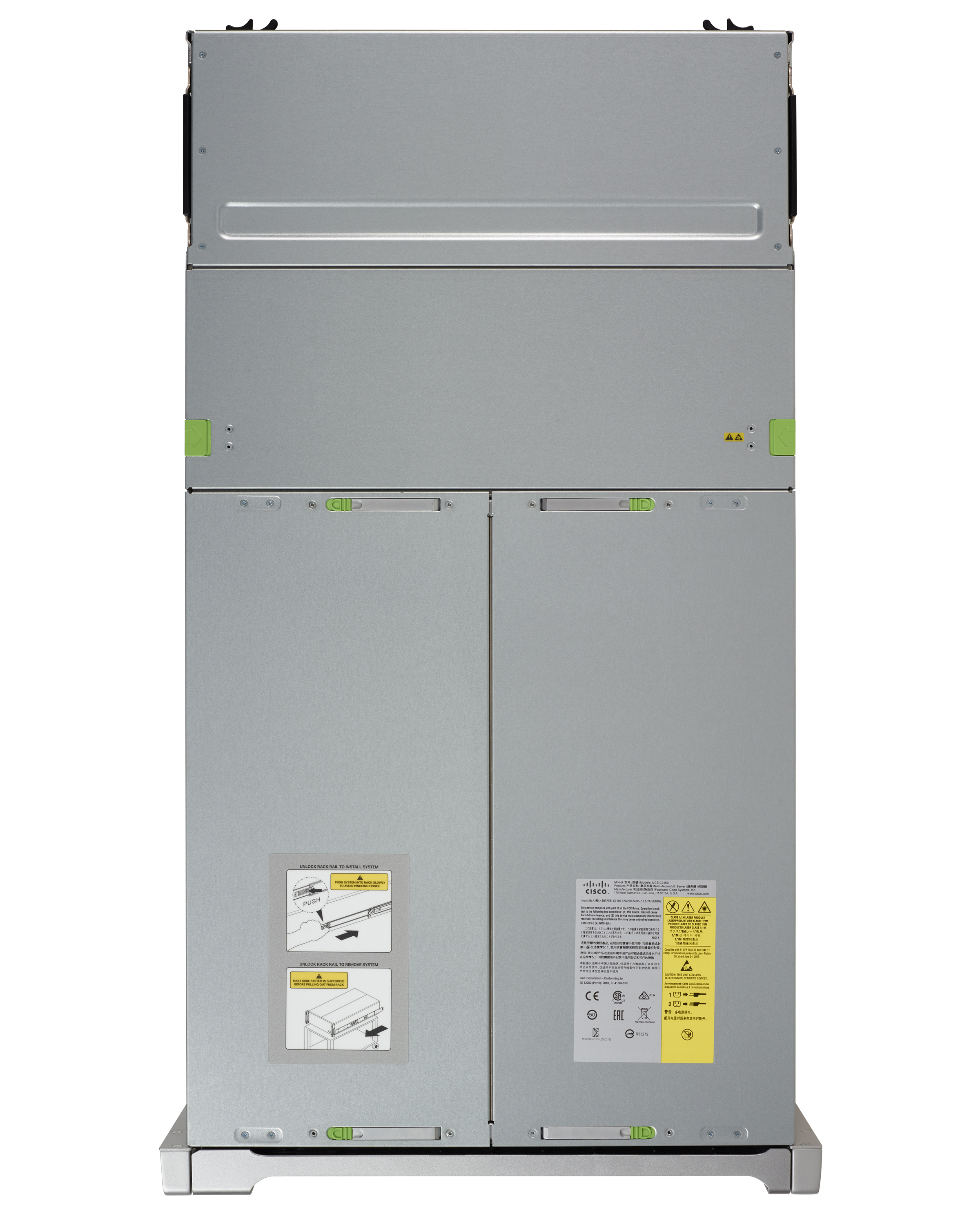
Screenshot of Cisco UCS S3260 Base Chassis
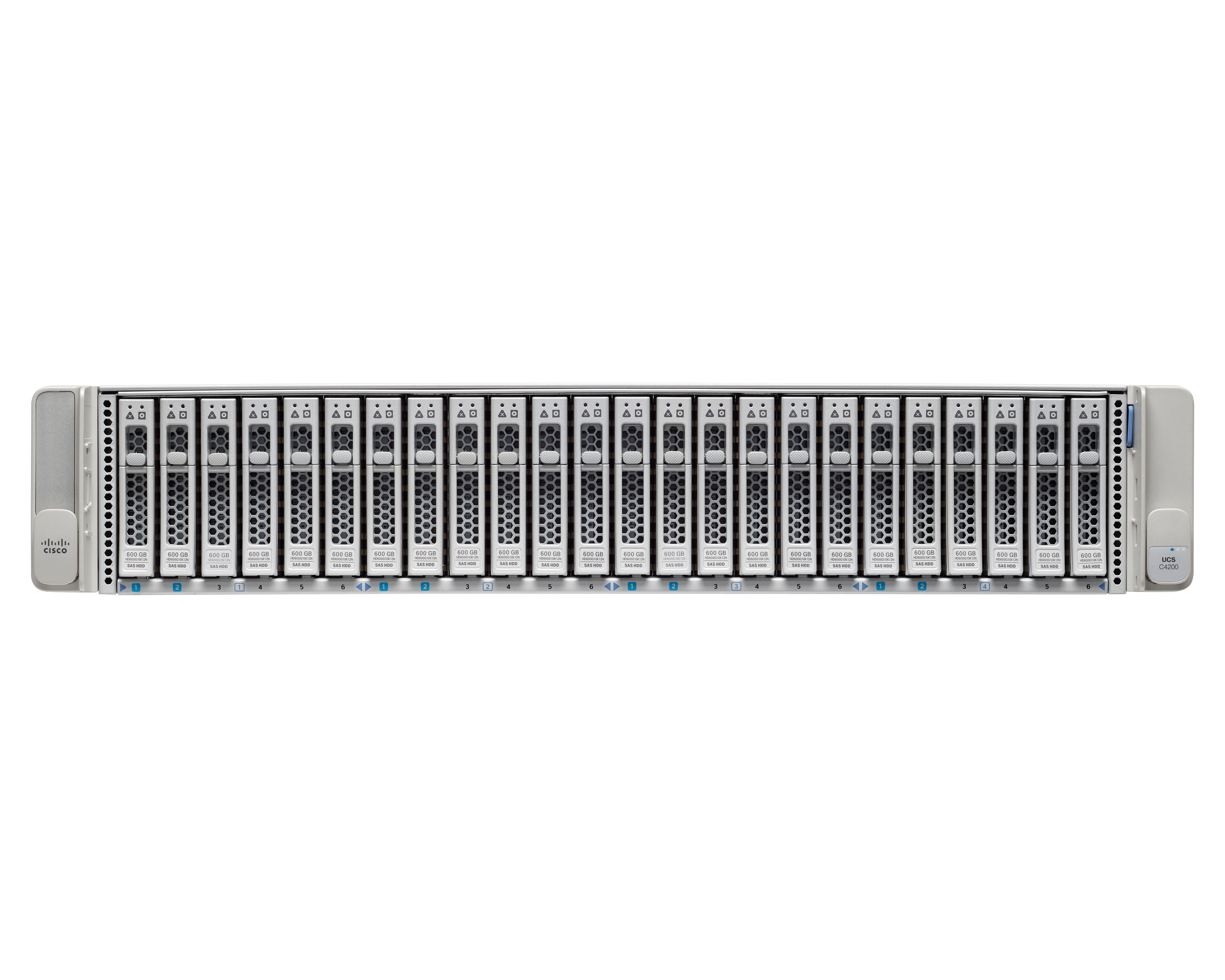
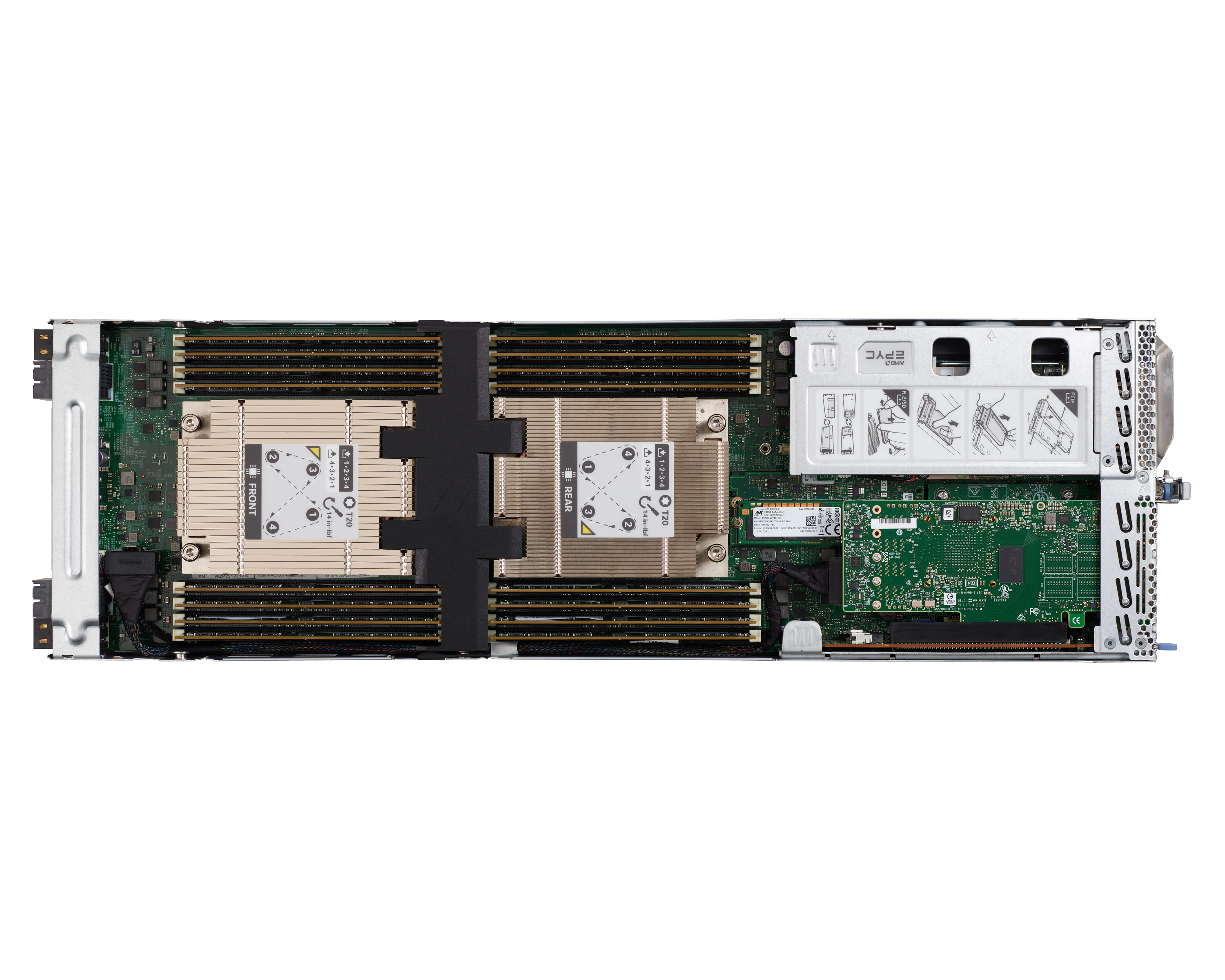
Screenshot of Cisco UCS C4200 Series Rack Server Chassis
Screenshot of Cisco UCS C125 M5 Rack Server Node
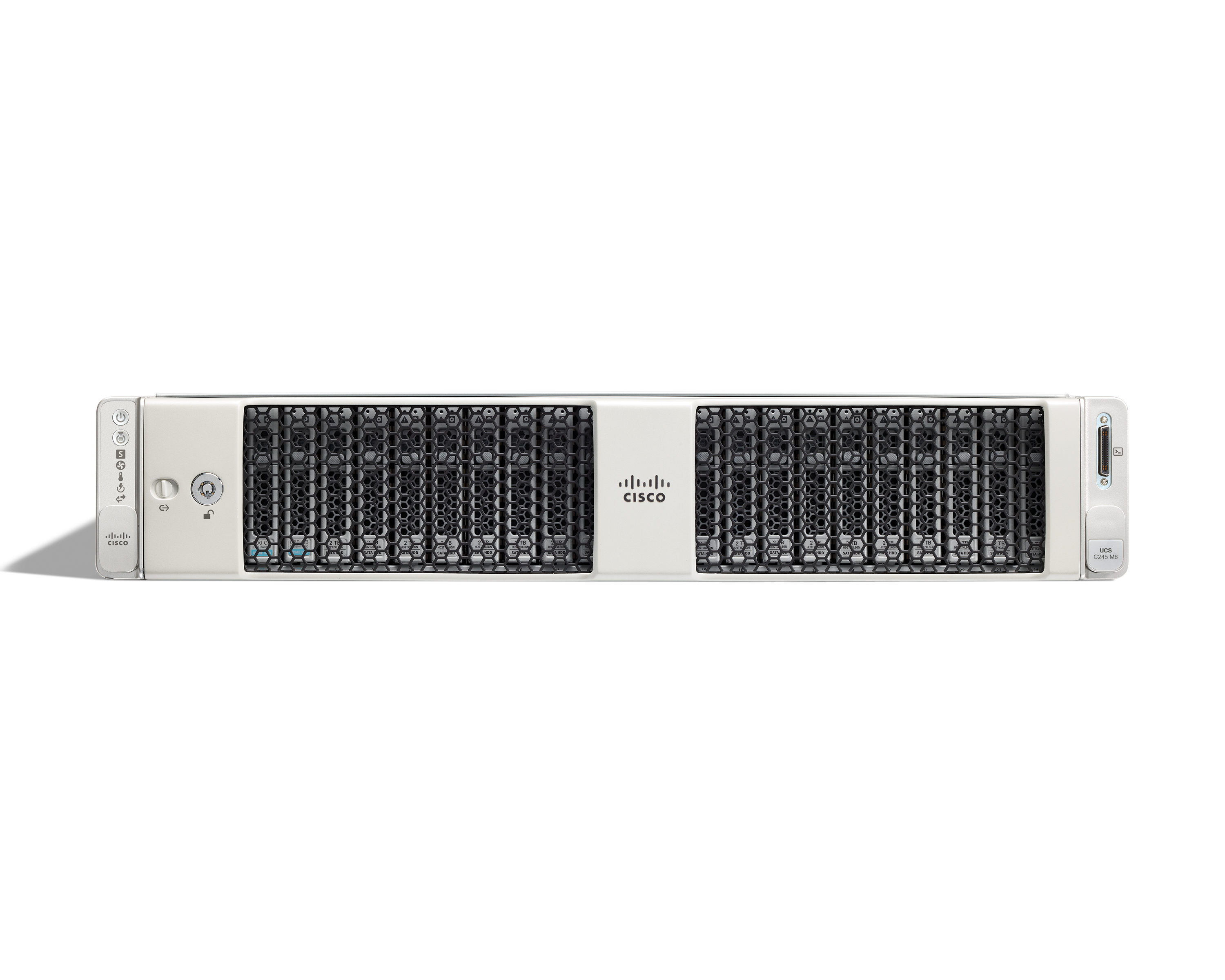
Screenshot of UCSC-C245-M8SX Rack Server
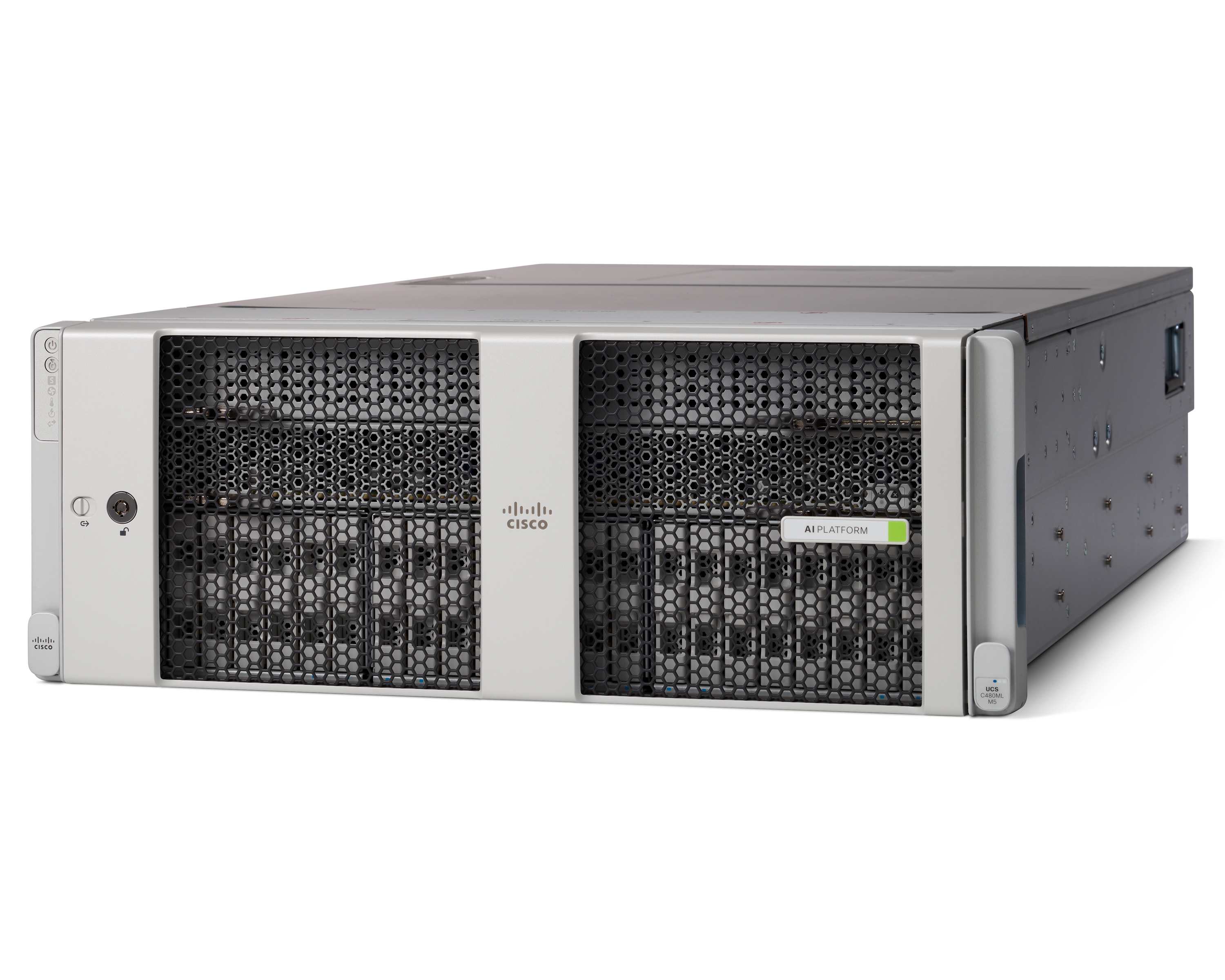
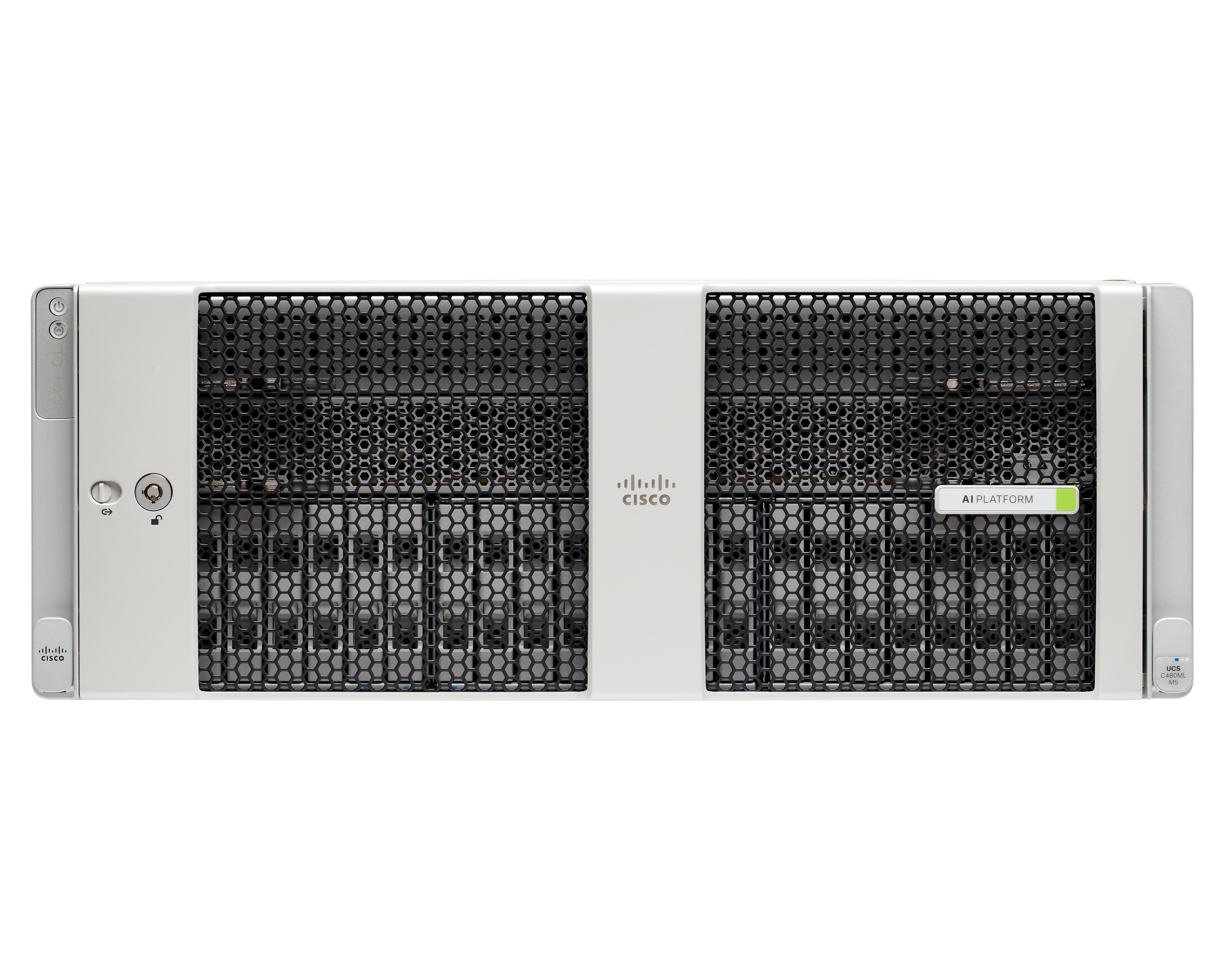
Screenshot of UCS C480 ML M5 Server, Bezel On
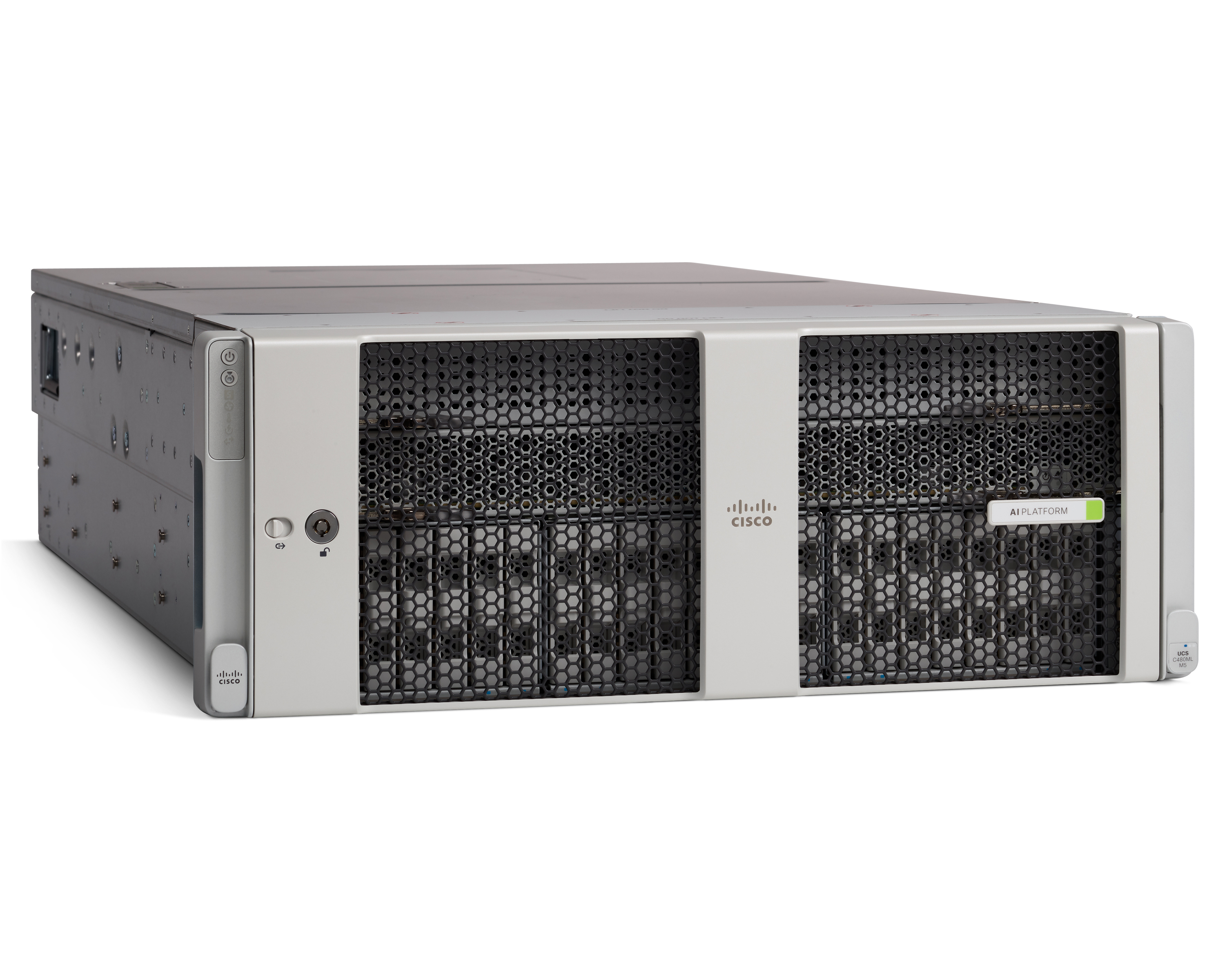
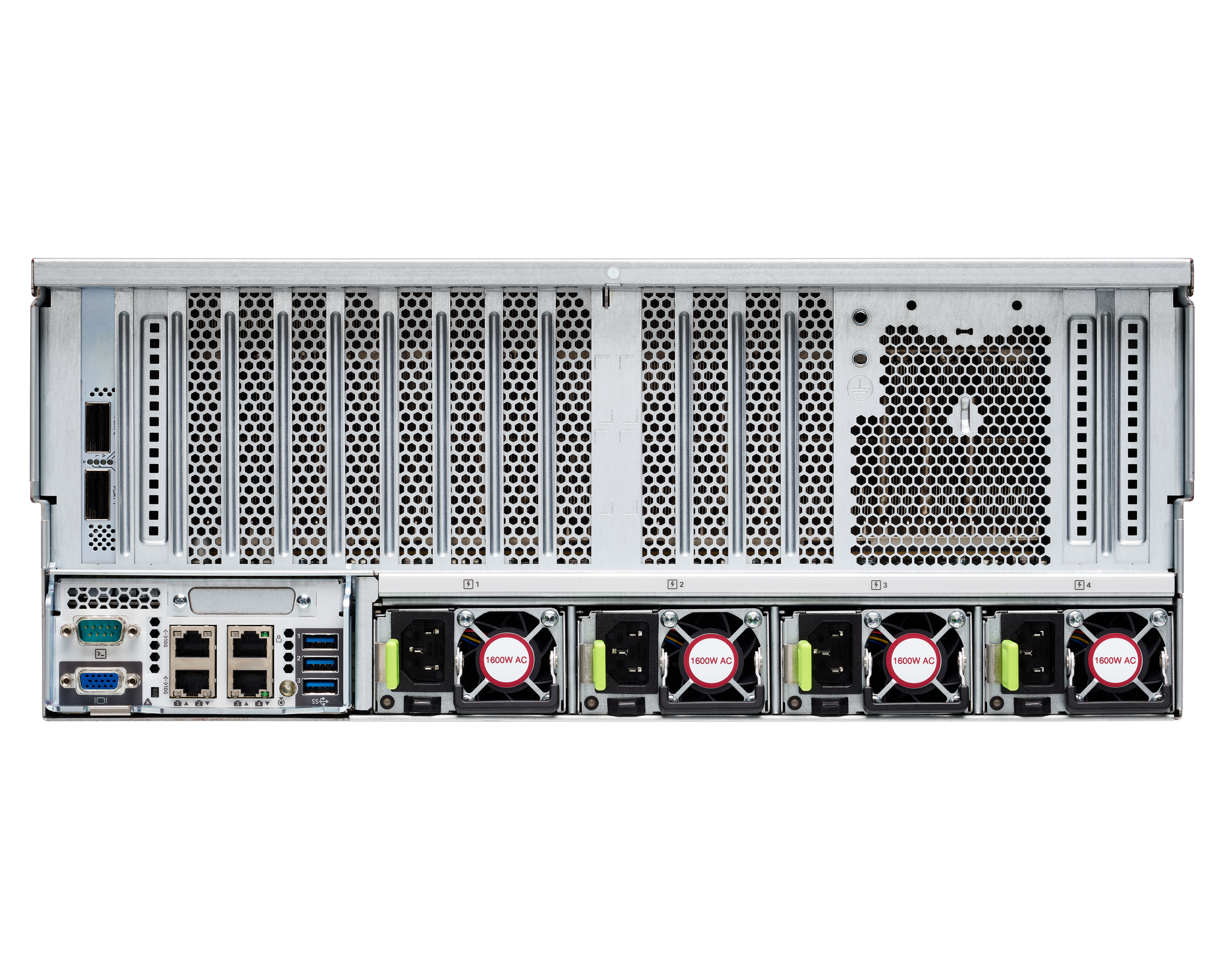
Screenshot of UCS C480 ML M5 Server
Screenshot of UCSX-210C-M6-U Compute Node
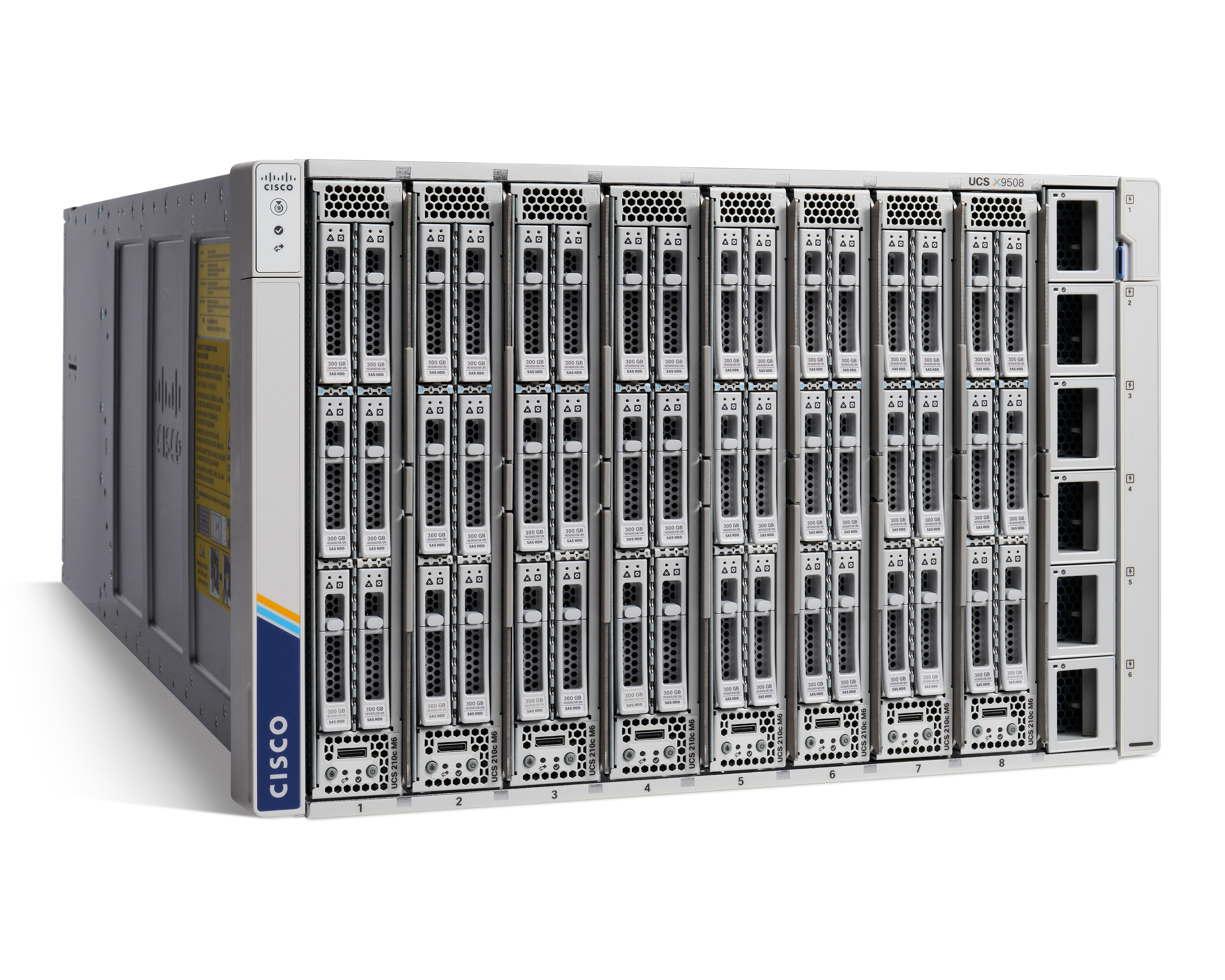
Screenshot of UCSX-9508-U Modular Chassis
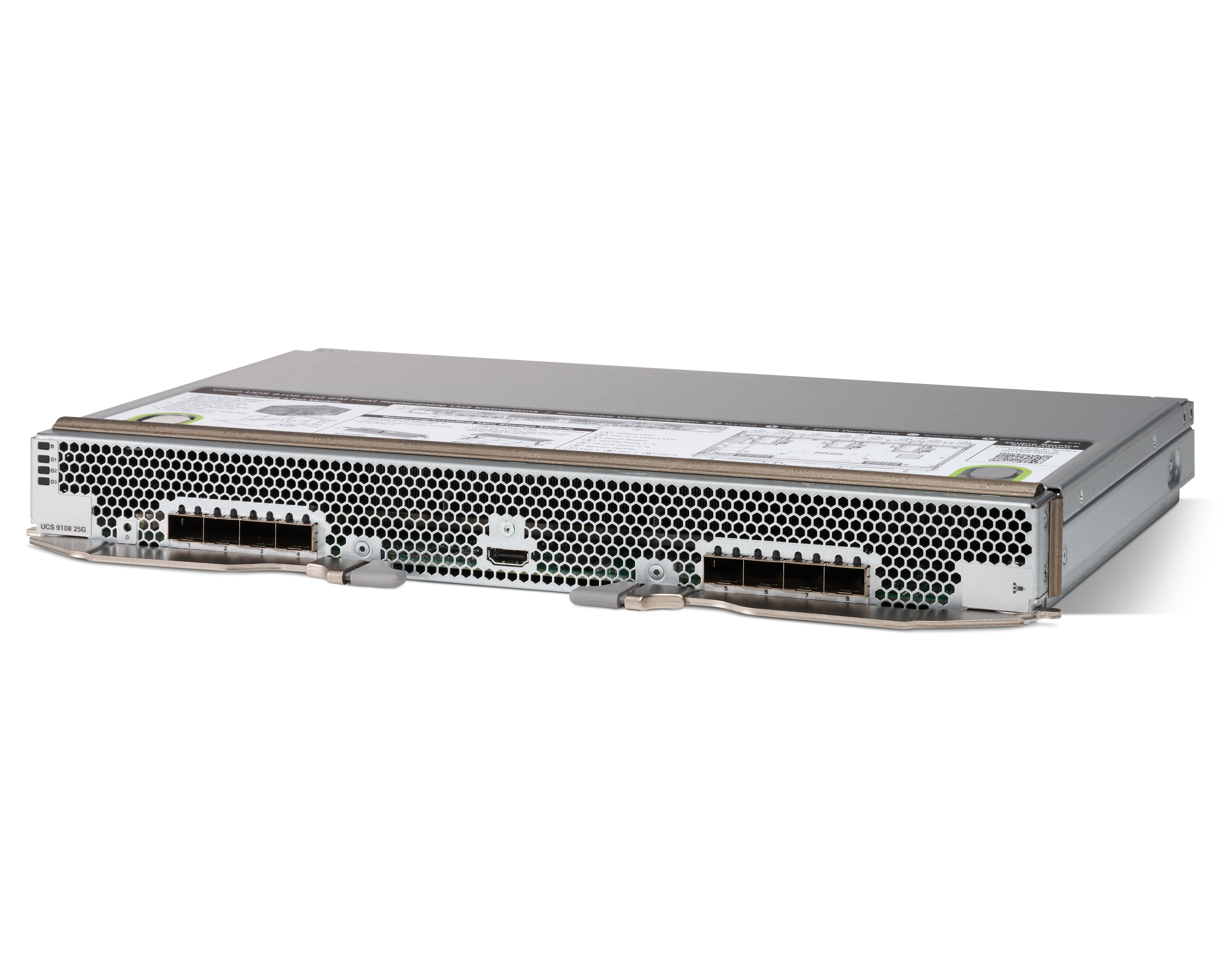
Screenshot of UCS 9108 25G Fabric Module
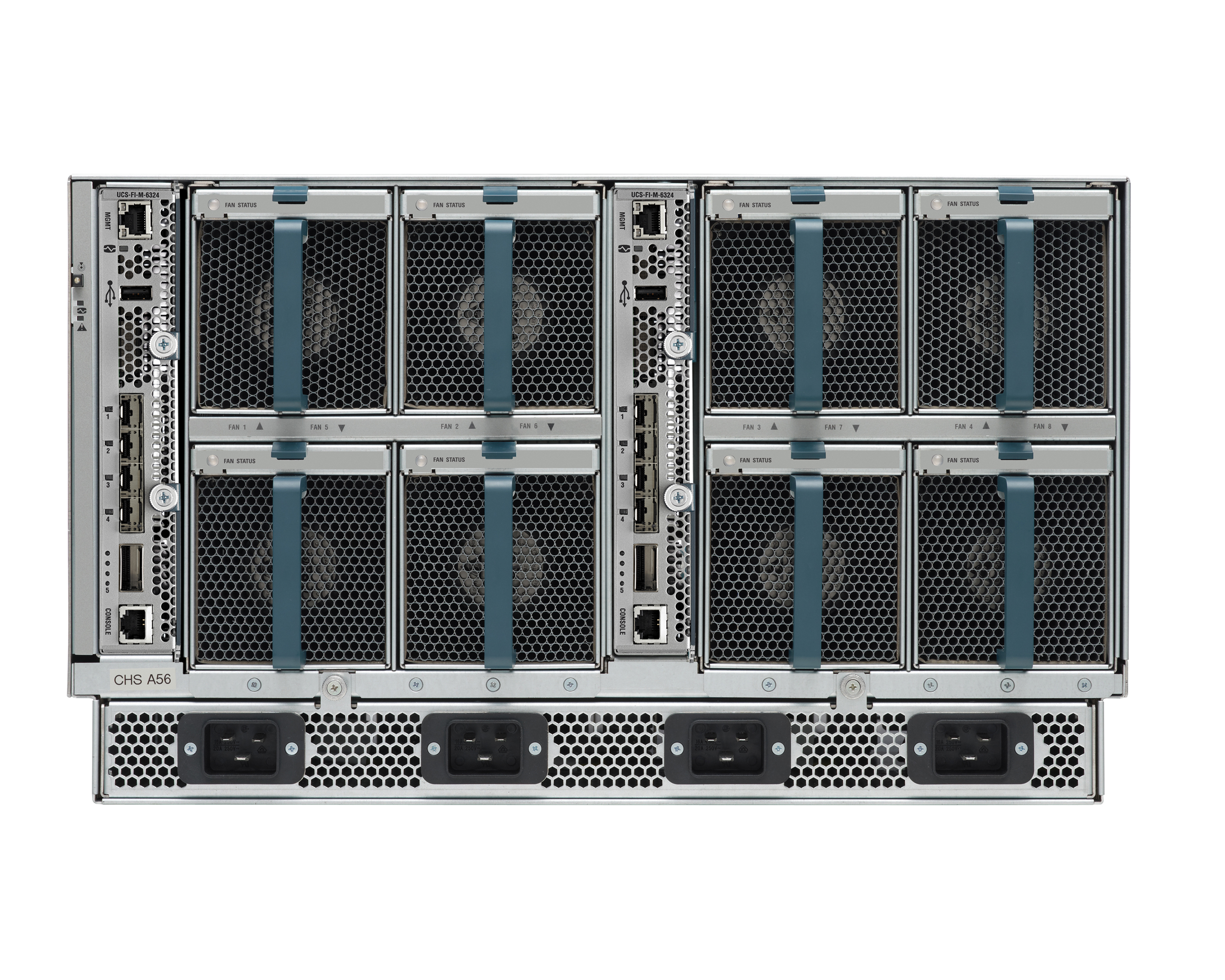
Screenshot of Cisco UCS 5108 Chassis with Cisco 6324 Fabric Interconnect
Screenshot of Cisco UCS C220/C240 M8 Rack Server
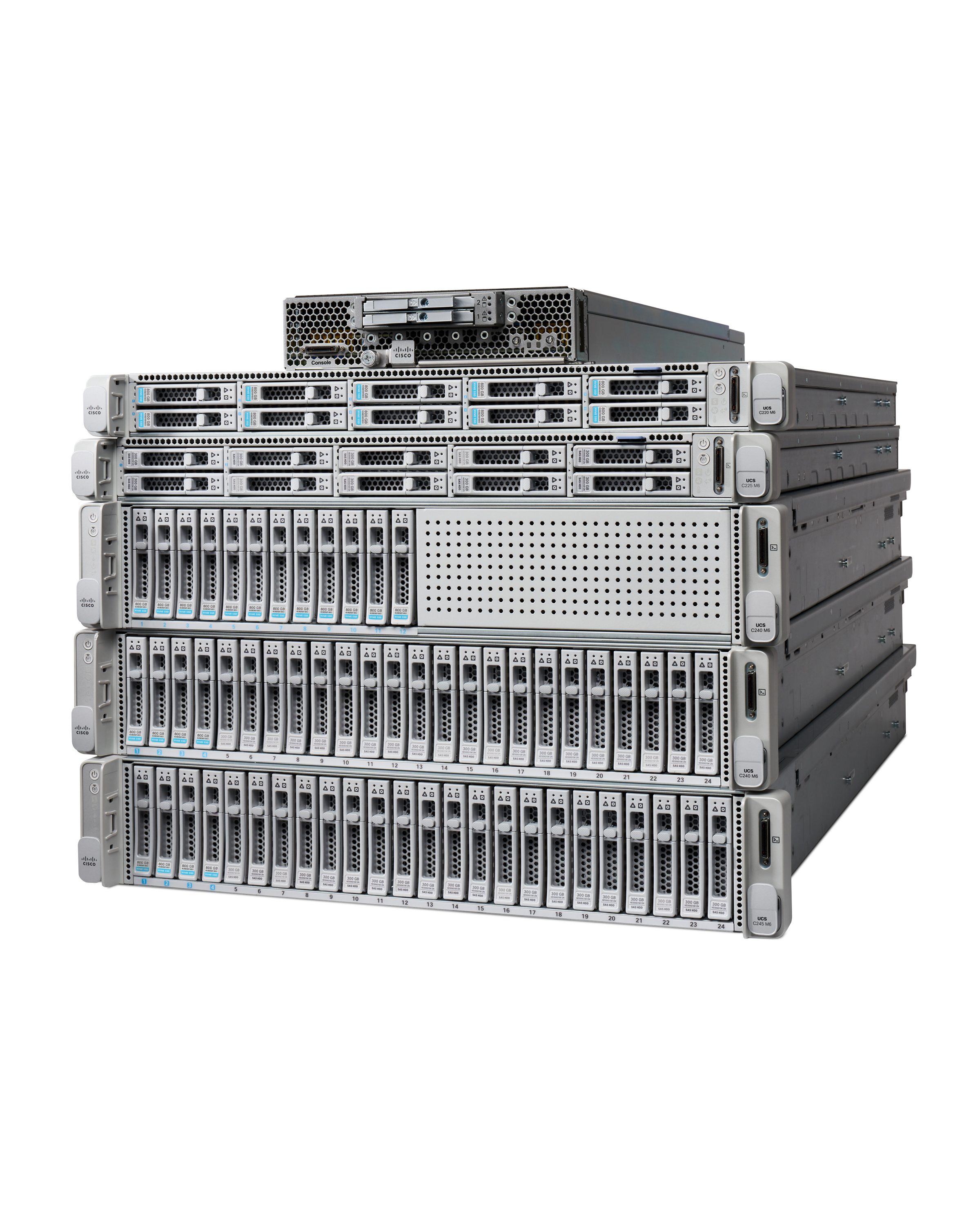
Screenshot of UCS Blade and Rack Server Family
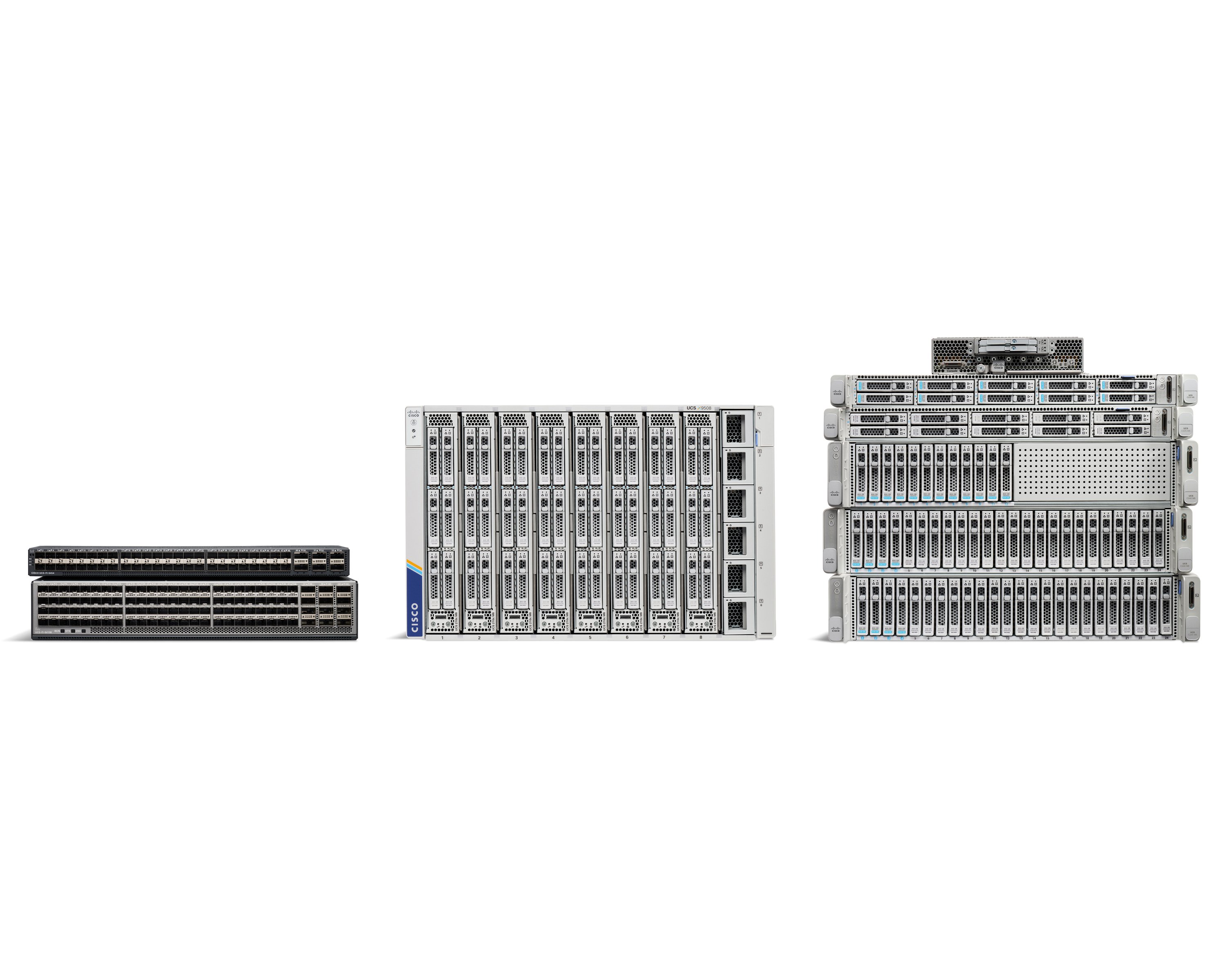
Screenshot of Unified Computing System Chassis, Blade and Rack Server Family

1 / 18

Screenshot of Cisco System I/O Controller

Who Buys & Uses Cisco UCS Series

Accelerating IT Operations and Business Outcomes.

Use Cases and Deployment Scope

We have deployed Cisco UCS in King Abdulaziz International Airport, Jeddah, Saudi Arabia. We use both UCS B-Series blade servers and UCS C-Series rack servers to support a wide range of workloads, including virtualization, enterprise applications (Access Control, CCTV, SQL Server, Oracle, other airport applications). UCS Manager plays a critical role in centrally managing server profiles, firmware updates, and hardware policies, which significantly reduces our administrative overhead. 1- easy to scale 2-easy to manage 3-Save Rack space and power and cooling requirements. Business Use Case: Supporting airport application/Staff/guest users in multiple datacenters. Virtualization, along with vCenter, makes all workloads easy to manage from a single location . One of the current issues we are facing is the VMware licensing, which makes it a more expensive solution.

Pros

  • Save rack space, cooling, and power requirements.
  • Easy to scale and expand.
  • Efficiency is unmatchable.
  • High availability.
  • High Throughput.

Cons

  • More intelligent alerting for environments not fully integrated with Intersight or third-party monitoring tools.
  • 3rd party plugin support.
  • Interoperability with non-Cisco networking, storage orchestration tools.

Return on Investment

  • Positive: ROI: Operational Cost Reduction by cutting Rack Space, power, and cooling requirements.
  • Positive: ROI: Business Value: 33 percent data center rack space reduction.
  • Positive: Business continuity: 30 to 40 percent cut in unplanned downtime.
  • Negative: External Expenditures, such as smartness and technical resources, are expensive.

Alternatives Considered

VMware ESXi

Other Software Used

VMware vSphere, Cisco Intersight, SolarWinds Kiwi Syslog Server, Cisco Identity Services Engine (ISE)

What is unique about Cisco UCS Solution

Use Cases and Deployment Scope

Cisco UCS is the backbone of compute architecture at our organization, it is a single platform that is used extensively for all things Compute, It the standard that is used to deploy any workload or project that requires CPU, memory, hard-drive and high speed processing. We deploy Cisco UCS in both chassis with b-series blades as well as stand-alone c-series servers. These provide converged infrastructure due to unique architecture.

Pros

  • Some of the highest rated blades and rack servers per the industry benchmark tests
  • Using Virtual Interface Cards (VIC), one can easily spawn up to 128 virtual NIC and HBA to carve our network and storage configurations, this simplifies extensive need for physical adapters.
  • Compute, network and storage in to same hardware platform - ease of operations and maintainability.
  • Concept of Service Profile and Templates - build once, use multiple times

Cons

  • Demand for power and AI work load requires higher capacity blades
  • Availability of 100Gb and 400Gb uplink ports for higher bandwidth workloads
  • inclusion of telemetry functions to pro-actively generate alerts and faults before they affect functionality.

Return on Investment

  • We started small not knowing full capabilities of Cisco UCS, it has worked well, and has now grown into majority of organization compute and storage workloads.
  • Using Service Profile and Templates, its very easy to build and deploy new servers or to re-deploy after a failure.
  • Platform allows hyper-converged infrastructure that has become the foundation of many of our solutions.
  • Cisco UCS is number #1 in USA and almost on top worldwide. This speaks volumes on ROI and acceptance by customers.

Alternatives Considered

Dell PowerEdge and Azure HPC Cache

Other Software Used

Dell Data Center IT Outsourcing Services, Azure HPC Cache, Bull Blade Servers

Cisco UCS Blade Servers

Use Cases and Deployment Scope

Cisco UCS is our compute backbone of our Private Cloud. We have almost 250 UCS Blades distributed across many chassis and 6 UCS Domains. UCS helps us in providing reliable compute resources for our virtualization services to our needs. The NIC virtualization is the most effective feature that we use in our cloud. UCS stateless blades give us leverage to quickly reuse the blade anywhere and migrate seamlessly.

Pros

  • Virtulization of VIC cards
  • UCS Manage to manage all the blades and integration with VMware
  • Consistant Cisco Tech support in TS
  • Stateless Architecture

Cons

  • UCS VIX should support DPDK and SR-IOV
  • 25 G NIC full compaitability wth Nexus switches 25G ports
  • Cisco UCS Manager to manage multiple UCS FIs not just 2

Return on Investment

  • After using it 5 years, much less RMA
  • Best Cisco tech support in TS sessions
  • Frequesnt updates for us to be compatible with Vmware hypervisors
  • Statelesness ease migration and reuse

Alternatives Considered

Dell PowerEdge M

Other Software Used

VMware ESXi, VMware vCenter Server, VMware Cloud Director (formerly vCloud Director), VMware NSX

Usability

UCS Series Review

Use Cases and Deployment Scope

In our organization our main infrastructure ,the computer relies on Cisco UCS Series, like the servers, services, applications, databases, and desktop virtualization for users.

Pros

  • Particularly well management, ease of use and power.

Cons

  • Everything seemed fine on UCS side. Maybe diversity of configurations with the GPUs, maybe.

Return on Investment

  • I'm going to start with the negative impact. Maybe in order to have the ease of use, you have to get some time to prepare correctly and to correctly to design the correct design. But now that you've done this time, you don't have to take that to get back to this configuration. You are all free. And this is the positive side, it's that when everything is prepared correctly, everything is smooth. So the use of the profiles, the connection of new servers, the decommissioning and the adding of new servers, the modification of configuration, everything is more easy to use and the less we interrupt user access to our service, the more the hospital is working fine and we can achieve a better support to our end users. And then to the patients.

Alternatives Considered

Cisco Secure Endpoint and Cisco Intersight

Other Software Used

Kubernetes, Docker

Usability

A promising Solution and you never regret [it].

Use Cases and Deployment Scope

We are using Cisco UCS B Series for the Production client-facing environment and a very small portion of the same series on non Production environment. The VMware Hyper-Visor is running on bare metal hosting several virtual machines. It's been for almost 7 years we have been using this and it boosted our up-time as we didn't have any issues while it's running or even during any kind of firmware upgrades.

Pros

  • [It's] easy to manage and configure all the chassis and blades using the UCS manager.
  • Upgrading the firmware, VMware driver on Cisco UCS is very straight forward.
  • Uptime. We never had a situation where the server had crashed.

Cons

  • [The] initial investment was very expensive unless Cisco provides a good deal compared to their competitors.
  • Increase the hardware EOL and support for min 10 years.
  • Very expensive to upgrade the Memory as Cisco recommends not to use the third-party product as it voids the warranty.

Return on Investment

  • Up-time is always the priority.
  • As and when the vulnerabilities are identified, the patches were available from Cisco.
  • We did had a good ROI but its still the CAP-ex is expensive.

Other Software Used

EMC VNX (Discontinued), Dell EqualLogic PS Series

Usability