TrustRadius: an HG Insights company

What is Cisco Nexus 9000 Series Switches?

Built on Cisco silicon, the Cisco Nexus 9000 Series delivers data center performance from the inside out.

Read more details.

Media

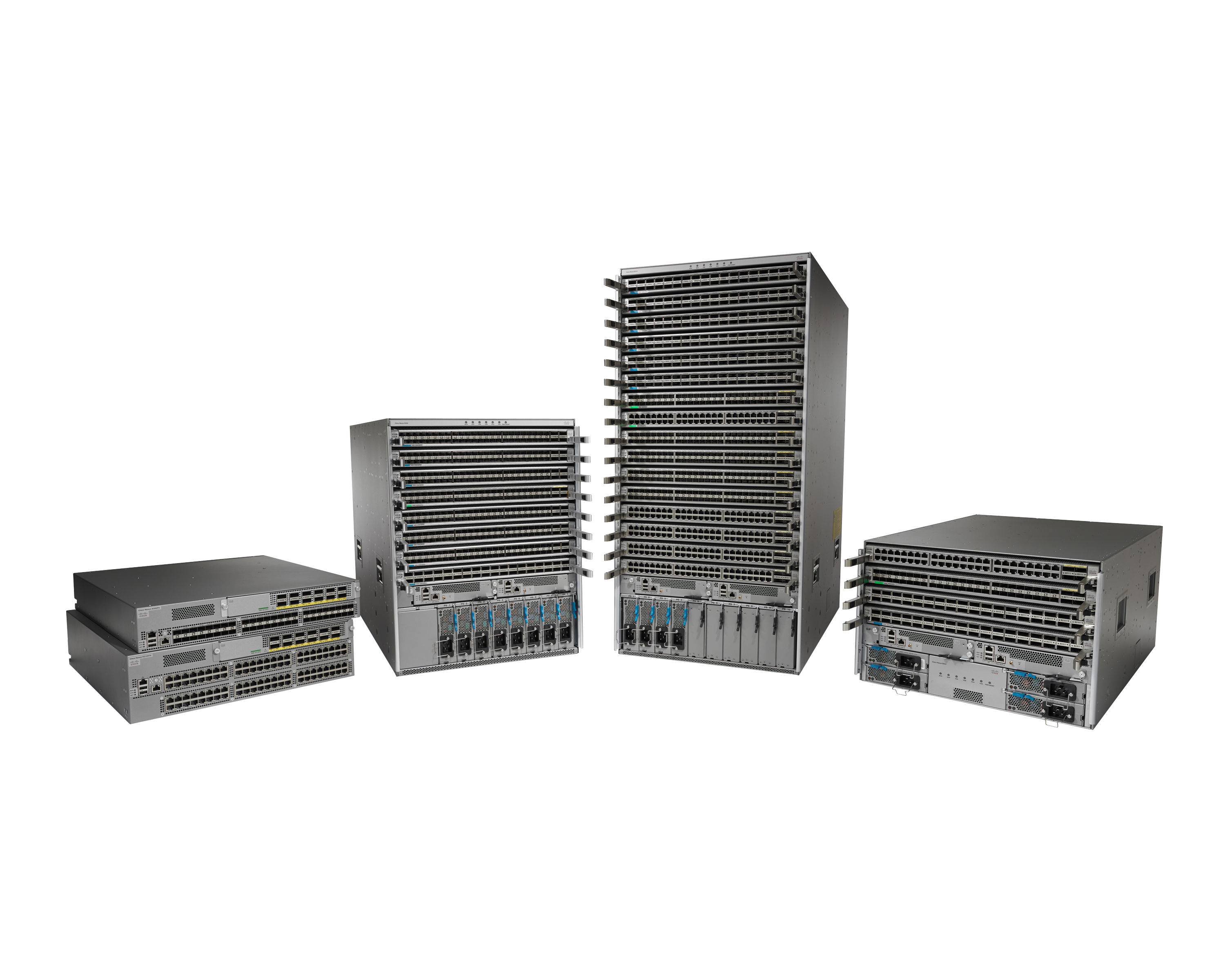
Screenshot of Cisco Nexus 9000 Series Family
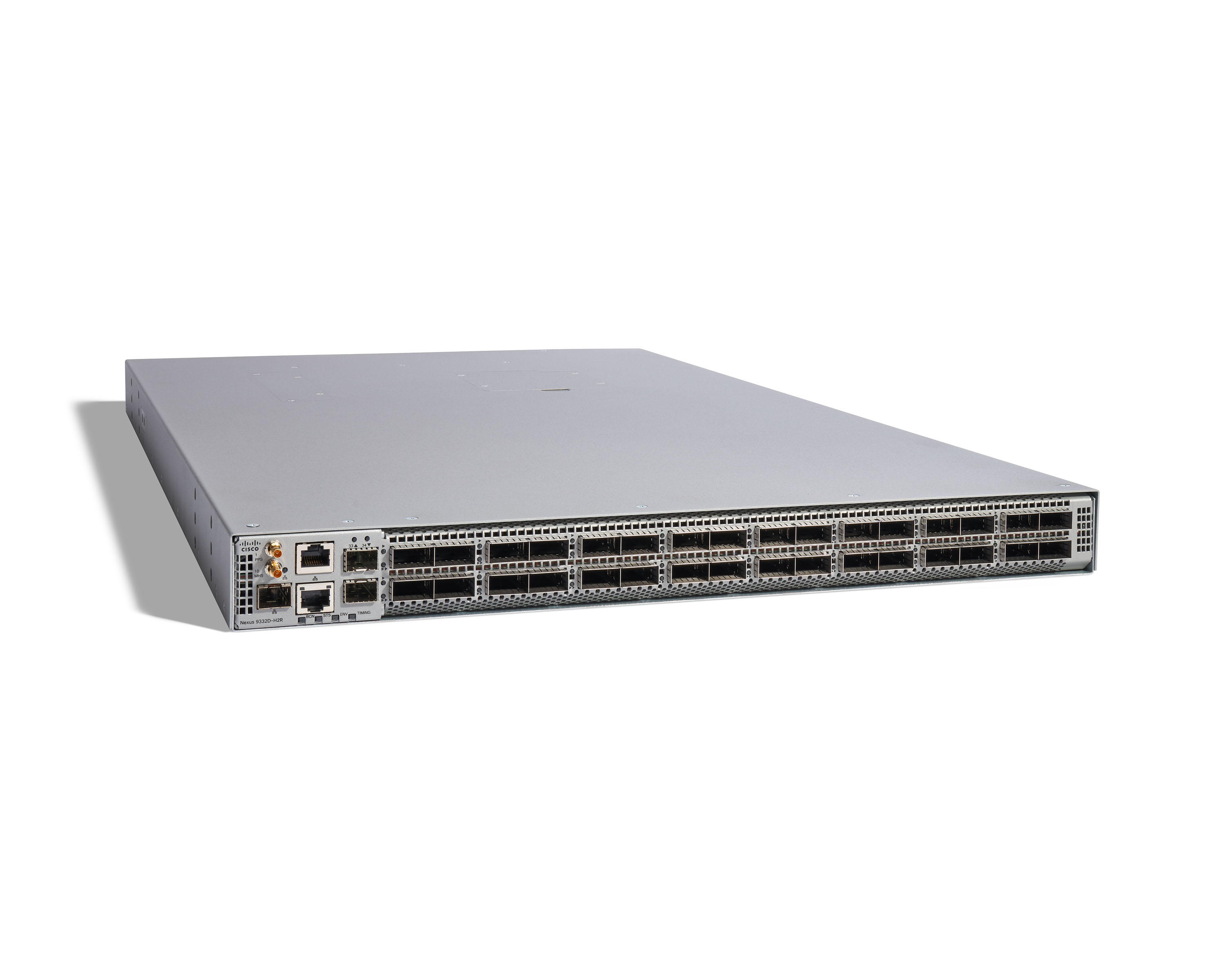
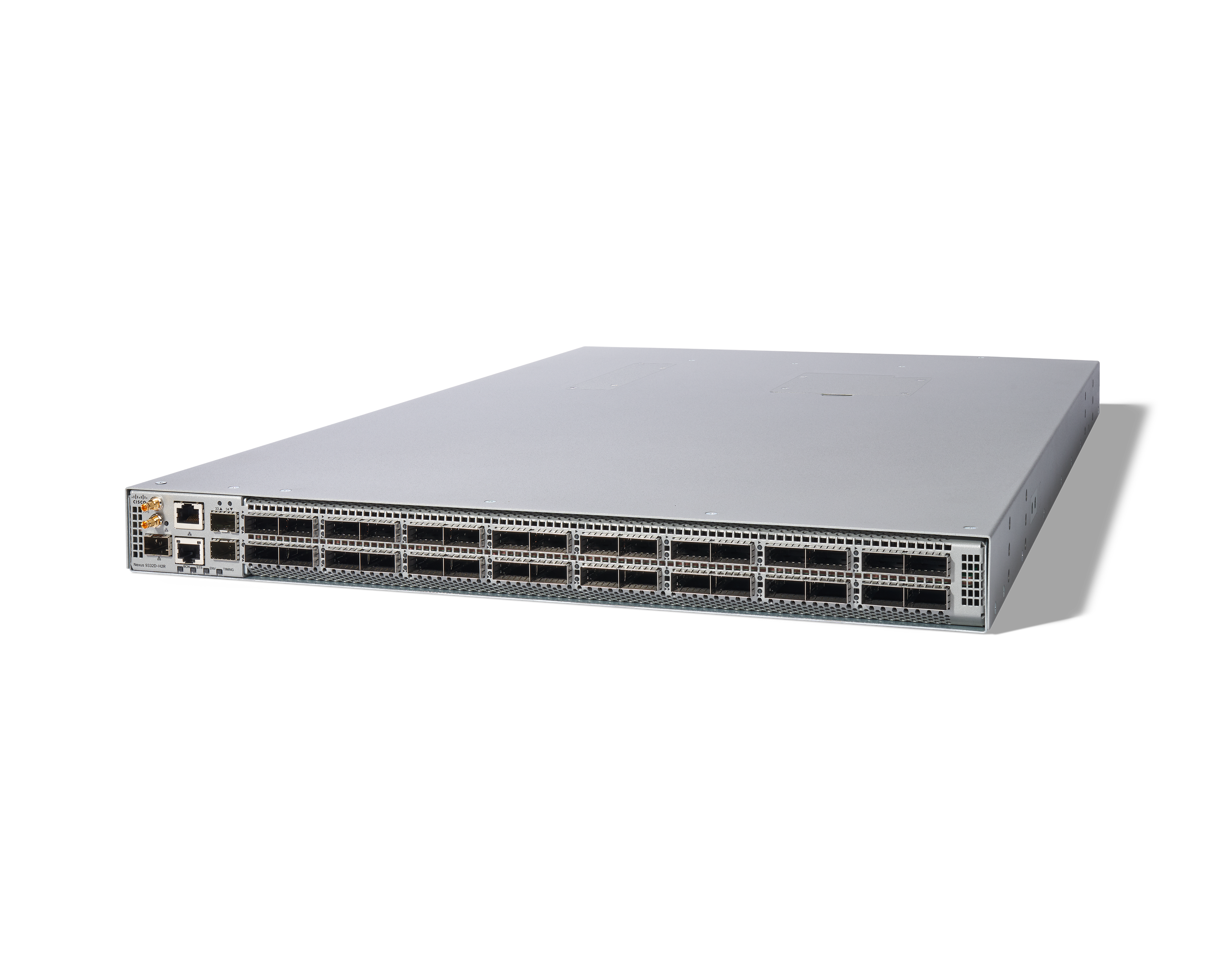
Screenshot of N9K-C9332D-H2R Nexus Switch

1 / 3

Screenshot of Cisco Nexus 9000 Series Family

Pros

  • Robust performance and operational stability with consistent uptime
  • High-speed networking and substantial bandwidth capacity (up to 400Gbps)
  • Effective redundancy features like Virtual Port Channels (VPC) for continuous availability

Cons

  • Desire for continued hardware evolution and more diverse port density (e.g., 40G)
  • Command-line interface can be complex; desire for more robust graphical user interfaces
  • Interoperability challenges when integrating with non-Cisco switches and Cisco Catalyst Center

Cisco Nexus 9000 Series Switches Review

Use Cases and Deployment Scope

Data center networking

Pros

  • L3 features
  • Routing
  • Licensing

Cons

  • Need perpetual licensing

Return on Investment

  • Cost is high
  • Support is great

Usability

Cisco Nexus 9000 Series Switches review

Use Cases and Deployment Scope

We use them to connect all of all floors to the core. It connects all of our users to allow them access.

Pros

  • It is easy to setup and configure
  • It is easy to use ISE on

Cons

  • I don't have any suggestions

Return on Investment

  • They gave us great performance for our users

Usability

Alternatives Considered

HPE Networking Switches

Other Software Used

Cisco Identity Services Engine (ISE), Cisco Wireless LAN Controllers

Cisco Nexus 9000 Series Switch Review

Use Cases and Deployment Scope

I use a Cisco Nexus 9000 Series Switch as my core switch.

Pros

  • Speed
  • Easy config
  • Continues working

Cons

  • Does not support Stackwise cabling for a true stack, only the virtual stack.

Return on Investment

  • Normal pricing

Usability

Alternatives Considered

Cisco Wireless LAN Controllers

High-quality equipments for complex datacenters

Use Cases and Deployment Scope

We have several data centers in extended L2.
These data centers relied on an aging and no longer supported concurrent infrastructure.
The previous infrastructure had weaknesses, particularly due to the spanning tree, which was extended by data center.
We were looking for newer replacement equipment that would solve the spanning tree problem.Cisco's Nexus 9000 series enabled us to do just that.

Pros

  • VXLAN BGP EVPN
  • Anycast Gateway
  • 40/100G Uplink
  • API Support
  • Fabric support

Cons

  • PoE feature for P-models
  • VRF pending deletion
  • VRF profile mode limitations

Return on Investment

  • Less Spanning tree
  • Better resilience
  • More flexibility for updates
  • VPC support

Usability

Alternatives Considered

Huawei CloudEngine Data Center Switches

Other Software Used

Cisco Nexus Dashboard Fabric Controller, Cisco Catalyst 9800 Series Wireless Controllers
Cisco Nexus 9000 Series Switches

Use Cases and Deployment Scope

Nexus 9000 Series Switches are primarily used to transport large flows of data quickly while minimizing errors. This is best used in our environment between data centers, cloud, and other applications that perform backups or transfer databases between applications. Nexus switches also have great built in redundant technologies to have minimal downtown.

Pros

  • Ability to configure two switches as one logical unit
  • High port throughput
  • Minimal Hardware Failure

Cons

  • Nexus 9000 could have smaller model for a lower pricepoint
  • Nexus 9000 Features could all be turned on
  • IKE security keys could automatically refresh on their own

Return on Investment

  • Secure of workflow data
  • Fast data transfers
  • Reliable elephant flow transfers

Usability

Alternatives Considered

Netskope CASB

Other Software Used

Horizon, Malwarebytes, VMware vSphere