
PractiTest vs. SpiraTest
PractiTest vs. SpiraTest
| Product | Rating | Most Used By | Product Summary | Starting Price |
|---|---|---|---|---|
 PractiTest | N/A | PractiTest is presented as a cloud-based test management tool that provides its customers with an end-to-end system to meet testing and QA needs. It is described by the vendor as flexible but methodological, enabling organizations to ensure visibility and communication at all levels. The solution aims to help users and project development teams streamline and manage their testing processes, while providing management with a clear and simple view of their project status at all times. | $39 user | |
 SpiraTest | Mid-Size Companies (51-1,000 employees) | SpiraTest allows customers to manage their software testing and quality assurance activities. It provides requirements management, test management and bug-tracking functionality with integrated reporting. | $43.66 per month per concurrent user |
| PractiTest | SpiraTest | |||||||||||||||
|---|---|---|---|---|---|---|---|---|---|---|---|---|---|---|---|---|
| Editions & Modules |
|
| ||||||||||||||
| Offerings |
| |||||||||||||||
| Entry-level Setup Fee | Optional | No setup fee | ||||||||||||||
| Additional Details | — | Discount available for annual billing on Cloud solution. 3 concurrent user minimum. Volume concurrent user discount available. | ||||||||||||||
| More Pricing Information | ||||||||||||||||
| PractiTest | SpiraTest |
|---|
| PractiTest | SpiraTest | ||||||||||||||||||
|---|---|---|---|---|---|---|---|---|---|---|---|---|---|---|---|---|---|---|---|
| Test Management |
|
| PractiTest | SpiraTest | |
|---|---|---|
| Small Businesses |  BrowserStack Score 8.6 out of 10 | BrowserStack Score 8.6 out of 10 |
| Medium-sized Companies |  OpenText ALM/Quality Center Score 8.0 out of 10 | OpenText ALM/Quality Center Score 8.0 out of 10 |
| Enterprises | OpenText ALM/Quality Center Score 8.0 out of 10 | OpenText ALM/Quality Center Score 8.0 out of 10 |
| All Alternatives | View all alternatives | View all alternatives |
| PractiTest | SpiraTest | |
|---|---|---|
| Likelihood to Recommend | 8.7 (0 ratings) | 8.0 (0 ratings) |
| Support Rating | 10.0 (0 ratings) | 9.0 (0 ratings) |
| PractiTest | SpiraTest | |
|---|---|---|
| Likelihood to Recommend | 
 DHIRAJ PATEL Trainee - Software Engineer | 
|
| Pros |
|
|
| Cons |
 Michael Walkowski Senior Business Consultant |
|
| Support Rating |
Michael Walkowski Senior Business Consultant |
|
| Alternatives Considered |
Michael Walkowski Senior Business Consultant |
 Dave Furlani Senior Consultant - Test Manager / Project Manager |
| Return on Investment |
|
|
| ScreenShots | PractiTest Screenshots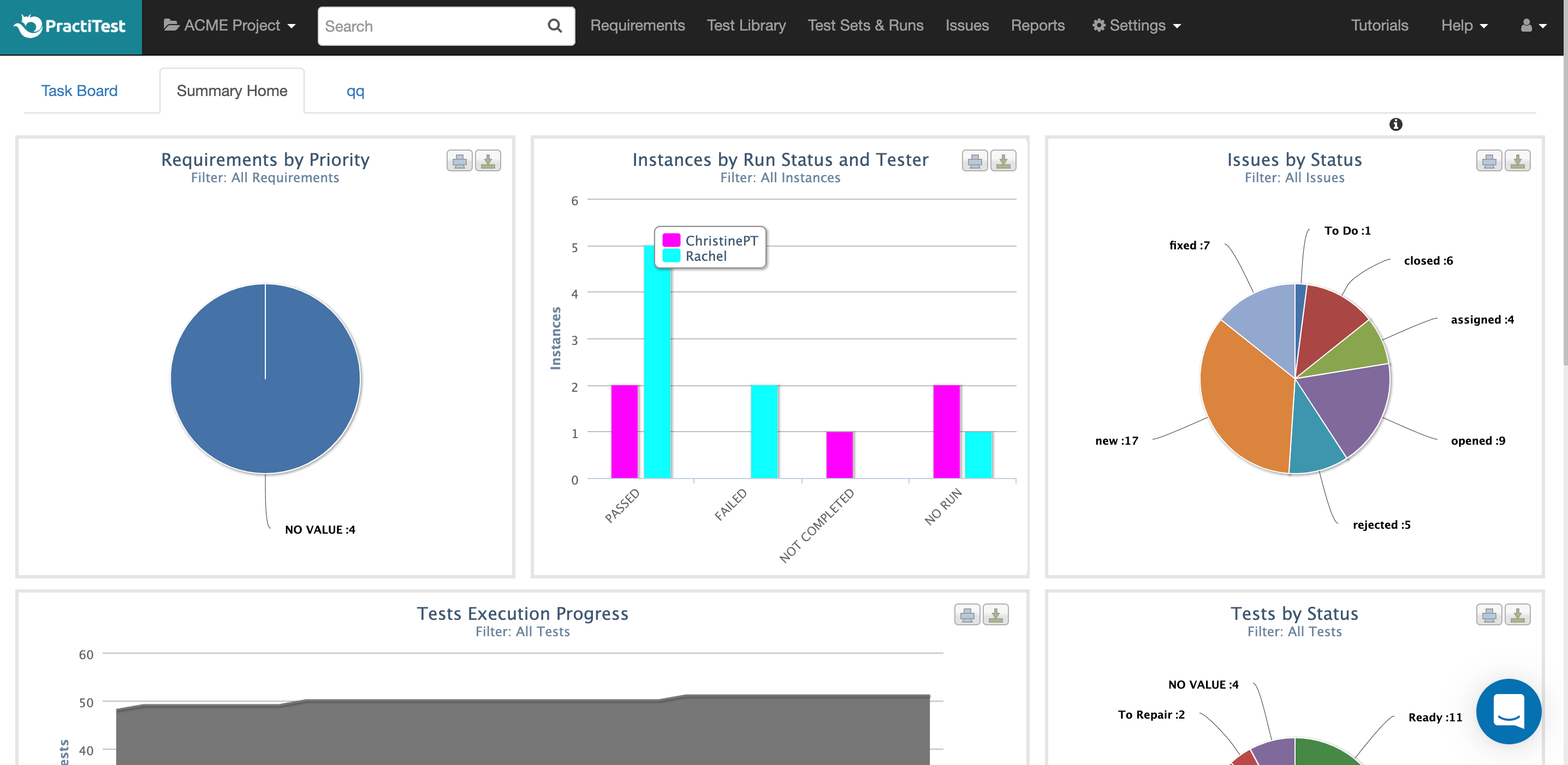    | SpiraTest Screenshots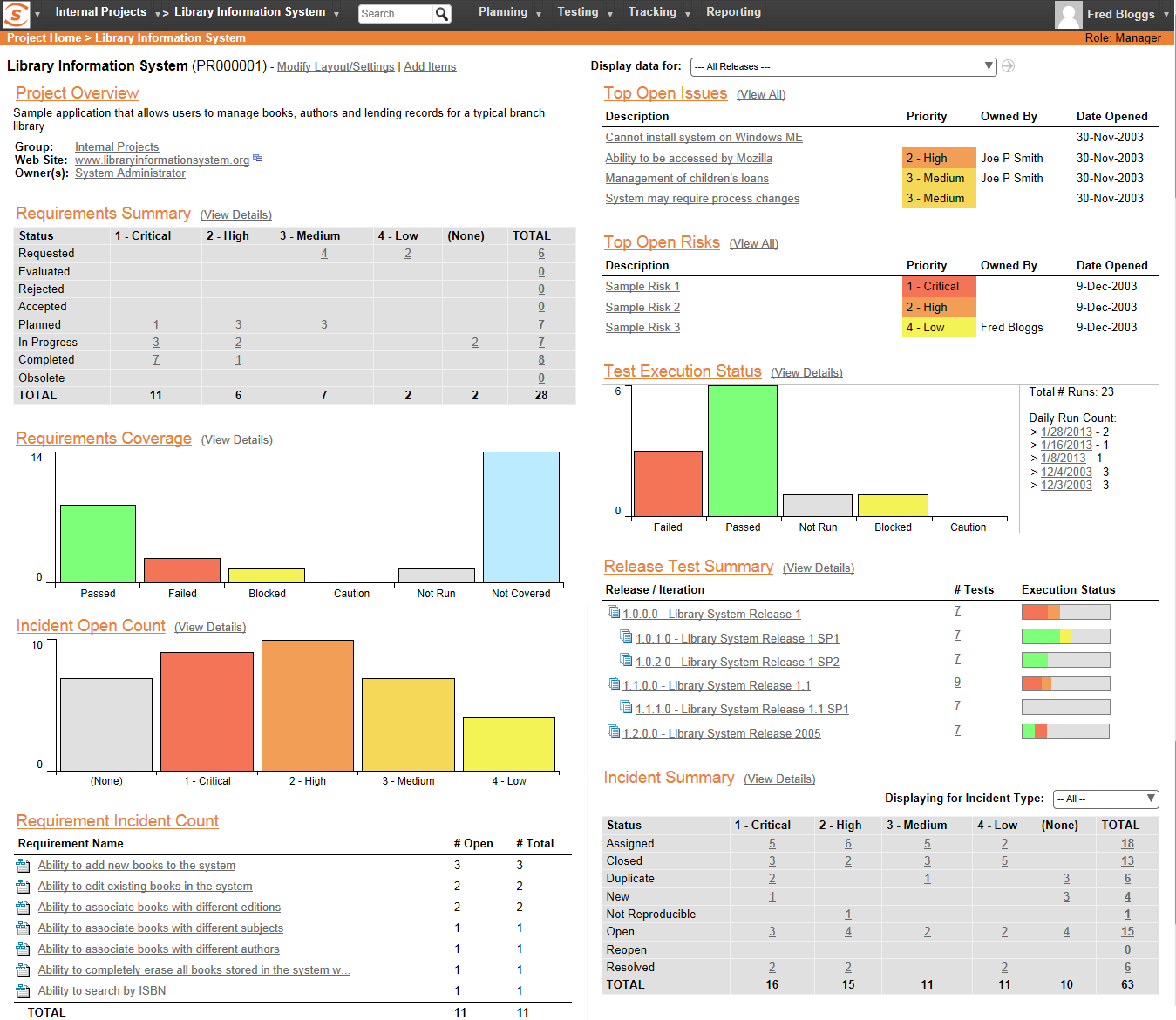    |