
Jellyfish vs. Zenhub
| Product | Rating | Most Used By | Product Summary | Starting Price |
|---|---|---|---|---|
 Jellyfish | Score8.4 out of 10 | N/A | Jellyfish is an Engineering Management Platform that enables engineering leaders to align engineering work with strategic business objectives. By analyzing engineering signals and contextual business data, Jellyfish provides complete visibility into engineering organizations, the work they do, and how they operate. Jellyfish Co, headquartered in Boston, states companies like SessionM (A Mastercard Company), Medium, and Toast use Jellyfish to optimize the allocation of engineering resources to… | N/A |
 Zenhub | Score8 out of 10 | N/A | ZenHub is a project management solution that runs native within GitHub with collaboration boards, file sharing, and pipeline selection. | $8.33 per month per user |
| Jellyfish | Zenhub | |||||||||||||||
|---|---|---|---|---|---|---|---|---|---|---|---|---|---|---|---|---|
| Editions & Modules | No answers on this topic |
| ||||||||||||||
| Offerings |
| |||||||||||||||
| Entry-level Setup Fee | No setup fee | No setup fee | ||||||||||||||
| Additional Details | — | The listed prices are per user, per month when billed annually. | ||||||||||||||
| More Pricing Information | ||||||||||||||||
| Jellyfish | Zenhub | |
|---|---|---|
| Considered Both Products | No answer on this topic | No answer on this topic |
| Key User Insights | ||
| Would buy again | ||
No answers on this topic | 100% Would buy again 5 Answers | |
| Delivers good value for the price | ||
No answers on this topic | 100% Delivers good value for the price 5 Answers | |
| Happy with the feature set | ||
No answers on this topic | 100% Happy with the feature set 5 Answers | |
| Lived up to sales and marketing promises | ||
No answers on this topic | No answers on this topic | |
| Implementation went as expected | ||
No answers on this topic | 100% Implementation went as expected 5 Answers | |
| Jellyfish | Zenhub | |||||||||||||||||||||||||||||||||||||||||||
|---|---|---|---|---|---|---|---|---|---|---|---|---|---|---|---|---|---|---|---|---|---|---|---|---|---|---|---|---|---|---|---|---|---|---|---|---|---|---|---|---|---|---|---|---|
| Project Management |
| |||||||||||||||||||||||||||||||||||||||||||
| Professional Services Automation |
| |||||||||||||||||||||||||||||||||||||||||||
| Jellyfish | Zenhub | |
|---|---|---|
| Likelihood to Recommend | 8.3 | 8.0 |
| Usability | - | 7.0 |
| Support Rating | - | 8.3 |
| Jellyfish | Zenhub | |
|---|---|---|
| Likelihood to Recommend | No answers on this topic |
|
| Pros | No answers on this topic |
|
| Cons | No answers on this topic |
|
| Usability | No answers on this topic |
|
| Support Rating | No answers on this topic |
|
| Alternatives Considered | No answers on this topic |
|
| Return on Investment | No answers on this topic | No answers on this topic |
| ScreenShots | Zenhub Screenshots   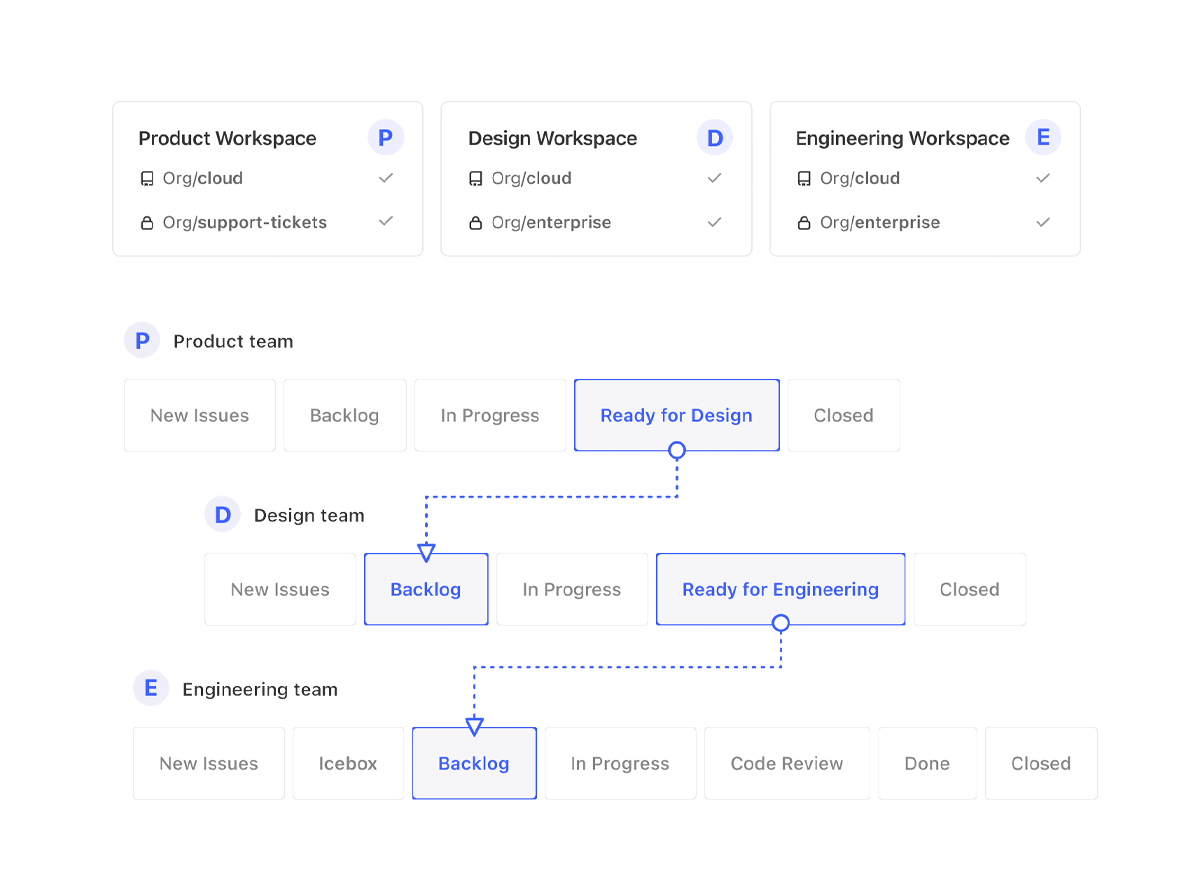   |



