Eclipse is a free and open source integrated development environment (IDE).
N/A
OneAdvanced Legal
Score8.8 out of 10
N/A
ALB is a comprehensive UK Legal Practice Case Management solution that integrates all law firm processes into one system, including legal accounting, document management, time recording and client / matter management. The vendor states that their system is used by 700+ UK legal firms, and 68 per cent of them reported that ALB helps their fee earners save time every single day. They further state their customers gain real benefits in improved efficiencies, better management, consistent customer…
I think that if someone asked me for an IDE for Java programming, I would definitely recommend Eclipse as is one of the most complete solutions for this language out there. If the main programming language of that person is not Java, I don't think Eclipse would suit his needs[.]
A de minimis incentive was given to thank the reviewer for their time. The incentive was not used to bias or drive a particular response, nor was the incentive contingent on a positive endorsement. More Info
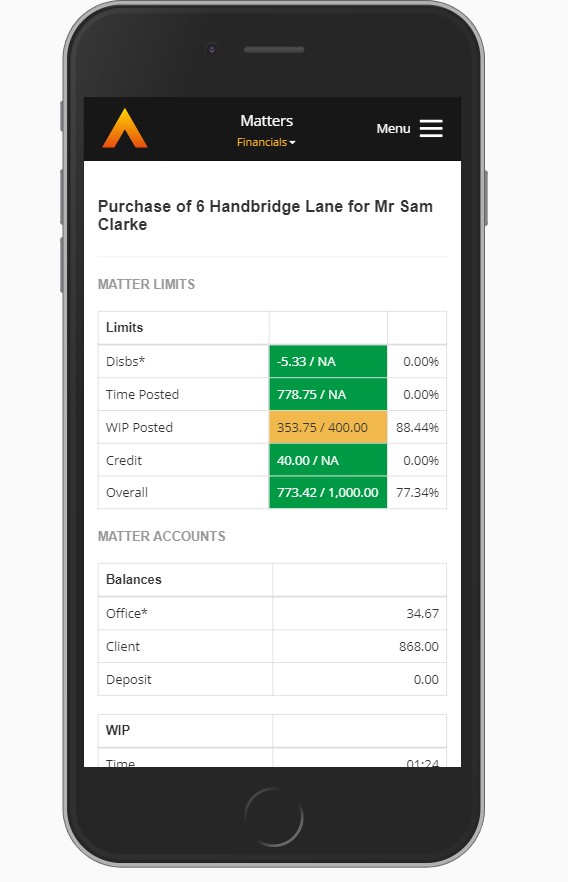
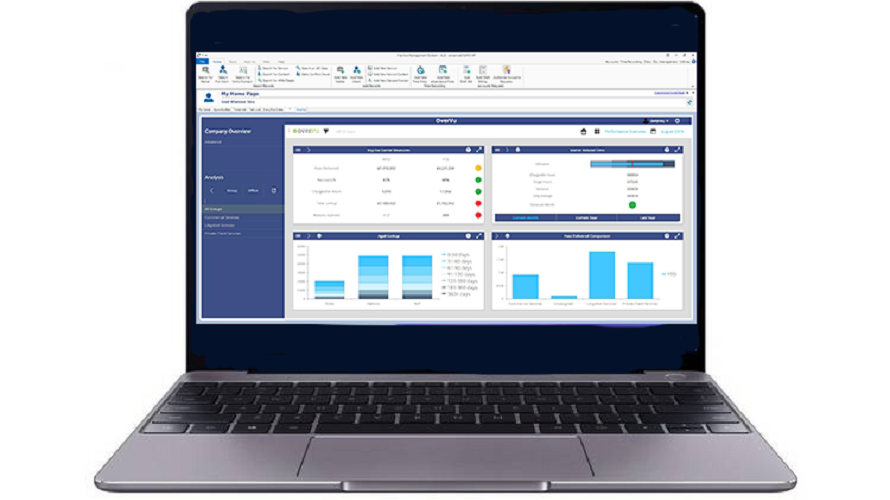
It has all you need built in right out of the box with all the core features you'd expect; Client Matter Inception process, Time Recording, Diary, Customisable Workflow modules, Billing, etc. Then there's all the extra modules which other products don't necessarily have; Wills and Deeds databases, Purchase Ledger (Accounts and Cashiers love everything to do with the accounts side), Laserform Integration, pdfDocs integration, OverVu integration for easy reporting.
Inevitably there will be compromises as with any piece of software. Especially one that covers off so many angles. The development tools could be stronger, the way addresses are handled seems to me to be overly complex. Having said that though, the software's primary purpose is to help Fee Earners and support staff provide services to clients and it does this admirably. You can't expect Visual Studio. I've seen users make a mess of the simplest of address databases with strong training provided so it might not be to my taste but I imagine they didn't develop it for fun.
My biggest gripe with the software is that some errors look severe. Other software would trap them in a more gentle manner. However, users quickly adjust to this and Advanced do some very clear monitoring to reduce them as the product mores forward.
A de minimis incentive was given to thank the reviewer for their time. The incentive was not used to bias or drive a particular response, nor was the incentive contingent on a positive endorsement. More Info
A de minimis incentive was given to thank the reviewer for their time. The incentive was not used to bias or drive a particular response, nor was the incentive contingent on a positive endorsement. More Info
While the DB integration is broad (many connectors) it isn't particularly deep. So if you need to do serious DB work on (for example) SQL Server, it is sometimes necessary to go directly to the SQL Server Studio. But for general access and manipulation, it is ok.
The syntax formatting is sometimes painful to set up and doesn't always support things well. For example, it doesn't effectively support SCSS.
Using it for remote debugging in a VM works pretty well, but it is difficult to set up and there is no documentation I could find to really explain how to do it. When remote debugging, the editor does not necessarily integrate the remote context. So, for example, things like Pylint don't always find the libraries in the VM and display spurious errors.
The debugging console is not the default, and my choice is never remembered, so every time I restart my program, it's a dialog and several clicks to get it back. The debugging console has the same contextual problems with remote debugging that the editor does.
A de minimis incentive was given to thank the reviewer for their time. The incentive was not used to bias or drive a particular response, nor was the incentive contingent on a positive endorsement. More Info
At times the dashboard and User Experience and User Interface do not follow a logical pathway. It can be confusing at times, but not extremely detrimental.
The client portal has also experienced some issues with the User interface and user experience functions as well.
A de minimis incentive was given to thank the reviewer for their time. The incentive was not used to bias or drive a particular response, nor was the incentive contingent on a positive endorsement. More Info
I love this product, what makes it one of the best tool out in the market is its ability to function with a wide range of languages. The online community support is superb, so you are never stuck on an issue. The customization is endless, you can keep adding plugins or jars for more functionalities as per your requirements. It's Free !!!
A de minimis incentive was given to thank the reviewer for their time. The incentive was not used to bias or drive a particular response, nor was the incentive contingent on a positive endorsement. More Info
It has everything that the developer needs to do the job. Few things that I have used in my day-to-day development 1. Console output. 2. Software flash functionality supporting multiple JTAG vendors like J-LINK. 3. Debugging capabilities like having a breakpoint, looking at the assembly, looking at the memory etc. this also applies to Embedded boards. 4. Plug-in like CMake, Doxygen and PlantUML are available.
A de minimis incentive was given to thank the reviewer for their time. The incentive was not used to bias or drive a particular response, nor was the incentive contingent on a positive endorsement. More Info
The usability is slightly above average. The all-in-one approach has been great and useful, but some of the functionality and user experience and user interface issues can affect usability. Some might be nitpicky, but not following logical pathways or ones that may pose issues for those that have disabilities can really create issues.
A de minimis incentive was given to thank the reviewer for their time. The incentive was not used to bias or drive a particular response, nor was the incentive contingent on a positive endorsement. More Info
I gave this rating because Eclipse is an open-source free IDE therefore no support system is available as far as I know. I have to go through other sources to solve my problem which is very tough and annoying. So if you are using Eclipse then you are on your own, as a student, it is not a big issue for me but for developers it is a need.
The support, if we are talking about technical support with the product itself when issues arise, is average. It's not terrible, but not great either. It is average and what you might expect. Some issues are delayed in getting responses and we constantly have to be upgrading to higher tiers or developers. Some responses are quick though. Response time could be improved, much like other organizations.
A de minimis incentive was given to thank the reviewer for their time. The incentive was not used to bias or drive a particular response, nor was the incentive contingent on a positive endorsement. More Info
The installation, adaptability, and ease of usage for Eclipse are pretty high and simple compared to some of the other products. Also, the fact that it is almost a plug and play once the connections are established and once a new user gets the hang of the system comes pretty handy.
A de minimis incentive was given to thank the reviewer for their time. The incentive was not used to bias or drive a particular response, nor was the incentive contingent on a positive endorsement. More Info
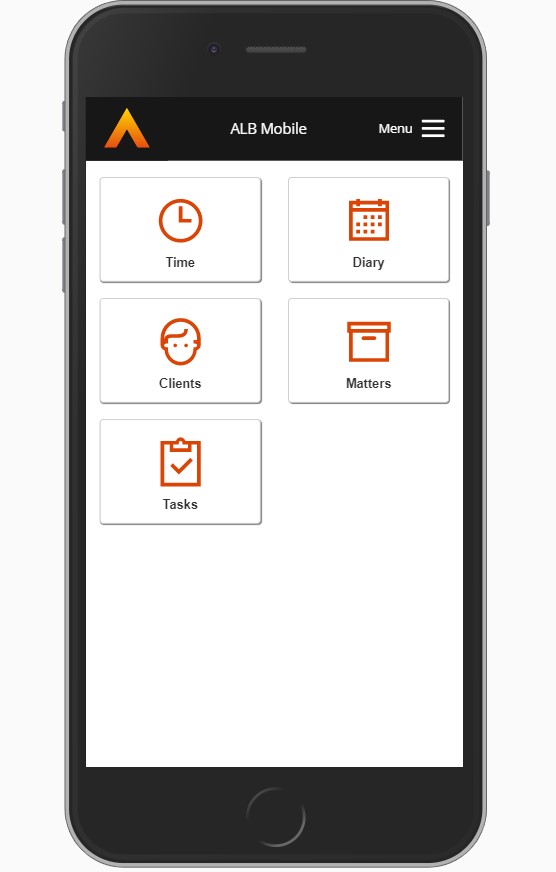
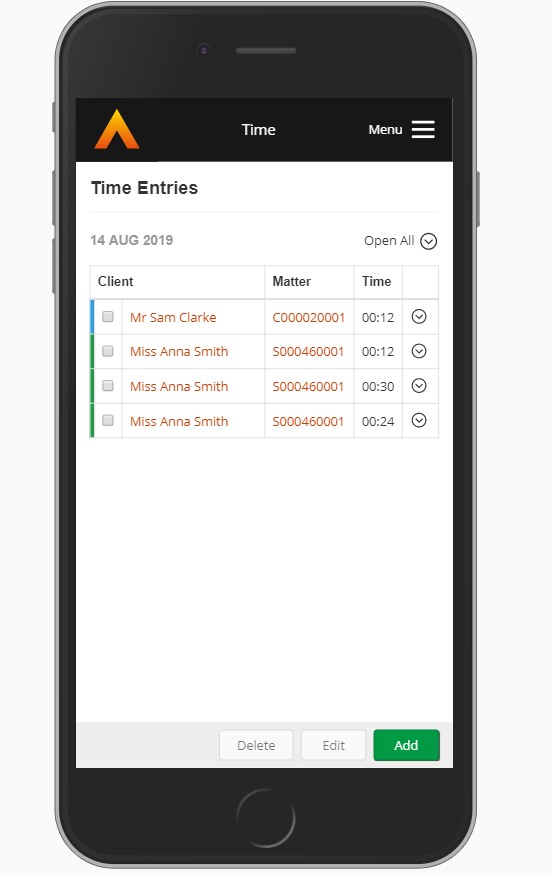
ALB Legal Software is a more efficient product than MyCase and PracticePanther mostly for the integration it allows and the "all in one" approach that it takes. It takes several different areas and functions of legal practice and puts in one platform eliminating the need to leverage 2-3 platforms sometimes i.e. timekeeping, document management, mobile access, client portal, etc. Keeping it under one roof helps.
A de minimis incentive was given to thank the reviewer for their time. The incentive was not used to bias or drive a particular response, nor was the incentive contingent on a positive endorsement. More Info
This development environment offers the possibility of improving the productivity time of work teams by supporting the integration of large architectures.
It drives constant change and evolution in work teams thanks to its constant versioning.
It works well enough to develop continuous server client integrations, based on solid or any other programming principle.
A de minimis incentive was given to thank the reviewer for their time. The incentive was not used to bias or drive a particular response, nor was the incentive contingent on a positive endorsement. More Info