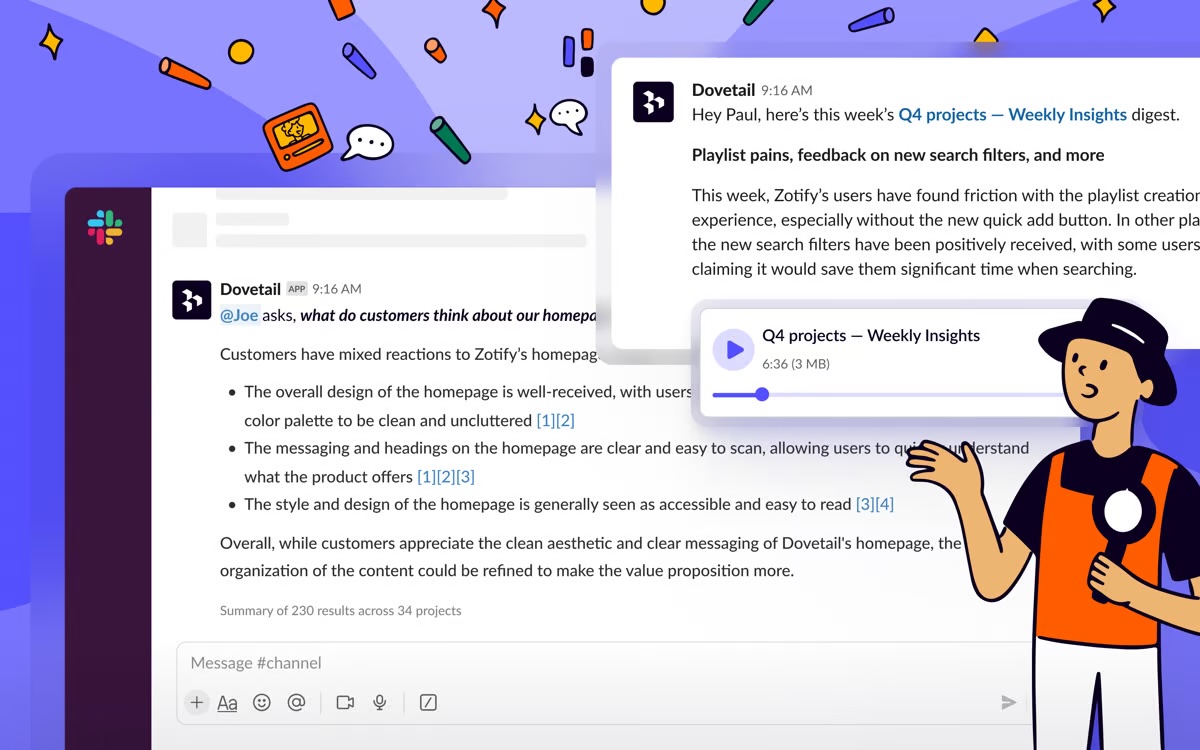
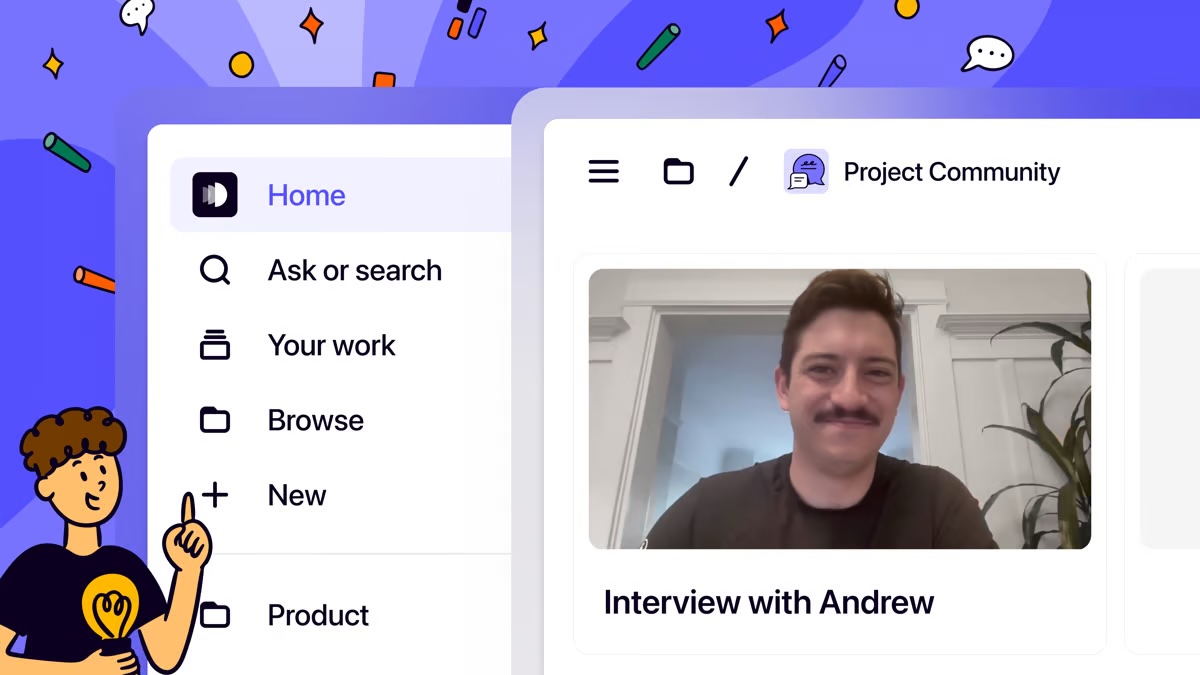
Dovetail, headquartered in Sydney, aims to enable the world to create better products and services through deep customer understanding. Dovetail states they empower 45,000+ people, from agencies to universities to Fortune 100 companies, to make sense of their customer research in one collaborative research platform.
$0
Roadmunk
Score 9.0 out of 10
N/A
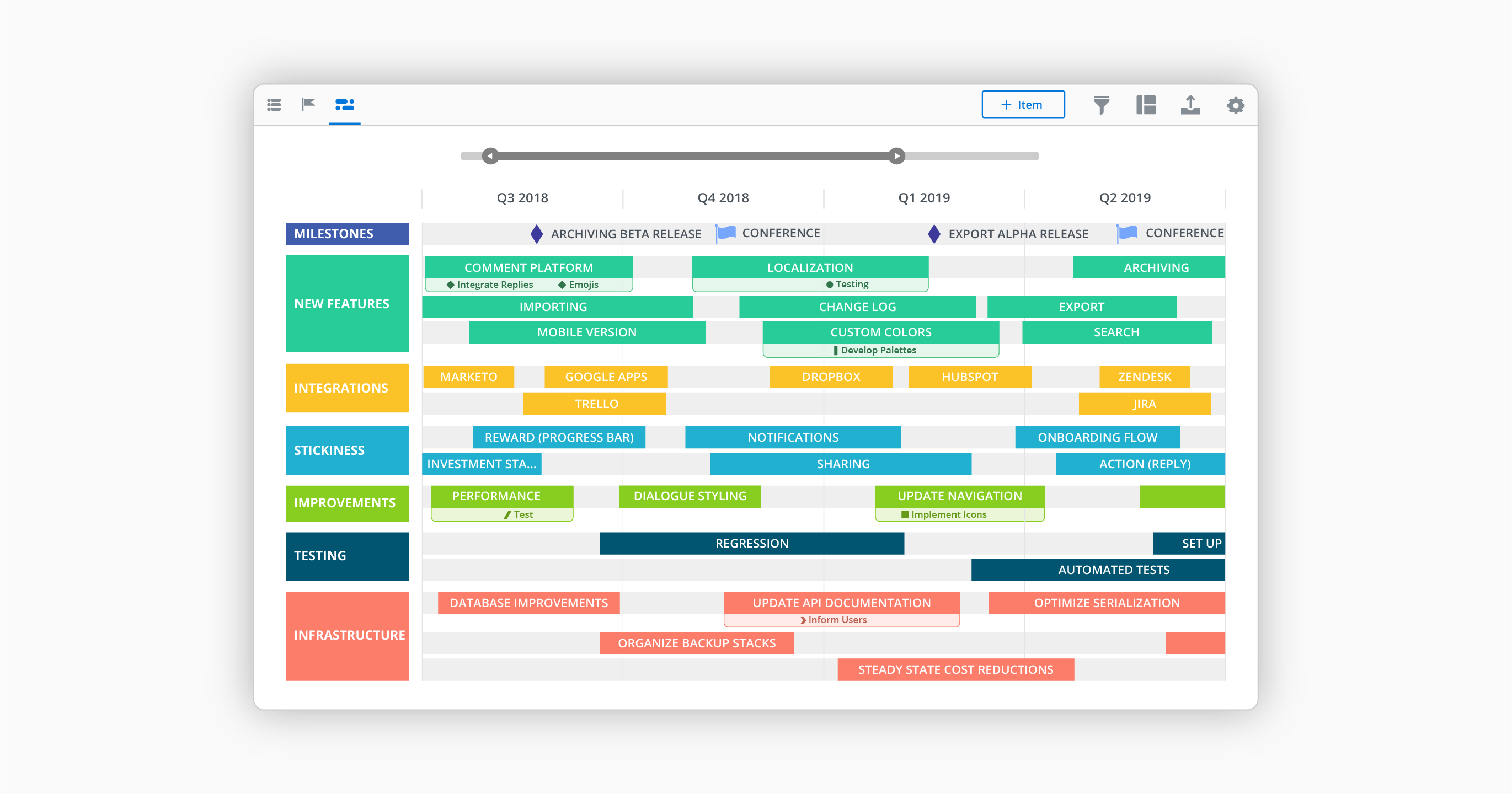
Roadmunk is a roadmap visualization platform that is designed to enable product managers and their teams to communicate the strategic roadmap throughout their organization. The vendor says product leaders can easily input milestones, roadmap data and create unlimited pivots in real time. The vendor says it has differentiated itself through intuitive user-centric design, seamless manipulation of roadmap views and enterprise data security. Since late 2021, Roadmunk is part of Tempo.
$19
per seat
Pricing
Dovetail
Roadmunk
Editions & Modules
Free
$0
Professional
$15
per month
Enterprise
Contact Sales
per year
Starter
$19
per seat
Business
$49
per seat
Professional
$99
per seat
Enterprise
Custom
per seat
Offerings
Pricing Offerings
Dovetail
Roadmunk
Free Trial
Yes
Yes
Free/Freemium Version
Yes
No
Premium Consulting/Integration Services
No
No
Entry-level Setup Fee
Optional
No setup fee
Additional Details
Discount available for annual billing on the Professional plan.
Ready to roadmap? All our plans start with a free 14-day trial.
See 1st question answer for my use case, I went into depth there for the specific use cases we have. For less appropriate (touched on this earlier) the final report is not great in dovetail. The formatting options are not great and does not look professional because of the lack of customization and layouts. For my customer we wouldn't be able to present that data as it's constructed. So we have to copy and paste all the quotes and insights to a word doc. That's ok but then it means if we want to use Dovetail as a repository of data we have to then re-import a pdf of the report into the project page.
Roadmunk allows us to configure and share customized views of our roadmaps. As a platform, it has demonstrated progress in its scalability and performance, which has accommodated the growth our team has seen over the last two-plus years. Particular strengths include configurability and customization, along with options for views, exports, and sharing with internal and external audiences.
The tagging, linking, and repository features make it simple to maintain a living library of knowledge, ensuring past work is never lost.
Dovetail enables our researchers and non-research partners to engage more directly with findings, fostering a stronger culture of evidence-based decision-making.
Dovetail makes it simple to track engagement metrics with research insights proving overall ROI.
Collaboration – Roadmunk makes it very easy to work and edit within a team structure.
User Experience – The usability of the product made it quite easy for the entirety of the team to hit the ground running (i.e. very little training was required).
Rollups – Each product line and therefore each product owner could easily focus on their particular roadmap without having to sort through the master roadmap making it highly efficient, while at the same time making it quite easy to pull all updates into one high-level document.
Because we are really happy with the tool and it’s capabilities at the moment. The price increase is the main issue we can have but the features are getting better and better. It really saves a lot of time for our team and allow us to collaborate more efficiently with certain stakeholders that often did not réalise how much research we conduct. Now they can just have a look to it by themself!
One of Dovetail’s key strengths is that it’s very easy to get started with — even for people without a research background. Uploading a transcript, tagging highlights, and generating a quick summary is intuitive and low-effort, which helped drive organic adoption at Dext. However, mastering the more advanced features — like taxonomy management, insight reporting, or strategic tagging structures — does require more time and guidance. The learning curve becomes steeper as you try to scale insight operations or enforce consistency across teams.
Performance has improved meaningfully over the last 12 months or so, especially in our views that contain many roadmap items. Some challenges remain, however, particularly when changing the timeline and in scenarios of multiple users interacting with the roadmap simultaneously.
Regarding performance, I would say it’s satisfactory. Adding data and transcriptions is really fast and efficient, and can be done in the background, so I’m never hindered by these aspects. However, all the new AI-generated features are still somewhat slow to run. It’s nothing major, but it should improve in the future.
My customer success manager is very responsive and has always been able to answer my questions and resolve issues quickly. The collaboration is smooth, so I have no complaints in that regard.
The Roadmunk team has been great to work with...whether proactive communications about new features or the occasional outage, or when we reach out to them with feature requests, assistance/support, or even license management and renewals - they are top notch.
The training went very well, and we co-built it to really address our needs. I also think it was beneficial to have feedback coming from someone other than myself (since I manage the tool), as it helped reinforce the points I wanted to highlight. The team’s feedback on the training was very positive.
Dovetail is 10X better. So much easier and truly meant for having one centralized workspace. Everything from the highlights and tags and videos and column customization when editing makes it easy to call them the winner in this field. I wouldn't want to go back to my other tools I've used in the past due to the amount of time it takes and would choose Dovetail over Google Workspace, UserTesting, and Basecamp hands down
Roadmunk has an actual product management workflow design built into it vs trying to use eg generic e-post-it software like Trello. Trello is better at free-forming prioritization, which is actually much better than (again) the awkward item navigation in Roadmunk, but the other Roadmunk advantages post-prioritization win out in the end.
Management is quite straightforward; it’s easy to change access if certain stakeholders need to use it. The repository features are accessible to all teams, making it a good entry point into the tool. The more people use it, the more powerful the tool becomes, so it seems truly scalable to me. The limits are more financial, in terms of accessing additional features.
Researchers and designers now spend less time digging through scattered notes or redoing similar studies. Centralizing everything in Dovetail has significantly reduced the time needed to prepare synthesis reports, align stakeholders, or onboard new teammates into past research.
With Dovetail, user insights are no longer abstract or anecdotal—they're traceable, searchable, and backed by real quotes. Product teams feel more confident making roadmap decisions based on what users actually need, not assumptions.
Dovetail has encouraged more non-designers to engage with user feedback directly. This democratization of insights helps align everyone around real user problems, which ultimately leads to better product-market fit and faster iteration loops.
Roadmunk has reduced the number of meetings that product needs to attend with customers by 20-25%
Roadmunk has eliminated a whole set of churn in our workstream management tool (JIRA) by abstracting the planning step away from the steps where we monitor work progress