Comodo Advanced Endpoint Protection (AEP) vs. Microsoft Defender for Endpoint

Overview
ProductRatingMost Used ByProduct SummaryStarting Price
Comodo Advanced Endpoint Protection (AEP)
Score 8.3 out of 10
N/A
Comodo Cybersecurity headquartered in Clifton offers Comodo Advanced Endpoint Protection (AEP) provides malicious file quarantine, malware protection, antivirus, and other endpoint security features.
$4
Per Device Per Month
Microsoft Defender for Endpoint
Score 8.7 out of 10
N/A
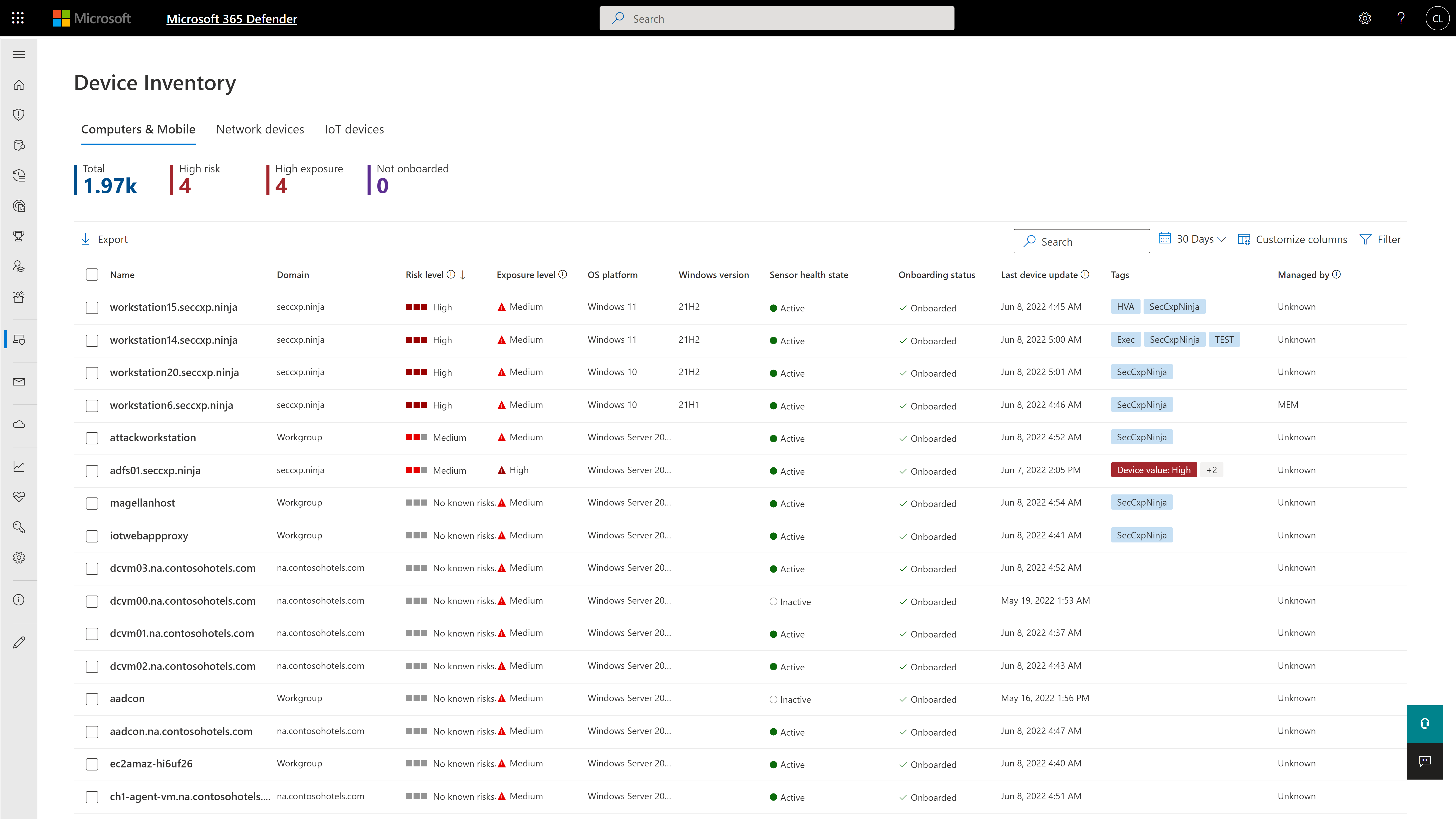
Microsoft Defender for Endpoint (formerly Microsoft Defender ATP) is a holistic, cloud delivered endpoint security solution that includes risk-based vulnerability management and assessment, attack surface reduction, behavioral based and cloud-powered next generation protection, endpoint detection and response (EDR), automatic investigation and remediation, managed hunting services, rich APIs, and unified security management.
$2.50
per user/per month
Pricing
Comodo Advanced Endpoint Protection (AEP)Microsoft Defender for Endpoint
Editions & Modules
Premium
$4.00
Per Device Per Month
Academic
$2.50
per user/per month
Standalone
$5.20
per user/per month
Offerings
Pricing Offerings
Comodo Advanced Endpoint Protection (AEP)Microsoft Defender for Endpoint
Free Trial
NoYes
Free/Freemium Version
NoNo
Premium Consulting/Integration Services
NoNo
Entry-level Setup FeeNo setup feeNo setup fee
Additional Details
More Pricing Information
Community Pulse
Comodo Advanced Endpoint Protection (AEP)Microsoft Defender for Endpoint
Features
Comodo Advanced Endpoint Protection (AEP)Microsoft Defender for Endpoint
Endpoint Security
Comparison of Endpoint Security features of Product A and Product B
Comodo Advanced Endpoint Protection (AEP)
8.1
Ratings
6% below category average
Microsoft Defender for Endpoint
8.3
Ratings
3% below category average
Anti-Exploit Technology8.00 Ratings7.70 Ratings
Endpoint Detection and Response (EDR)8.00 Ratings9.10 Ratings
Centralized Management9.00 Ratings8.90 Ratings
Hybrid Deployment Support8.00 Ratings7.10 Ratings
Infection Remediation8.00 Ratings9.30 Ratings
Vulnerability Management8.00 Ratings7.40 Ratings
Malware Detection8.00 Ratings8.80 Ratings
Best Alternatives
Comodo Advanced Endpoint Protection (AEP)Microsoft Defender for Endpoint
Small Businesses
ThreatLocker
ThreatLocker
Score 9.5 out of 10
ThreatLocker
ThreatLocker
Score 9.5 out of 10
Medium-sized Companies
BlackBerry Protect (CylancePROTECT)
Score 9.1 out of 10
BlackBerry Protect (CylancePROTECT)
Score 9.1 out of 10
Enterprises
BeyondTrust Endpoint Privilege Management
Score 9.8 out of 10
BeyondTrust Endpoint Privilege Management
Score 9.8 out of 10
All AlternativesView all alternativesView all alternatives
User Ratings
Comodo Advanced Endpoint Protection (AEP)Microsoft Defender for Endpoint
Likelihood to Recommend
8.0
(0 ratings)
8.4
(0 ratings)
Likelihood to Renew
-
(0 ratings)
8.4
(0 ratings)
Support Rating
-
(0 ratings)
9.0
(0 ratings)
User Testimonials
Comodo Advanced Endpoint Protection (AEP)Microsoft Defender for Endpoint
Likelihood to Recommend
Overall great product. I am confident that the product is doing the job we expect. There are times of trouble, but more so when they update the clients or make major changes. It seems they do not do enough testing before pushing releases.
Read full review
Because of its integration with Windows, it is very easy to deploy and manage. Any IT department should be able to leverage the software and interface. The admin portal provides weighted recommendations that comprise the Secure Store, offering admins, security teams, and business owners valuable insights into their security footprint without requiring a strong security background. The software would be ideal for small and mid-sized businesses that cannot dedicate resources to security. Larger enterprises would also benefit, but may require the enhanced license.
Read full review
Pros
  • Mitigates exposure to unwanted files and malware.
  • Ease of Use and Management.
  • Administrator control unlike standard antivirus purchased in the consumer/small business market.
Read full review
  • One, it's crazy lightweight, so compared to some of the competitors that we also have used with our security services, it's really lightweight and so I don't have a lot of overhead on the system that it's running on.
  • It does really fantastic PowerShell integration.
Read full review
Cons
  • Stability, they could grow when it comes to updates to the client. There always seems to be complications.
  • Locking of systems. In the event of trouble, systems lock down so far that the administrator has to drive to the location where device is located, uninstall and reinstall.
Read full review
  • So the fact that Defender for Endpoint still works with signatures is actually, I don't know, a little difficult for us because, I mean, since Microsoft trusts those signatures, you can easily inject code. And we've done it many times. To show that you can inject code through vulnerabilities like CV 2013, 99, and 33 but still keep the signature. So because of the trust of those signatures, the malware just kind of slides into the environment without Defender knowing. That's the first part. The second part is that the behavioral analysis is not precisely its Prime. It's not Defender's best capability for endpoints. So, Defender does not identify all behaviors considered by other EDRs in the market.
Read full review
Likelihood to Renew
No answers on this topic
Microsoft Defender is closely catching -up in market with existing competitors they have added DLP endpoint & DLP Network and Cloud DLP solution last year with OCR capabilities. I would say Microsoft Defender is not legacy Vendor in end point security, the need to learn from other vendors in market and focus on new XDR technologies, which is going to be new battle for all vendors
Read full review
Usability
No answers on this topic
Because in terms of the usability is easy to understand, it's easy to manage, obviously you need to have specific skills to do that, but I would say that even the console and the product is walking through the flow that you are looking for on this console.
Read full review
Reliability and Availability
No answers on this topic
Microsoft Defender for Endpoint chugs along just fine no matter what we throw at it and what systems it's running on. It doesn't take up a lot of resources either, so that's welcomed.
Read full review
Performance
No answers on this topic
Microsoft Defender for Endpoint is easy on memory and resources on clients.
Read full review
Support Rating
No answers on this topic
Overall support is really good for this product. Since it's a Microsoft product, you will get good support from a number of different resources, including knowledgebase articles on the web, support from Microsoft technicians, and documentation (which tends to very thorough). Also, there is a vast user support community for this product, so user support forums would also be another valuable channel to get help if needed. I don't envision too many people will have issues/problems with the product, as it tends to run good overall.
Read full review
Implementation Rating
No answers on this topic
Deployment was handled by our team here and everything went pretty smoothly. We did have a few hiccups in our test group, but that only took a bit to get ironed out.
Read full review
Alternatives Considered
I was using a platform called Barkly which seemed to work well at the time. I ran a ransomware simulation against Barkly and it did not perform as well as anticipated. I began searching for another AV platform, found Comodo and decided to run the same ransomware test. Comodo [Advanced Endpoint Protection (AEP)] performed much better and was more effective at stopping the simulated ransomware.
Read full review
Microsoft Defender for Endpoint offers strong integration with Microsoft 365 and Azure services, which provide a unified security experience. While McAfee Trellix is known for solid antivirus, Microsoft Defender excels in integration in the ecosystem.
Read full review
Scalability
No answers on this topic
Microsoft Defender for Endpoint is easily scaled from small orgs to giant enterprises.
Read full review
Return on Investment
  • Increased [efficiency]
  • Can centrally manage the endpoints
  • Mitigation of threats/vulnerabilities to the endpoint
Read full review
  • Reduced incidents of security breaches lead to lower remediation costs and avoid potential financial losses and reputational damage.
  • Reduces the need for additional third-party security solutions and training, thereby lowering overall security management costs.
  • Increased efficiency and productivity of IT staff lead to better allocation of resources and cost savings.
  • Reduces the risk of fines and sanctions associated with non-compliance, ensuring business continuity and protecting revenue.
Read full review
ScreenShots

Microsoft Defender for Endpoint Screenshots
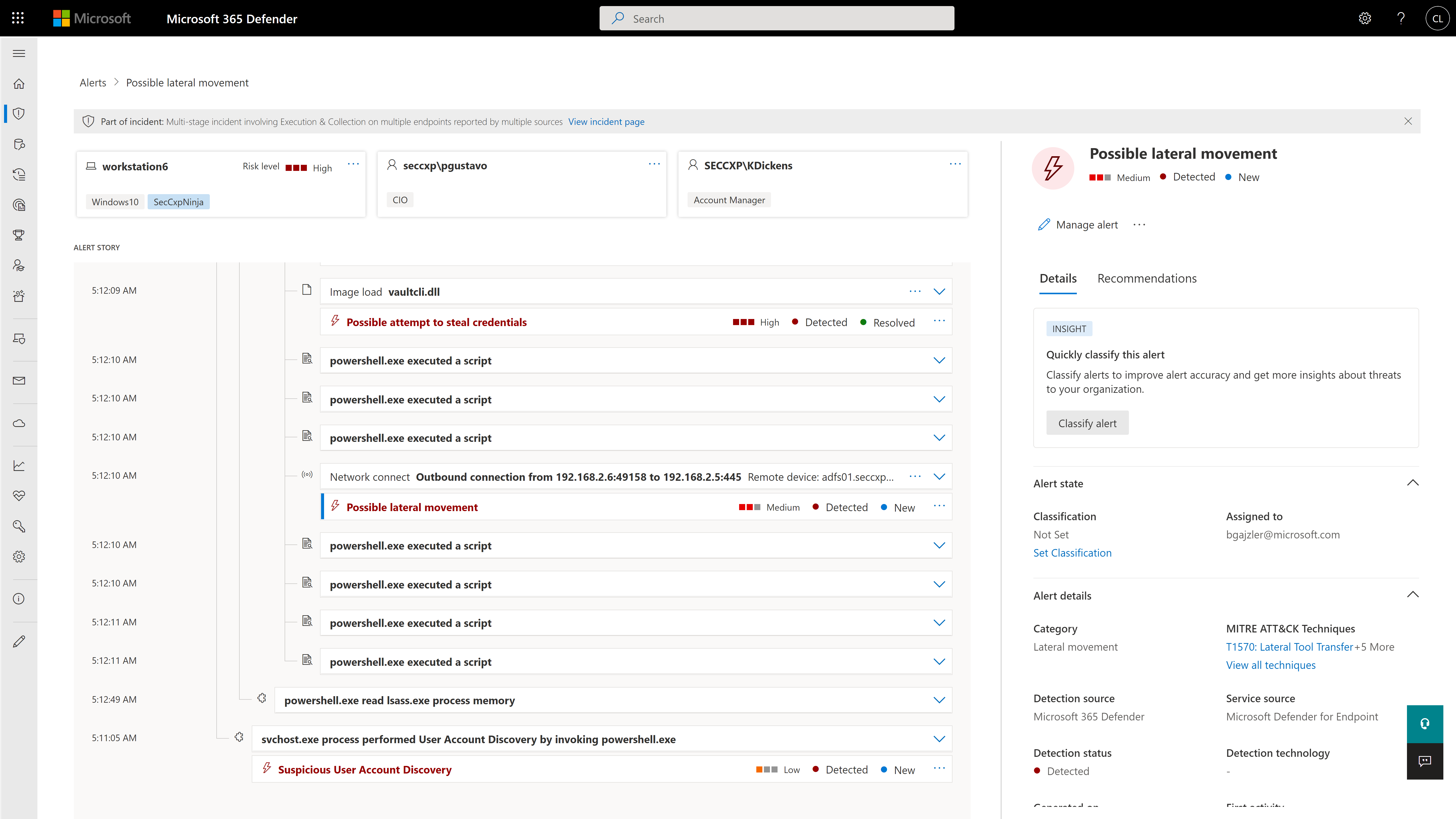
Screenshot of blocked activitiesScreenshot of Detects & respondsScreenshot of discovers vulnerabilityScreenshot of Eliminates blind spotsScreenshot of Risk management