Carbon Black App Control is an application control product, used to lock down servers and critical systems, prevent unwanted changes and ensure continuous compliance with regulatory mandates.
N/A
Microsoft Defender for Endpoint
Score 8.7 out of 10
N/A
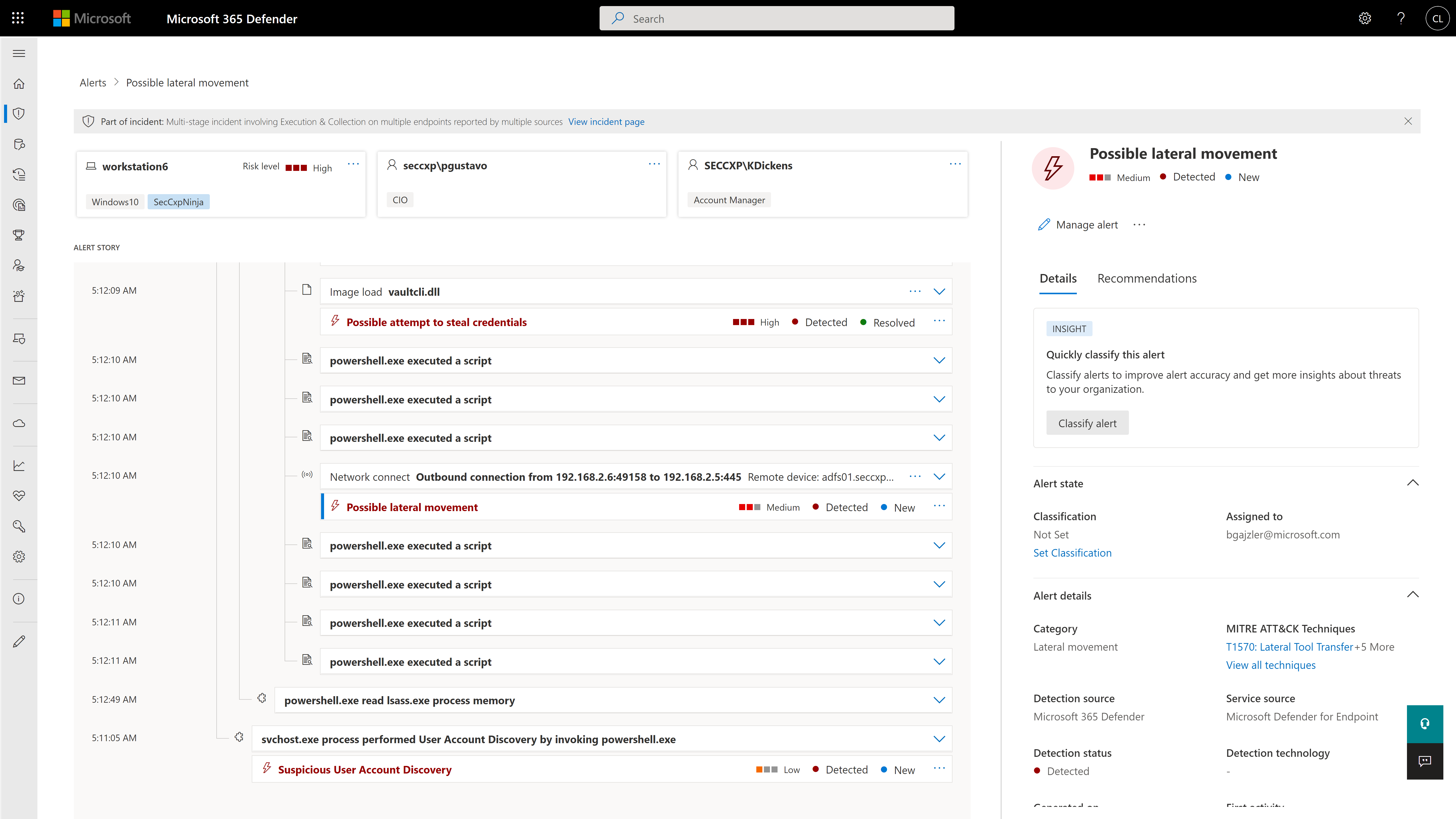
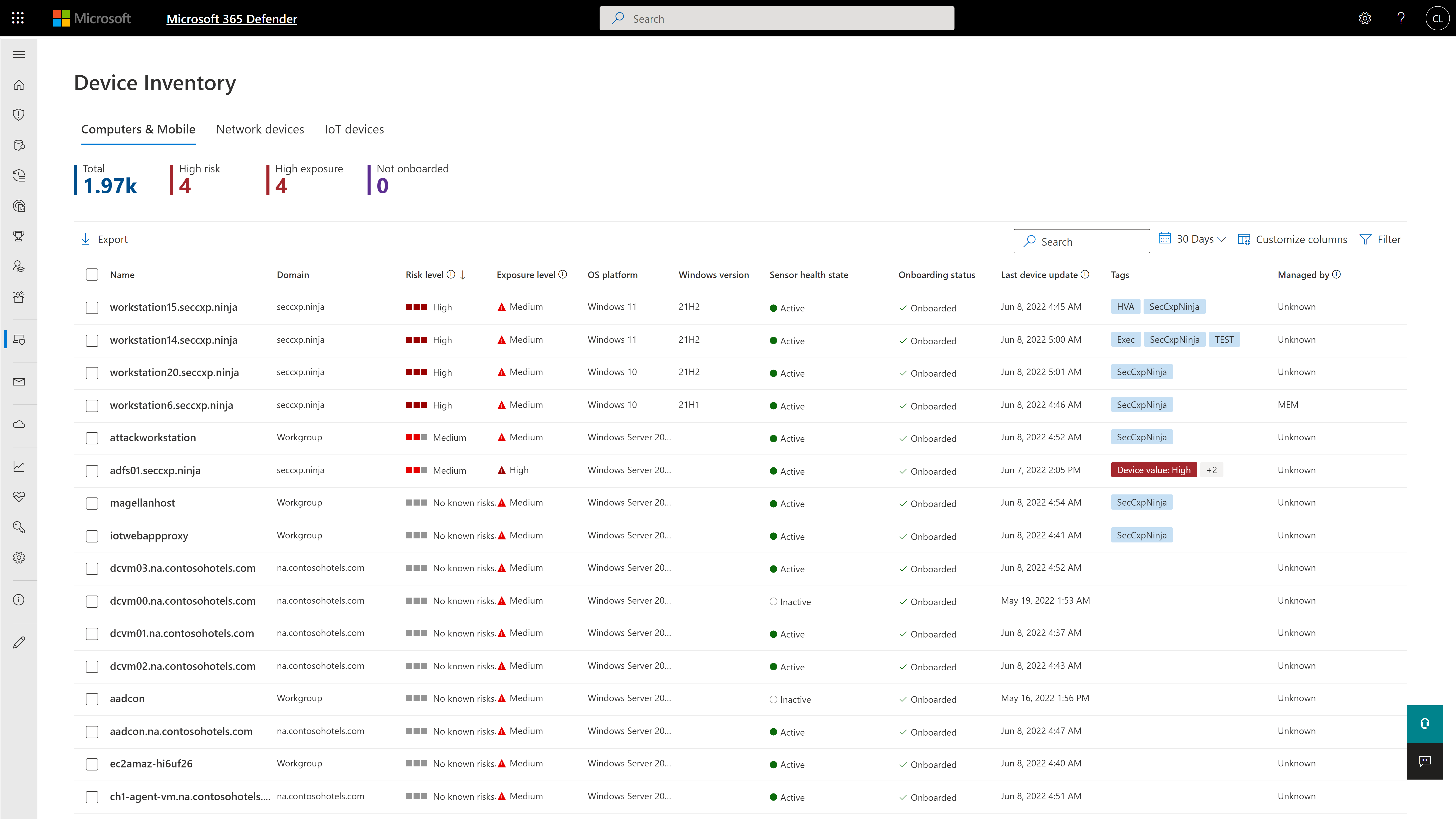
Microsoft Defender for Endpoint (formerly Microsoft Defender ATP) is a holistic, cloud delivered endpoint security solution that includes risk-based vulnerability management and assessment, attack surface reduction, behavioral based and cloud-powered next generation protection, endpoint detection and response (EDR), automatic investigation and remediation, managed hunting services, rich APIs, and unified security management.
It is more suited to lock down critical systems and servers to prevent unwanted changes, although you can use it on daily basis on laptops and desktops, it needs constant attention and events analysis. For some scenarios i.e. financial institutions it is a must-have solution, as App Control now is a requirement 5 of PCI DSS.
Because of its integration with Windows, it is very easy to deploy and manage. Any IT department should be able to leverage the software and interface. The admin portal provides weighted recommendations that comprise the Secure Store, offering admins, security teams, and business owners valuable insights into their security footprint without requiring a strong security background. The software would be ideal for small and mid-sized businesses that cannot dedicate resources to security. Larger enterprises would also benefit, but may require the enhanced license.
Device Control - you can view and allow/disallow the ability for certain devices to be used in your environment. Specifically we used this with USB drives. If you have one you want to use - whitelist the serial number. The rest can't be used. Simple and easy.
Software blocking. If you have an extremely dynamic software base (I doubt this is likely) this could get a bit annoying, but for most organizations like ours where we have specific applications that are required, and then the rest are a bit of an afterthought, it's easy to whitelist the correct applications that you want to be able to run in your environment. The rest can't run (in high enforcement). Users are able to easily request new applications, and you can set certain groups to be able to approve it on their own.
Solid platform - with few exceptions setting up new software was very easy (Dragon Medical was a bit tricky, but worked through it with support). Once you have your rules set up and the initial setup done, you tend not to have to do much of anything except to update on occasion and deal with a few requests for applications to be unblocked, or publishes approved.
One, it's crazy lightweight, so compared to some of the competitors that we also have used with our security services, it's really lightweight and so I don't have a lot of overhead on the system that it's running on.
So the fact that Defender for Endpoint still works with signatures is actually, I don't know, a little difficult for us because, I mean, since Microsoft trusts those signatures, you can easily inject code. And we've done it many times. To show that you can inject code through vulnerabilities like CV 2013, 99, and 33 but still keep the signature. So because of the trust of those signatures, the malware just kind of slides into the environment without Defender knowing. That's the first part. The second part is that the behavioral analysis is not precisely its Prime. It's not Defender's best capability for endpoints. So, Defender does not identify all behaviors considered by other EDRs in the market.
Microsoft Defender is closely catching -up in market with existing competitors they have added DLP endpoint & DLP Network and Cloud DLP solution last year with OCR capabilities. I would say Microsoft Defender is not legacy Vendor in end point security, the need to learn from other vendors in market and focus on new XDR technologies, which is going to be new battle for all vendors
Because in terms of the usability is easy to understand, it's easy to manage, obviously you need to have specific skills to do that, but I would say that even the console and the product is walking through the flow that you are looking for on this console.
Microsoft Defender for Endpoint chugs along just fine no matter what we throw at it and what systems it's running on. It doesn't take up a lot of resources either, so that's welcomed.
Overall support is really good for this product. Since it's a Microsoft product, you will get good support from a number of different resources, including knowledgebase articles on the web, support from Microsoft technicians, and documentation (which tends to very thorough). Also, there is a vast user support community for this product, so user support forums would also be another valuable channel to get help if needed. I don't envision too many people will have issues/problems with the product, as it tends to run good overall.
Deployment was handled by our team here and everything went pretty smoothly. We did have a few hiccups in our test group, but that only took a bit to get ironed out.
The big difference between Protect and Barkly/AMP is how exactly it goes about what it's doing. Protect is application whitelisting and program reputation. So the way it's protecting you is using a proprietary reputation service, and hash values to identify applications, and then hitting a list of whitelisted programs to decide if you are able to run that or not, based on the policy you are in. There is a LOT of value in that. We actually are working on transitioning to Cisco Advanced Malware Protection (AMP). The main reason is cost (about the same cost as Cb Protect, but with (most of) the featureset of all 3 Carbon Black products for less than 1/3 of the total spend. AMP works differently, looking at a reputation service powered by Cisco's Talos cloud. You don't really have application whitelisting, but that also reduces how many "requests" you get for applications. So I'll have to find a different way to do whitelisting and USB blocking and the like, but I'm getting more visibility across my network and also built in antivirus (TETRA engine - ClamAV with some work). Barkly is an add that we are looking to put in as it looks at behavior of programs. So specifically it watches for privilege elevation and the like. Thus far all the big name problem children (WannaCry, other ransomware problems) have been caught natively in Barkly day 0.
Microsoft Defender for Endpoint offers strong integration with Microsoft 365 and Azure services, which provide a unified security experience. While McAfee Trellix is known for solid antivirus, Microsoft Defender excels in integration in the ecosystem.