Bitdefender GravityZone combines multiple security services into a single platform to reduce the cost of building a trusted environment for endpoints.
$149
per month 5 devices (minimum)
Microsoft Defender for Endpoint
Score8.7 out of 10
N/A
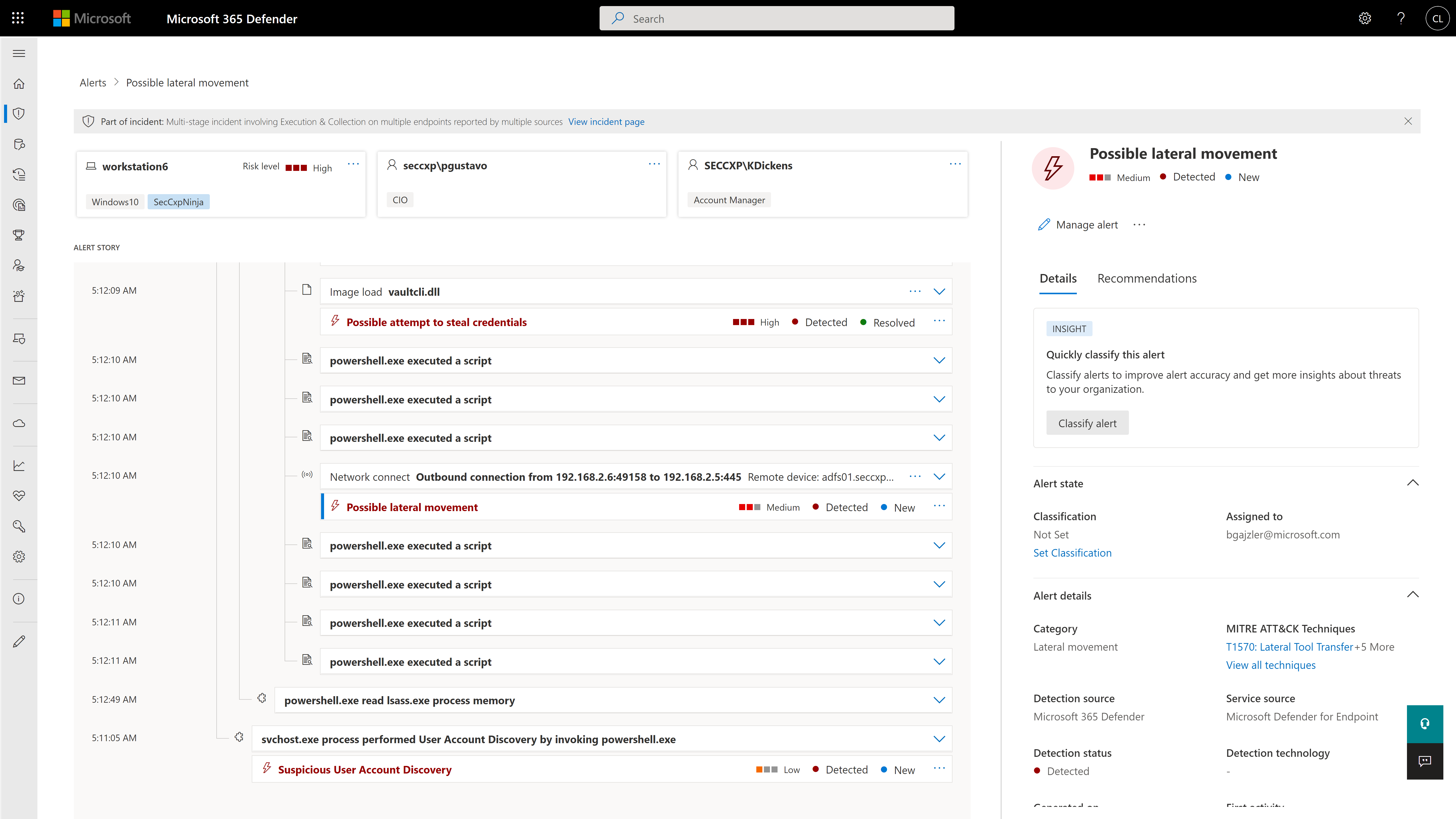
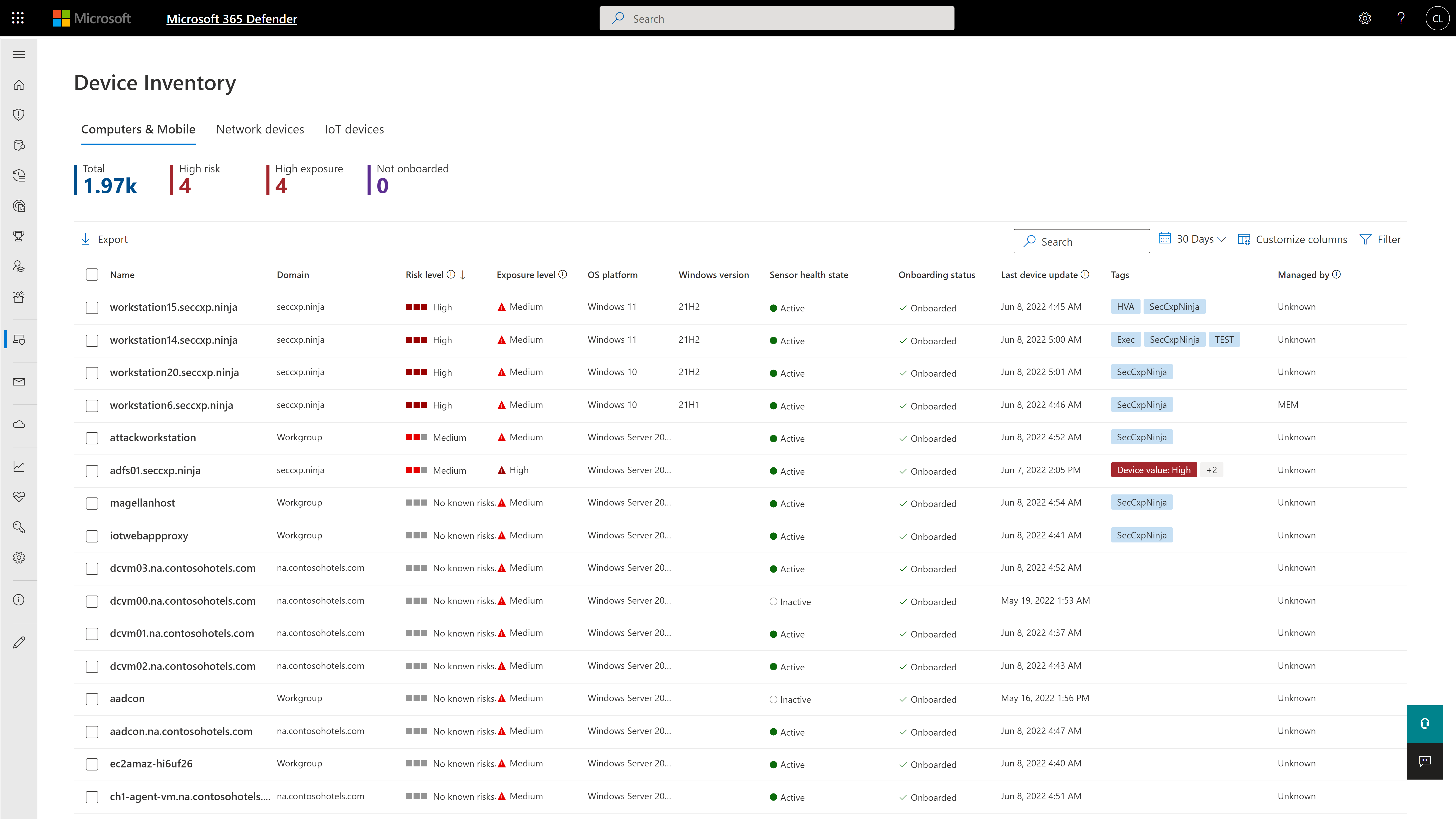
Microsoft Defender for Endpoint (formerly Microsoft Defender ATP) is a holistic, cloud delivered endpoint security solution that includes risk-based vulnerability management and assessment, attack surface reduction, behavioral based and cloud-powered next generation protection, endpoint detection and response (EDR), automatic investigation and remediation, managed hunting services, rich APIs, and unified security management.
$2.50
per user/per month
Pricing
Bitdefender GravityZone
Microsoft Defender for Endpoint
Editions & Modules
GravityZone Small Business Security
$284.99
per year 10 devices
GravityZone Business Security
$369.99
per year 10 devices
GravityZone Business Security Premium
$814.99
per year 10 devices
GravityZone Business Security Premium
Contact Sales
GravityZone Business Security Enterprise
Contact Sales
GravityZone XDR
Contact Sales
Academic
$2.50
per user/per month
Standalone
$5.20
per user/per month
Offerings
Pricing Offerings
Bitdefender GravityZone
Microsoft Defender for Endpoint
Free Trial
Yes
Yes
Free/Freemium Version
No
No
Premium Consulting/Integration Services
No
No
Entry-level Setup Fee
No setup fee
No setup fee
Additional Details
5 device license purchase minimum. Discounts available for multi-year subscriptions. 1st year discounts available (up to 30% off displayed price).
—
More Pricing Information
Community Pulse
Bitdefender GravityZone
Microsoft Defender for Endpoint
Considered Both Products
Bitdefender
Verified User
Chose Bitdefender GravityZone
Bitdefender GravityZone was the best for both ease of use and cost. Their pricing model outweigh most others as its a very low cost per unit per month.
A de minimis incentive was given to thank the reviewer for their time. The incentive was not used to bias or drive a particular response, nor was the incentive contingent on a positive endorsement. More Info
Verified User
Chose Bitdefender GravityZone
We can't accurately answer this as the others are very good too... we like Bitdefender because it makes operations and management easier and more visible.
A de minimis incentive was given to thank the reviewer for their time. The incentive was not used to bias or drive a particular response, nor was the incentive contingent on a positive endorsement. More Info
Verified User
Chose Bitdefender GravityZone
Bitdefender offers the most cost-effective and robust solution currently available on the market.
A de minimis incentive was given to thank the reviewer for their time. The incentive was not used to bias or drive a particular response, nor was the incentive contingent on a positive endorsement. More Info
Network Security Analyst in Information Technology at A.T. Still University (Higher Education, 1001-5000 employees)
Chose Microsoft Defender for Endpoint
Bitdefender was a great platform, but didn't provide as much network insight that Microsoft Defender for Endpoint does. It did not work well as an Endpoint Detection and Response platform. Tenable Security Center was great for vulnerability scanning of the devices on our …
A de minimis incentive was given to thank the reviewer for their time. The incentive was not used to bias or drive a particular response, nor was the incentive contingent on a positive endorsement. More Info
Verified User
Chose Microsoft Defender for Endpoint
In my opinion, Microsoft Defender for Endpoint is inferior to the competition. Combined with Huntress it is good (they are designed to integrate), but in my opinion, no need to use the paid version of Microsoft Defender for Endpoint when combining with Huntress, so not really …
A de minimis incentive was given to thank the reviewer for their time. The incentive was not used to bias or drive a particular response, nor was the incentive contingent on a positive endorsement. TR verified that a representative sample of customers was invited. More Info
Verified User
Chose Microsoft Defender for Endpoint
Microsoft Defender for Endpoint is the most cost effective solution considering our Microsoft 365 licensing status. While many 3rd party solutions are great and have been used over the years, in the non-profit world, cost is a huge driving factor of items. Coupled with …
A de minimis incentive was given to thank the reviewer for their time. The incentive was not used to bias or drive a particular response, nor was the incentive contingent on a positive endorsement. TR verified that a representative sample of customers was invited. More Info
Bitdefender had been a great replacement for our previous product - it was painless to make the switch with very few issues. We tested in a VM lab a few different offerings, but Bitdefender was the one that covered everything we required at the time and allowed us to be able to expand the offering simply.
A de minimis incentive was given to thank the reviewer for their time. The incentive was not used to bias or drive a particular response, nor was the incentive contingent on a positive endorsement. More Info
Because of its integration with Windows, it is very easy to deploy and manage. Any IT department should be able to leverage the software and interface. The admin portal provides weighted recommendations that comprise the Secure Store, offering admins, security teams, and business owners valuable insights into their security footprint without requiring a strong security background. The software would be ideal for small and mid-sized businesses that cannot dedicate resources to security. Larger enterprises would also benefit, but may require the enhanced license.
A de minimis incentive was given to thank the reviewer for their time. The incentive was not used to bias or drive a particular response, nor was the incentive contingent on a positive endorsement. TR verified that a representative sample of customers was invited. More Info
Once installed, Bitdefender [GravityZone] runs silently in the background with little to no need for user interaction.
The cloud-based console provides for easy computer management and deployment.
Bitdefender [GravityZone] is extremely flexible, with a policy-based system wherein different profiles can be created (i.e. a policy to deactivate the firewall, a policy to allow for admin control on a machine, etc.) and pushed out to individual computers.
Computers can be grouped into different categories, with different policies automatically deployed to each category.
Bitdefender [GravityZone] is relatively resource-light and runs well even on lower-end computers.
A de minimis incentive was given to thank the reviewer for their time. The incentive was not used to bias or drive a particular response, nor was the incentive contingent on a positive endorsement. TR verified that a representative sample of customers was invited. More Info
One, it's crazy lightweight, so compared to some of the competitors that we also have used with our security services, it's really lightweight and so I don't have a lot of overhead on the system that it's running on.
A de minimis incentive was given to thank the reviewer for their time. The incentive was not used to bias or drive a particular response, nor was the incentive contingent on a positive endorsement. TR verified that a representative sample of customers was invited. More Info
Who do I ask? This is my chief complaint is once the initial licenses were purchased through Bit Defender, there was no one to contact that could help navigate some of the initial questions I had with regard to specific policies to implement for our file server. The parent web site is, well, hard to navigate when one is trying to "learn" the system.
The second issue is in increasing the licenses. It took several days for the parent company (by contact and phone) to inform me that they could not increase the licenses and I would have to go through a private vendor. There was no intent to connect me to a vendor or provide a vendor list until I asked specifically. YET I continue to get email from the parent company reminding me to pay an annual fee for the licenses purchase through the private vendor. The parent company can see the number of licenses yet did not sell them to me.
Gravity Zone Dashboard, while excellent for those who have experience, is not particularly intuitive for those who have never used it. There does not seem to be a lot of documentation for those responsible for implementation.
A de minimis incentive was given to thank the reviewer for their time. The incentive was not used to bias or drive a particular response, nor was the incentive contingent on a positive endorsement. More Info
So the fact that Defender for Endpoint still works with signatures is actually, I don't know, a little difficult for us because, I mean, since Microsoft trusts those signatures, you can easily inject code. And we've done it many times. To show that you can inject code through vulnerabilities like CV 2013, 99, and 33 but still keep the signature. So because of the trust of those signatures, the malware just kind of slides into the environment without Defender knowing. That's the first part. The second part is that the behavioral analysis is not precisely its Prime. It's not Defender's best capability for endpoints. So, Defender does not identify all behaviors considered by other EDRs in the market.
A de minimis incentive was given to thank the reviewer for their time. The incentive was not used to bias or drive a particular response, nor was the incentive contingent on a positive endorsement. TR verified that a representative sample of customers was invited. More Info
It works. I rely heavily on my vendors to provide a product that works, is easy to implement, and that they support. As well as be a decent value for the money
A de minimis incentive was given to thank the reviewer for their time. The incentive was not used to bias or drive a particular response, nor was the incentive contingent on a positive endorsement. More Info
Cost add-ons for Security features is nickel and diming the process to keep pace with cybercrime. Limited Education budgets require us to be more pro-active in finding cost-effective measures to protect our devices, staff and students. Defender is a strong, well-featured product that is pricing itself out of the education market
A de minimis incentive was given to thank the reviewer for their time. The incentive was not used to bias or drive a particular response, nor was the incentive contingent on a positive endorsement. TR verified that a representative sample of customers was invited. More Info
On the whole I find the product very easy to use but some features need me to do some digging about in the console menus to find everything. I think if the interface used a bit less jargon and more clear plain language, it would be easier to find how to do things within the console.
A de minimis incentive was given to thank the reviewer for their time. The incentive was not used to bias or drive a particular response, nor was the incentive contingent on a positive endorsement. More Info
It offers multiple security features and integrates well with Microsoft ecosystems. A workflow for threat detection, investigation, automated remediation, and a centralized dashboard is an added advantage. This application is mainly designed for experienced users; new users may feel challenged.
A de minimis incentive was given to thank the reviewer for their time. The incentive was not used to bias or drive a particular response, nor was the incentive contingent on a positive endorsement. TR verified that a representative sample of customers was invited. More Info
Yes its very available. The software continues to protect you even if you are offline. It constantly runs in the background and will check for updates again once back online.
A de minimis incentive was given to thank the reviewer for their time. The incentive was not used to bias or drive a particular response, nor was the incentive contingent on a positive endorsement. More Info
Microsoft Defender for Endpoint chugs along just fine no matter what we throw at it and what systems it's running on. It doesn't take up a lot of resources either, so that's welcomed.
A de minimis incentive was given to thank the reviewer for their time. The incentive was not used to bias or drive a particular response, nor was the incentive contingent on a positive endorsement. More Info
The console is quite fast and responsive, and once you start to get used to it, it is easy to use and you can see the main dashboard status at a glance. You can then dig deeper into the individual Companies / Endpoint clients and check the status of each. The software itself is not heavy on system resources in each PC.
A de minimis incentive was given to thank the reviewer for their time. The incentive was not used to bias or drive a particular response, nor was the incentive contingent on a positive endorsement. More Info
A de minimis incentive was given to thank the reviewer for their time. The incentive was not used to bias or drive a particular response, nor was the incentive contingent on a positive endorsement. More Info
Support is an area Bitdefender has always struggled with. While their products work great, the GravityZone dashboard is very technical in nature. If you aren't IT inclined, it could be difficult to setup. While most times support is helpful, we tend to work with them over email because of their very thick accent, they are hard to understand over the phone.
A de minimis incentive was given to thank the reviewer for their time. The incentive was not used to bias or drive a particular response, nor was the incentive contingent on a positive endorsement. TR verified that a representative sample of customers was invited. More Info
The first time I tried to onboard my macOS endpoints to MDE I struggled for quite a bit. I had to reach out to Microsoft's MDE support team. The tech was very helpful in walking me through the steps during a screen share session
A de minimis incentive was given to thank the reviewer for their time. The incentive was not used to bias or drive a particular response, nor was the incentive contingent on a positive endorsement. More Info
The trainer went through everything in the console an showed me what each setting did. If I had any questions on how to do something, he showed me where to go and how to do it. The trainer was very helpful and knowledgeable, and also professional and patient. Highly recommended.
A de minimis incentive was given to thank the reviewer for their time. The incentive was not used to bias or drive a particular response, nor was the incentive contingent on a positive endorsement. More Info
The trainer went through everything in the console an showed me what each setting did. If I had any questions on how to do something, he showed me where to go and how to do it. The trainer was very helpful and knowledgeable, and also professional and patient. Highly recommended.
A de minimis incentive was given to thank the reviewer for their time. The incentive was not used to bias or drive a particular response, nor was the incentive contingent on a positive endorsement. More Info
Deployment was handled by our team here and everything went pretty smoothly. We did have a few hiccups in our test group, but that only took a bit to get ironed out.
A de minimis incentive was given to thank the reviewer for their time. The incentive was not used to bias or drive a particular response, nor was the incentive contingent on a positive endorsement. More Info
We were a Kaspersky shop for years. Kaspersky was a resource hog and it didn't even block half of what was thrown at it. We had more outbreaks and more end-user complaints in a year of Kaspersky then we have had in almost three years of Bitdefender.
A de minimis incentive was given to thank the reviewer for their time. The incentive was not used to bias or drive a particular response, nor was the incentive contingent on a positive endorsement. TR verified that a representative sample of customers was invited. More Info
Cylance's policy is to block everything and requires an active person to monitor and unblock legitimate processes. As updates and software continue to evolve, it is a full-time job to be a Cylance administrator. Microsoft Defender for Endpoint is a set-and-forget solution that catches threats when they occur and leaves you to focus on your work unimpeded.
A de minimis incentive was given to thank the reviewer for their time. The incentive was not used to bias or drive a particular response, nor was the incentive contingent on a positive endorsement. TR verified that a representative sample of customers was invited. More Info
I give it this rating because one you have the console running, you can add or remove whole companies, add computer endpoints (and remove them), and easily create and deploy endpoint packages to the machines that need the software. Once installed, the software starts to report back to the Bitdefender servers and the number of active licences is then seen and billed.
A de minimis incentive was given to thank the reviewer for their time. The incentive was not used to bias or drive a particular response, nor was the incentive contingent on a positive endorsement. More Info
A de minimis incentive was given to thank the reviewer for their time. The incentive was not used to bias or drive a particular response, nor was the incentive contingent on a positive endorsement. More Info
The ROI for Bitdefender is hard to quantify except that it requires very little maintenance time from our staff.
We've spent no time troubleshooting user complaints or issues from users, so it has been a big time-saver over our previously used anti-malware software.
Bitdefender's customer service is usually pretty good and also very responsive, so I don't have to wait by the phone or to keep checking email to resolve a problem--although our issues have been mostly informational and not a problem with functionality.
A de minimis incentive was given to thank the reviewer for their time. The incentive was not used to bias or drive a particular response, nor was the incentive contingent on a positive endorsement. More Info
A de minimis incentive was given to thank the reviewer for their time. The incentive was not used to bias or drive a particular response, nor was the incentive contingent on a positive endorsement. TR verified that a representative sample of customers was invited. More Info