More than 75% of enterprises today operate in multiple clouds, according to the 2022 F5 State of Application Strategy Report. But a much smaller percentage are known to have implemented a cloud-based DNS (Domain Name System), which offers considerable speed and performance benefits for publishing applications.
Why? It is because extending traditional DNS to all their applications across different environments, especially those running in the cloud, can be time-consuming and cumbersome for many organizations.
Most on-premises DNS solutions don’t scale as well as needed to support the ballooning number of applications deployed and today’s burgeoning application footprints. It can be laborious and costly to establish a DNS for modern apps that integrates into CI/CD pipelines and critical development workflows. That increases the challenge of providing the app services necessary to securely deliver applications while meeting the performance expectations of users in a hyper digital world. It doesn’t have to be this difficult. Not anymore.
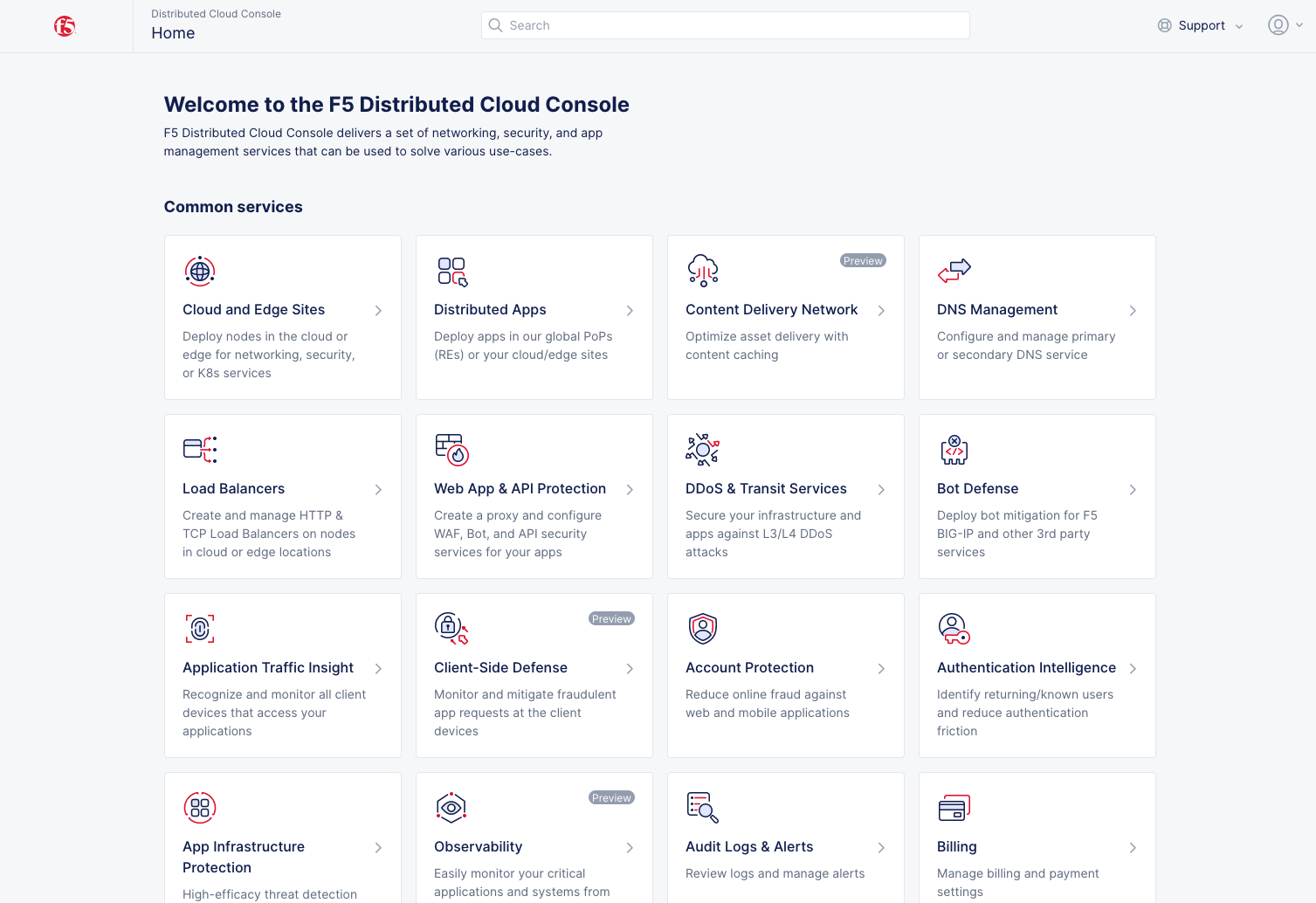
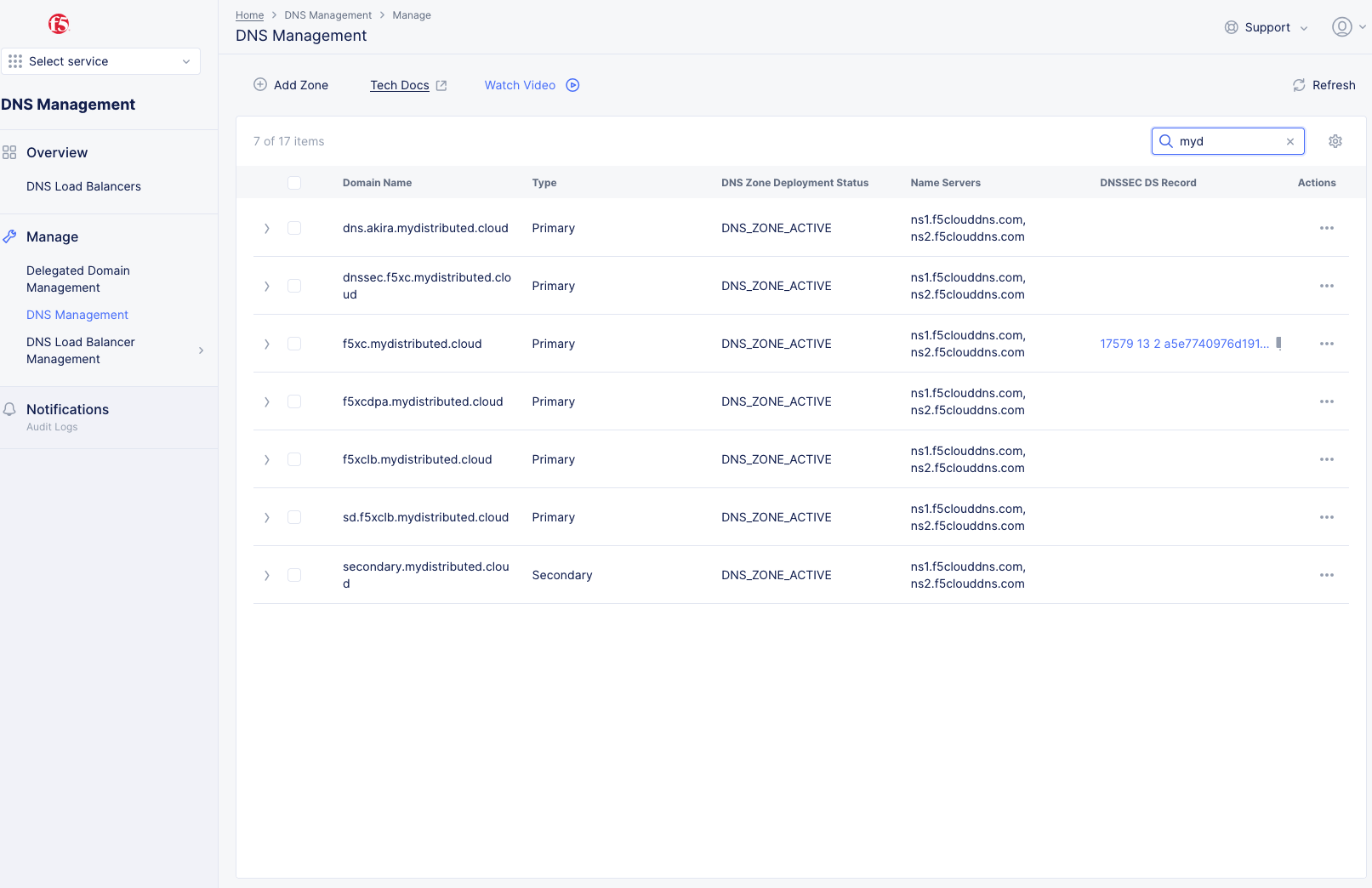
F5 Distributed Cloud DNS simplifies DNS delivery across multi-cloud environments and modern applications. This SaaS-based primary and secondary authoritative DNS service offers global distribution, DDoS protection, DNSSEC, and the flexibility to automatically scale to meet growing application demands.
As a company’s primary DNS, Distributed Cloud DNS brings maximum performance with a geo-distributed cloud network and built-in DDoS protection. As a secondary DNS, it helps reduce the load on the user's primary service, providing redundancy in the event of a primary service failure and improving response times if the primary service is disabled or degraded in any way.
By using it either as a primary or secondary DNS solution, companies can simplify DNS management and security while easing the burden on operations and development teams. F5 does most of the heavy lifting, applying more than 25 years of experience in application networking and security solutions. Companies avoid, among other things, manual deployment, security, and management as well as hardware and software maintenance.
Why F5 Distributed Cloud DNS?
Companies can streamline application deployment and management with automation and SaaS-based DNS from F5. Achieving a high-performance, responsive app experience requires consistent, scalable DNS functionality. Distributed Cloud DNS aims to provide this so customers can deliver fast, secure, and available applications across hybrid and multi-cloud environments.
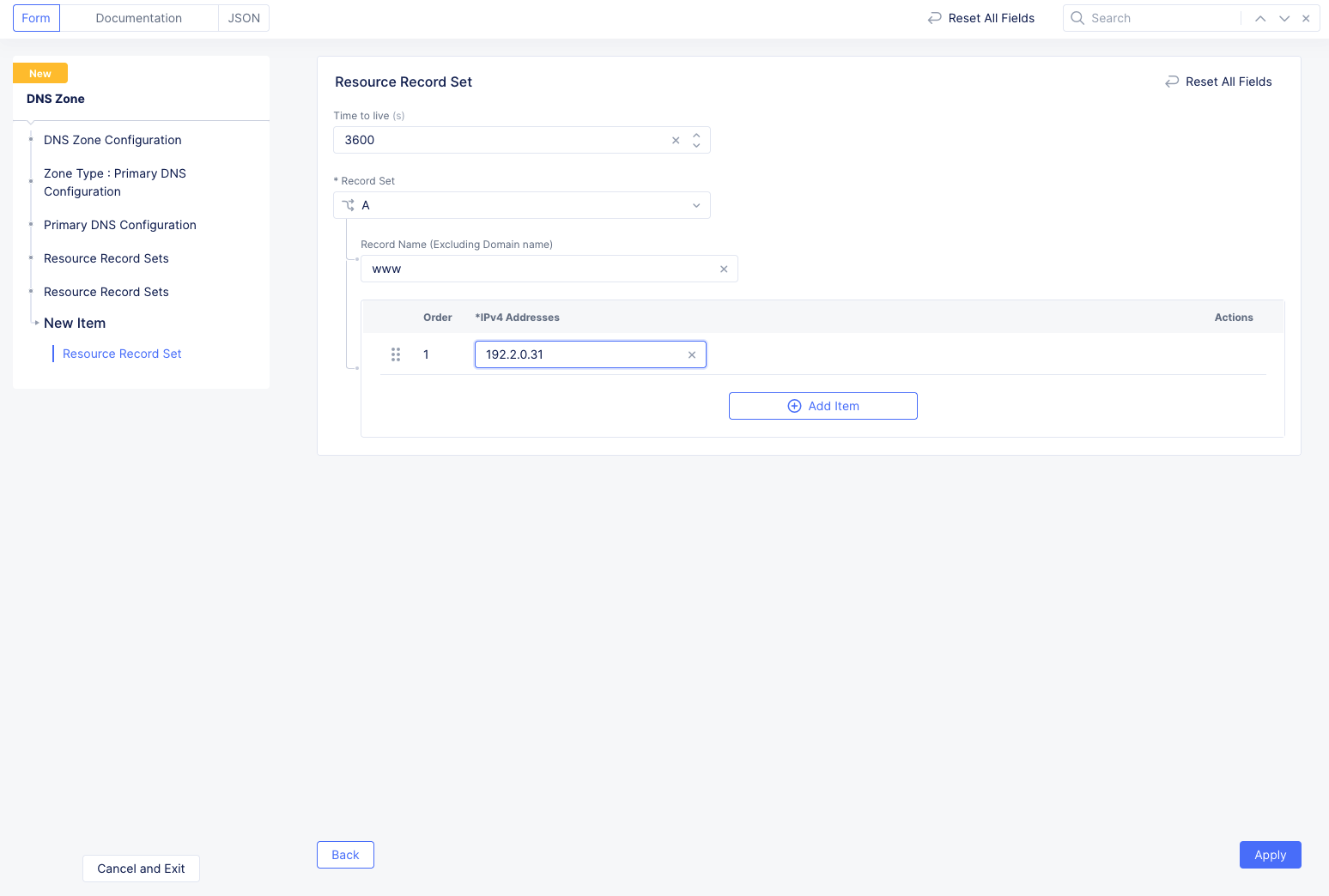
• Speed and simplicity: The service integrates into critical development workstreams and DevOps pipelines, providing automation and a user interface, and streamlining setup and ongoing management. Users can configure critical DNS services in a few clicks and be able to respond to queries in minutes.
• Flexibility and scale: As a SaaS-based, cloud-delivered solution, Distributed Cloud DNS offers global auto-scaling, so companies keep up with demand as the number of applications increases, traffic patterns change, and request volumes grow exponentially. DNS and security policies can be adjusted in real time and new apps published with DNS instantaneously, while paying only for what is used with no added overhead.
• Security: High-performance applications must be kept secure. That means ensuring not only uptime and availability but also protection from exploitation. With built-in DDoS protection, automatic failover, TSIG authentication, and DNSSEC capabilities, this service helps protect applications from DDoS attacks and other threats.
F5's Distributed Cloud DNS ultimately helps to deliver the high performance, security, and global resiliency—across clouds, geographies, and availability zones—that users expect from apps in the demanding marketplace.