TrustRadius: an HG Insights company

Cisco IP Phones

Score6.9 out of 10

139 Reviews and Ratings

What is Cisco IP Phones?

Cisco began developing voice over IP (VoIP) communications and collaboration solutions in 1997. Currently, Cisco states they have more than 100,000 unified communications customers worldwide. The modern Cisco IP Phone portfolio includes VoIP and HD video phones designed to meet the needs of organizations.

Read more details.

Categories & Use Cases

Media

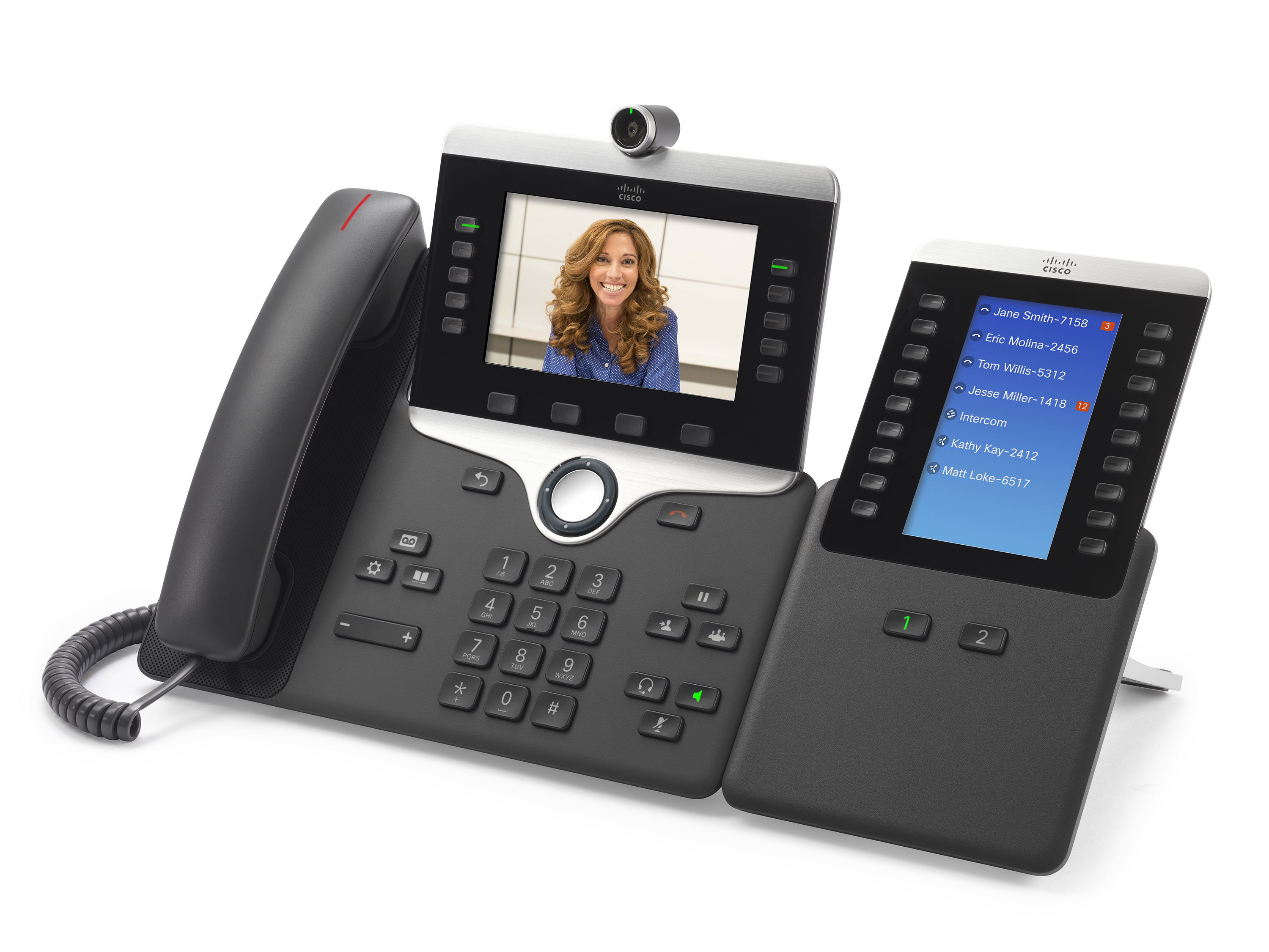
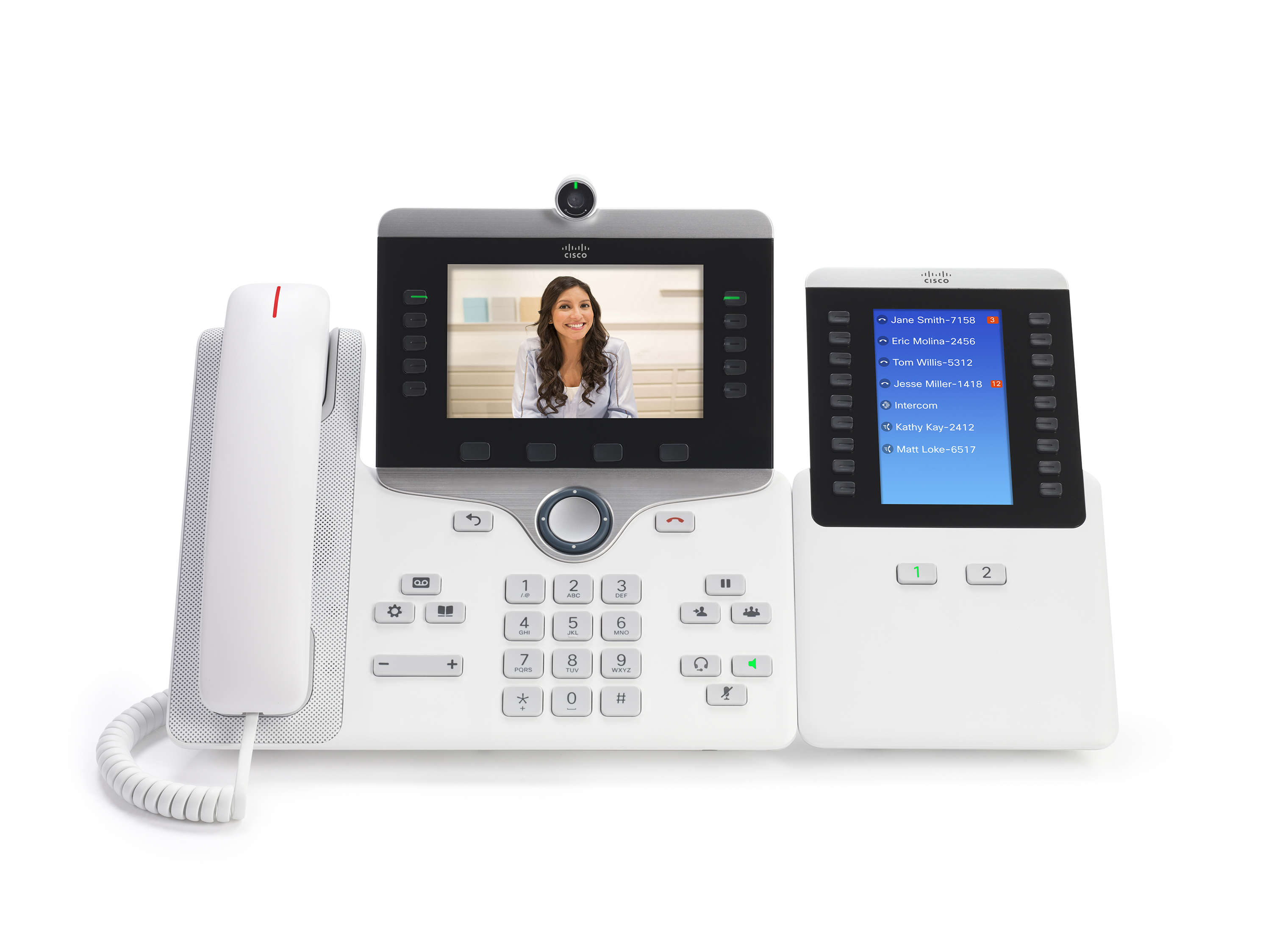
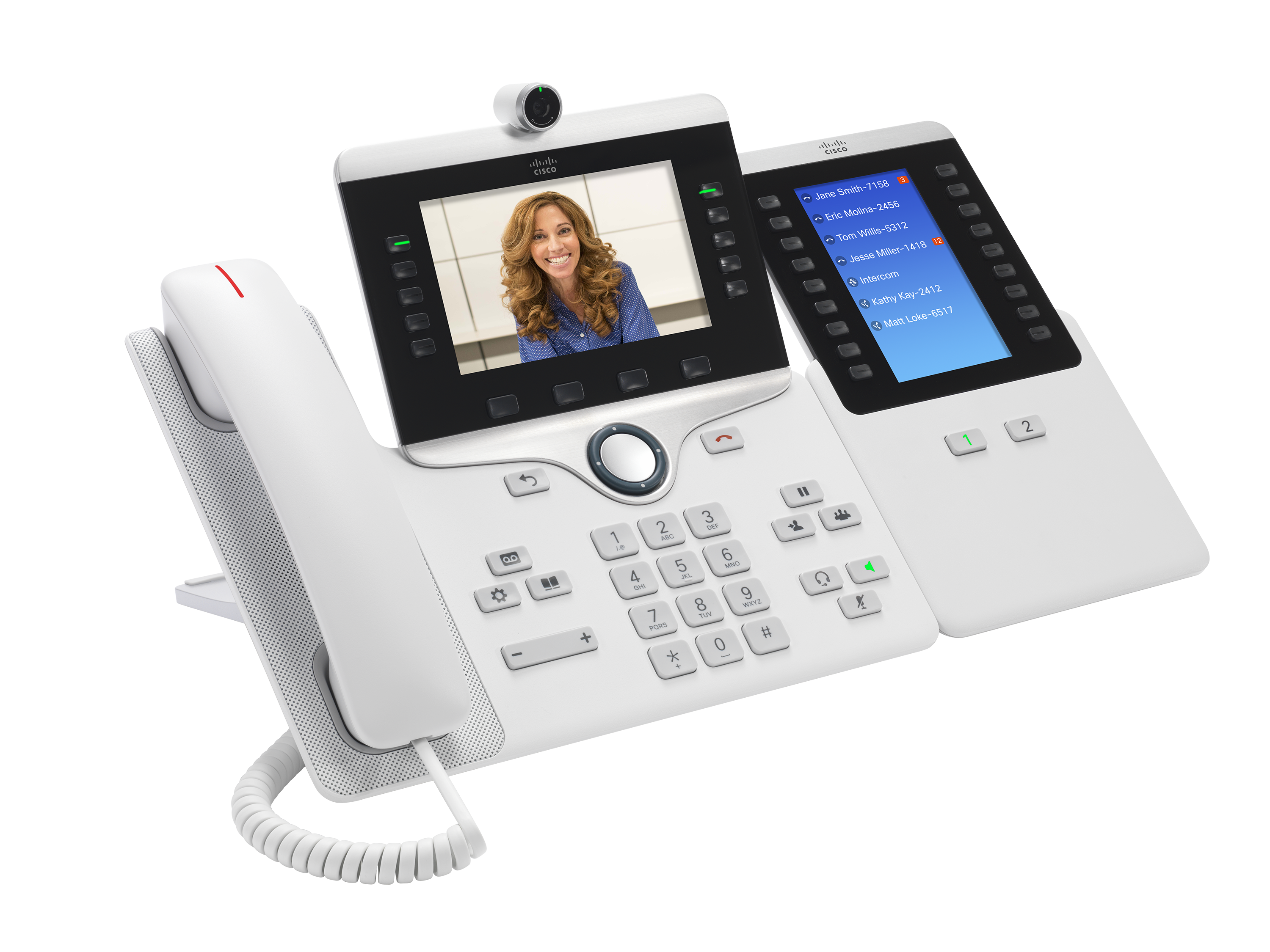
Screenshot of Cisco IP Phone 8865 with One KEM, Charcoal
Cisco IP Phones
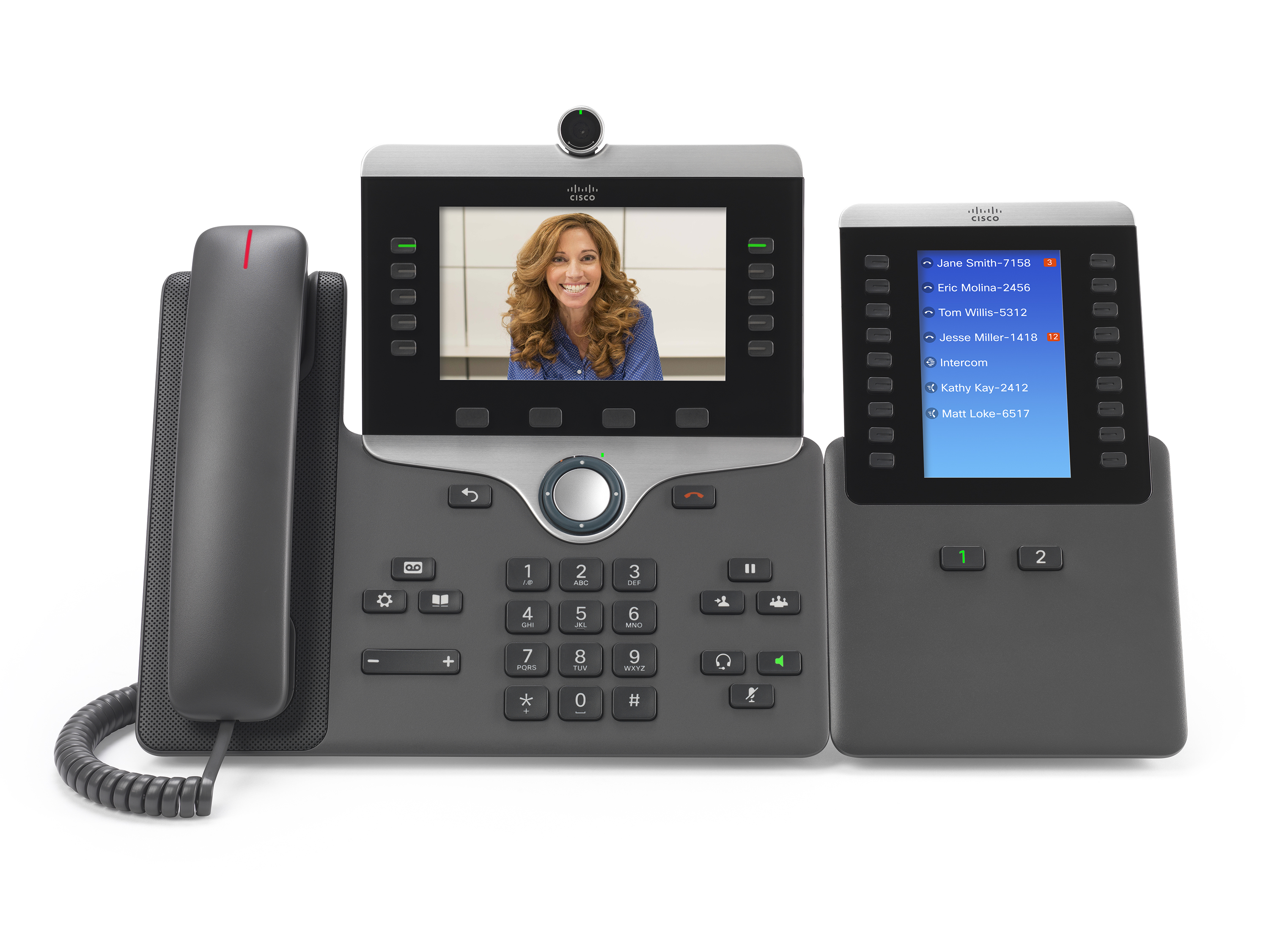
Screenshot of Cisco IP Phone 8800 Series Desk Family, charcoal
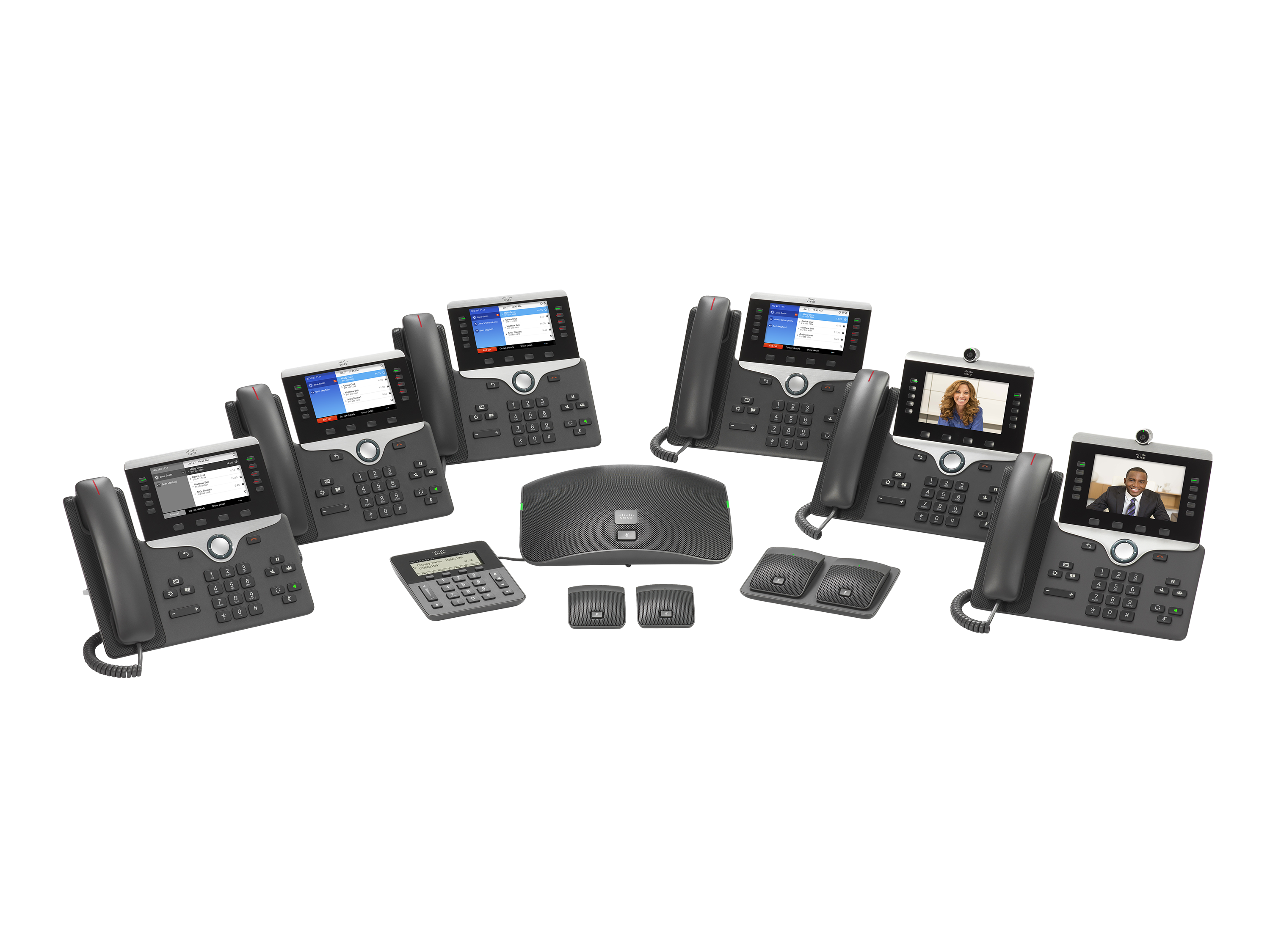
Screenshot of Cisco IP Phone 8800 Series Desk Family, white
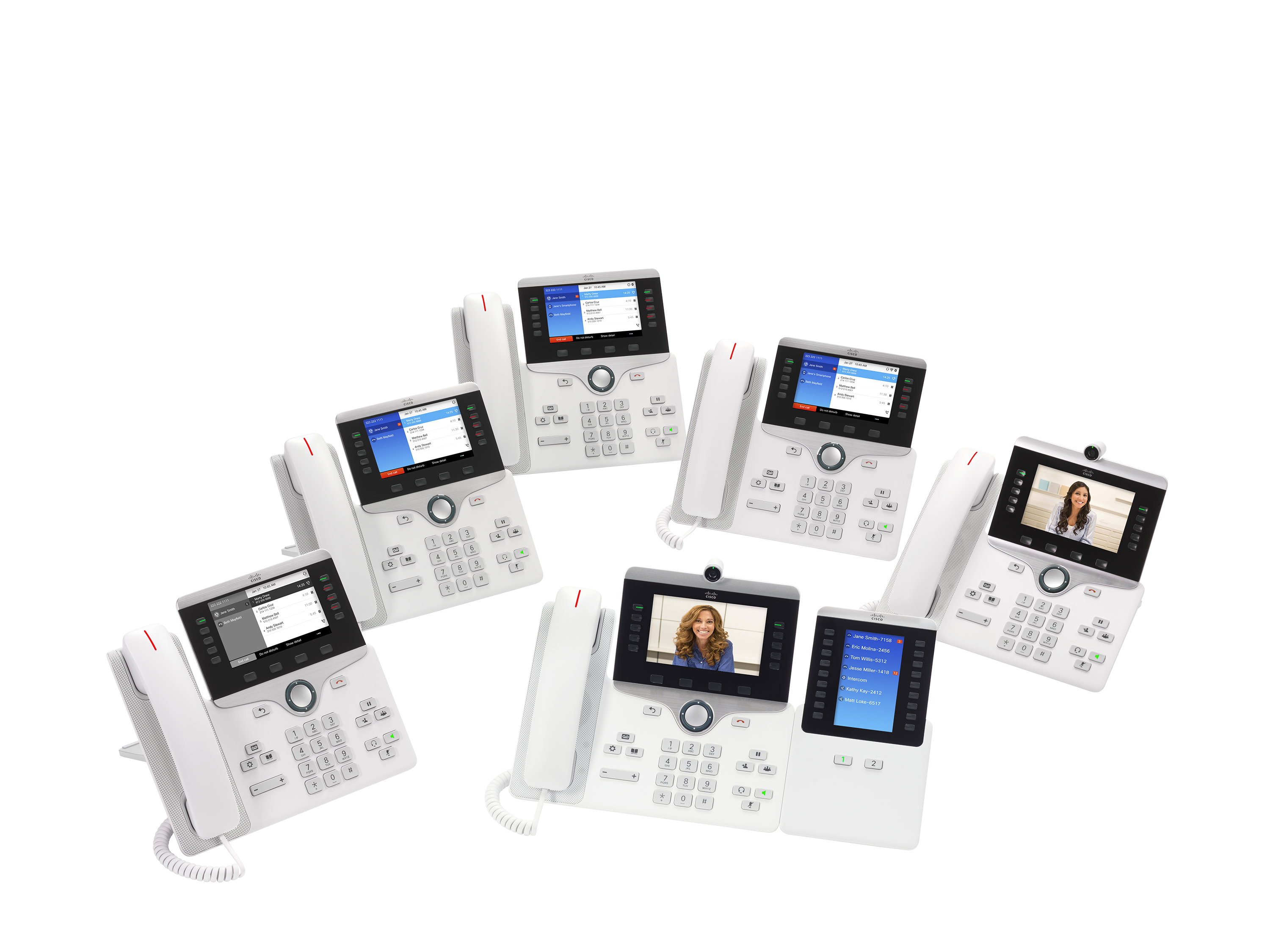
Screenshot of Cisco IP Phone 8865 with IP 8800 Key Expansion Module, white

1 / 6

Screenshot of Cisco IP Phone 8865 with One KEM, Charcoal

Pros

  • Ease of Use: Multiple reviewers specifically praised the phone's user-friendly design and intuitive operation.
  • Audio Clarity: A significant portion of users report crystal clear audio quality, enhancing communication effectiveness.
  • Cost-Effectiveness: Long-term cost benefits, particularly reduced long-distance charges, contribute to a positive ROI.

Cons

  • High Initial Cost: The upfront investment may be a barrier for some potential buyers.
  • Limited Sample Size: Findings are based on a small number of reviews, potentially limiting generalizability.

Comprehensive Review of Cisco IP Phones 8800 Series

Use Cases and Deployment Scope

In our orgnization Cisco IP Phones are the core component of our internal and external communication. From security standpoint IP phones helpts to protect sensitive coversation in complaince heavy enviornment. It helps in bridging calls with customer and vendors during critical incident response these devices are deployed across all the desks and intigrated into our VOIP infra, which supports the encryption of SRPT/TLS.

Pros

  • During a critical incident where confidential breach details are being discussed between the SOC Team and the CISO the call remains encrypted end to end, preventing data leakage.

Cons

  • Specially in large enviroment or across the remote locations requires a deep familarity og the CUCM along with the Network and VoIP expertise

Return on Investment

  • High availability even during the network fluctuation when configured with SRST ensured the unintruptted analyst coordination with reduced MTTR

Cisco IP Phones A Phone with HD Call Quality Robust Security Features

Use Cases and Deployment Scope

We use Cisco IP Phones in our organization to communicate with colleagues that are not nearby our workstation. That person could locate on other floor or other location of the country. It helps us to reduce SIM calling cost for communication. Moreover the connection is reliable, call quality is crystal clear.

Pros

  • It offers stable connection at the time of calling
  • The contact book is very user-friendly.
  • It allows group calling which is really helpful in terms of conferencing.
  • It support PoE. So no need of power adapter nearby.

Cons

  • Cisco IP Phones could integrate good wifi connectivity so that it works without any cable connection.
  • Many users use True Wireless Earbuds. So there should quick Bluetooth connectivity with Bluetooth headset without connected with wired things.

Return on Investment

  • Cisco IP Phones has reduced inter-employee communication cost. Before employee use SIM calling which is really costly. After adding Cisco IP Phones to the office, they connect with it which is based internet.
  • Cisco IP Phones are easy to use. IT configures it once. There is little troubleshoot requires for Cisco IP Phones. So, it helps to save the troubleshoot time.

Alternatives Considered

Yealink Conference Phones

Other Software Used

Google Meet, Microsoft Teams

A great way to communicate without any issues

Use Cases and Deployment Scope

Cisco IP Phones are very good phones when the need to connect with external parties like vendors, customers etc. and we use them for this same purpose. The biggest problem that Cisco IP Phones solve for us is to have no or little voice breaks which sometimes can happen in normal voice calls due to signal issues.

Pros

  • Offers Stable and consistent call quality.
  • Easy to setup/configure.

Cons

  • More support articles regarding the product would be good.

Return on Investment

  • High quality audio calls with less recurring cost compared to normal Phone Plan with ISP.
  • POE helps in powering the IP Phone without any power strip/point.

Other Software Used

Slack, Ashampoo ZIP Pro

Usability

Cisco 8800 series phones, our experience after 5 years.

Use Cases and Deployment Scope

Great phones. We have them deployed over the whole campus, and they can be remotely managed and configured individually or in groups. Using Cisco's CDP protocol across our access switches, we can also track and find phones based on their serial number or MAC address. End users also have some customization of their phones which can be done through a self-service portal.

Pros

  • Remotely managed and configured
  • End user customization through Self Service Portal
  • CDP across whole Cisco network

Cons

  • Price is high for these phones but ultimately you get what you pay for

Return on Investment

  • They won't die! Haven't had a single phone break since we rolled them out.
  • Multi-purpose: Recently also linked them to our Tannoy system to make campus-wide announcements.
  • Easy to use, even for non-IT literate users

Alternatives Considered

Grandstream GAC2500

Other Software Used

Singlewire InformaCast, Kurmi Enterprise Suite, Microsoft Teams

Usability

My personal using experience with Cisco IP Phones 8800

Use Cases and Deployment Scope

Cisco IP Phones are great and very helpful to use in my organisation. My organisation Aza Fashions deals in textile design. To deliver customised dresses we need to hire different designers and vendors who supply clothes. There by Cisco IP Phones are very helpful they run over the internet and any international call is much easier to get connected. And the crystal clear voice helps more to understand them my demand and get the best fabric material. Thus in my company its role is much important.

Pros

  • Crystal clear sound
  • Mass communication
  • Voicemail to Email

Cons

  • Charging capacity
  • More focused on wireless devices rather than wired
  • Setup complexity

Return on Investment

  • Our sales has shown a good growth hike of 18% from previous month sales.
  • Voice clarity leads to good understanding in clients and build good relation with them
  • Hired new fantastic designers internationally by showing them our visions

Alternatives Considered

Class for Zoom and Google Meet