
Progress WhatsUp Gold vs. SolarWinds Serv-U
| Product | Rating | Most Used By | Product Summary | Starting Price |
|---|---|---|---|---|
 Progress WhatsUp Gold | Score7.2 out of 10 | Mid-Size Companies (51-1,000 employees) | WhatsUp Gold developed by Ipswitch (acquired by Progress Software May 2019) offers network performance monitoring and mapping. It supports core monitoring features, including automated workflows and network capacity planning, and monitors across hybrid environments. | N/A |
 SolarWinds Serv-U | Score9 out of 10 | N/A | SolarWinds® Serv-U® is presented by the vendor as an easy-to-use FTP or MFT server software designed to deliver security, automation, and centralized control for file transfers in an organization. Deployed within a data center, Serv-U FTP or MFT Server can help users safely exchange files within your organization and with your business partners. Do not risk file transfer data getting exposed in the cloud and compromise security. Serv-U software is built to be an effective self-hosted… | N/A |
| Progress WhatsUp Gold | SolarWinds Serv-U | |||||||||||||||
|---|---|---|---|---|---|---|---|---|---|---|---|---|---|---|---|---|
| Editions & Modules | No answers on this topic | No answers on this topic | ||||||||||||||
| Offerings |
| |||||||||||||||
| Entry-level Setup Fee | Optional | No setup fee | ||||||||||||||
| Additional Details | — | — | ||||||||||||||
| More Pricing Information | ||||||||||||||||
| Progress WhatsUp Gold | SolarWinds Serv-U | |
|---|---|---|
| Considered Both Products | No answer on this topic | No answer on this topic |
| Key User Insights | ||
| Would buy again | ||
80% Would buy again 4 Answers | 100% Would buy again 6 Answers | |
| Delivers good value for the price | ||
No answers on this topic | 100% Delivers good value for the price 6 Answers | |
| Happy with the feature set | ||
80% Happy with the feature set 4 Answers | 67% Happy with the feature set 4 Answers | |
| Lived up to sales and marketing promises | ||
No answers on this topic | 100% Lived up to sales and marketing promises 5 Answers | |
| Implementation went as expected | ||
No answers on this topic | 80% Implementation went as expected 4 Answers | |
| Progress WhatsUp Gold | SolarWinds Serv-U | |
|---|---|---|
| Small Businesses |  Pulseway Score9.9 out of 10 |  FileZilla Score9.4 out of 10 |
| Medium-sized Companies |  Cisco Meraki Dashboard Score9.3 out of 10 | FileZilla Score9.4 out of 10 |
| Enterprises |  Cisco Prime LAN Management (discontinued) Score8.5 out of 10 |  Fortra's GoAnywhere MFT Score9.7 out of 10 |
| All Alternatives | View all alternatives | View all alternatives |
| Progress WhatsUp Gold | SolarWinds Serv-U | |
|---|---|---|
| Likelihood to Recommend | 8.3 | 8.2 |
| Support Rating | 4.2 | 7.4 |
| Progress WhatsUp Gold | SolarWinds Serv-U | |
|---|---|---|
| Likelihood to Recommend |
|
|
| Pros |
|
|
| Cons |
|
|
| Support Rating |
|
|
| Alternatives Considered |
|
|
| Return on Investment |
|
|
| ScreenShots | Progress WhatsUp Gold Screenshots  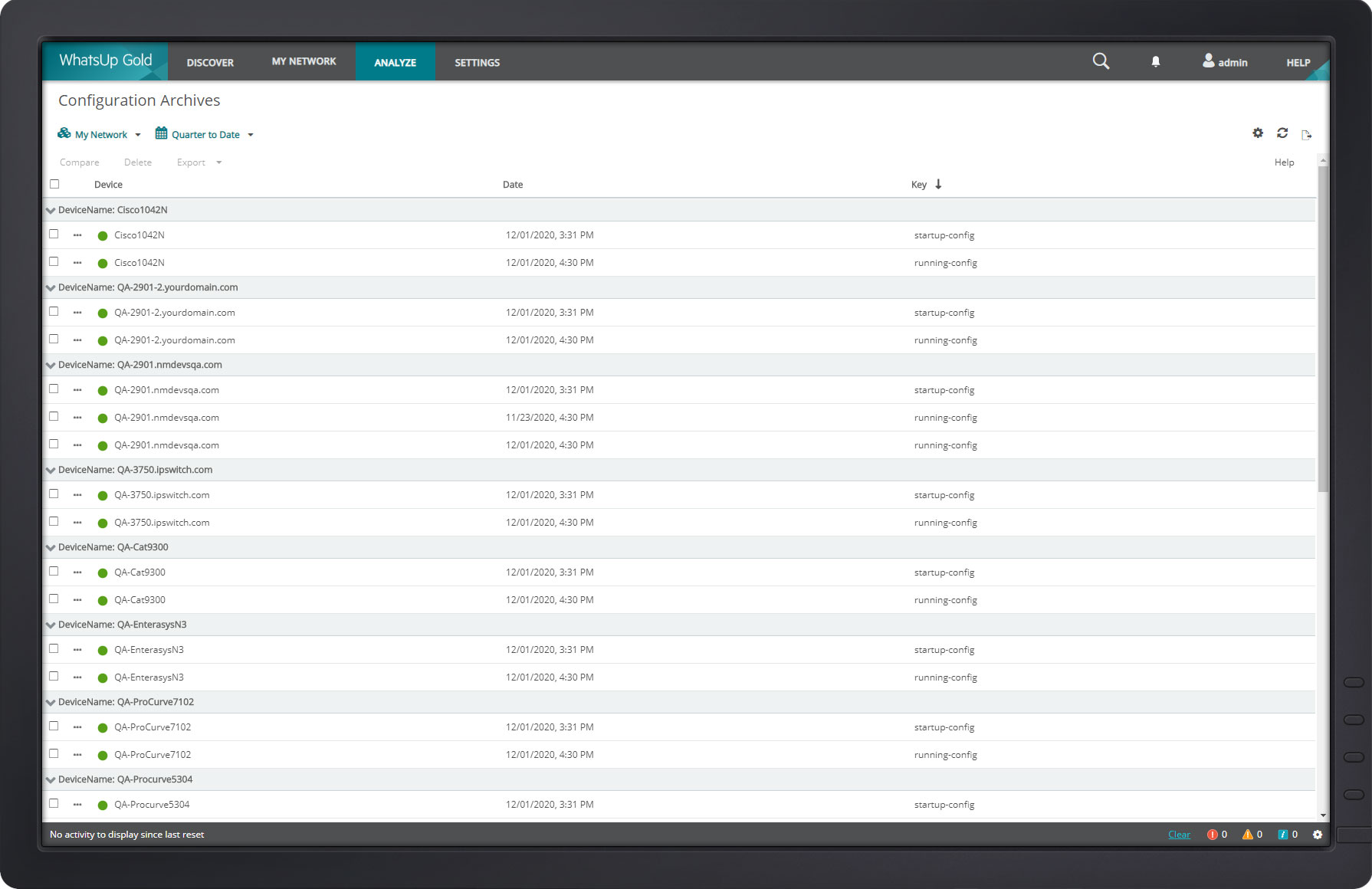  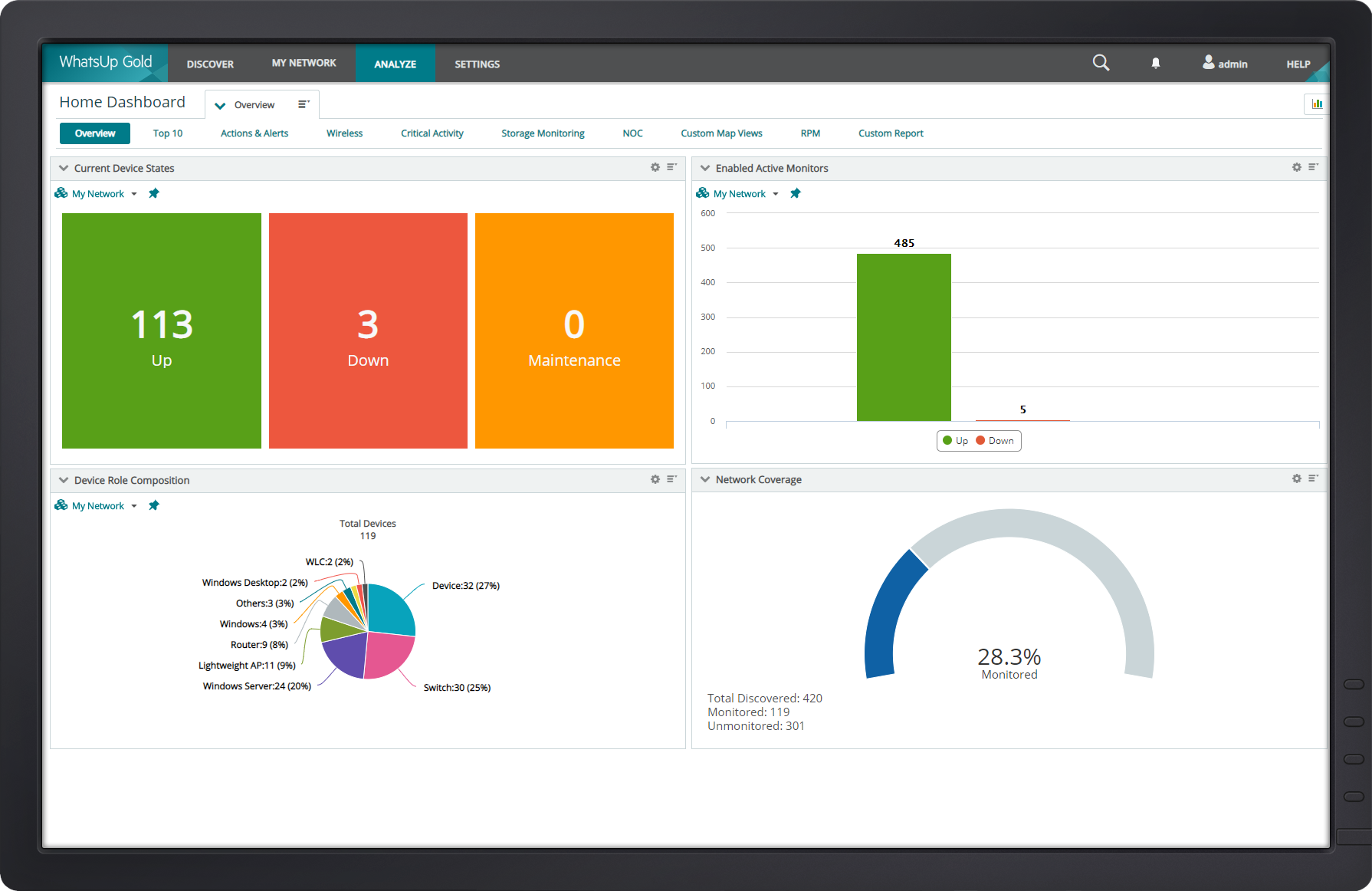  | SolarWinds Serv-U Screenshots 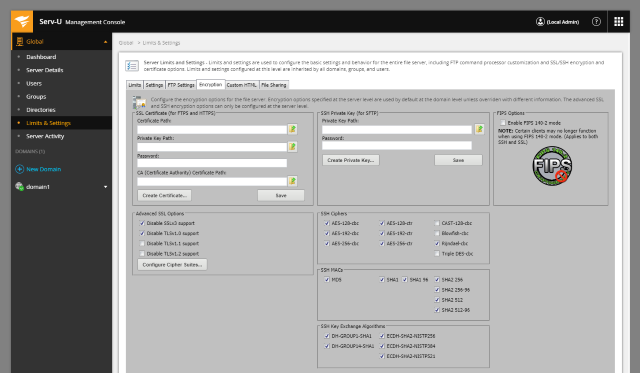 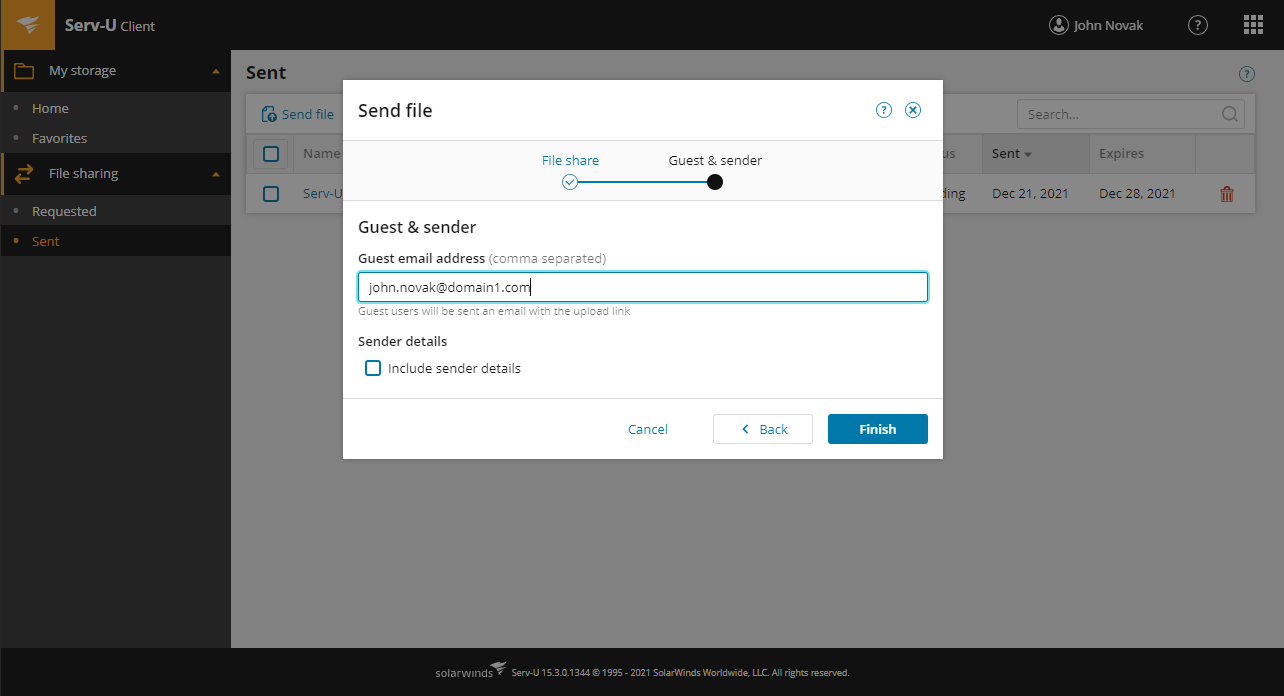 |



