With advanced tools to automate manual processes and support close collaboration with suppliers, SAP Ariba helps streamline source-to-pay processes across organizations.
N/A
SAP Integrated Business Planning
Score 8.3 out of 10
N/A
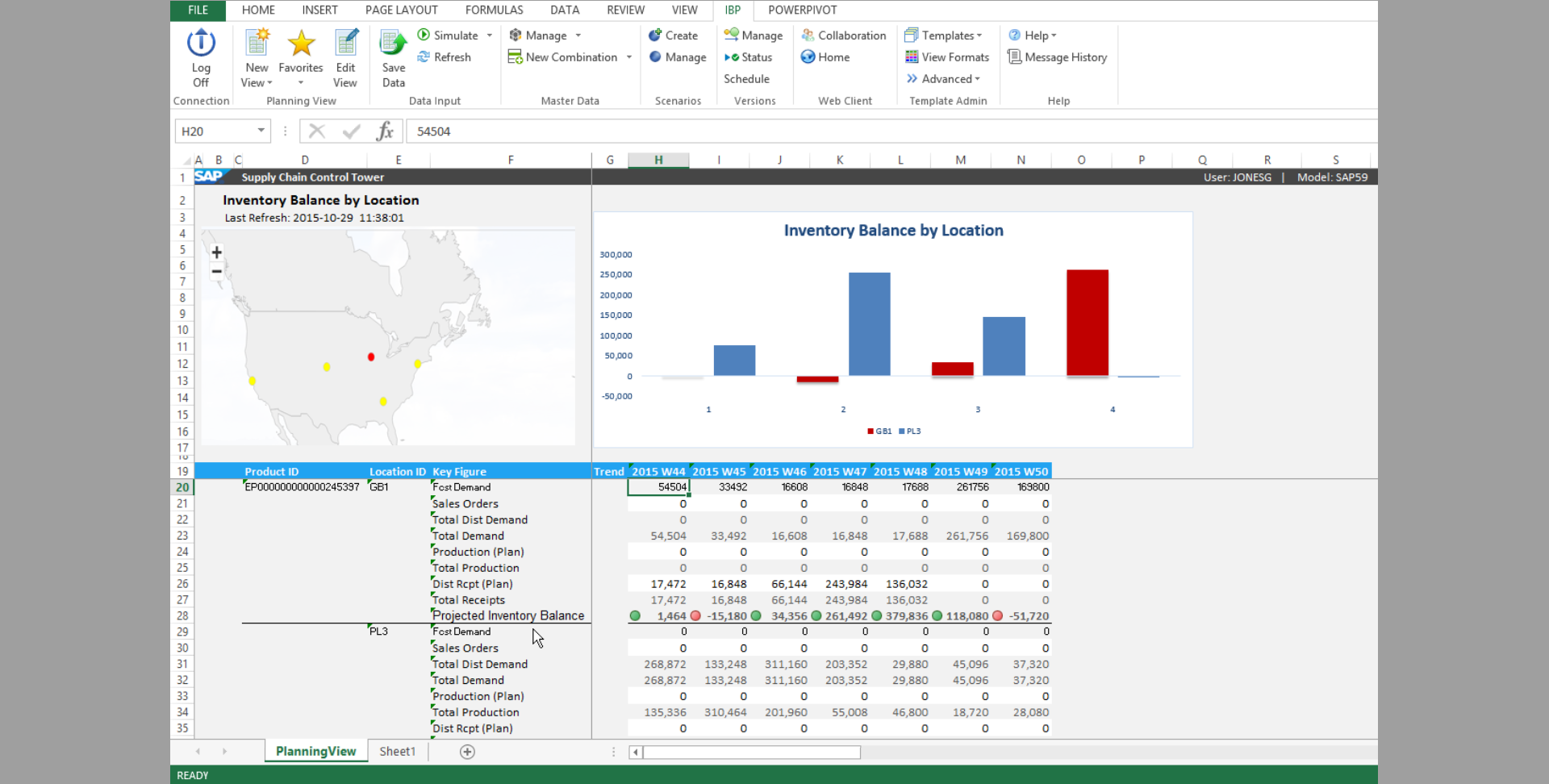
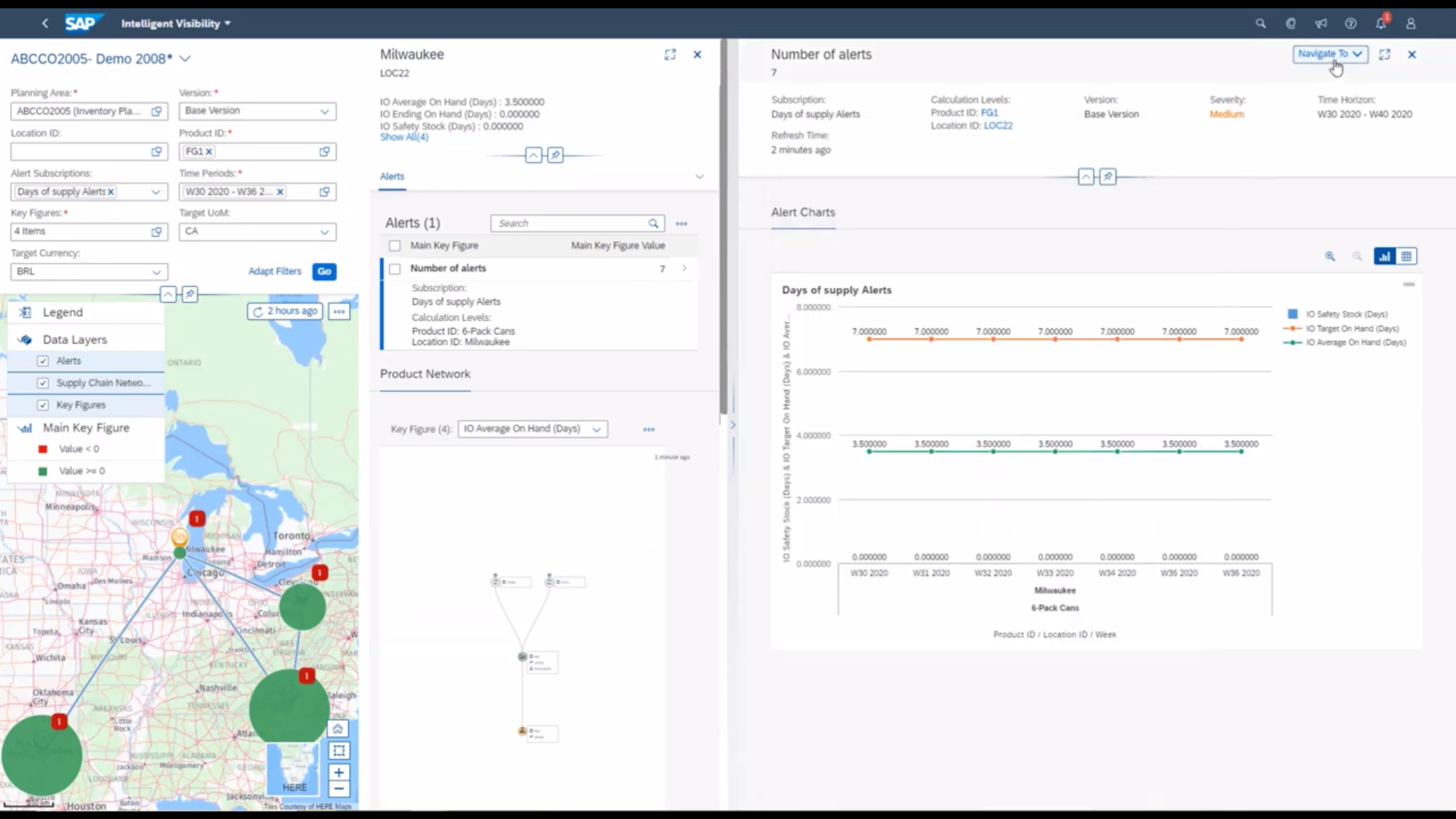
SAP supports supply chain management with Integrated Business Planning, the company's real-time cloud-based supply chain planning platform supporting demand response, supply planning and inventory management oriented features, with supply chain analytics to support decisioning.
SAP Ariba is pivotal for our organization's supply chain requirements. The purchasing department needs it for vendor purchase order issuance and vendor order management. We can check procurement history for the last purchased price, standard price, price breaks, lead time for products, vendor, and alternate vendor details.
One of the best parts is how it is suited to global or multi-site organizations with complex supply chains. It just operates across multiple regions with various manufacturing facilities, and that too with very much ease; it is simple, solid and very reliable in terms of working when the logistics is an issue and fetches data and insights very quickly.
Complete Procurement of Inventory step easy through GUI-Ariba integration once Purchase order is created and it is sent to the SAP Ariba Supplier Network. Vendor confirms the order and sends notification of Inbound Delivery to the warehouse through ASN and the Inbound process, Goods Receipt Process, Unloading, Put away process easy.
SAP Ariba integrates the different SAP Sourcing platforms, services and their tools in order to optimize operations, saves cost and meeting customer requirements through its easy to use tools. Such as integration with SAP S/4 HANA, SAP EWM using Idocs for End to End sourcing and Procurement coverage.
As a part of the SAP Direct Sourcing suite, it helps allow customer manage their direct materials in the single dashboard and helping customer to have view of the comprehensive info about BoM and the structure. Based on requirements, buyers can run materials and/or entire Bill of Materials. When these are sent from ERP to SAP Ariba, managers can manage them in the direct spend dashboard. Can search for desired items in the dashboard and view details of BoM or deeper view of information of the material. Buyers can run sourcing, run details for materials, create material quotes, and create pricing using book quotes.
Integration with other tools is not very good. The APIs provided are not scheduled within the Ariba process and must use a middleware to send information back and forth between tools
Customer support for configuration questions. The response time can be weeks or months waiting time and the response back is often unhelpful.
Flexibility with company entities. With a large company with so many entities it is hard to structure and customize your suppliers into many entities. You often have to duplicate.
The system does not work as smoothly when processing large volumes of data. There are processing delays when we are busy planning.
Moreover, because inventory exceptions are not automatically alerted, employees have to check them manually, which takes extra time. Upgrades in these sections could raise our operational efficiency.
While its great at usability. I would love ut have it more simplified. I would like to advocate for some personas who are non tech savvy or who have less or no experience in procurement. I sometimes feel that the valley of user learning fir such personas is quite steep and it may take them long time of learning to get adept to the platform.
Because It is is a cloud-based platform that can be accessed from anywhere and also it has a user-friendly which is great for navigation within the software. As it offers a wide range of features including demand forecasting, supply chain planning, and collaboration tools which makes it even more powerful
Customer support has always been top notch. From small configuration changes to overall process changes, support has the teammates in place with excellent knowledge and is able to provide solutions based on business challenges quickly. Their customer support through their Account teams continues to be hands on and very responsive to needs in a timely fashion.
Set up a supply chain strategy. Define your north star. Follow it with good consultants. Get know how from consultants with a deep know how in the system. Do proper change management.
It's important to note that user experiences may vary, and the perceived areas for improvement depend on the specific needs and expectations of each organization. Frequent updates and feedback from users often guide software developers in addressing these areas to enhance the overall user satisfaction with the platform
SAP Integrated Business Planning was easiest to implement versus MS Dynamics and Jira because it allows us to scale on-demand, always having in mind our business requirements and without sacrificing compute resources or increasing costs by adopting operating system licenses. This is the case with MS Dynamics 365. Jira, which was previously used for years, was transforming into a monster because it is difficult, heavy, and hard to use for all organizations. SAP Integrated Business Planning was an excellent choice for countering all the issues with other solutions in the market, although it increased our budget.
We saved nearly 10% of planned costs due to the large database of vendors we created within the company as a whole.
Saving in time due to shortening of procurement cycles. Procurement activities were never on the critical path and were accomplished with less Supply Chain resources than originally planned.
In the process we created a huge database of Vendors and Pricing which well be beneficial in our future projects.
It is an excellent tool and just what are business required and could afford.