
Qlik Replicate vs. Stitch from Talend
| Product | Rating | Most Used By | Product Summary | Starting Price |
|---|---|---|---|---|
 Qlik Replicate | Score8.4 out of 10 | N/A | Qlik Replicate enables organizations to accelerate data real-time replication, ingestion and streaming via change data capture, across a wide range of heterogeneous databases, data warehouses and data lake platforms. | N/A |
 Stitch from Talend | Score8.6 out of 10 | N/A | Stitch, or Stitch Data, now from Talend (acquired in late 2018) is an ETL tool for developers; the company was spun off from RJMetrics after that company's acquisition by Magento. Talend describes Stitch as a cloud-first, open source platform for rapidly moving data. It is available on a Free plan, and also a Standard and Enterprise plan which include more advanced features (e.g. an account manager, multiple data destinations, HIPAA compliance, advanced scheduling). | N/A |
| Qlik Replicate | Stitch from Talend | |||||||||||||||
|---|---|---|---|---|---|---|---|---|---|---|---|---|---|---|---|---|
| Editions & Modules | No answers on this topic | No answers on this topic | ||||||||||||||
| Offerings |
| |||||||||||||||
| Entry-level Setup Fee | Required | No setup fee | ||||||||||||||
| Additional Details | — | — | ||||||||||||||
| More Pricing Information | ||||||||||||||||
| Qlik Replicate | Stitch from Talend | |
|---|---|---|
| Considered Both Products | No answer on this topic | No answer on this topic |
| Key User Insights | ||
| Would buy again | ||
96% Would buy again 27 Answers | No answers on this topic | |
| Delivers good value for the price | ||
100% Delivers good value for the price 23 Answers | No answers on this topic | |
| Happy with the feature set | ||
93% Happy with the feature set 26 Answers | No answers on this topic | |
| Lived up to sales and marketing promises | ||
100% Lived up to sales and marketing promises 21 Answers | No answers on this topic | |
| Implementation went as expected | ||
91% Implementation went as expected 20 Answers | No answers on this topic | |
| Qlik Replicate | Stitch from Talend | |
|---|---|---|
| Small Businesses | No answers on this topic | No answers on this topic |
| Medium-sized Companies | No answers on this topic | No answers on this topic |
| Enterprises |  Carbonite Availability Score10 out of 10 | No answers on this topic |
| All Alternatives | View all alternatives | View all alternatives |
| Qlik Replicate | Stitch from Talend | |
|---|---|---|
| Likelihood to Recommend | 8.6 | 6.0 |
| Likelihood to Renew | 7.2 | - |
| Usability | 8.3 | - |
| Support Rating | 7.2 | - |
| Implementation Rating | 7.2 | - |
| Qlik Replicate | Stitch from Talend | |
|---|---|---|
| Likelihood to Recommend |
|
|
| Pros |
|
|
| Cons |
|
|
| Likelihood to Renew |
| No answers on this topic |
| Usability |
| No answers on this topic |
| Support Rating |
| No answers on this topic |
| Implementation Rating |
| No answers on this topic |
| Alternatives Considered |
|
|
| Return on Investment |
|
|
| ScreenShots | Qlik Replicate Screenshots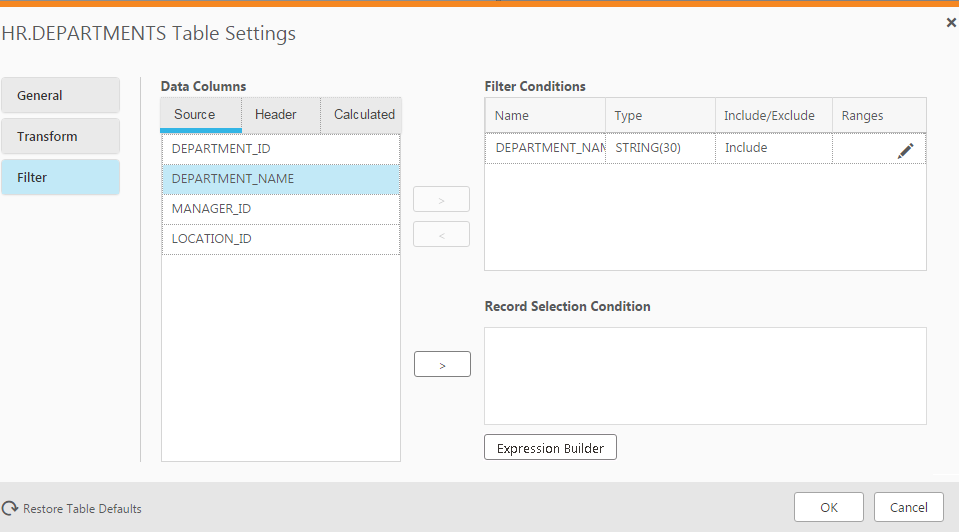  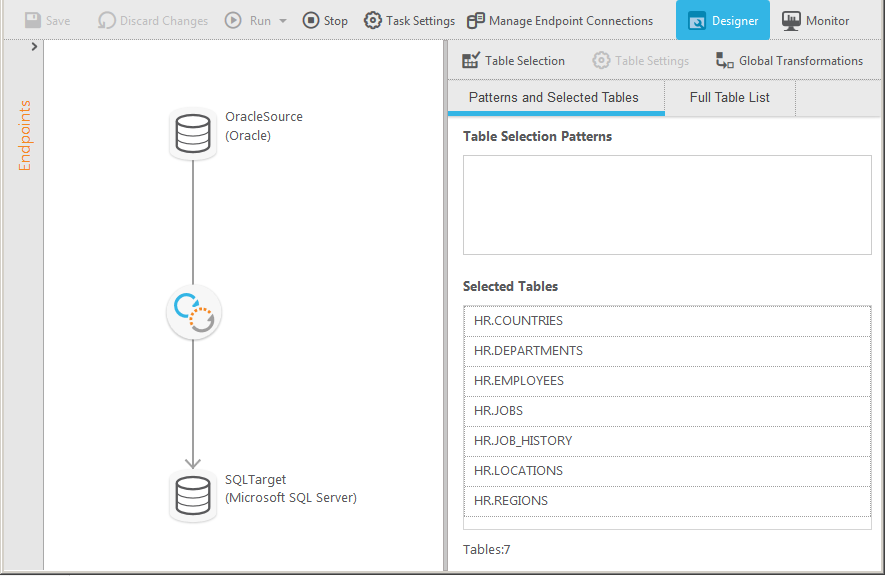    |





