
Qlik Analytics Platform vs. Swiftify
Qlik Analytics Platform vs. Swiftify
| Product | Rating | Most Used By | Product Summary | Starting Price |
|---|---|---|---|---|
 Qlik Analytics Platform | N/A | The Qlik Analytics Platform (QAP) is a developer platform for building custom analytic applications based on rich frontend and backend APIs. It gives full API access to the Qlik associative engine to build rich data-driven analytic applications, for example when building web applications for extranet and Internet deployment. | N/A | |
 Swiftify | Small Businesses (1-50 employees) | When Apple rolled out Swift back in 2014, Objective-C was set to be replaced. Even nowadays, however, there are plenty of apps and projects that still use Objective-C, and developers are faced with the prospect of either starting again from scratch or attempting to convert them to Swift. Swiftify for Xcode is designed to automate much of the conversion process, handling the task of replacing syntax while letting you focus on other aspects of migrating your project to… | $5 per file |
| Qlik Analytics Platform | Swiftify | |||||||||||||||
|---|---|---|---|---|---|---|---|---|---|---|---|---|---|---|---|---|
| Editions & Modules | No answers on this topic |
| ||||||||||||||
| Offerings |
| |||||||||||||||
| Entry-level Setup Fee | No setup fee | No setup fee | ||||||||||||||
| Additional Details | — | — | ||||||||||||||
| More Pricing Information | ||||||||||||||||
| Qlik Analytics Platform | Swiftify |
|---|
| Qlik Analytics Platform | Swiftify | |
|---|---|---|
| Small Businesses |  Visual Studio Score 9.1 out of 10 |  Jotform Score 8.5 out of 10 |
| Medium-sized Companies | Visual Studio Score 9.1 out of 10 | Jotform Score 8.5 out of 10 |
| Enterprises | Visual Studio Score 9.1 out of 10 |  ServiceNow Now Platform Score 9.1 out of 10 |
| All Alternatives | View all alternatives | View all alternatives |
| Qlik Analytics Platform | Swiftify | |
|---|---|---|
| Likelihood to Recommend | 8.6 (0 ratings) | 8.2 (0 ratings) |
| Support Rating | 8.0 (0 ratings) | 8.3 (0 ratings) |
| Qlik Analytics Platform | Swiftify | |
|---|---|---|
| Likelihood to Recommend |
 Peter Nyffels Digital Community Content Manager | 
|
| Pros |
|
 Pedro Soria Martínez Technical Support |
| Cons |
Peter Nyffels Digital Community Content Manager |
 Yuriy Yarosh Applications Engineer |
| Support Rating |
|
|
| Alternatives Considered |
|
|
| Return on Investment |
 Filippo Orlando Advanced Analytics Manager |
|
| ScreenShots | Swiftify Screenshots 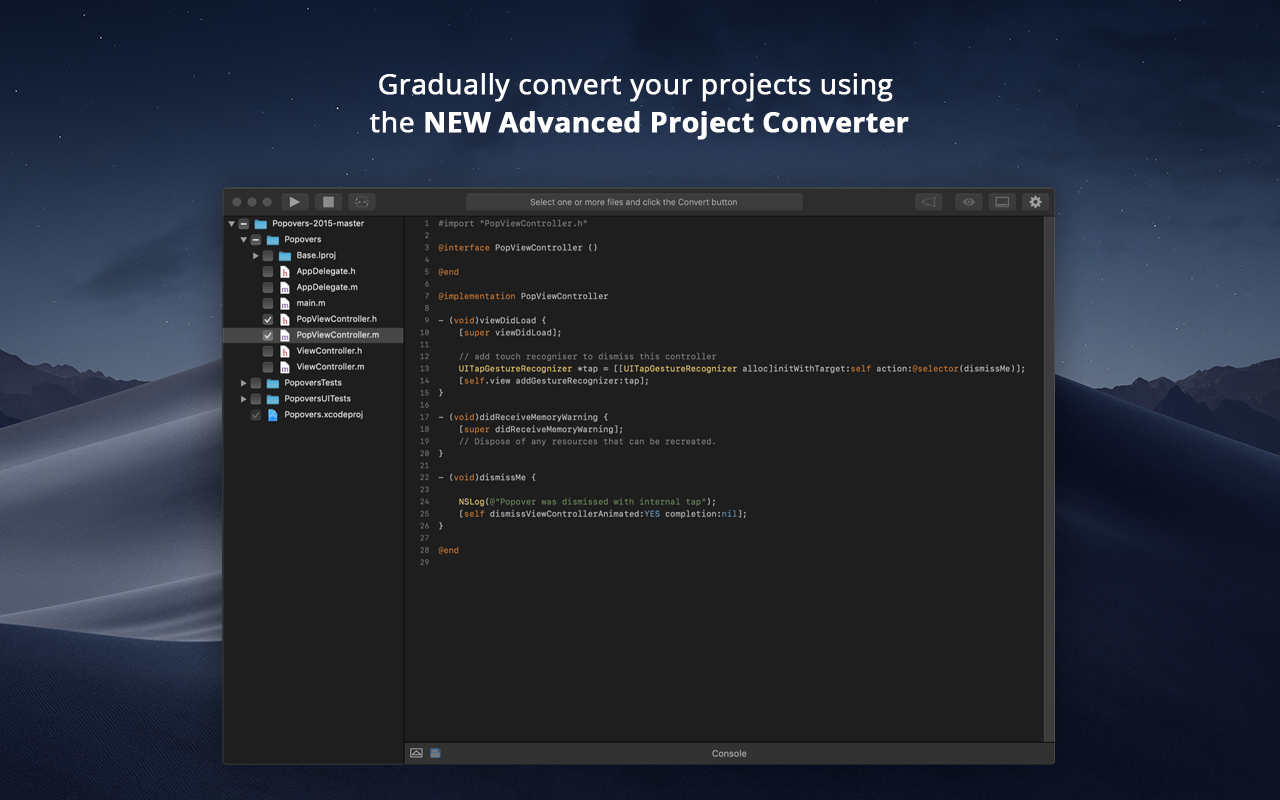     |