
Apache Subversion vs. Plastic SCM
Apache Subversion vs. Plastic SCM
| Product | Rating | Most Used By | Product Summary | Starting Price |
|---|---|---|---|---|
 Apache Subversion | N/A | Apache Subversion is a version control option that is free to download and open source under the Apache 2.0 license. | N/A | |
 Plastic SCM | Enterprise companies (1,001+ employees) | Plastic SCM is a full stack version control system that aims to make software configuration easy. It focuses on enabling dev teams get work done by facilitating branching, diffing and merging. The vendor says that for those purposes it provides cross-platform apps and GUIs with: Branch explorer Diffing and merging tools (both syntactic and semantic) On-premises and cloud repo management Code review mergebots (last mile… | $6.95 per user |
| Apache Subversion | Plastic SCM | |||||||||||||||
|---|---|---|---|---|---|---|---|---|---|---|---|---|---|---|---|---|
| Editions & Modules | No answers on this topic |
| ||||||||||||||
| Offerings |
| |||||||||||||||
| Entry-level Setup Fee | No setup fee | Optional | ||||||||||||||
| Additional Details | — | * Educational institutions receive a substantial discount on Plastic SCM licensing fees * Corporate/volume pricing is available * For more information, please contact sales at sales@codicesoftware.com | ||||||||||||||
| More Pricing Information | ||||||||||||||||
| Apache Subversion | Plastic SCM |
|---|
| Apache Subversion | Plastic SCM | |
|---|---|---|
| Small Businesses |  Git Score 10.0 out of 10 |  Salt Score 6.2 out of 10 |
| Medium-sized Companies | Git Score 10.0 out of 10 | Salt Score 6.2 out of 10 |
| Enterprises |  Perforce P4 Score 7.7 out of 10 | Perforce P4 Score 7.7 out of 10 |
| All Alternatives | View all alternatives | View all alternatives |
| Apache Subversion | Plastic SCM | |
|---|---|---|
| Likelihood to Recommend | 6.6 (0 ratings) | 8.4 (0 ratings) |
| Likelihood to Renew | 3.1 (0 ratings) | - (0 ratings) |
| Apache Subversion | Plastic SCM | |
|---|---|---|
| Likelihood to Recommend | 
 Cristian Bodnarasec Senior Software Development Manager | 
|
| Pros |
|
 Jacob James Salzberg Co-Founder |
| Cons |
|
Jacob James Salzberg Co-Founder |
| Likelihood to Renew |
| No answers on this topic |
| Alternatives Considered |
 Richard Davies Web Application Developer |
Jacob James Salzberg Co-Founder |
| Return on Investment |
 Arthur Adams CM Analyst |
Jacob James Salzberg Co-Founder |
| ScreenShots | Plastic SCM Screenshots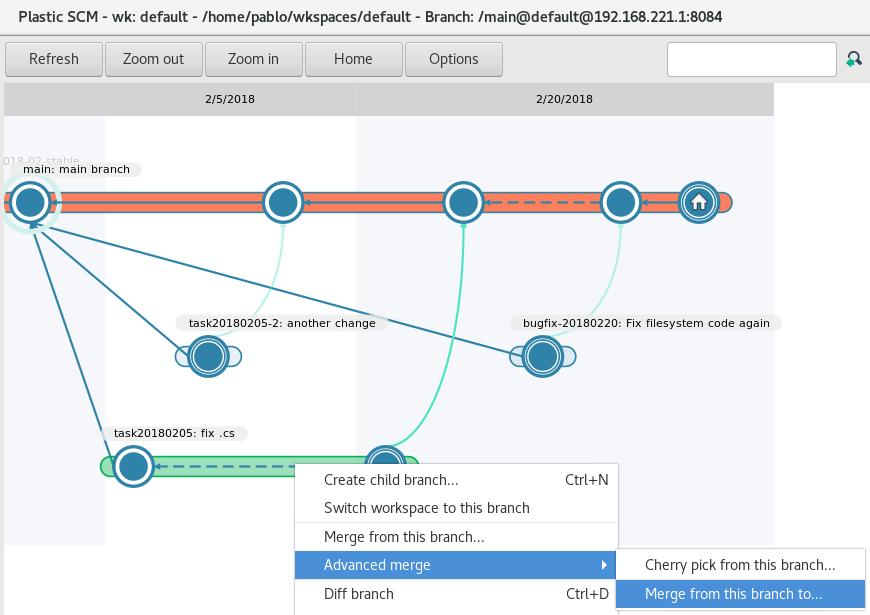   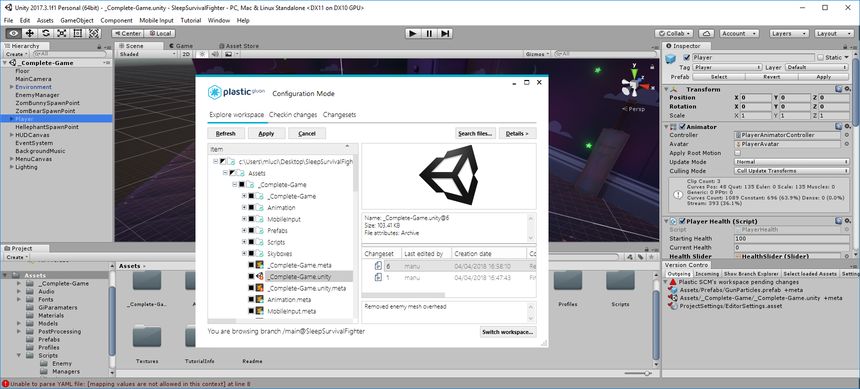  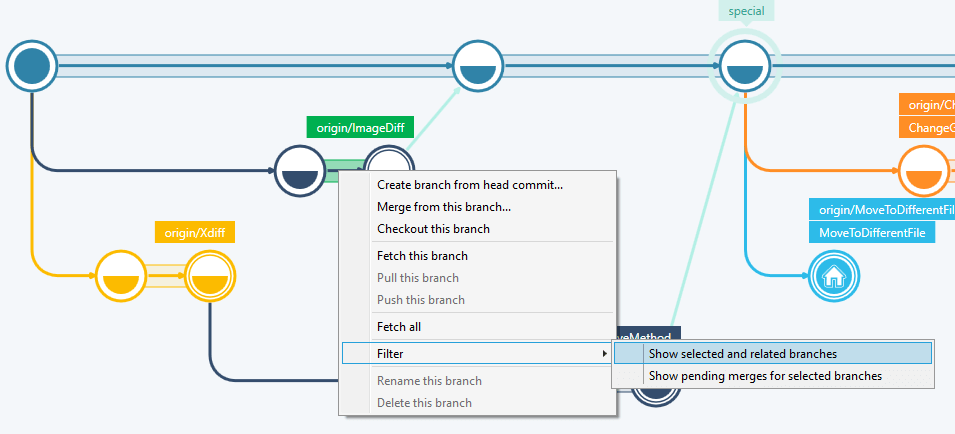 |
