
Pandora FMS vs. Progress WhatsUp Gold
Pandora FMS vs. Progress WhatsUp Gold
| Product | Rating | Most Used By | Product Summary | Starting Price |
|---|---|---|---|---|
 Pandora FMS | Enterprise companies (1,001+ employees) | Pandora FMS is a flexible monitoring solution. It is presented as ideal for medium and big-sized environments with at least 100 devices. Users can monitor any device, infrastructure, application, IT as well as business processes and services. It allows business users to obtain information from their concerns in real time, visualizing the data in a direct way. The solution boasts users among companies and organizations in more than 40 countries around the world, who according to the… | $2,990 100 nodes | |
 Progress WhatsUp Gold | Mid-Size Companies (51-1,000 employees) | WhatsUp Gold developed by Ipswitch (acquired by Progress Software May 2019) offers network performance monitoring and mapping. It supports core monitoring features, including automated workflows and network capacity planning, and monitors across hybrid environments. | N/A |
| Pandora FMS | Progress WhatsUp Gold | |||||||||||||||
|---|---|---|---|---|---|---|---|---|---|---|---|---|---|---|---|---|
| Editions & Modules |
| No answers on this topic | ||||||||||||||
| Offerings |
| |||||||||||||||
| Entry-level Setup Fee | Required | Optional | ||||||||||||||
| Additional Details | Licensed for individual nodes (agents), starting from 100 nodes. | — | ||||||||||||||
| More Pricing Information | ||||||||||||||||
| Pandora FMS | Progress WhatsUp Gold |
|---|
| Pandora FMS | Progress WhatsUp Gold | |||||||||||||||||||||||||||||||||
|---|---|---|---|---|---|---|---|---|---|---|---|---|---|---|---|---|---|---|---|---|---|---|---|---|---|---|---|---|---|---|---|---|---|---|
| Network Performance Monitoring |
|
| Pandora FMS | Progress WhatsUp Gold | |
|---|---|---|
| Small Businesses |  NinjaOne Score 9.0 out of 10 | NinjaOne Score 9.0 out of 10 |
| Medium-sized Companies |  SolarWinds NetFlow Traffic Analyzer (NTA) Score 9.0 out of 10 |  Intermapper Score 8.4 out of 10 |
| Enterprises | SolarWinds NetFlow Traffic Analyzer (NTA) Score 9.0 out of 10 |  Cisco Meraki Dashboard Score 9.3 out of 10 |
| All Alternatives | View all alternatives | View all alternatives |
| Pandora FMS | Progress WhatsUp Gold | |
|---|---|---|
| Likelihood to Recommend | 9.0 (0 ratings) | 8.3 (0 ratings) |
| Likelihood to Renew | 9.0 (0 ratings) | - (0 ratings) |
| Usability | 9.0 (0 ratings) | - (0 ratings) |
| Support Rating | 9.0 (0 ratings) | 4.2 (0 ratings) |
| Implementation Rating | 8.0 (0 ratings) | - (0 ratings) |
| Pandora FMS | Progress WhatsUp Gold | |
|---|---|---|
| Likelihood to Recommend | 
 Guillermo Sanchez CEO, CTO & Co-Fundador | 
|
| Pros |
Guillermo Sanchez CEO, CTO & Co-Fundador |
 John Glenn Network Operations Manager |
| Cons |
 Víctor Carrión Hontoria Sysadmin |
|
| Usability |
Víctor Carrión Hontoria Sysadmin | No answers on this topic |
| Support Rating |
Guillermo Sanchez CEO, CTO & Co-Fundador |
|
| Alternatives Considered |
Guillermo Sanchez CEO, CTO & Co-Fundador |
 Victor Adebayo IT Support Executive |
| Return on Investment |
Víctor Carrión Hontoria Sysadmin |
|
| ScreenShots | Pandora FMS Screenshots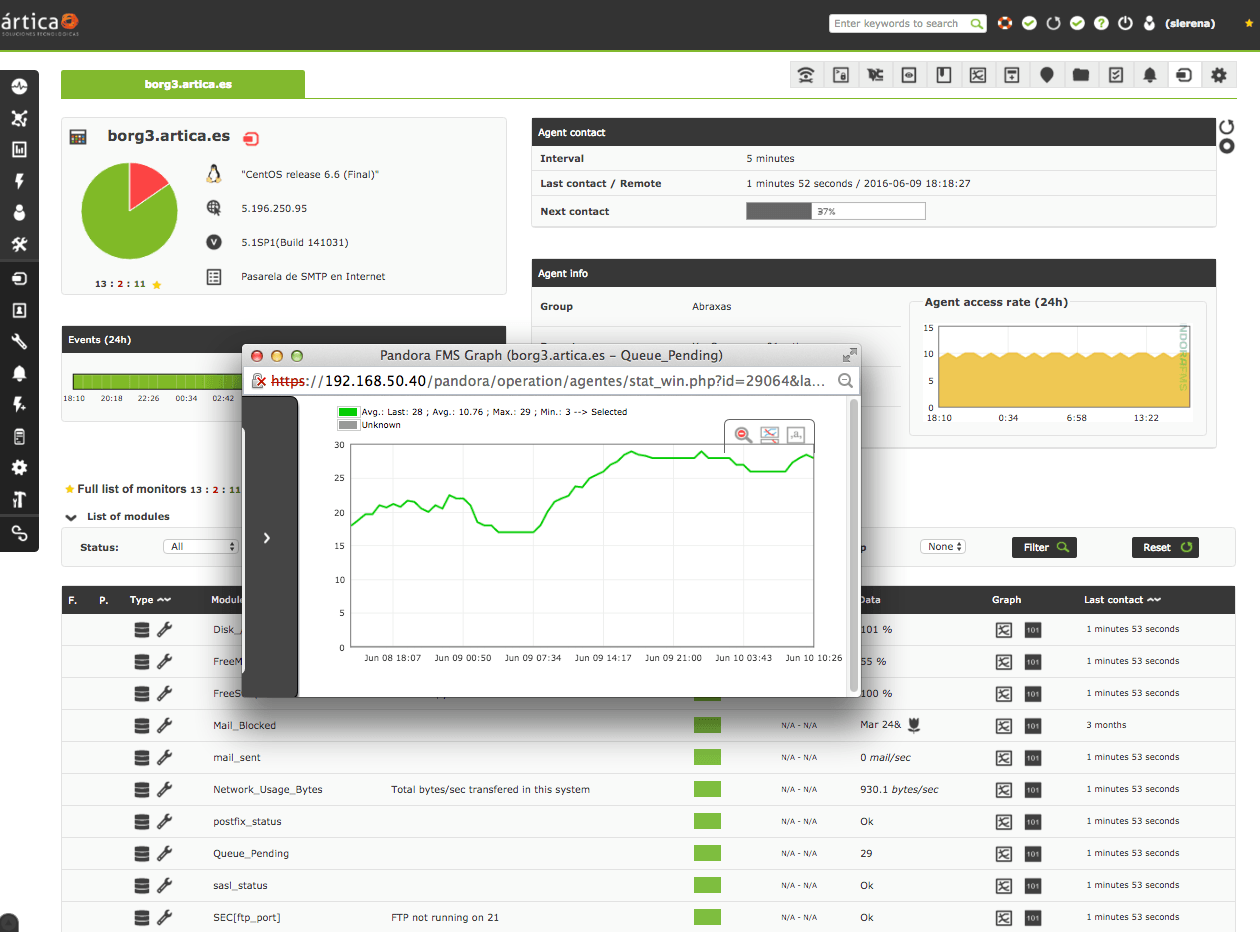   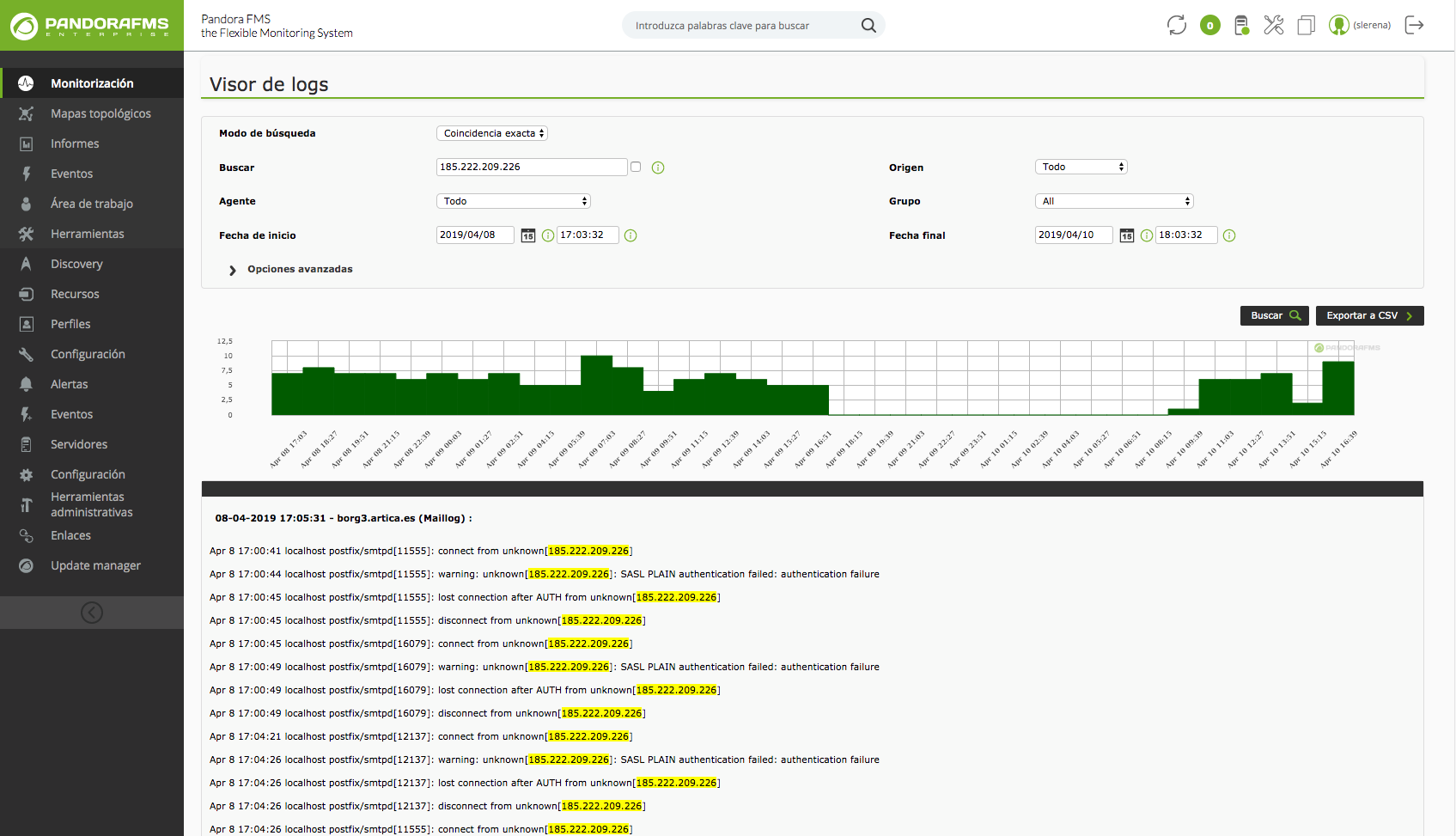   | Progress WhatsUp Gold Screenshots  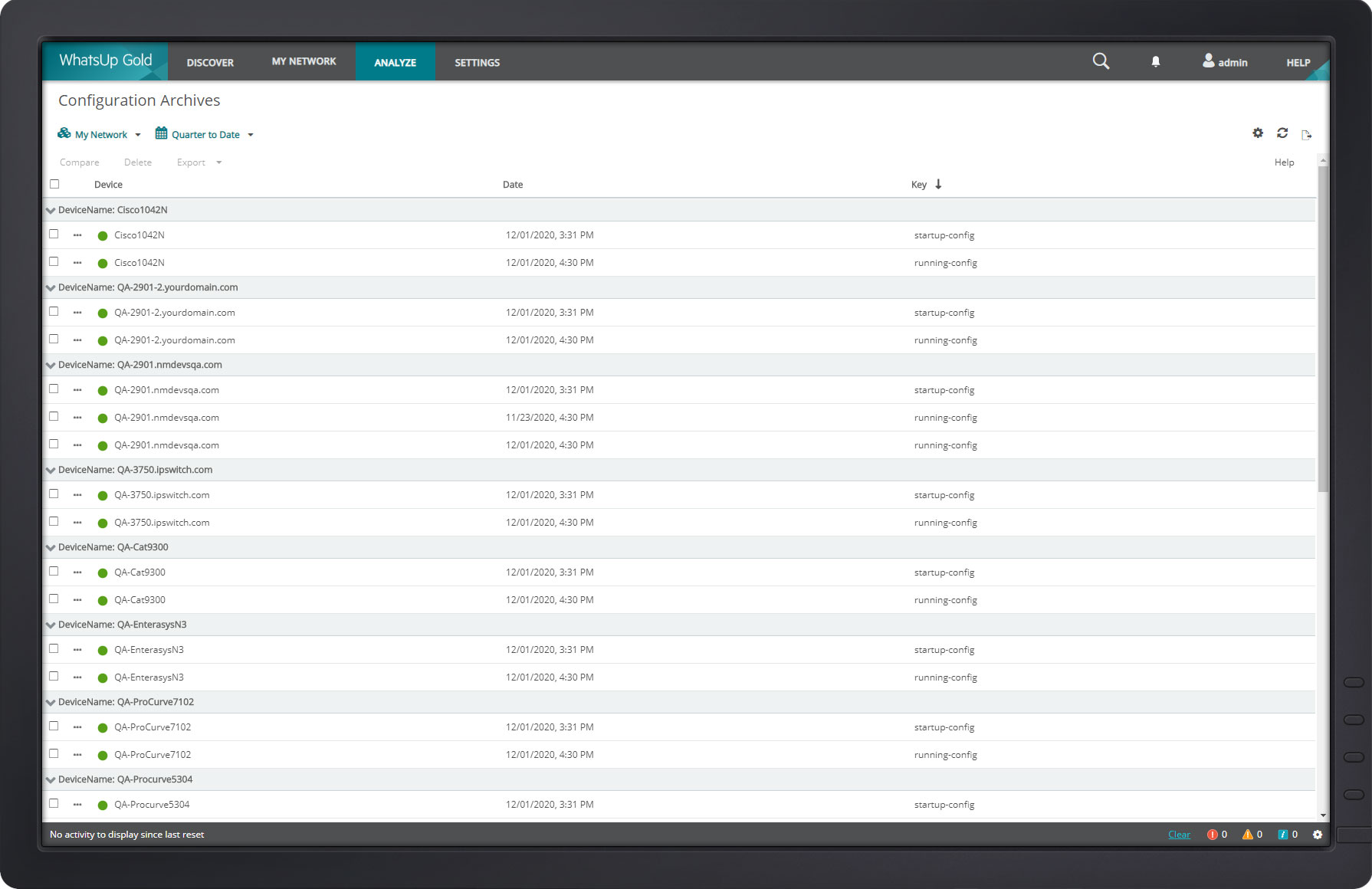  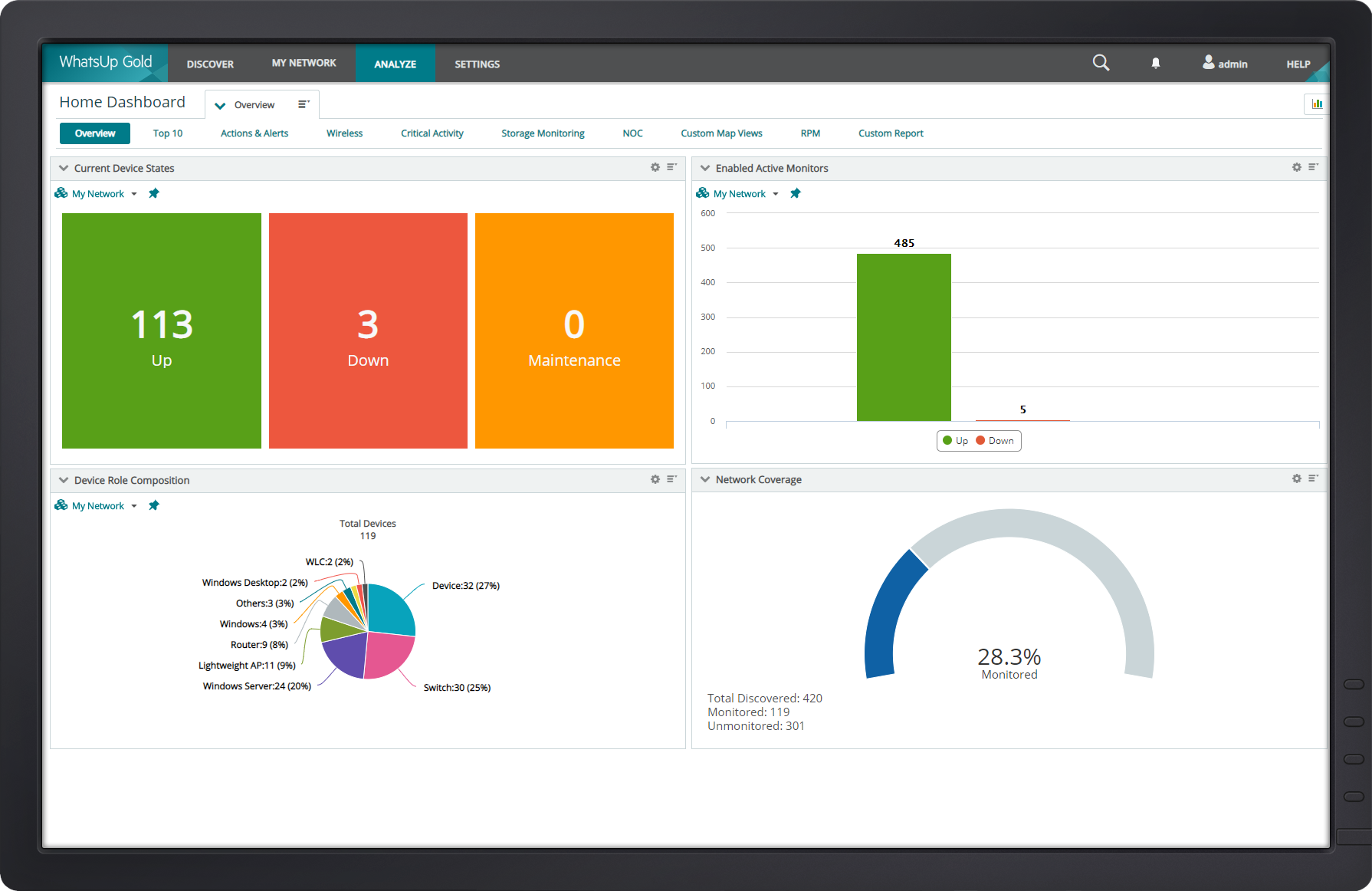  |