Oracle Fusion Cloud PLM is a collaborative platform that helps users bring product ideas to market faster by standardizing and structuring the data and processes that go into innovating, developing, and commercializing products and services. It includes the capabilities of the former Agile Software Corporation, acquired by Oracle in 2007.
N/A
SAP Integrated Product Development
Score 9.5 out of 10
N/A
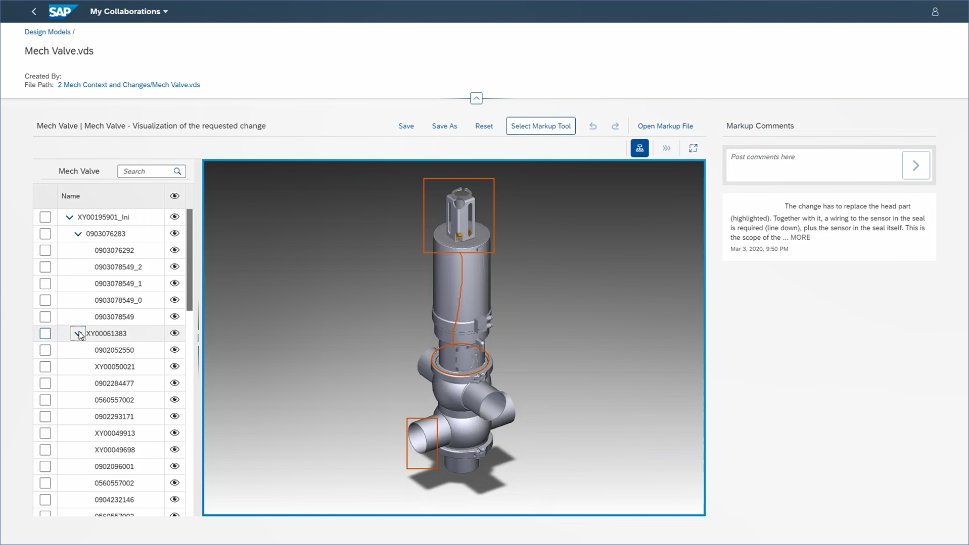
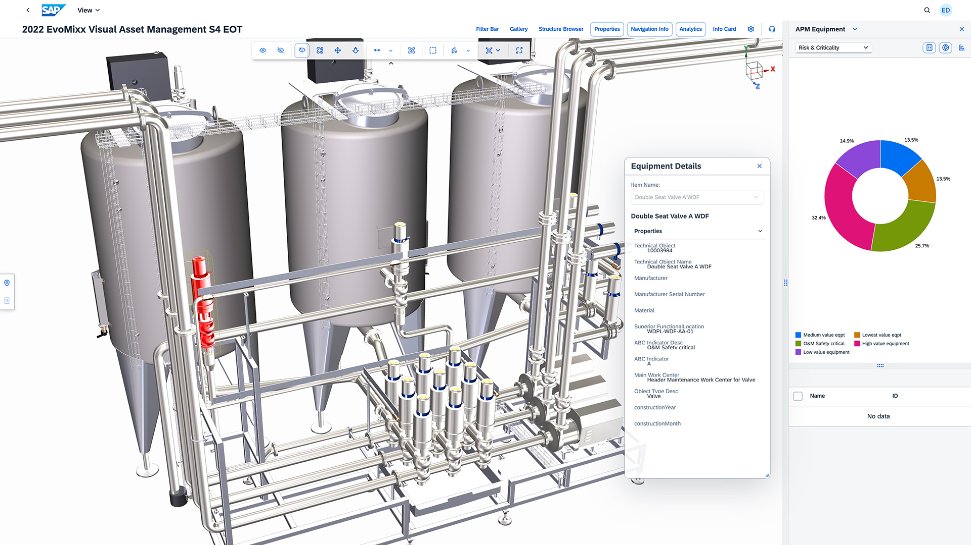
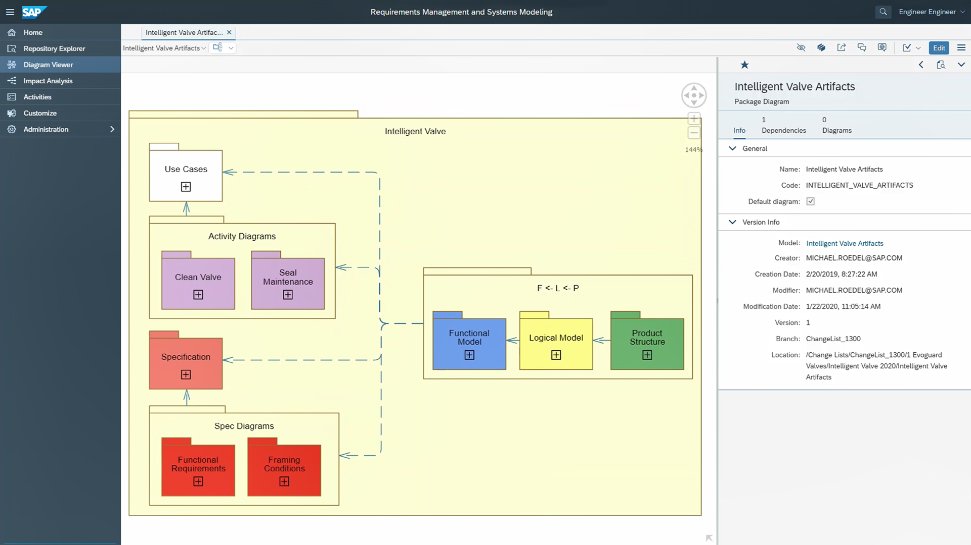
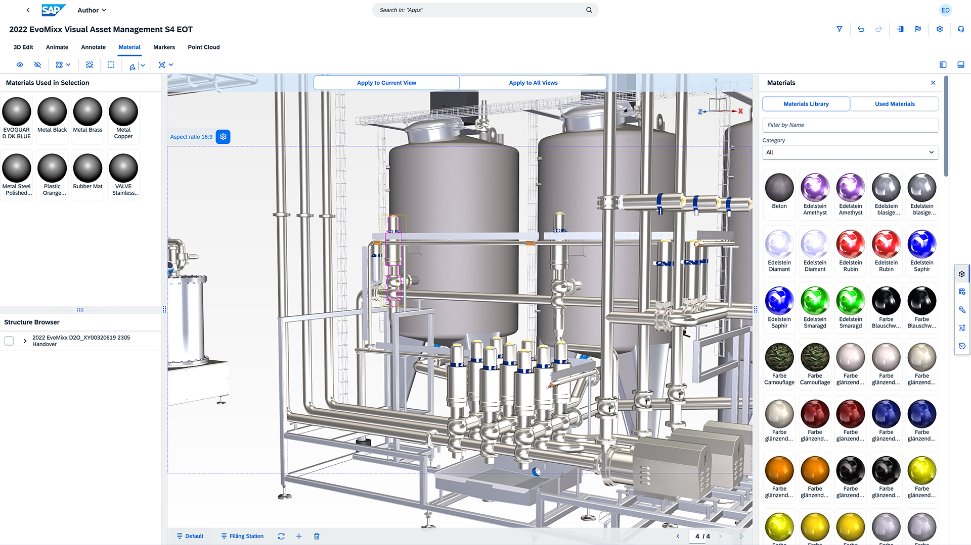
SAP Integrated Product Development is a product lifecycle management solution used to define, develop, and deliver innovative and sustainable products faster by connecting insights, processes, and people.
We use Oracle Product Hub Cloud to manage our supply chain and increase productivity. This is an awesome tool to manage our customer database and reduce unwanted costs of product management and shipping. The way this tool is designed is really amazing because we can create a product easily and we can streamline ERP and our supply chain.
SAP PLM is well suited for any industry that needs to track the creation of a product from the raw material stage all the way to the shipped product. I do not think it would be well suited for very small companies which do not have any materials, products, and inventory to track.
Products and requirements are growing more complex than ever. Oracle's Agile Product Lifecycle Management helps you innovate profitably, with the broadest and most comprehensive solution to efficiently centralize product data, streamline processes, and launch quality products faster. Agile PLM is a strategic approach to managing the lifestyle of a product throughout its full value chain from initial requirements gathering through to design, prototyping, obtaining certification, product customization, service and retirement. Agile PLM emphasizes process efficiency, cross-functional collaboration in the extended enterprise, rapid innovation, rigorous quality control, risk mitigation, and cost-effectiveness.
The aspects that I like of Oracle Agile Project Management is that it helps foster collaboration between internal team members and vendors. All of our processes are documented on the platform, and the platform helps increase accountability across all internal teams. Collaboration is great in this tool.
Oracle Agile is a good product lifecycle management (PLM) software tool/database. Oracle Agile PLS is overall and for the most part, easy to use and has the ability to be customized and is able to provide visibility into the data that was entered into the database. This tool allows cross-functional teams to work on the same task at the same time, which is great when working remotely and/or working on an all remote team. Overall, this tool helped to accelerate product review, approval, and ultimately launch of new materials, therefore maximizing profitability and enhance product features and design as needed. The database is easy to use and does not require much training for someone who is technically savvy with other similar databases, and/or have used them in the past.
There lots of functionality and features in this product which gives you, as a company, great benefits to be able to manage your products portfolio. Easy to document products and have a way of looking up a product history and quality issues in the past. Better teamwork with pair engineering and co-located teams. Less documentation to restrict creativity, less time spent doing blind research, testing and feedback speeds up learning, and smaller more rapid improvements.
Agile PLM does not let us keep workloads properly balanced if we want to use more than one virtual network (VCN, specifically), forcing us to work with a single network in which we manage the different levels of the work infrastructure. Although this is a drawback, it has helped us to adapt to more centralized methodologies.
While considering oracle Product Hub Cloud, the most thing which attracted me toward it is that it provides a single, Best in class data management to deliver master product record that threads business process including cross chain compliance product introductions although it hasn't built a cloud product that the general market is looking for.
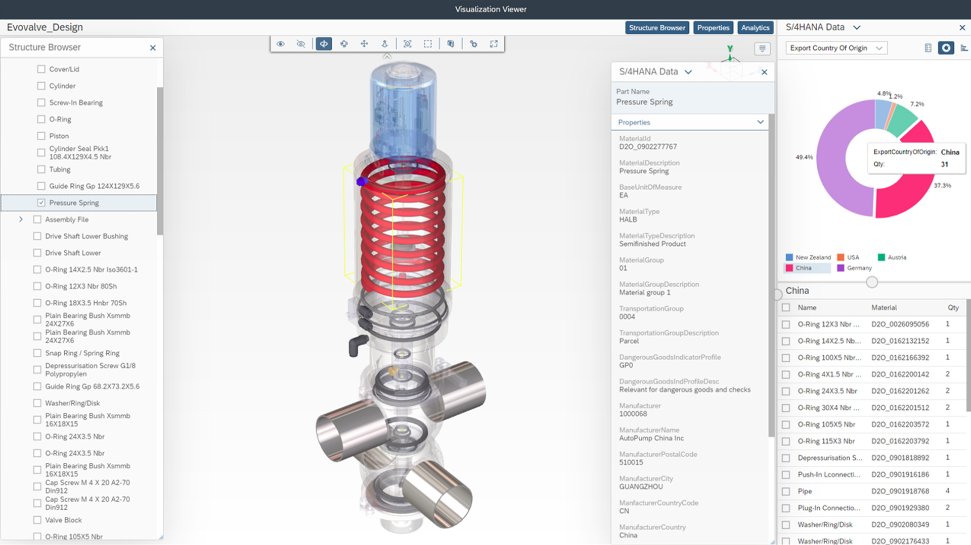
SAP PLM encompasses SAP BW and SAP PRD. We tend to focus more on the SAP PRD portion as it directly involves more closely to production. We selected SAP PLM because it gives us a great visibility in the life cycle of materials, products and overall costs. SAP PLM compliments the other packages very well
Accurately able to order raw materials which are necessary for the current production run, thus reducing overhead.
The negative impact would be the initial cost of the software and how long it would take to ROI that cost.
It has allowed us to control batches of product creation much more closer and have the ability to cut some erroneous costs which were found in large batches.