
Oracle Data Integration Platform Cloud (discontinued) vs. SSIS Data Flow Components
Oracle Data Integration Platform Cloud (discontinued) vs. SSIS Data Flow Components
| Product | Rating | Most Used By | Product Summary | Starting Price |
|---|---|---|---|---|
 Oracle Data Integration Platform Cloud (discontinued) | N/A | Oracle Data Integration Platform Cloud (DIPC) was a platform for real-time data replication, data transformation, data quality, and data governance. It was discontinued in 2024. | N/A | |
 SSIS Data Flow Components | N/A | Devart SSIS Data Flow Components are designed to simplify the ETL process within SQL Server Integration Services (SSIS) packages, allowing users to connect cloud applications and databases through their SSIS workflows without the need to write complex code. Export data from various sources to different file formats Import XML, CSV, and other files to cloud applications and databases Synchronize cloud applications and databases Migrate from one… | $549.95 one-time fee |
| Oracle Data Integration Platform Cloud (discontinued) | SSIS Data Flow Components | |||||||||||||||
|---|---|---|---|---|---|---|---|---|---|---|---|---|---|---|---|---|
| Editions & Modules | No answers on this topic |
| ||||||||||||||
| Offerings |
| |||||||||||||||
| Entry-level Setup Fee | No setup fee | No setup fee | ||||||||||||||
| Additional Details | — | Purchase includes a perpetual product license and a 1 year of subscription which includes the product updates and premium support. | ||||||||||||||
| More Pricing Information | ||||||||||||||||
| Oracle Data Integration Platform Cloud (discontinued) | SSIS Data Flow Components |
|---|
| Oracle Data Integration Platform Cloud (discontinued) | SSIS Data Flow Components | |
|---|---|---|
| Likelihood to Recommend | 9.0 (0 ratings) | - (0 ratings) |
| Oracle Data Integration Platform Cloud (discontinued) | SSIS Data Flow Components | |
|---|---|---|
| Likelihood to Recommend | 
 Aravind Chencharapu Sr. Technology Analyst |  No answers on this topic |
| Pros |
Aravind Chencharapu Sr. Technology Analyst | No answers on this topic |
| Cons |
| No answers on this topic |
| Alternatives Considered |
| No answers on this topic |
| Return on Investment |
| No answers on this topic |
| ScreenShots | Oracle Data Integration Platform Cloud (discontinued) Screenshots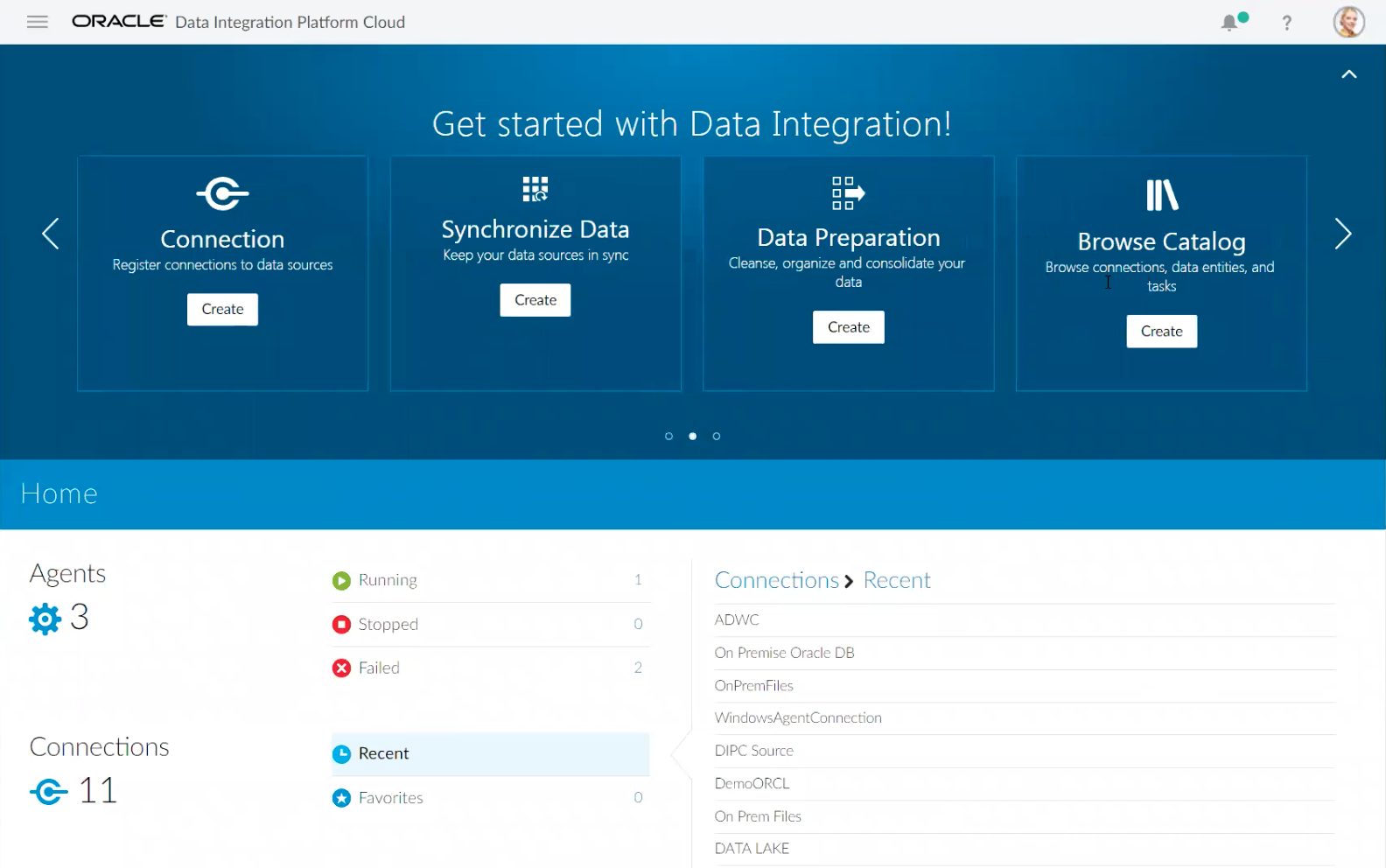  | SSIS Data Flow Components Screenshots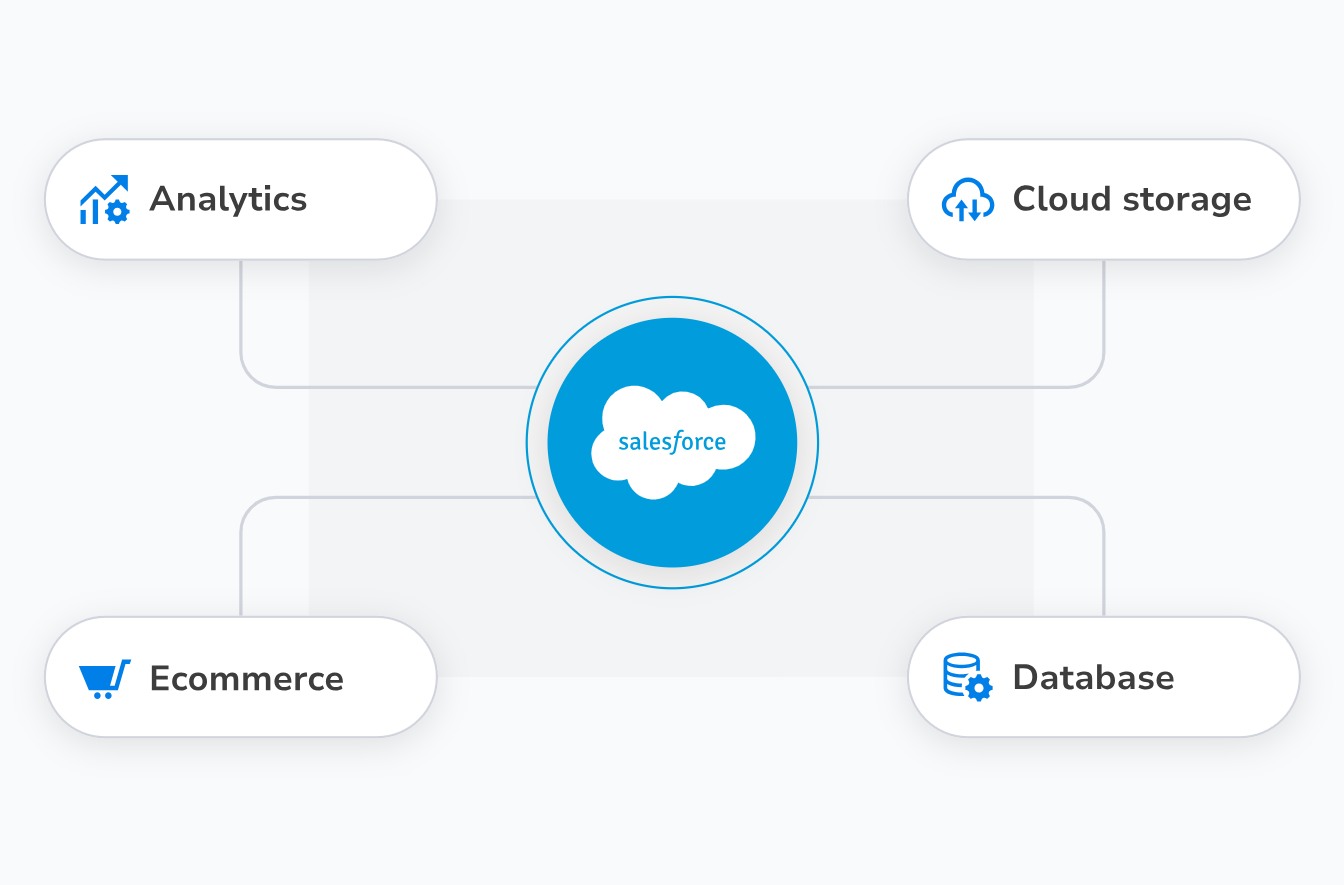 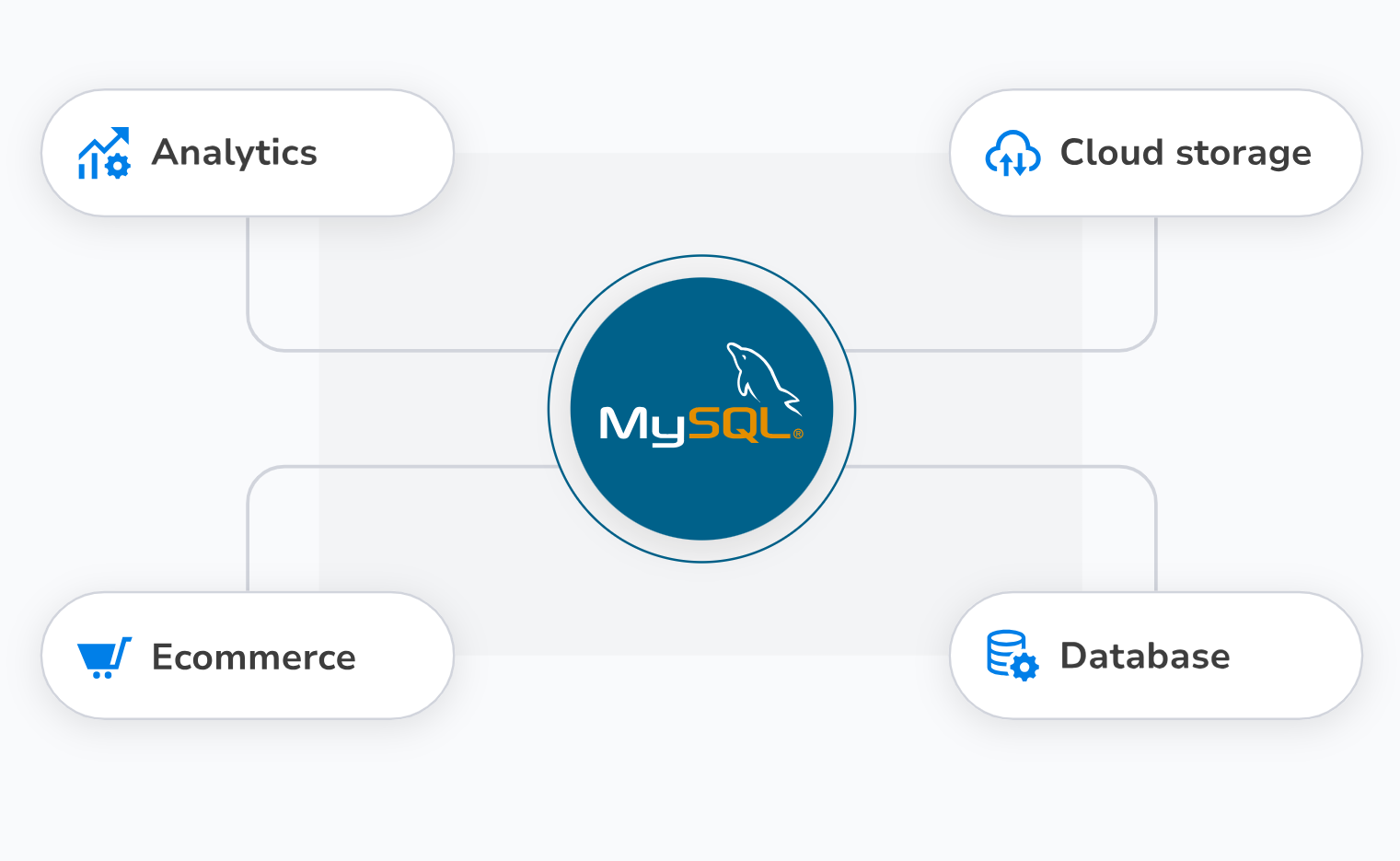 |