Mhelpdesk is a field service software solution that manages field technicians, work orders, employee scheduling, and client billing. By combining and integrating multiple business management tools, Mhelpdesk provides a solution that eliminates double-data entry while giving business owners visibility over their field technicians in real-time.
$49
per month
ServiceMax
Score 7.9 out of 10
N/A
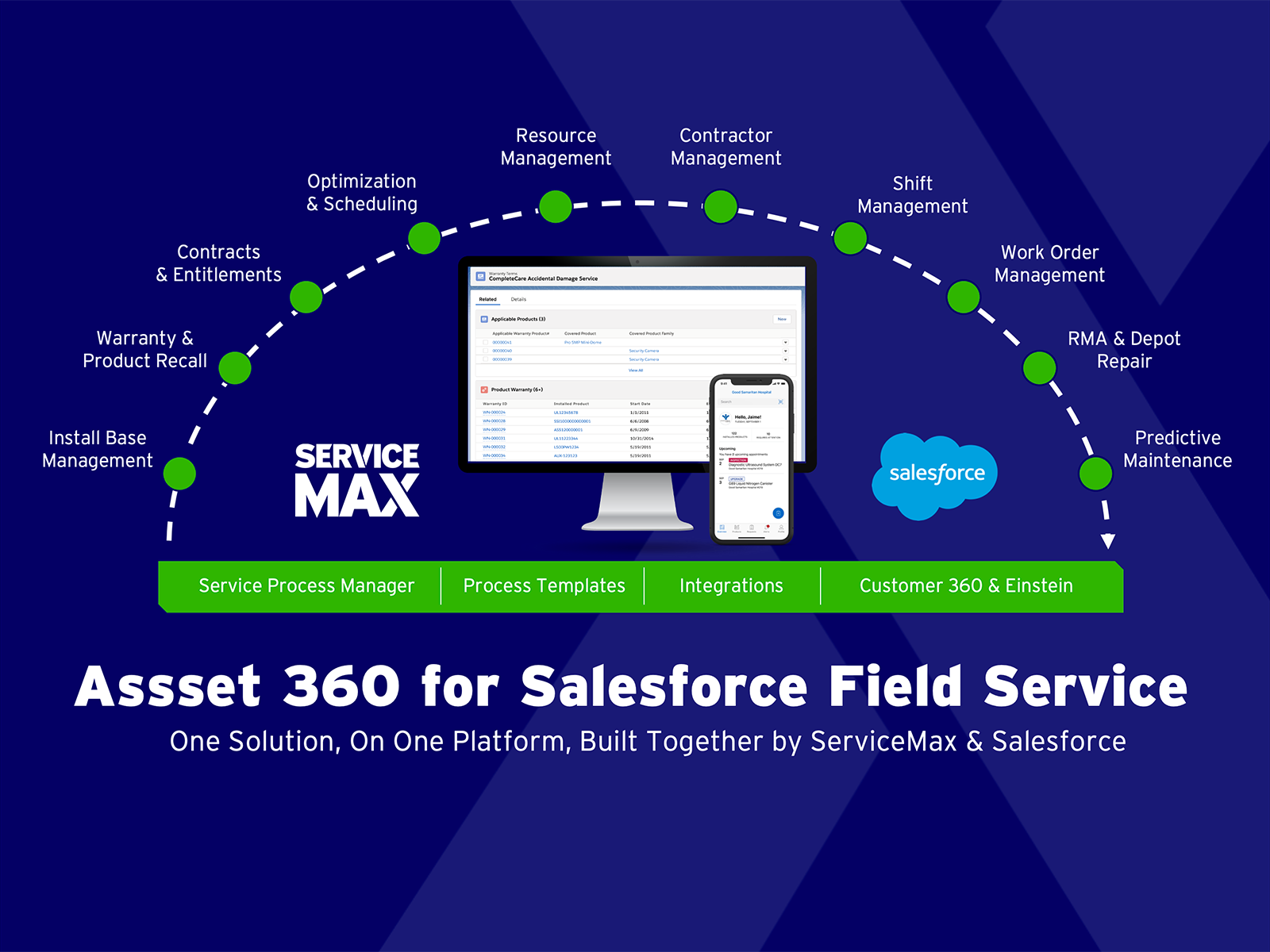
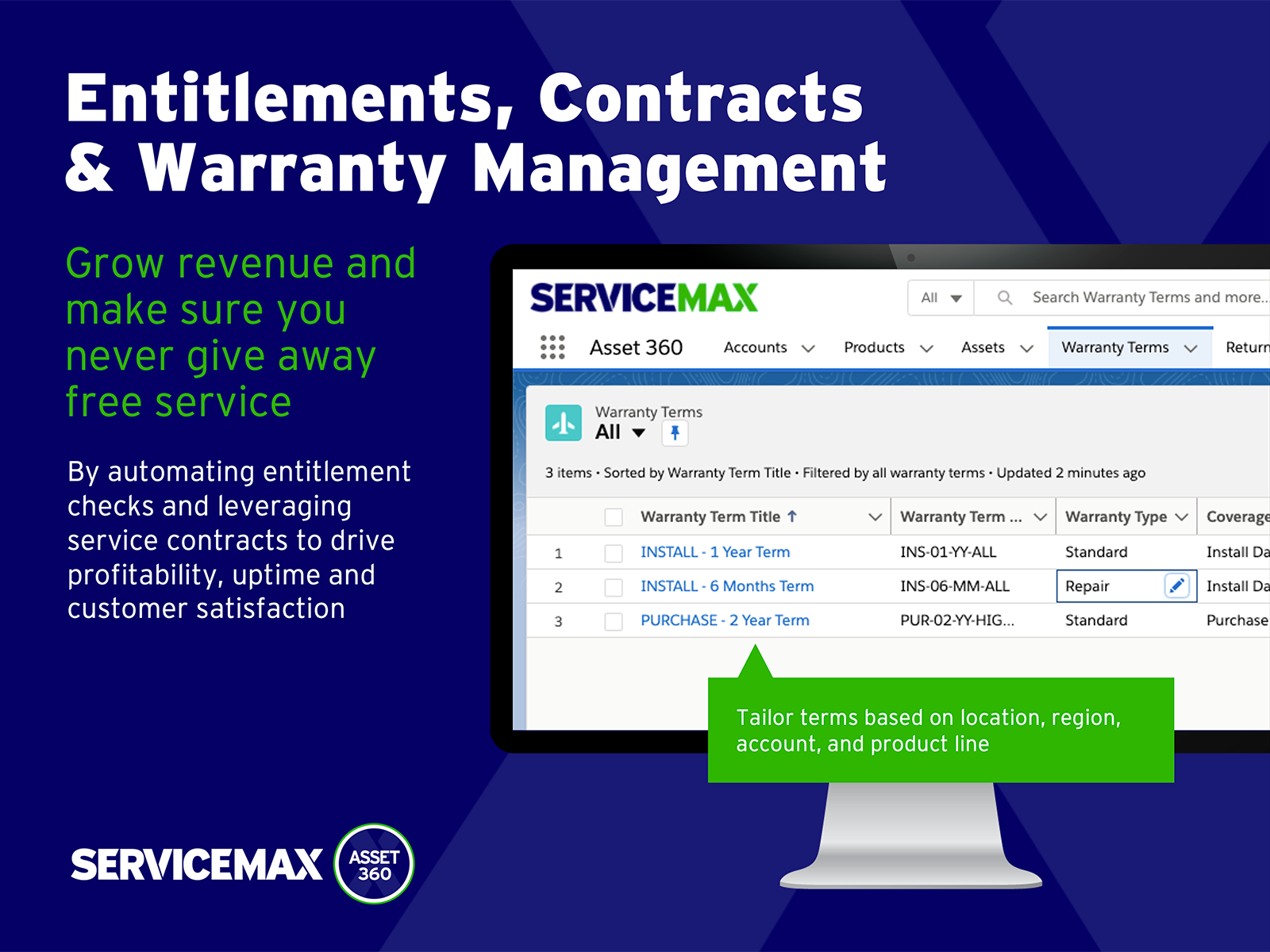
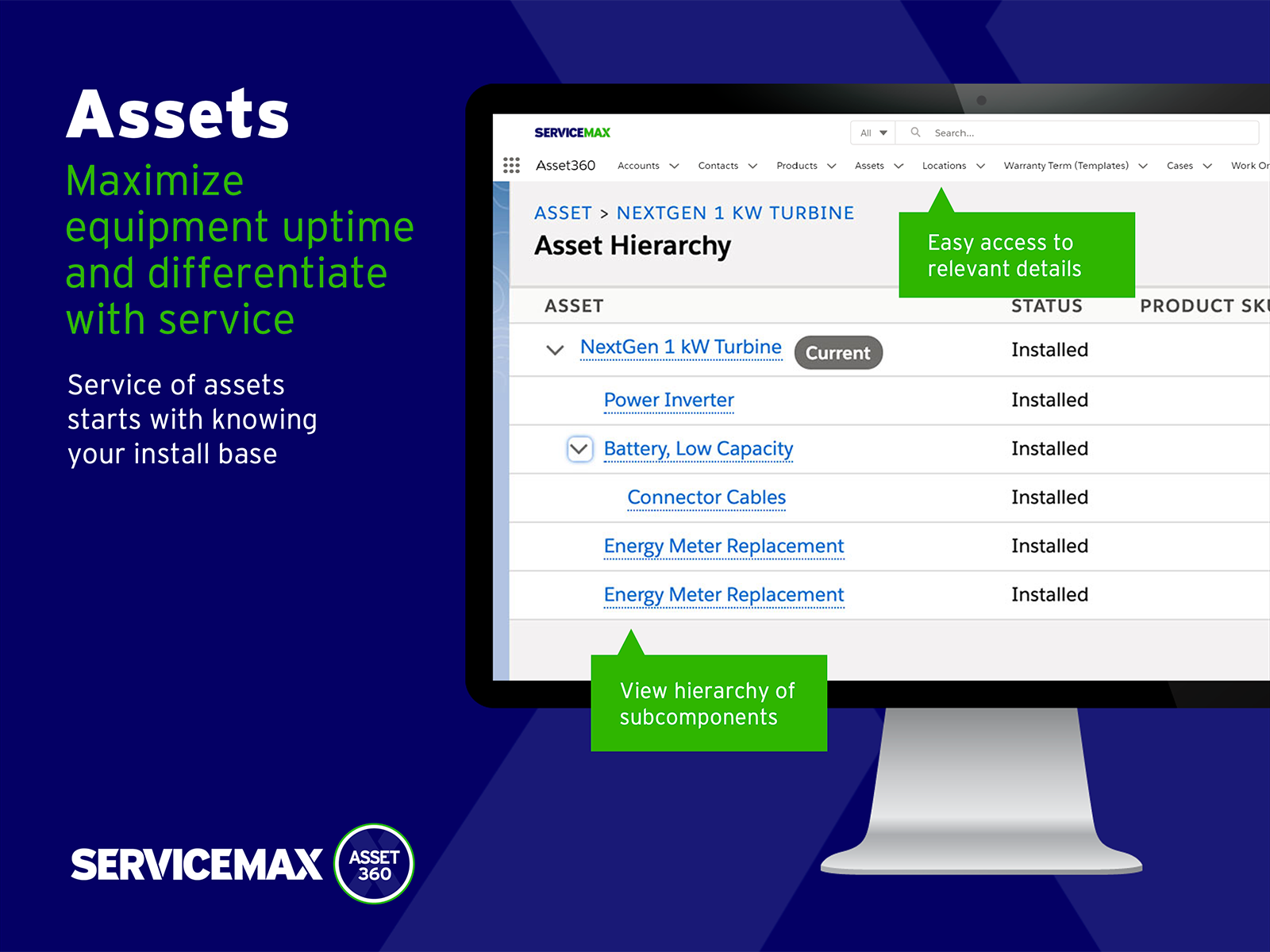
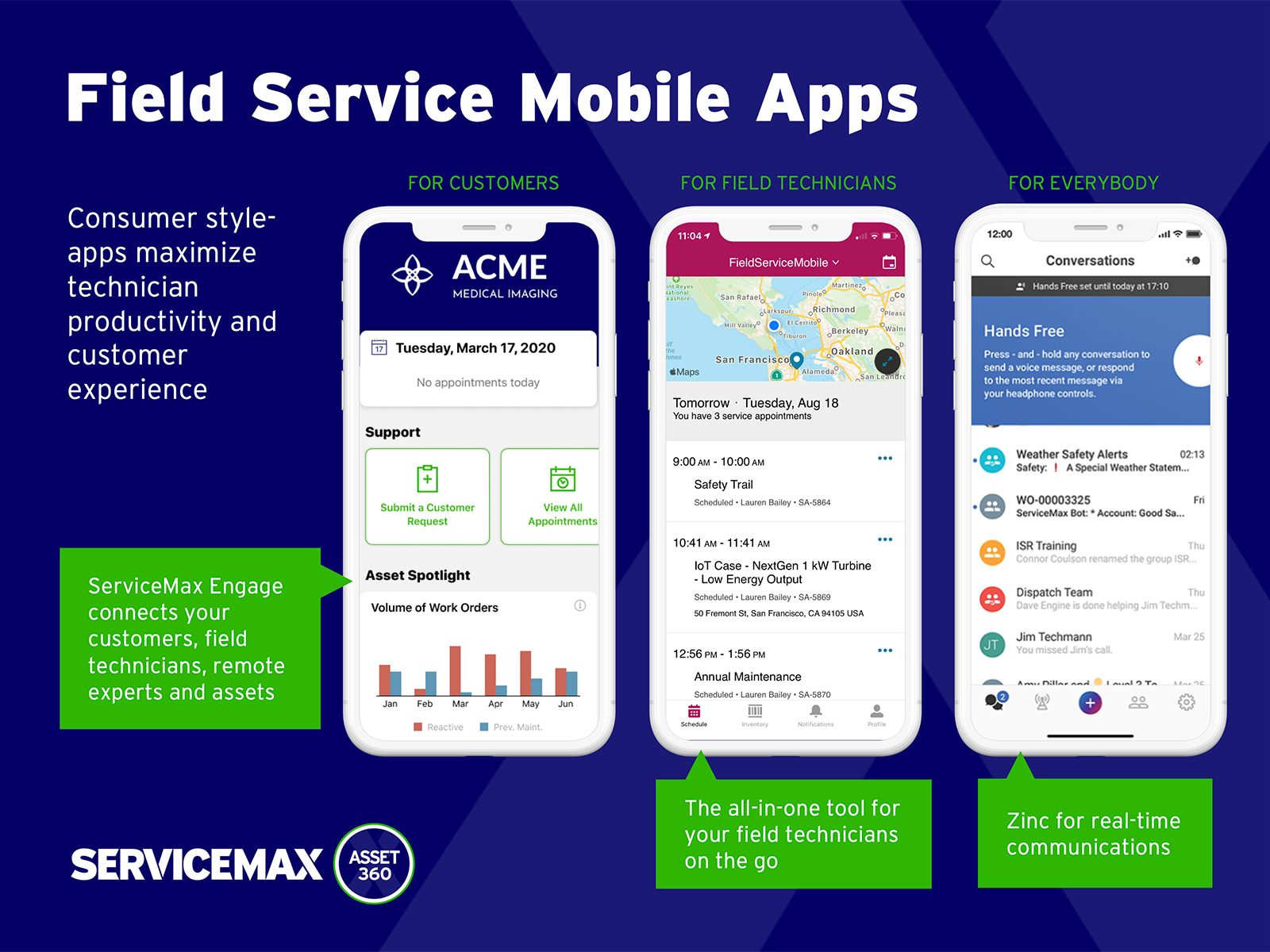
ServiceMax’s mission is to help customers with asset-centric field service management software. ServiceMax’s mobile apps and cloud-based software provide an overview of assets to field service teams. By optimizing field service operations, customers across all industries can better manage the complexities of service, support faster growth and run more profitable, outcome-centric businesses.
Mhelpdesk is perfect for smaller companies and mid-sized companies I would say. Larger companies may need something a little more advanced for lack of better words or able to handle thousands upon thousands of constant work orders, etc. Smaller companies or companies that are mid-size would benefit from this program the most as it provides the necessary programming to succeed along with its ease of use.
Small deployments, where you have some specific need for ServiceMax and absolutely need offline capabilities, and are willing to deal with the problems. Otherwise, you may be better off looking at the built-in Work Orders and field service module that Salesforce is now providing. Their app is direct competition for ServiceMax and integrates much better with cases and knowledge articles.
mHelpDesk lacks in its expansion ability of multiple administrator types. We have executive level, midlevel, and department level administrators in addition to the tech, managers, etc. working directly with the system. It seems we are always about one admin level shy of what we need and are unable to create it.
mHelpDesk sometimes has difficulty with its mobile tracking either being accurate as seen by the administrators or in locking up the mobile devices of the techs. It is not a constant issue yet one which occurs often enough to be of note.
mHelpDesk doesn't track automatically so our mobile techs can shut that off. While that may be a disciplinary operational issue for us as well, we should be able to lock that setting "on" so our users are tracked which using the app.
When we first started using Mhelpdesk, RepairShopr was just a blip on our radar and didn't have the feature-set that Mhelpdesk did. RepairShopr looked great, but the Mhelpdesk had a lot more features. Every 6 months or so, I'd check on RepairShopr and it was growing fast and adding new features all the time. After a few years - the difference was night and day so we switched to RepairShopr and it's been a much better fit for our business.
ServiceMax has an offline capability, and also integrates with our Salesforce side of business. At the time, Salesforce did not have a field service application so we could not consider it, but if we could now, we would probably go with that instead. ServiceMax is also expensive. But at the time, ServiceMax was the only offering out there that integrated with Salesforce, had mobile offline capability, and could operate at the scale we needed.
ROI for ServiceMax is mostly dependent on how in depth the organization wants the software. Our ROI is expected within the second year of operation due to the complexity of integration and the initial training requirements for in-house programmers.
Inventory control ROI is expected within year three or four due to the number of technicians and creating the foundation of information to import into ServiceMax. Expectations are the front end programming will be complete and our programmers will be better acquainted with the modules and architecture to make the inventory integration smoother than the initial integration.
Our organization has been working with ServiceMax for ten months and beginning to incorporate the financials to the work orders. This process has not been as seamless as once projected and the root causes are under investigation. It appears the original fields available to track time between employees were not in depth nor segregated sufficiently for granularity.