
Markup Hero vs. UserTesting
Markup Hero vs. UserTesting
| Product | Rating | Most Used By | Product Summary | Starting Price |
|---|---|---|---|---|
 Markup Hero | Small Businesses (1-50 employees) | Screenshot, Annotate & Share Markup Hero is an annotation and screenshot tool designed to allow users to capture ideas, communicate clearly, and save time. Features Include: Screenshots Desktop app for Mac, Windows & Linux Works on any device including mobile Chrome extension Annotate screenshots, PDF's, images and URL's Always editable - annotations do not flatten permanently Arrow, text, rectangle, oval,… | $5 all features, unlimited markups, unlimited storage, unlimited bandwidth | |
 UserTesting | N/A | UserTesting helps UX researchers, designers, product teams, and marketers gather actionable insights through research, testing, and feedback. With a network of real people ready to share their perspectives, UserTesting enables organizations to make customer-first decisions at scale. | N/A |
| Markup Hero | UserTesting | |||||||||||||||
|---|---|---|---|---|---|---|---|---|---|---|---|---|---|---|---|---|
| Editions & Modules |
| No answers on this topic | ||||||||||||||
| Offerings |
| |||||||||||||||
| Entry-level Setup Fee | No setup fee | No setup fee | ||||||||||||||
| Additional Details | — | — | ||||||||||||||
| More Pricing Information | ||||||||||||||||
| Markup Hero | UserTesting |
|---|
| Markup Hero | UserTesting | |
|---|---|---|
| Small Businesses |  Sendspark Score 10.0 out of 10 |  Smartlook Score 8.2 out of 10 |
| Medium-sized Companies |  Snagit Score 9.3 out of 10 |  Optimal Score 9.0 out of 10 |
| Enterprises | Snagit Score 9.3 out of 10 | Optimal Score 9.0 out of 10 |
| All Alternatives | View all alternatives | View all alternatives |
| Markup Hero | UserTesting | |
|---|---|---|
| Likelihood to Recommend | 9.6 (2 ratings) | 8.1 (179 ratings) |
| Likelihood to Renew | - (0 ratings) | 8.3 (8 ratings) |
| Usability | - (0 ratings) | 8.1 (157 ratings) |
| Availability | - (0 ratings) | 9.1 (1 ratings) |
| Performance | - (0 ratings) | 9.1 (1 ratings) |
| Support Rating | - (0 ratings) | 8.3 (157 ratings) |
| Implementation Rating | - (0 ratings) | 4.6 (4 ratings) |
| Configurability | - (0 ratings) | 7.3 (1 ratings) |
| Product Scalability | - (0 ratings) | 7.3 (1 ratings) |
| Vendor post-sale | - (0 ratings) | 9.1 (1 ratings) |
| Vendor pre-sale | - (0 ratings) | 9.1 (1 ratings) |
| Markup Hero | UserTesting | |
|---|---|---|
| Likelihood to Recommend | Markup Hero
| UserTesting
|
| Pros | Markup Hero
| UserTesting
 Julian Tang UX Researcher |
| Cons | Markup Hero
| UserTesting
|
| Likelihood to Renew | Markup Hero No answers on this topic | UserTesting
 Alex Jones Head of Market & UX Research |
| Usability | Markup Hero No answers on this topic | UserTesting
|
| Reliability and Availability | Markup Hero No answers on this topic | UserTesting
Alex Jones Head of Market & UX Research |
| Performance | Markup Hero No answers on this topic | UserTesting
Alex Jones Head of Market & UX Research |
| Support Rating | Markup Hero No answers on this topic | UserTesting
 Jean Lavergne Sr UX Designer |
| Implementation Rating | Markup Hero No answers on this topic | UserTesting
|
| Alternatives Considered | Markup Hero
| UserTesting
 Juan Oliveira Senior UX Researcher |
| Scalability | Markup Hero No answers on this topic | UserTesting
Alex Jones Head of Market & UX Research |
| Return on Investment | Markup Hero
| UserTesting
|
| ScreenShots | Markup Hero Screenshots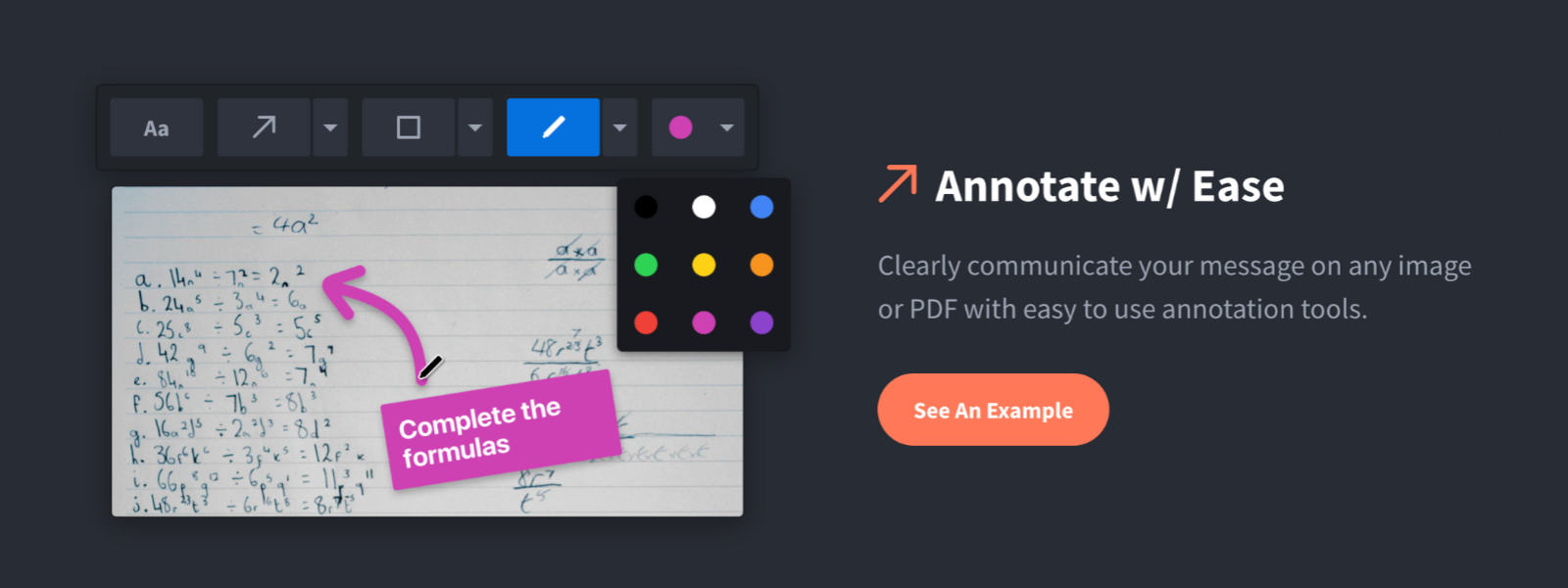 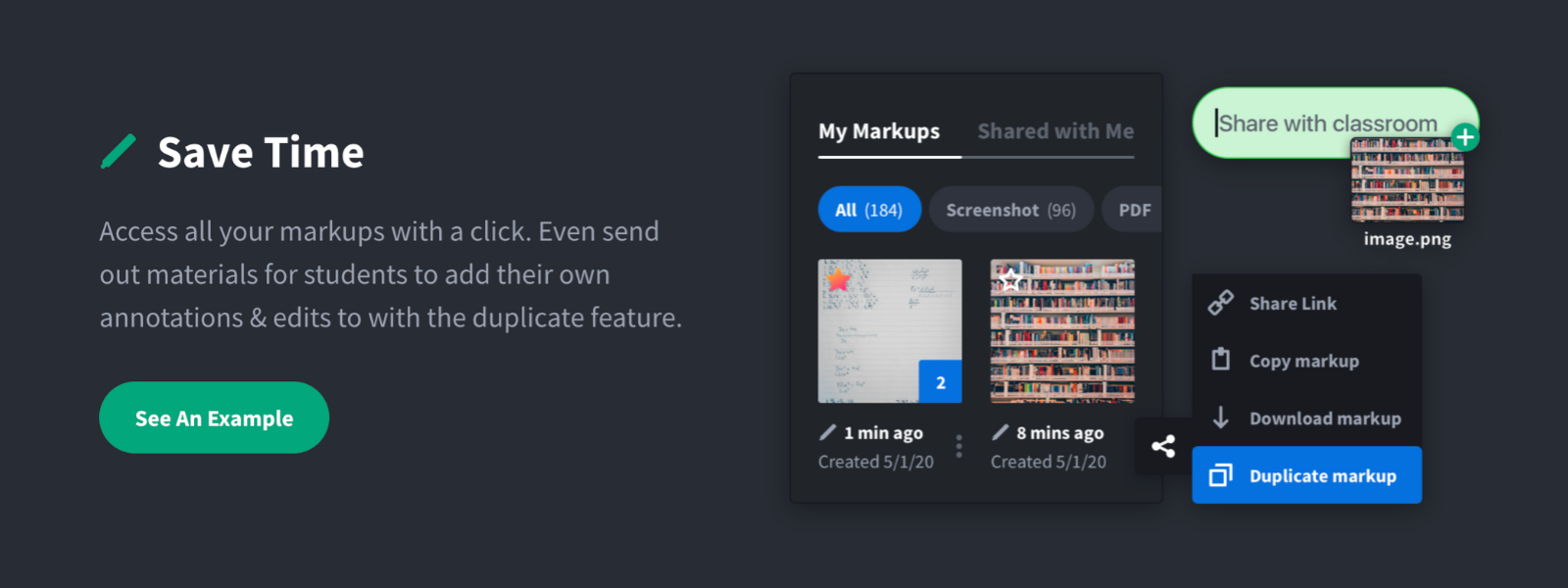     | UserTesting Screenshots     |