
Lansweeper vs. Netbox
| Product | Rating | Most Used By | Product Summary | Starting Price |
|---|---|---|---|---|
 Lansweeper | Score8.5 out of 10 | N/A | Lansweeper is an IT asset management solution that provides network discovery of all connected users, devices, and software within the IT estate. Lansweeper's device recognition capabilities provide complete visibility across the entire IT estate, in one centralized IT inventory. Lansweeper automatically and continuously discovers IT assets across infrastructure — servers, laptops, desktops, virtual & cloud machines, networks devices and IoT assets— in order to… | $2,868 per year (includes 2000 assets) |
 Netbox | Score7.5 out of 10 | N/A | NetBox is a free and open source tool (Apache 2.0 license) used to model a network's entire presence through the use of purpose-built models, built to serve the needs of network engineers and operators. | $0 |
| Lansweeper | Netbox | |||||||||||||||
|---|---|---|---|---|---|---|---|---|---|---|---|---|---|---|---|---|
| Editions & Modules |
| No answers on this topic | ||||||||||||||
| Offerings |
| |||||||||||||||
| Entry-level Setup Fee | No setup fee | No setup fee | ||||||||||||||
| Additional Details | — | — | ||||||||||||||
| More Pricing Information | ||||||||||||||||
| Lansweeper | Netbox | |
|---|---|---|
| Considered Both Products | No answer on this topic | No answer on this topic |
| Key User Insights | ||
| Would buy again | ||
100% Would buy again 5 Answers | No answers on this topic | |
| Delivers good value for the price | ||
No answers on this topic | No answers on this topic | |
| Happy with the feature set | ||
100% Happy with the feature set 5 Answers | No answers on this topic | |
| Lived up to sales and marketing promises | ||
No answers on this topic | No answers on this topic | |
| Implementation went as expected | ||
No answers on this topic | No answers on this topic | |
| Lansweeper | Netbox | ||||||||||||||||
|---|---|---|---|---|---|---|---|---|---|---|---|---|---|---|---|---|---|
| IT Asset Management |
| ||||||||||||||||
| Lansweeper | Netbox | |
|---|---|---|
| Small Businesses | No answers on this topic | No answers on this topic |
| Medium-sized Companies |  KACE Asset Management Appliance Score7.4 out of 10 | No answers on this topic |
| Enterprises |  Ivanti Neurons for ITAM Score6.6 out of 10 | No answers on this topic |
| All Alternatives | View all alternatives | View all alternatives |
| Lansweeper | Netbox | |
|---|---|---|
| Likelihood to Recommend | 8.0 | 10.0 |
| Likelihood to Renew | 10.0 | - |
| Support Rating | 9.9 | - |
| Lansweeper | Netbox | |
|---|---|---|
| Likelihood to Recommend |
|
|
| Pros |
|
|
| Cons |
|
|
| Likelihood to Renew |
| No answers on this topic |
| Support Rating |
| No answers on this topic |
| Alternatives Considered |
|
|
| Return on Investment |
|
|
| ScreenShots | Lansweeper Screenshots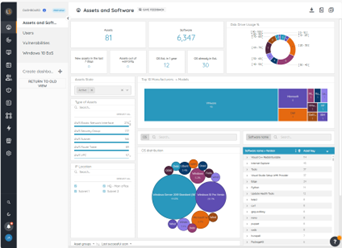 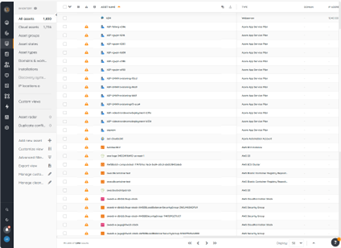 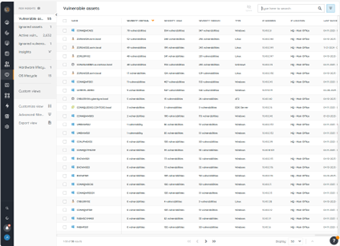 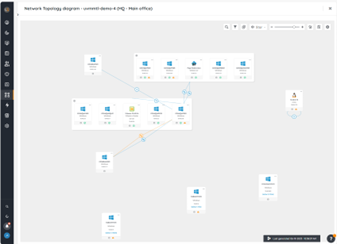 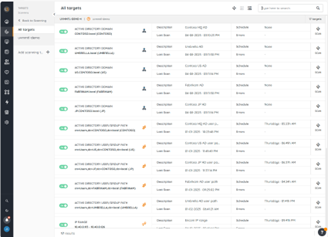 |


