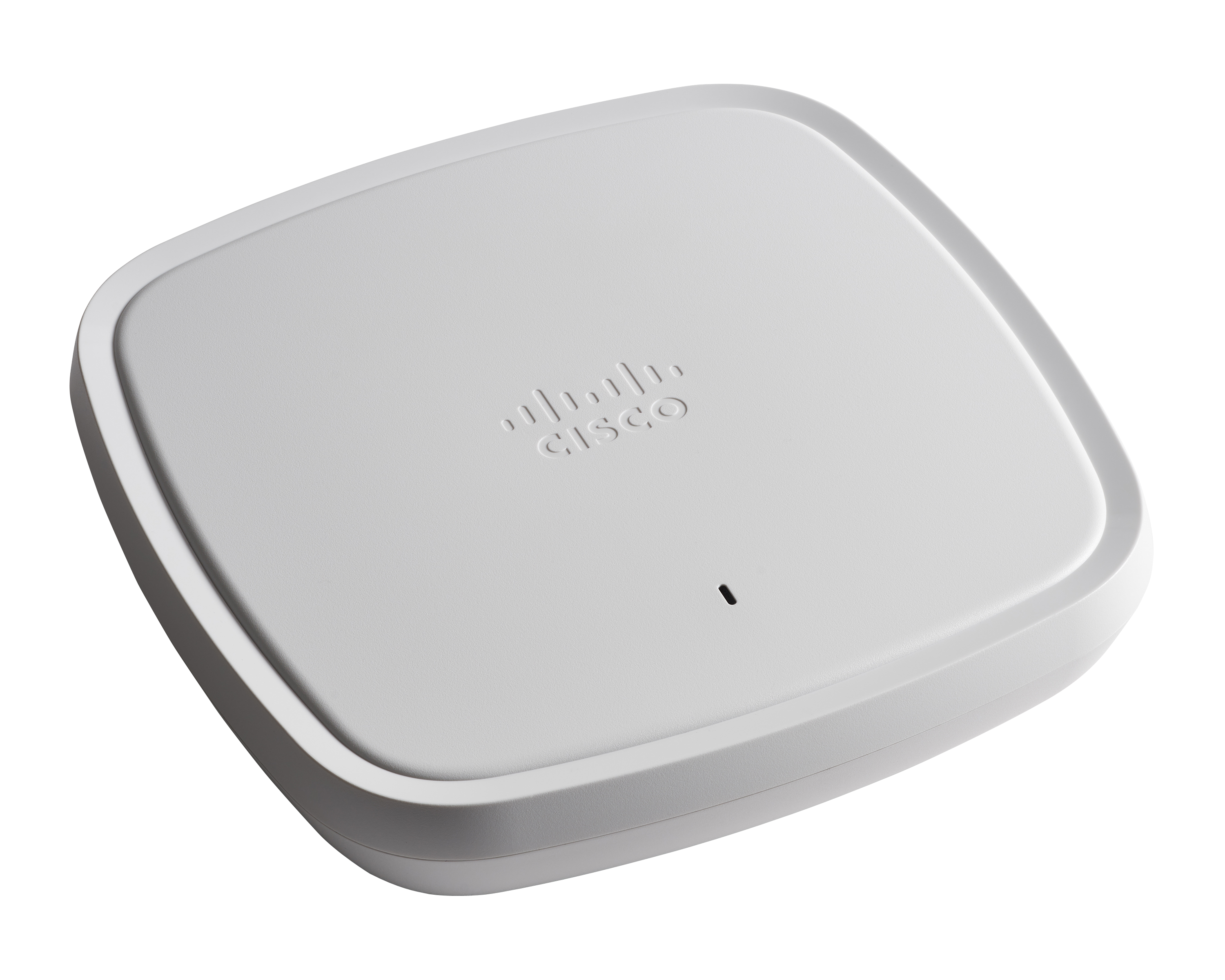
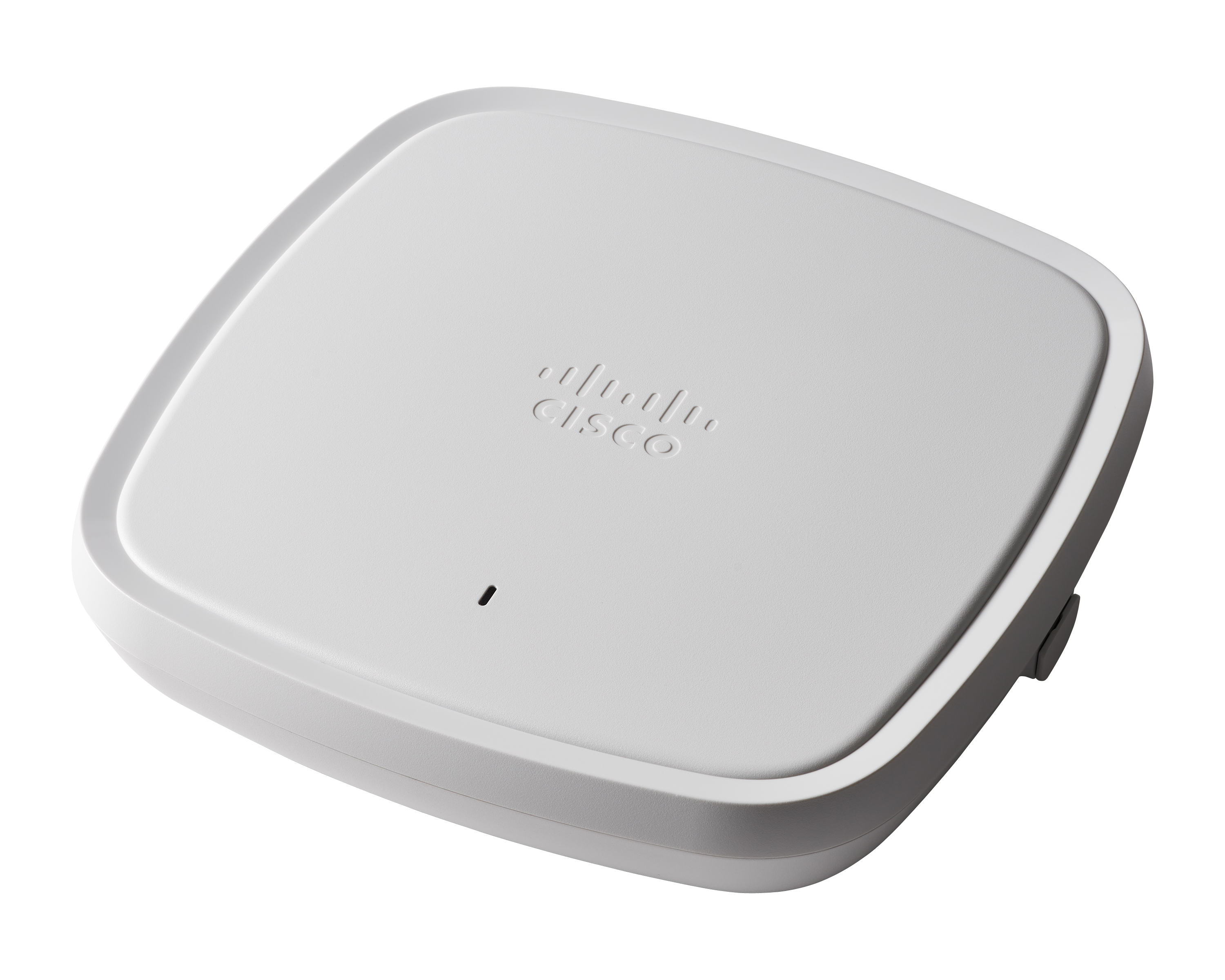
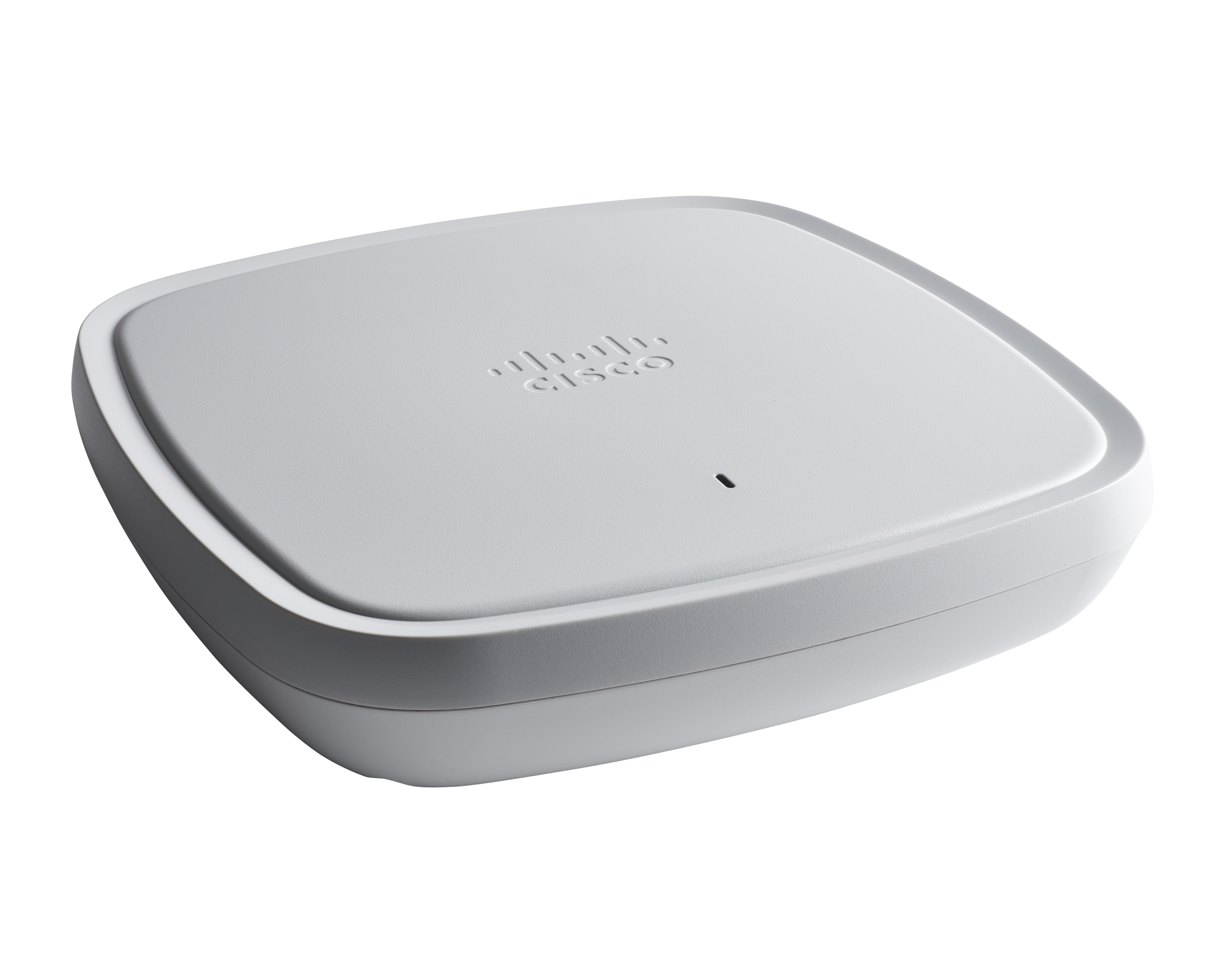
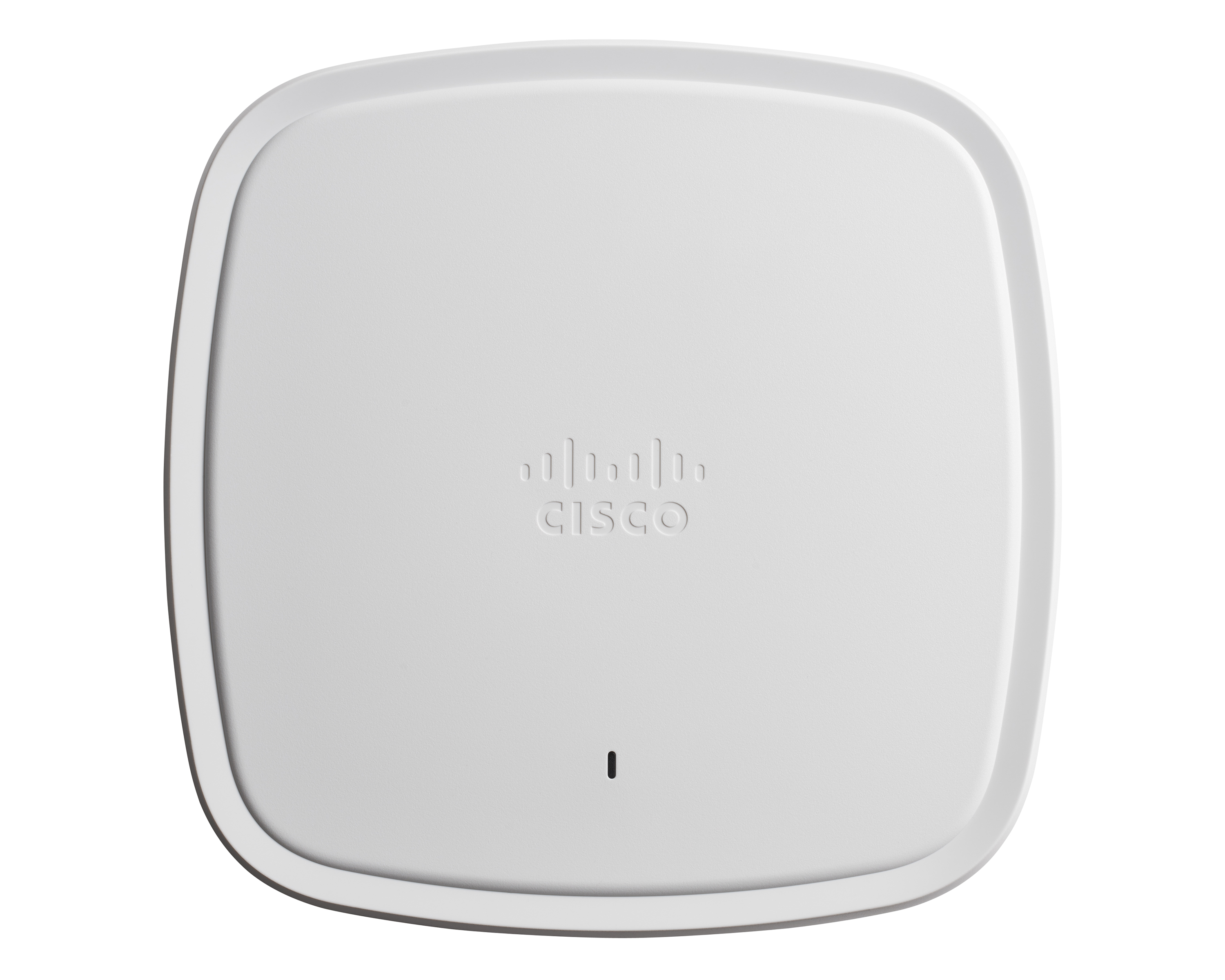
The Cisco Catalyst 9100 Access Points includes the 9115 and 9117, and designed to meet high demand network access.
N/A
HPE Juniper Access Points
Score 9.9 out of 10
N/A
The Juniper AP Series Access Points work in conjunction with the Juniper Mist Cloud Architecture and Mist AI to collect and analyze metadata in near real-time from all wireless clients. This is to enable rapid problem detection and root cause identification with predictive recommendations and proactive correction realizing the self-driving network.
N/A
Pricing
Cisco Catalyst 9100 Access Points
HPE Juniper Access Points
Editions & Modules
No answers on this topic
No answers on this topic
Offerings
Pricing Offerings
Cisco Catalyst 9100 Access Points
HPE Juniper Access Points
Free Trial
No
Yes
Free/Freemium Version
No
No
Premium Consulting/Integration Services
No
No
Entry-level Setup Fee
No setup fee
Optional
Additional Details
—
—
More Pricing Information
Best Alternatives
Cisco Catalyst 9100 Access Points
HPE Juniper Access Points
Small Businesses
WatchGuard Secure Wi-Fi Cloud
Score 9.5 out of 10
WatchGuard Secure Wi-Fi Cloud
Score 9.5 out of 10
Medium-sized Companies
Cisco Aironet 1800 Series Access Points (discontinued)
Score 9.8 out of 10
Cisco Aironet 1800 Series Access Points (discontinued)
Well suited in the sense that we use wireless on wheels devices a lot, having devices to monitor the patient's room to room. So this is a very useful, actually, it helps us to transmit the data through the wireless infrastructure. And I don't see, it's less because the WIFI is everywhere, it's very vital part of our life, so I can't say any shortcoming, so it's less useful
In a high-density K-12 Deployment, Juniper outperforms most vendors. Hardware is superior in terms of durability, appearance, and functionality. The AI Cloud Controller is 2nd to none in monitoring performance and self-diagnostics. AP tools enable easy identification, testing, and troubleshooting of APs. Overall, when switching from a Cisco Meraki to Juniper, there is no comparison. We immediately saw a performance and reliability improvement.
The Cisco Catalyst 9120 Access Points have been a solid deployment for me. Using their interface is a mix of new and old. They run IOS, so if you know the CLI, you can easily navigate around them. You can join them to an older controller if it supports a certain version, you can join it to a new 9800 controller--very straight forward--and you can run the embedded wireless controller on them directly. I've found this to be very useful at smaller sites. The Cisco Catalyst 9120 Access Points are not limited to feature sets like the older generations' mobility express platform.
It is a well rounded AP that is easy to connect, has great insights in to who is connecting or why did they disconnect or fail to connect. I like being able to see the switch and port number an AP is connected to. This is helpful especially when they are connected to other brands of switches
Cisco is providing the best in class access points. We would be focusing Cisco Catalyst 9100 Access Points to have the common platform. We are waiting for cloud implementation on DNA or cloud monitoring of 9800cl in Meraki dashboard. It's reliable, tagging gives a lot of flexibility. Virtualization finally works as expected.
Cisco has been very good at correcting early issues with their code. Their TAC support has been fantastic when I would open a case with issues I was facing. Even though the hardware was new, they were very familiar with the interfaces and issues I was having. In the past I've been concerned about adopting a new product right away because of support issues. That was not the case here. Once I had the deployment up and running, they have had a good run of reliability.
Previously we used 3800 series access points within our infrastructure. These access points have been supported within the 9800 wireless controller and are currently being used still as we work to replace access points in the near future. These access points have provided excellent service but the newer access points are much better and provide additional services.
I've used a variety of other APs and WLAN systems. Juniper provides an outstanding product and their support is top notch. The Mist portal is intuitive for most admins that have an intermediate understanding of WLANs. The product is very reliable, and they provide value in line with the cost of the product and service. Ultimately, it really depends on what you need. Want something low cost, but don't require 24/7 support? Unifi probably suits you. Have a small team, need something beginner friendly? Meraki is the way to go. Do you have unique deployment needs, and are already in the Juniper ecosystem? Juniper APs make sense for you.
These access points offer flexibility in deployment scenarios, supporting both standalone and controller-based architectures. Organisations can choose the model that best suits their current needs and scale as their requirements grow. Cisco Aironet Access Points are compatible with Cisco's Wireless LAN controllers, allowing for centralized management and monitoring of a large number of access points across the network. With the recent changes, it will even support cloud base controllers.
I'd say overall positive impact replacing some of our older model APs. These are much more stable. Some of the older models that we're getting rid of needed to be rebooted. Sometimes they would just stop working different bugs and things like that in their software or hardware. These, I have to say, so far they've been much more stable. They've been definitely a positive impact on our environment for wireless.