
Juicer vs. Livefyre (discontinued)
Juicer vs. Livefyre (discontinued)
| Product | Rating | Most Used By | Product Summary | Starting Price |
|---|---|---|---|---|
 Juicer | Small Businesses (1-50 employees) | Juicer is a social media aggregator that curates social media content from different social channels such as Facebook, Twitter, and Instagram into one simple feed that can be embedded anywhere. The tool allows users to organize content into one platform and introduce visitors to a company's social side without having them navigate off the website. The user's feed is updated daily or hourly depending upon plan selected. Within the Juicer dashboard users can add multiple feed sources… | $0 per month | |
 Livefyre (discontinued) | Enterprise companies (1,001+ employees) | Livefyre was acquired in 2016 and became part of the Adobe Experience Manager suite of products. The product has since been discontinued, and is no longer available for sale. | N/A |
| Juicer | Livefyre (discontinued) | |||||||||||||||
|---|---|---|---|---|---|---|---|---|---|---|---|---|---|---|---|---|
| Editions & Modules |
| No answers on this topic | ||||||||||||||
| Offerings |
| |||||||||||||||
| Entry-level Setup Fee | No setup fee | Required | ||||||||||||||
| Additional Details | **Small Plan Features: 2 source accounts, 1 embeddable social media feed, pulls in new posts every 24 hours, Juicer branding **Medium Plan Features: 5 source accounts, 1 embeddable social media feed, pulls in new posts every hour, moderation and filtering tools, no Juicer branding **Large Plan Features: 15 source accounts, 3 embeddable social media feeds, pulls in new posts every 10 minutes, analytics, moderation, and filter tools, no Juicer branding **Enterprise Plan: customized based on user need, price varies **Campaign Plan: Quick updates best for events, price varies | — | ||||||||||||||
| More Pricing Information | ||||||||||||||||
| Juicer | Livefyre (discontinued) |
|---|
| Juicer | Livefyre (discontinued) | |
|---|---|---|
| Likelihood to Recommend | 9.7 (2 ratings) | 8.0 (7 ratings) |
| Likelihood to Renew | - (0 ratings) | 8.8 (5 ratings) |
| Usability | - (0 ratings) | 7.3 (1 ratings) |
| Support Rating | - (0 ratings) | 8.2 (1 ratings) |
| Juicer | Livefyre (discontinued) | |
|---|---|---|
| Likelihood to Recommend | Juicer
 Tim Schumacher Chairman |  Discontinued Products
 Darin Spivey Sr. Software Engineer |
| Pros | Juicer
 Alexis Senge Johnson, MNM Foundation Executive Director | Discontinued Products
 Andy Newbom Social Business Consultant |
| Cons | Juicer
Tim Schumacher Chairman | Discontinued Products
Darin Spivey Sr. Software Engineer |
| Likelihood to Renew | Juicer No answers on this topic | Discontinued Products
 Sam Salmassi Sr. Product Manager - User Engagement |
| Usability | Juicer No answers on this topic | Discontinued Products
|
| Support Rating | Juicer No answers on this topic | Discontinued Products
|
| Alternatives Considered | Juicer
Alexis Senge Johnson, MNM Foundation Executive Director | Discontinued Products
Sam Salmassi Sr. Product Manager - User Engagement |
| Return on Investment | Juicer
Tim Schumacher Chairman | Discontinued Products
|
| ScreenShots | Juicer Screenshots    | Livefyre (discontinued) Screenshots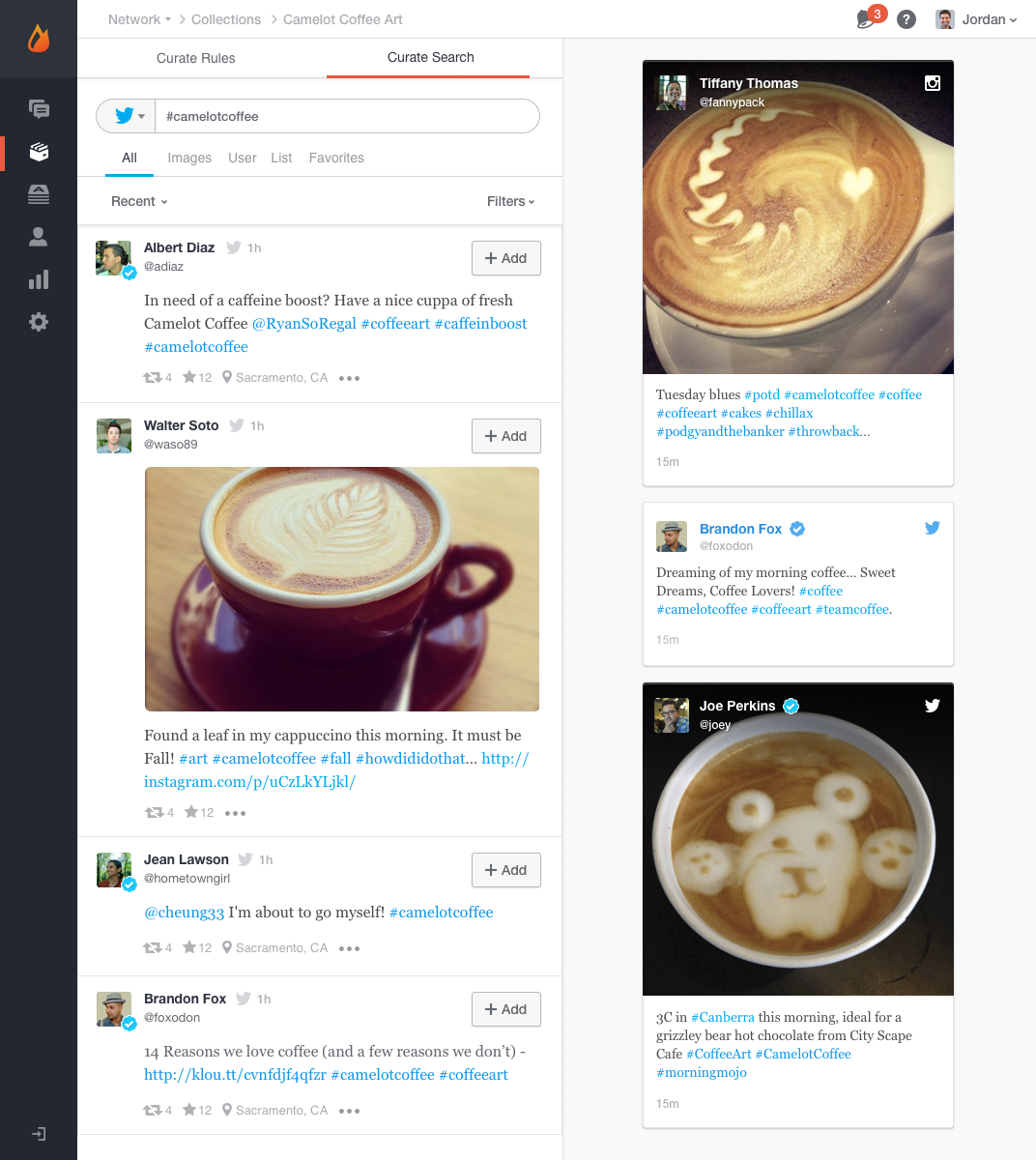 |