The InfluxDB is a time series database from InfluxData headquartered in San Francisco. As an observability solution, it is designed to provide real-time visibility into stacks, sensors and systems. It is available open source, via the Cloud as a DBaaS option, or through an Enterprise subscription.
N/A
Retrace
Score 8.0 out of 10
N/A
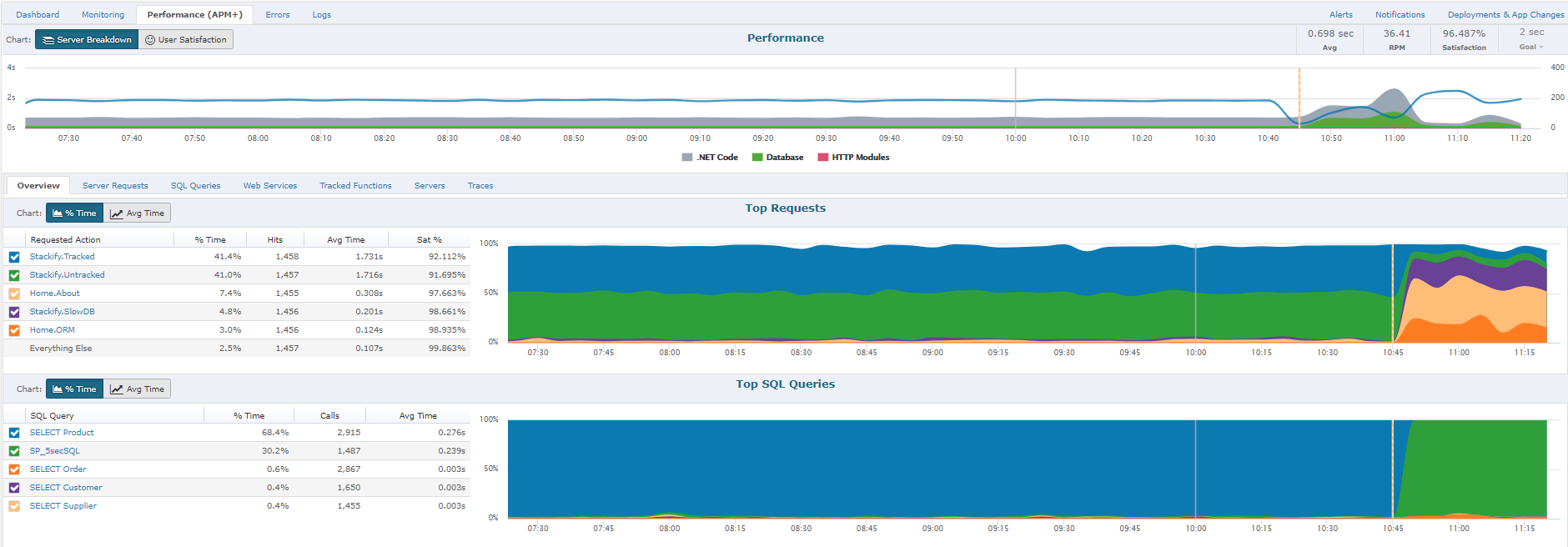
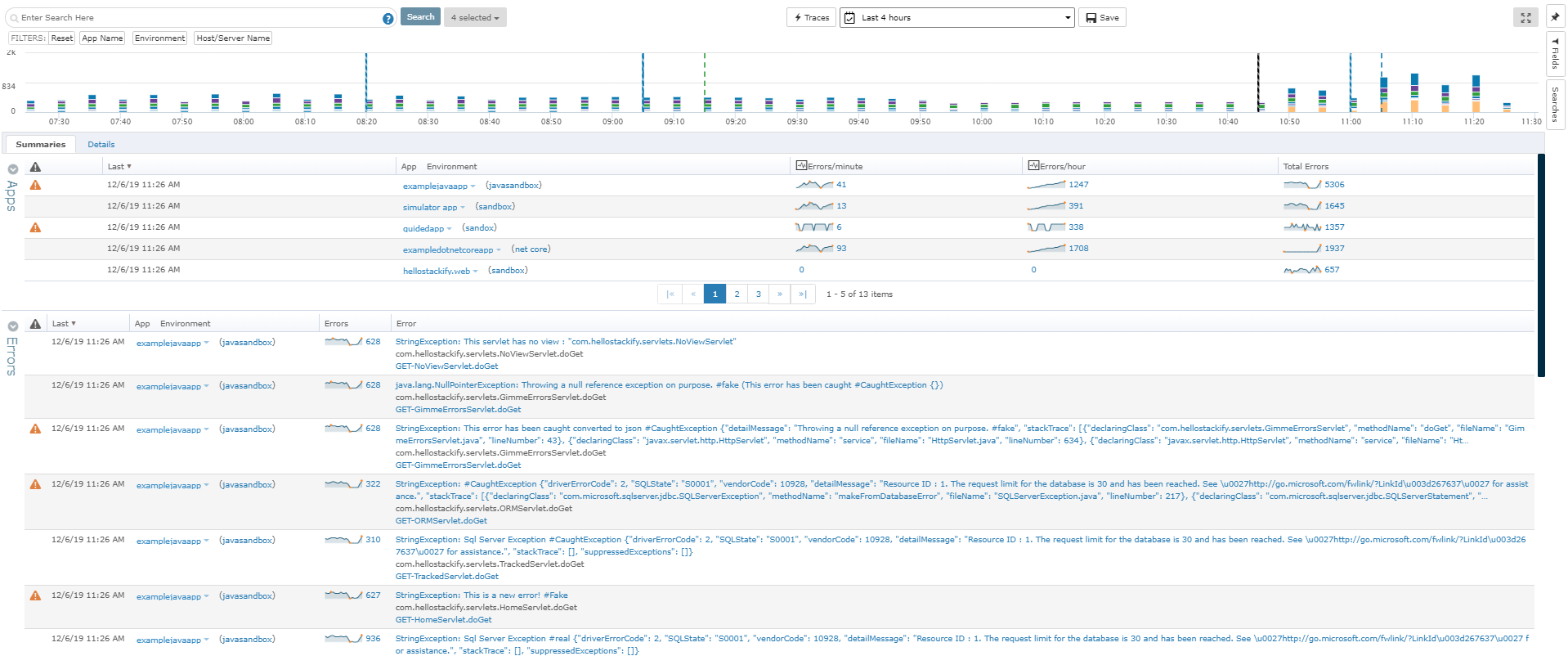
Retrace (formerly APM+) is a lightweight Application Performance Management solution. Retrace gives developers continuous, real-time analysis through a combination of code-level visibility with in-line log and error data. Retrace helps identify top performance offenders by analyzing top page requests, top SQL queries, and top external web services.
$99
up to 3 servers, 500,000 traces, and 1,000,000 logs
Pricing
InfluxDB
Retrace
Editions & Modules
No answers on this topic
Essentials
$99
up to 3 servers, 500,000 traces, and 1,000,000 logs
InfluxDB is a time series database and should be used in that intent. Each data ingestion streams should be properly configured to ensure optimal database performance. InfluxDB works very well but like any other databases requires maintenance and tuning. We have been using the TICK stack and are very happy with the results.
If you're a Java or .net shop they will do excellent. I believe that for PHP, Ruby, Java and few others they have only the error and log management and the application and server monitoring.
Small, but growing community - This database engine's community is much smaller than alternatives. This can make finding a DBA or support less easy, but not impossible.
Documentation could be improved - The docs for getting started don't effectively lead first-time users to understand how the underlying systems are designed.
Performance Analysis - There seems to be a lack of tools to give context to slow queries or other performance issues
Out-of-the-box security - The out of the box security is designed to operate in an internal network and is limited.
To set up the fields that APM Plus monitors, you need to map each field area on each document.
APM Plus could use a way to link the documents back into the finance or business software so you can find the document under the PO, Sales Order, Invoice, etc.
APM Plus setup is only for the professionals. There are many areas that need tweaking on setup, having a better default setup would lessen the learning curve to set it up for use.
InfluxDB is a near perfect product for time series database engines. The relatively small list of cons are heavily outweighed by it's ability to just work and be a very flexible and powerful database engine. The community and support provided by the corporation are the only areas I have little experience.
We have worked with the InfluxDB support team a few times so far and it has been positive. Issues submitted are worked on promptly and we have good feedback.
We have looked around to find different options we had when we first started to move to cloud. At that time, the options we had is Google Cloud BigTable and InfluxDB. But quickly we realized that InfluxDB is the database specialized in time series database and performs better than other options we have.
APM Plus does a better job of archiving documents than DocSend and makes it easier to find the documents when you need them. DocSend seemed to be more of a marketing tool than a business tool. APM Plus is all business and consistently does what you need on a daily basis. We selected APM Plus because of the great support on setup and after implementation. They are always ready to help.
APM Plus has freed up users from having to manually attach documents to each place they are sending it. APM Plus will do it automatically.
APM Plus provides a searchable archive to re-visit sent documents with customers and vendors. Having to reprint a document you risk the potential that something has changed since it was last printed.
APM Plus does need IT staff for adjustments and to review sending problems. Not for an average user.