IBM API Connect is a scalable API solution that helps organizations implement a robust API strategy by creating, exposing, managing and monetizing an entire API ecosystem across multiple clouds. As businesses embrace their digital transformation journey, APIs become critical to unlock the value of business data and assets. With increasing adoption of APIs, consistency and governance are needed across the enterprise. API Connect aims to help businesses…
$83
per month
SnapLogic
Score6.9 out of 10
N/A
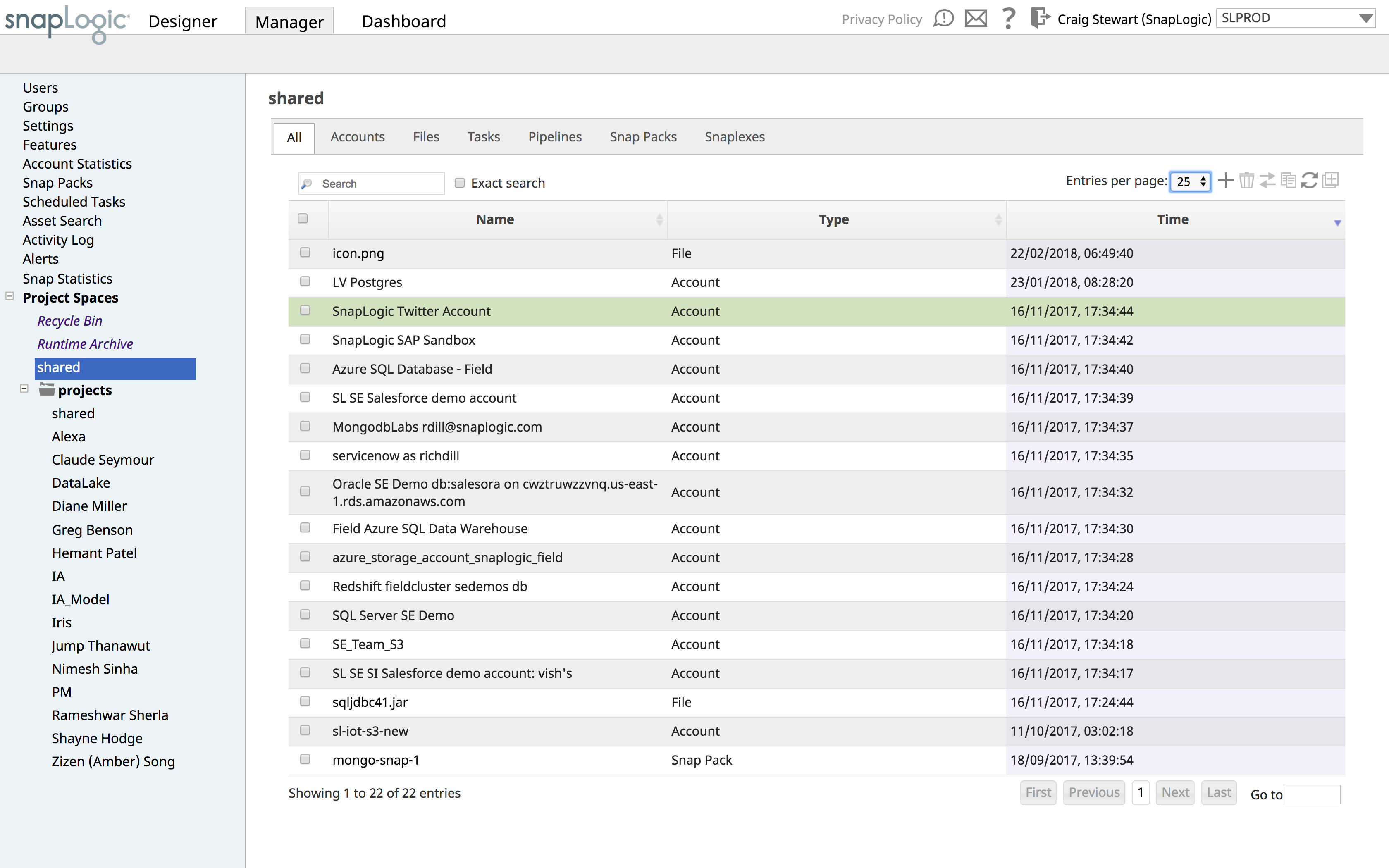
SnapLogic is a cloud integration platform with a self-service capacity supported by over 450 prebuilt modifiable connectors. SnapLogic also offers real-time and batch integration processes for interfacing with external data sources, a drag-and-drop interface, and use of the vendors’ Iris AI.
Based on our experience, IBM API Connect clearly excels in large enterprises navigating complex B2B ecosystems, especially within the Fintech and Banking sectors. Its capabilities are particularly valuable for achieving Open Banking compliance, facilitating the monetization of data and services, and seamlessly operating in hybrid cloud environments. However, it's crucial to understand that IBM API Connect primarily functions as an API management and orchestration tool. This means that backend integrations with providers like databases are best handled by dedicated integration middleware, such as IBM App Connect, allowing API Connect to then securely and efficiently expose those functionalities to external entities.
Snaplogic is unique from other IPASS tools if you're very sensitive about data security as they have an on-premise option where your data never needs to leave your data center. And data pipelines can be quickly created if Snaplogic has the requisite connector to your data sources. On the downside, if you're transforming a large amount of data for example in training machine learning models, a tool with elastic compute capability is more appropriate.
A de minimis incentive was given to thank the reviewer for their time. The incentive was not used to bias or drive a particular response, nor was the incentive contingent on a positive endorsement. More Info
A de minimis incentive was given to thank the reviewer for their time. The incentive was not used to bias or drive a particular response, nor was the incentive contingent on a positive endorsement. More Info
A de minimis incentive was given to thank the reviewer for their time. The incentive was not used to bias or drive a particular response, nor was the incentive contingent on a positive endorsement. More Info
A de minimis incentive was given to thank the reviewer for their time. The incentive was not used to bias or drive a particular response, nor was the incentive contingent on a positive endorsement. More Info
This has been hands down the BEST software company I have ever used and dealt with. I am a 25 year IT veteran at this college. They go above and beyond in soliciting our feedback/input and proactively follow up about bugs, issues, etc. I have given multiple potential clients my thoughts and after seeing the SL demo they all sign up. I appreciate their support model, it's REFRESHING!
A de minimis incentive was given to thank the reviewer for their time. The incentive was not used to bias or drive a particular response, nor was the incentive contingent on a positive endorsement. More Info
I can honestly say that the availability of the platform has been incredible, with almost no disruptions during the two years of the implementation. Availability is provided through the distributed architecture that may be deployed in multiple zones. We have had almost no cases of unplanned outages, and most maintenance operations were done during planned downtimes.
A de minimis incentive was given to thank the reviewer for their time. The incentive was not used to bias or drive a particular response, nor was the incentive contingent on a positive endorsement. TR verified that a representative sample of customers was invited. More Info
A de minimis incentive was given to thank the reviewer for their time. The incentive was not used to bias or drive a particular response, nor was the incentive contingent on a positive endorsement. More Info
They can be prompt but they have not been as useful as I've wanted. We had a bug that affected many of our customers through an API connection between SnapLogic and our platform. Eventually they were able to figure it out, but it took a long time of negotiating between our engineering team and theirs. Additionally, we installed the SnapLogic groundplex for our customers and we've run into a bunch of problems of connectivity. If SnapLogic offered to be on those calls with our clients to troubleshoot how to fix these problems, I would give them a better grade here.
A de minimis incentive was given to thank the reviewer for their time. The incentive was not used to bias or drive a particular response, nor was the incentive contingent on a positive endorsement. More Info
A de minimis incentive was given to thank the reviewer for their time. The incentive was not used to bias or drive a particular response, nor was the incentive contingent on a positive endorsement. More Info
IBM API Connect and Apigee are both robust API management platforms. IBM API Connect was selected for its strong integration capabilities, hybrid cloud deployment options, and comprehensive analytics. It aligns well with organizations seeking flexibility and control over their API ecosystems, especially when dealing with complex integration scenarios across diverse environments.
A de minimis incentive was given to thank the reviewer for their time. The incentive was not used to bias or drive a particular response, nor was the incentive contingent on a positive endorsement. TR verified that a representative sample of customers was invited. More Info
We opted for SnapLogic due its ease of use and the flexibility it offers, it was the platform that was strongest in both application integration and data integration and both were use cases we wanted to be able to cover.
Our company benefited from IBM API Connect's assistance in establishing cooperation with our outside providers and efficiently managing the API. As a result, we were able to expand our vendor ecosystem.
Additionally, creating APIs and implementing them on the goods was not too difficult. Additionally, we were able to ensure that only appropriate people could publish the APIs following evaluation by using role-based access control.
Our teams were able to reuse and share departmental APIs and services with each other thanks to the simple, self-service developer site.
A de minimis incentive was given to thank the reviewer for their time. The incentive was not used to bias or drive a particular response, nor was the incentive contingent on a positive endorsement. More Info
A de minimis incentive was given to thank the reviewer for their time. The incentive was not used to bias or drive a particular response, nor was the incentive contingent on a positive endorsement. More Info