
HashiCorp Terraform vs. Unimus
| Product | Rating | Most Used By | Product Summary | Starting Price |
|---|---|---|---|---|
 HashiCorp Terraform | Score8.5 out of 10 | N/A | Terraform from HashiCorp is a cloud infrastructure automation tool that enables users to create, change, and improve production infrastructure, and it allows infrastructure to be expressed as code. It codifies APIs into declarative configuration files that can be shared amongst team members, treated as code, edited, reviewed, and versioned. It is available Open Source, and via Cloud and Self-Hosted editions. | $0 |
 Unimus | N/A | N/A | Unimus is an on-premise Network Automation and Configuration Management (NCM) solution, designed to simplify network management with features such as: Disaster Recovery – Automated configuration backups ensure business continuity. Change Management – Detect, review, and audit configuration changes with real-time notifications. Configuration Auditing – Search and validate configurations & run-time state across an entire… | $5.90 per year per seat |
| HashiCorp Terraform | Unimus | |||||||||||||||
|---|---|---|---|---|---|---|---|---|---|---|---|---|---|---|---|---|
| Editions & Modules |
|
| ||||||||||||||
| Offerings |
| |||||||||||||||
| Entry-level Setup Fee | No setup fee | No setup fee | ||||||||||||||
| Additional Details | — | — | ||||||||||||||
| More Pricing Information | ||||||||||||||||
| HashiCorp Terraform | Unimus | |
|---|---|---|
| Considered Both Products | No answer on this topic | No answer on this topic |
| Key User Insights | ||
| Would buy again | ||
94% Would buy again 17 Answers | No answers on this topic | |
| Delivers good value for the price | ||
100% Delivers good value for the price 17 Answers | No answers on this topic | |
| Happy with the feature set | ||
94% Happy with the feature set 17 Answers | No answers on this topic | |
| Lived up to sales and marketing promises | ||
100% Lived up to sales and marketing promises 13 Answers | No answers on this topic | |
| Implementation went as expected | ||
93% Implementation went as expected 14 Answers | No answers on this topic | |
| HashiCorp Terraform | Unimus | ||||||||||||||||||||||
|---|---|---|---|---|---|---|---|---|---|---|---|---|---|---|---|---|---|---|---|---|---|---|---|
| Configuration Management |
| ||||||||||||||||||||||
| HashiCorp Terraform | Unimus | |
|---|---|---|
| Small Businesses |  Salt Score6.2 out of 10 | No answers on this topic |
| Medium-sized Companies |  Perforce Puppet Score8.9 out of 10 | No answers on this topic |
| Enterprises |  AWS Config Score7 out of 10 | No answers on this topic |
| All Alternatives | View all alternatives | View all alternatives |
| HashiCorp Terraform | Unimus | |
|---|---|---|
| Likelihood to Recommend | 8.4 | - |
| Usability | 8.2 | - |
| Performance | 9.4 | - |
| Support Rating | 7.4 | - |
| Ease of integration | 9.2 | - |
| HashiCorp Terraform | Unimus | |
|---|---|---|
| Likelihood to Recommend |
| No answers on this topic |
| Pros |
| No answers on this topic |
| Cons |
| No answers on this topic |
| Usability |
| No answers on this topic |
| Performance |
| No answers on this topic |
| Support Rating |
| No answers on this topic |
| Alternatives Considered |
| No answers on this topic |
| Return on Investment |
| No answers on this topic |
| ScreenShots | HashiCorp Terraform Screenshots     | Unimus Screenshots  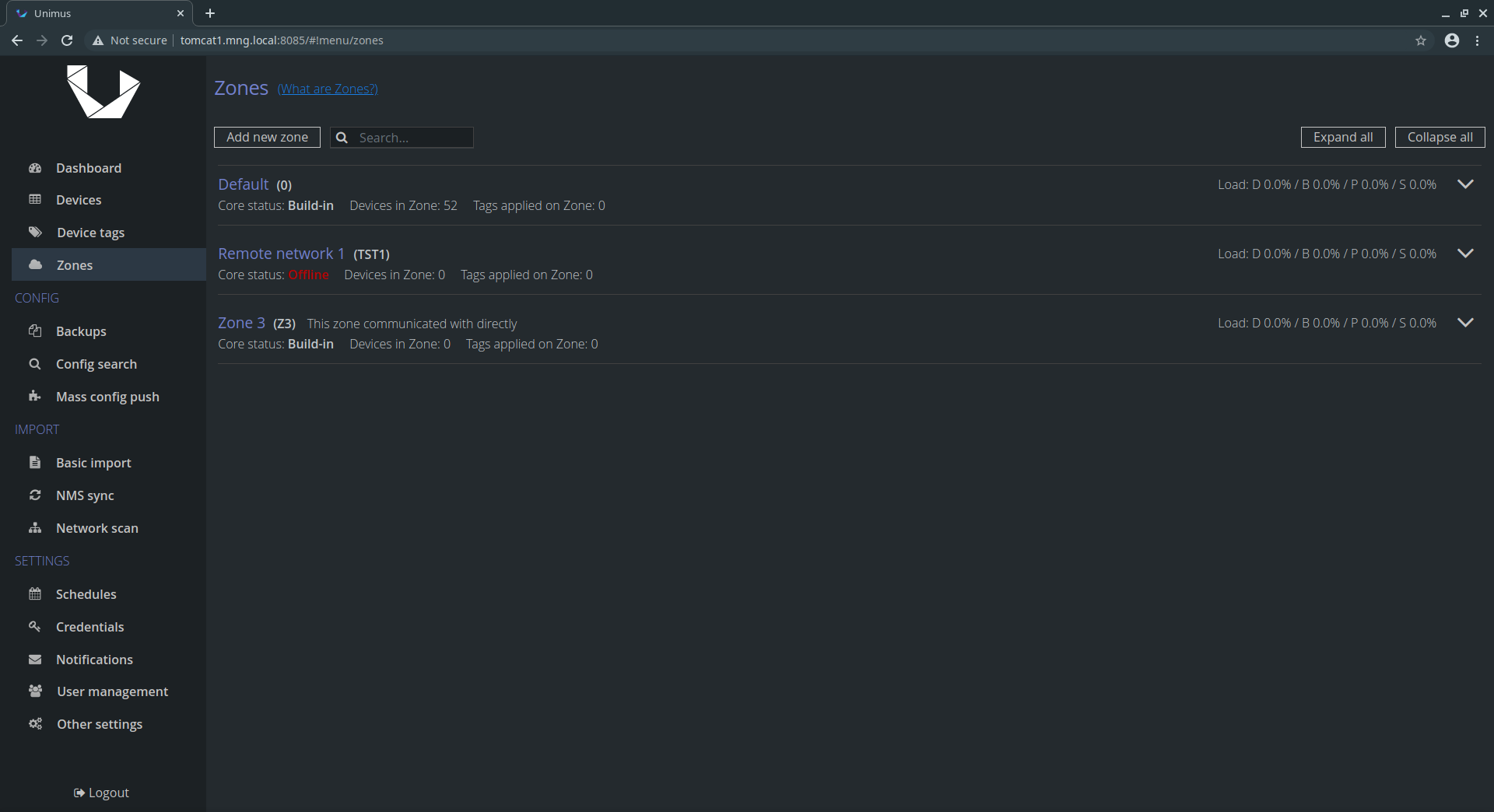    |


