ER/Studio Data Architect vs. RecordPoint

Overview
ProductRatingMost Used ByProduct SummaryStarting Price
ER/Studio Data Architect
Score 9.9 out of 10
N/A
ER/Studio is a database development and management tool from Embarcadero Technologies (acquired by Idera) in California.N/A
RecordPoint
Score 8.0 out of 10
N/A
The RecordPoint Data Trust platform helps regulated organizations manage records and data throughout their lifecycle. The customizable platform is comprised of records management and data lineage tools with audit trails from creation to disposal to demonstrate compliance.N/A
Pricing
ER/Studio Data ArchitectRecordPoint
Editions & Modules
No answers on this topic
Offerings
Pricing Offerings
ER/Studio Data ArchitectRecordPoint
Free Trial
YesNo
Free/Freemium Version
NoNo
Premium Consulting/Integration Services
NoNo
Entry-level Setup FeeNo setup feeNo setup fee
Additional DetailsPricing for new customers only, first year maintenance included. Maintenance includes access to technical support and product updates for the defined period of the agreement.
More Pricing Information
Community Pulse
ER/Studio Data ArchitectRecordPoint
User Ratings
ER/Studio Data ArchitectRecordPoint
Likelihood to Recommend
8.0
(0 ratings)
-
(0 ratings)
Support Rating
9.0
(0 ratings)
-
(0 ratings)
User Testimonials
ER/Studio Data ArchitectRecordPoint
Likelihood to Recommend
ER/Studio is great for providing data model images for teammates to use when they are not data modelers.
Read full review
No answers on this topic
Pros
  • ER/Studio is great for dividing logical and physical design. A logical model can be used with different physical platforms.
  • Studio can a useful macro capability that allows me to apply the naming standards across the model with ease and consistency.
  • ER/Studio does a very good job at comparing the model with the actual database and generating DDL scripts for production deployments.
  • ER/Studio has an excellent reporting and model publishing capabilities allowing me to produce models in the HTML format and publish them for the team as needed.
Read full review
No answers on this topic
Cons
  • Relationships are a bit on the weaker side. Many times I found orphaned relationships that I could not get rid of, or additional columns that were automatically created during the push to the physical model that appear to be due to key constraint bugs
  • There are a lot of bugs introduced when merging keys. I tend to model 2 tables for example logically, establish the relationship, and then merge the additional key column that is automatically created when establishing the relationship. This sometimes causes downstream issues with the physical model (creating duplicate columns with _1 appended)
  • Meta-data could be improved. I find it hard to keep descriptions and other meta information clean when copying and pasting from other sources due to formatting tags being introduced on each object (font, size, color, etc.). The attachment feature comes in handy, however I am looking for the ability to cleanly document and map multiple sources to a single target while providing searchability and traceability
Read full review
No answers on this topic
Support Rating
I can call or email support and both get quick turn around. The only issue is they are on the west coast (US) and have a west coast work schedule and I'm on the East coast.
Read full review
No answers on this topic
Alternatives Considered
ER Studio Data Architect is a global leader in the data modelling space and most other solutions that have support for third party data models include support for ER Studio Data Architect file formats. Many of the features are a bit more intuitive than the competitors and several of our vendors were already using Data Architect themselves which helped solidify the choice.
Read full review
No answers on this topic
Return on Investment
  • Using ER\Studio to create models and eventually the actual database schema allows for a picture that is understandable to the customer and saves significant time writing DDL to create the database objects (tables, indexes, relationships, constraints...)
  • A nice customer interface tool so you can create a web based interface to the metadata for a particular design.
  • The tool also supports sub-models so you can break a large project into smaller parts, I find this feature very helpful.
Read full review
No answers on this topic
ScreenShots

ER/Studio Data Architect Screenshots

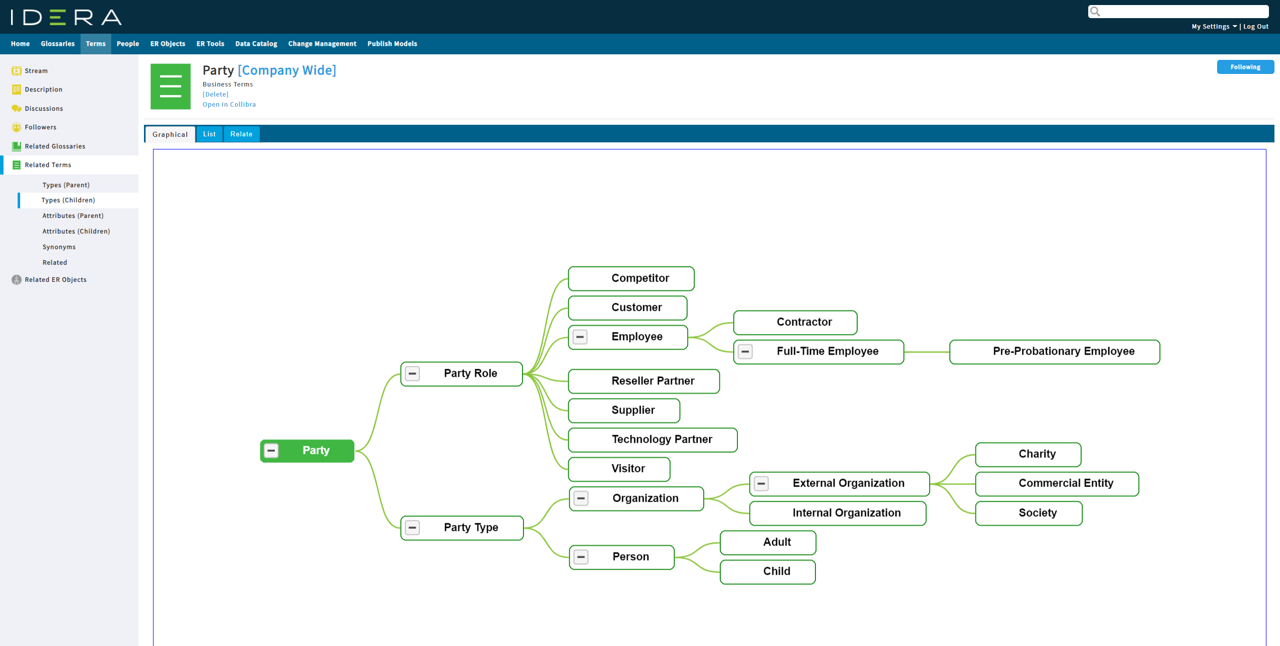
Screenshot of Logical data models in ER/Studio Data Architect.Screenshot of Data catalog in ER/Studio Data Architect.Screenshot of Data glossaries in ER/Studio Data Architect.

RecordPoint Screenshots

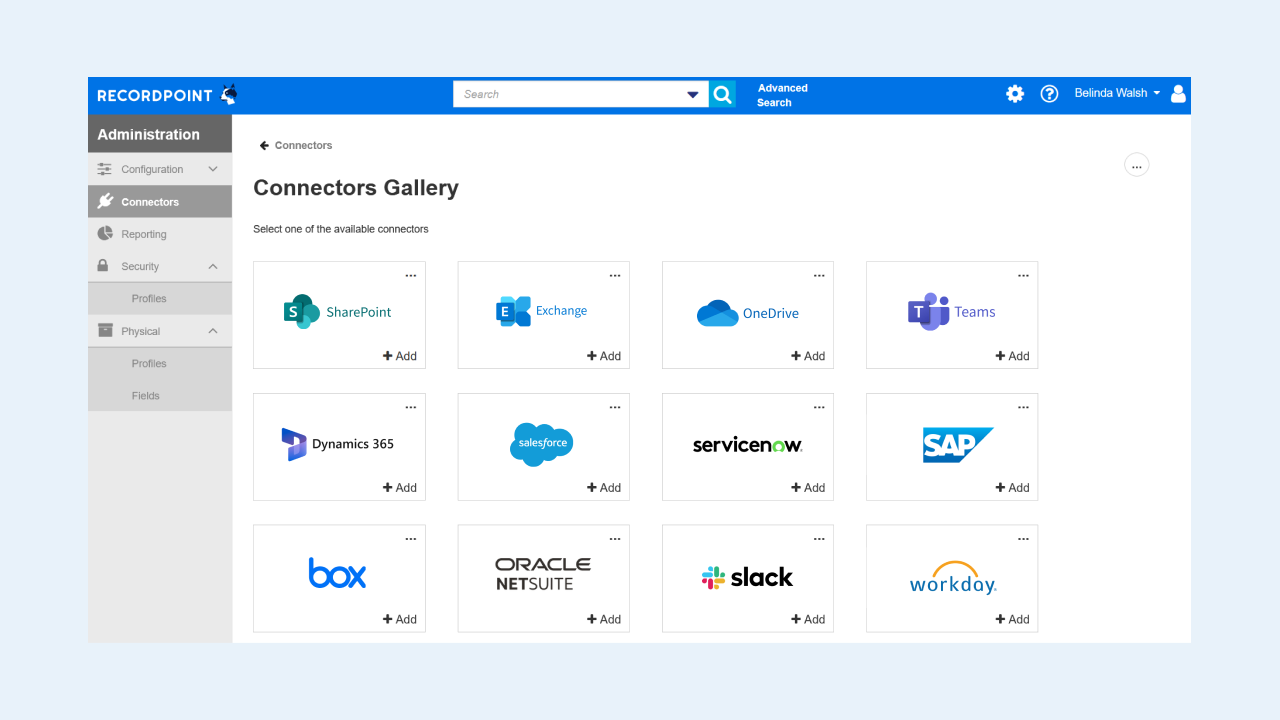
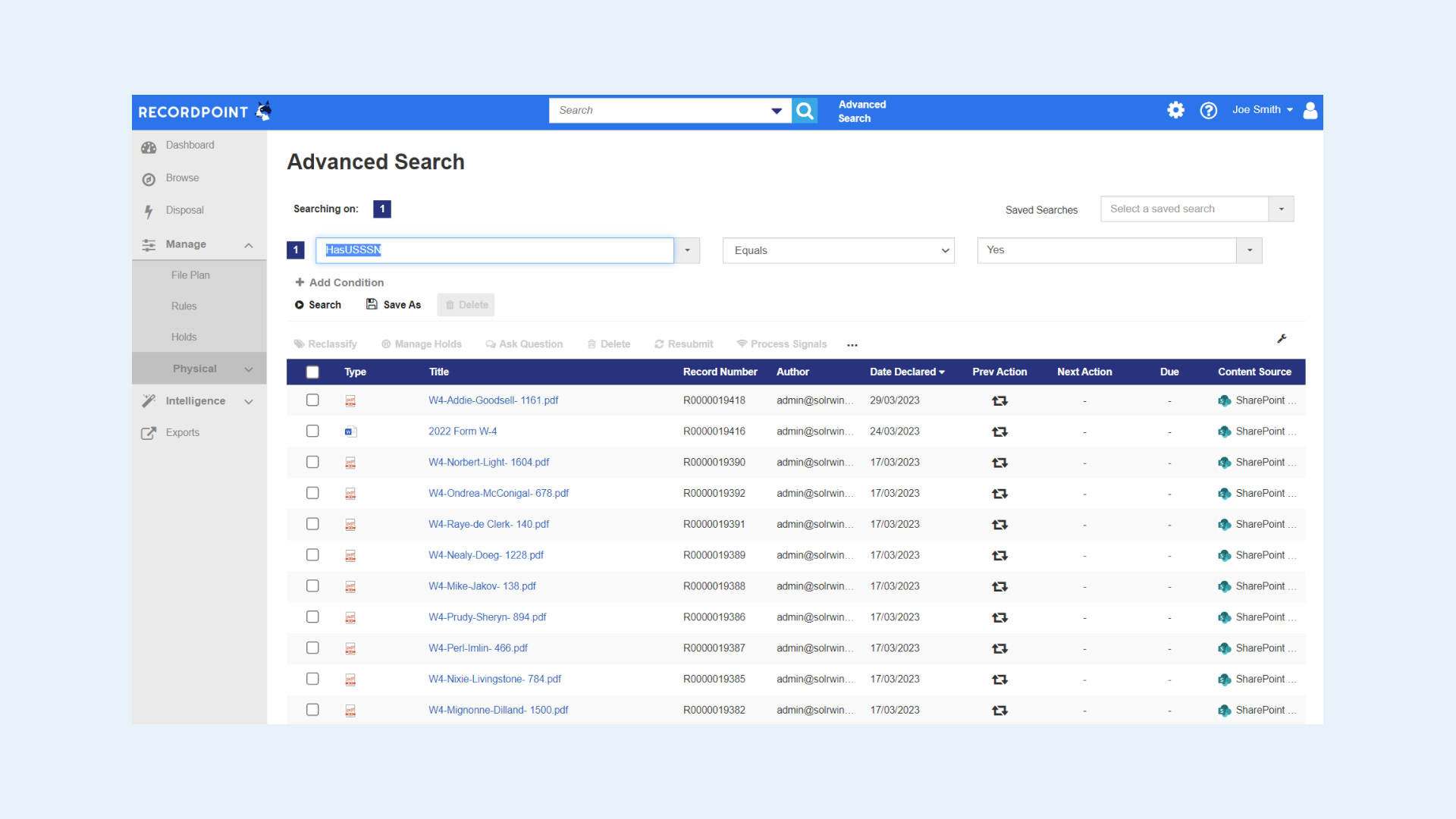
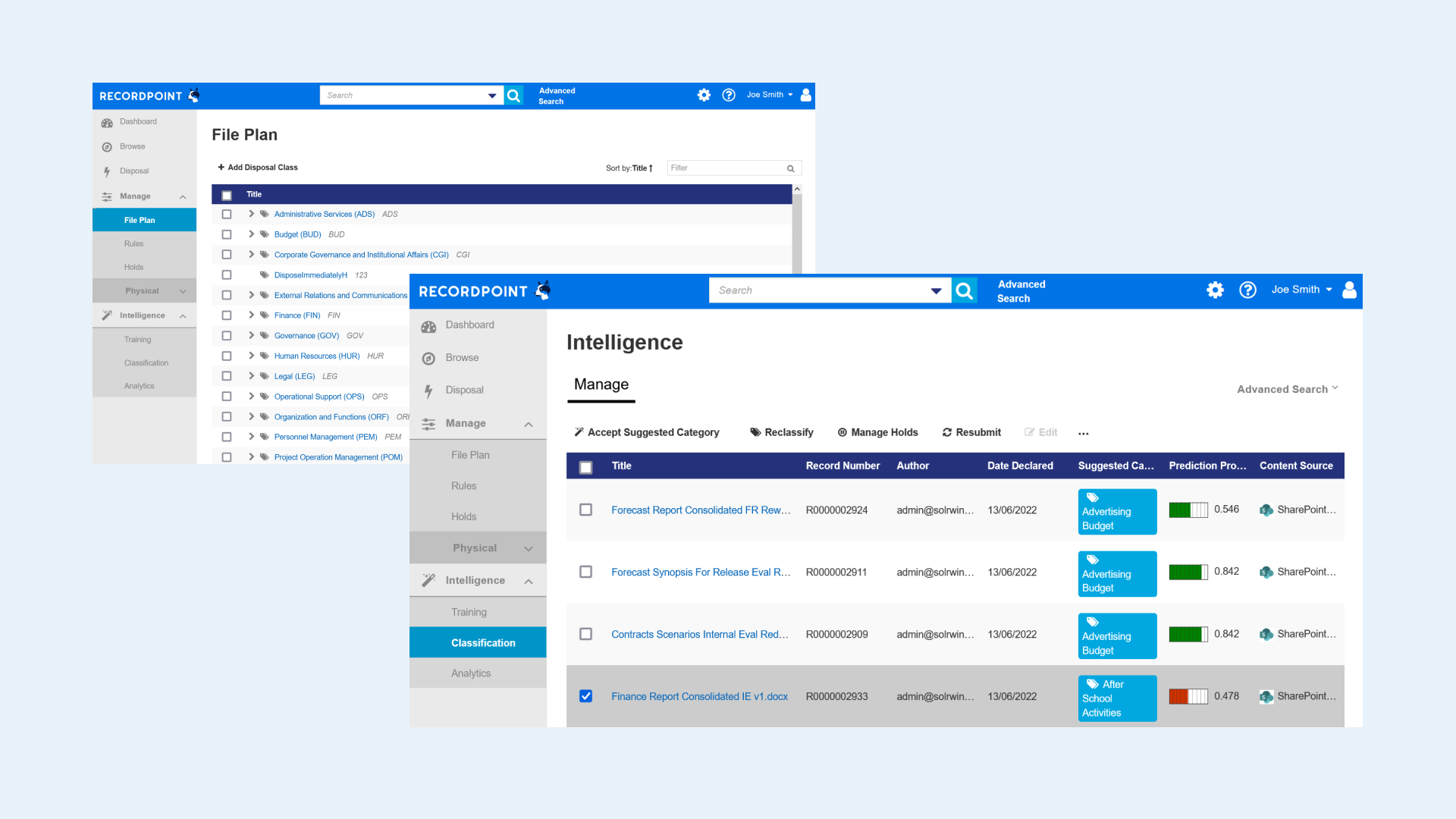
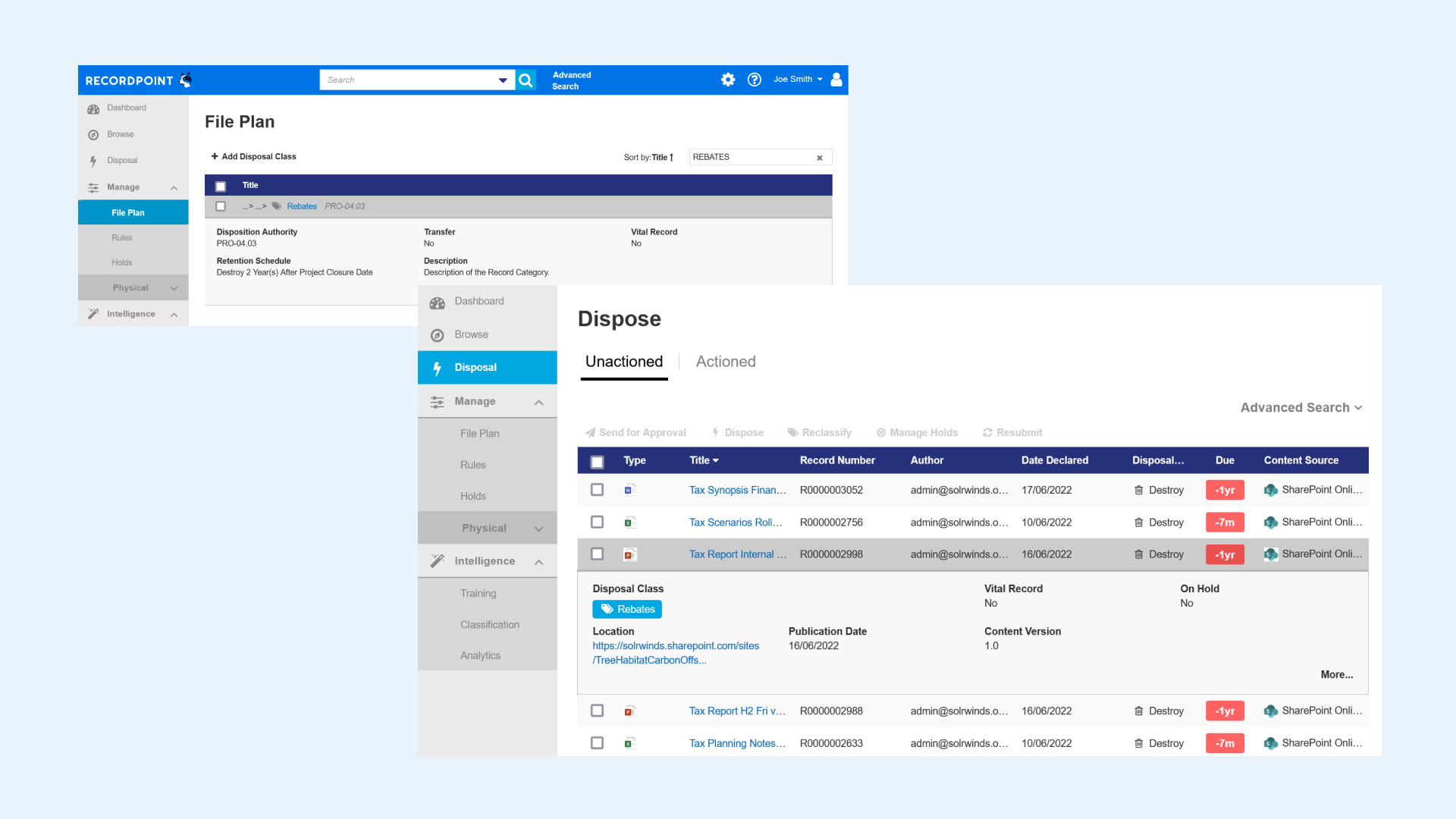
Screenshot of the RecordPoint Data Trust platform's connector framework, which allows for connection of business systems for a comprehensive data inventory. All data passes from these connected sources through its intelligence engine, which detects signals like data size, type, location, metadata, sensitivity; and then it’s de-duped, inventoried and classified.Screenshot of RecordPoint's Intelligence Signaling feature, used to automatically detect private information at risk across data inventory. Managed content sources are crawled for privacy signals both Personally Identifiable Information (PII) and Payment Card Industry (PCI) data, which is then applied to the metadata to ensure consistency regardless of the system origin.Screenshot of the Classification Intelligence feature that automatically categorizes data based on an organization’s policies faster than any human. Classification Intelligence features allow users to build Machine Learning (ML) models based on the organization's taxonomy to ensure accurate data categorization.Screenshot of the data minimization features that allow for defensible disposal including retention schedules and disposal approval workflows. As records become eligible for disposal, the RecordPoint platform will triage these records into a defined disposal management process that ensures the right people have the visibility and control to review and approve destruction before it occurs.