
Divi vs. Umbraco CMS
| Product | Rating | Most Used By | Product Summary | Starting Price |
|---|---|---|---|---|
 Divi | Score10 out of 10 | N/A | More than just a WordPress theme, Divi is a website building platform that replaces the standard WordPress post editor with a new visual editor. The vendor states it can be enjoyed by design professionals and newcomers alike, and is designed to give users the ability to create spectacular designs with ease and efficiency. | $89 per year |
 Umbraco CMS | Score6.8 out of 10 | N/A | Umbraco is an open-source .NET Core CMS with over 700,000 active installs worldwide and with more than 200,000 active community members. It was first released on February 16th, 2005, and is still to this day an open-source project backed by a commercial company. To ensure Umbraco is always running the latest technology, the company has aligned with Microsoft's .NET release schedule to always have the Umbraco CMS… | $0 |
| Divi | Umbraco CMS | |||||||||||||||
|---|---|---|---|---|---|---|---|---|---|---|---|---|---|---|---|---|
| Editions & Modules |
|
| ||||||||||||||
| Offerings |
| |||||||||||||||
| Entry-level Setup Fee | No setup fee | No setup fee | ||||||||||||||
| Additional Details | Lifetime subscriptions are also available for a one time fee. | The Umbraco CMS and all of its core features are the same across all plans. | ||||||||||||||
| More Pricing Information | ||||||||||||||||
| Divi | Umbraco CMS | |
|---|---|---|
| Considered Both Products | No answer on this topic | No answer on this topic |
| Key User Insights | ||
| Would buy again | ||
100% Would buy again 8 Answers | No answers on this topic | |
| Delivers good value for the price | ||
100% Delivers good value for the price 8 Answers | No answers on this topic | |
| Happy with the feature set | ||
100% Happy with the feature set 8 Answers | No answers on this topic | |
| Lived up to sales and marketing promises | ||
88% Lived up to sales and marketing promises 7 Answers | No answers on this topic | |
| Implementation went as expected | ||
100% Implementation went as expected 8 Answers | No answers on this topic | |
| Divi | Umbraco CMS | ||||||||||||||||||||||||||||
|---|---|---|---|---|---|---|---|---|---|---|---|---|---|---|---|---|---|---|---|---|---|---|---|---|---|---|---|---|---|
| Security |
| ||||||||||||||||||||||||||||
| Platform & Infrastructure |
| ||||||||||||||||||||||||||||
| Web Content Creation |
| ||||||||||||||||||||||||||||
| Web Content Management |
| ||||||||||||||||||||||||||||
| Divi | Umbraco CMS | |
|---|---|---|
| Small Businesses | Umbraco CMS Score6.8 out of 10 |  ManageWP Score10 out of 10 |
| Medium-sized Companies |  Square Online Score7.4 out of 10 | Square Online Score7.4 out of 10 |
| Enterprises |  RWS Tridion Sites Score9 out of 10 | RWS Tridion Sites Score9 out of 10 |
| All Alternatives | View all alternatives | View all alternatives |
| Divi | Umbraco CMS | |
|---|---|---|
| Likelihood to Recommend | 10.0 | 6.0 |
| Usability | - | 8.0 |
| Availability | - | 7.0 |
| Performance | - | 3.0 |
| Support Rating | - | 2.0 |
| Online Training | - | 3.0 |
| Implementation Rating | - | 7.0 |
| Product Scalability | - | 4.0 |
| Divi | Umbraco CMS | |
|---|---|---|
| Likelihood to Recommend |
|
|
| Pros |
|
|
| Cons |
|
|
| Usability |
|
|
| Reliability and Availability | No answers on this topic |
|
| Performance | No answers on this topic |
|
| Support Rating | No answers on this topic |
|
| Online Training | No answers on this topic |
|
| Implementation Rating | No answers on this topic |
|
| Alternatives Considered |
| |
| Scalability | No answers on this topic |
|
| Return on Investment |
|
|
| ScreenShots | Umbraco CMS Screenshots    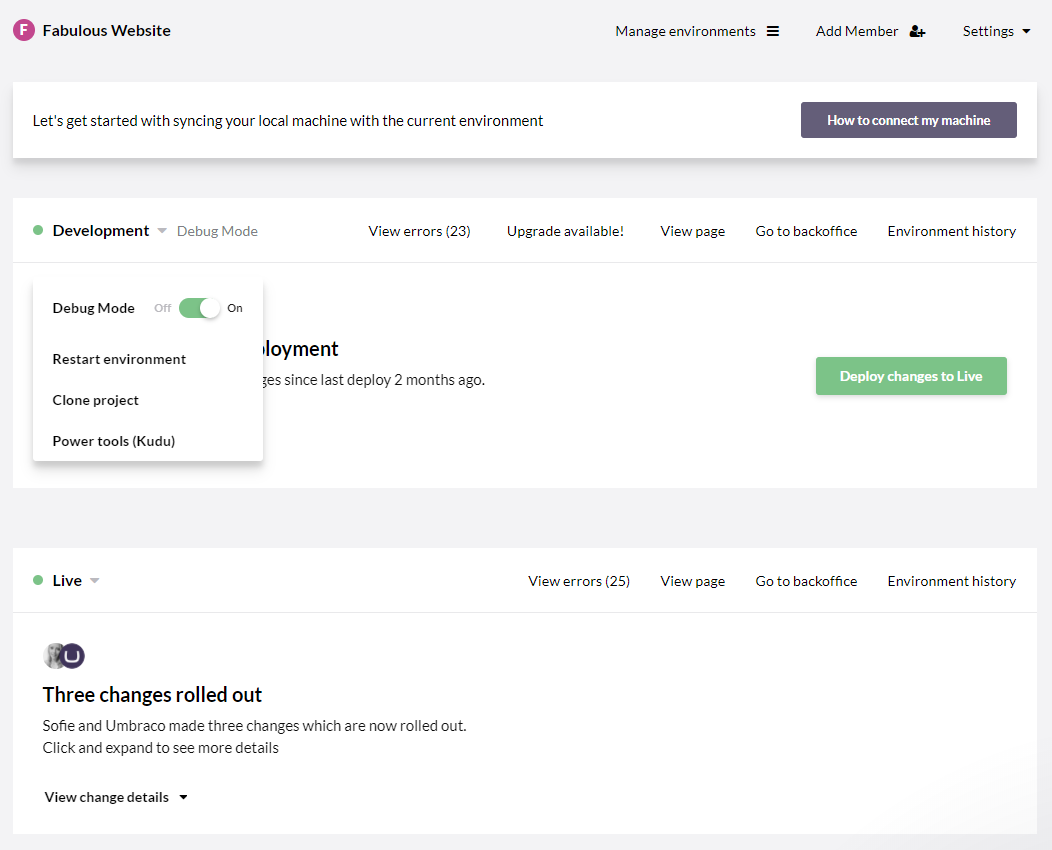 |



