
dbt vs. SAP Data Intelligence
| Product | Rating | Most Used By | Product Summary | Starting Price |
|---|---|---|---|---|
 dbt | Score9 out of 10 | N/A | dbt is an SQL development environment, developed by Fishtown Analytics, now known as dbt Labs. The vendor states that with dbt, analysts take ownership of the entire analytics engineering workflow, from writing data transformation code to deployment and documentation. dbt Core is distributed under the Apache 2.0 license, and paid Teams and Enterprise editions are available. | $0 per month per seat |
 SAP Data Intelligence | Score8.9 out of 10 | N/A | SAP Data Intelligence is presented by the vendor as a single solution to innovate with data. It provides data-driven innovation in the cloud, on premise, and through BYOL deployments. It is described by the vendor as the new evolution of the company's data orchestration and management solution running on Kubernetes, released by SAP in 2017 to deal with big data and complex data orchestration working across distributed landscapes and processing engine. | N/A |
| dbt | SAP Data Intelligence | |||||||||||||||
|---|---|---|---|---|---|---|---|---|---|---|---|---|---|---|---|---|
| Editions & Modules | No answers on this topic | No answers on this topic | ||||||||||||||
| Offerings |
| |||||||||||||||
| Entry-level Setup Fee | No setup fee | Optional | ||||||||||||||
| Additional Details | — | — | ||||||||||||||
| More Pricing Information | ||||||||||||||||
| dbt | SAP Data Intelligence | |
|---|---|---|
| Considered Both Products | No answer on this topic | No answer on this topic |
| Key User Insights | ||
| Would buy again | ||
100% Would buy again 10 Answers | 98% Would buy again 50 Answers | |
| Delivers good value for the price | ||
100% Delivers good value for the price 9 Answers | 90% Delivers good value for the price 35 Answers | |
| Happy with the feature set | ||
100% Happy with the feature set 10 Answers | 98% Happy with the feature set 51 Answers | |
| Lived up to sales and marketing promises | ||
100% Lived up to sales and marketing promises 8 Answers | 87% Lived up to sales and marketing promises 27 Answers | |
| Implementation went as expected | ||
90% Implementation went as expected 9 Answers | 86% Implementation went as expected 31 Answers | |
| dbt | SAP Data Intelligence | |||||||||||||||||||
|---|---|---|---|---|---|---|---|---|---|---|---|---|---|---|---|---|---|---|---|---|
| Data Transformations |
| |||||||||||||||||||
| Data Modeling |
| |||||||||||||||||||
| dbt | SAP Data Intelligence | |
|---|---|---|
| Small Businesses |  Skyvia Score9.9 out of 10 | No answers on this topic |
| Medium-sized Companies |  IBM InfoSphere Information Server Score8 out of 10 | No answers on this topic |
| Enterprises |  SolarWinds Task Factory Score8.2 out of 10 |  Talend Data Fabric Score9.5 out of 10 |
| All Alternatives | View all alternatives | View all alternatives |
| dbt | SAP Data Intelligence | |
|---|---|---|
| Likelihood to Recommend | 10.0 | 8.1 |
| Likelihood to Renew | - | 8.2 |
| Usability | 9.5 | 8.2 |
| Support Rating | - | 7.0 |
| Configurability | - | 8.2 |
| Vendor post-sale | - | 9.1 |
| Vendor pre-sale | - | 9.1 |
| dbt | SAP Data Intelligence | |
|---|---|---|
| Likelihood to Recommend |
|
|
| Pros |
|
|
| Cons |
|
|
| Likelihood to Renew | No answers on this topic |
|
| Usability |
|
|
| Support Rating | No answers on this topic |
|
| Alternatives Considered |
|
|
| Return on Investment |
|
|
| ScreenShots | SAP Data Intelligence Screenshots  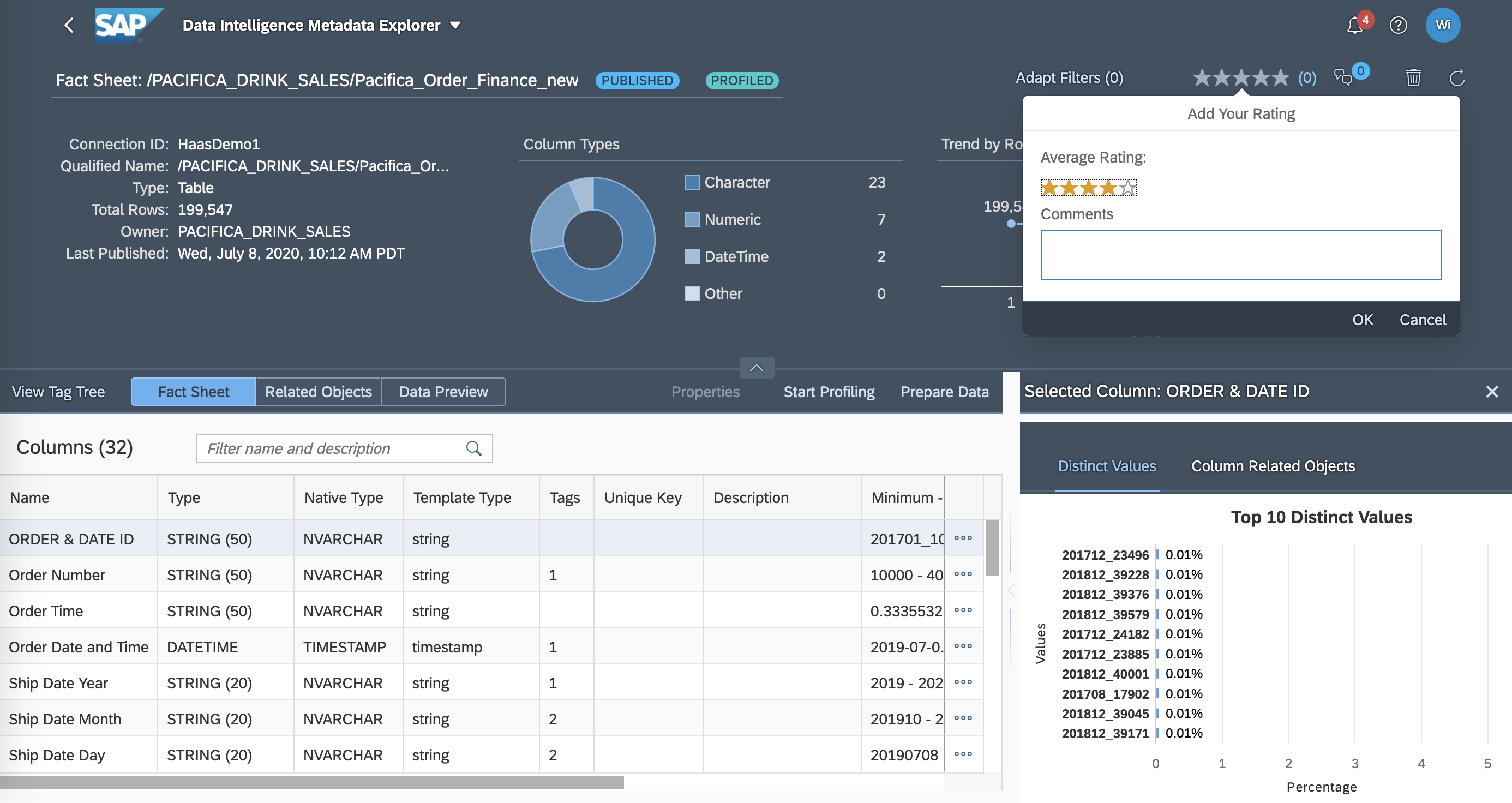 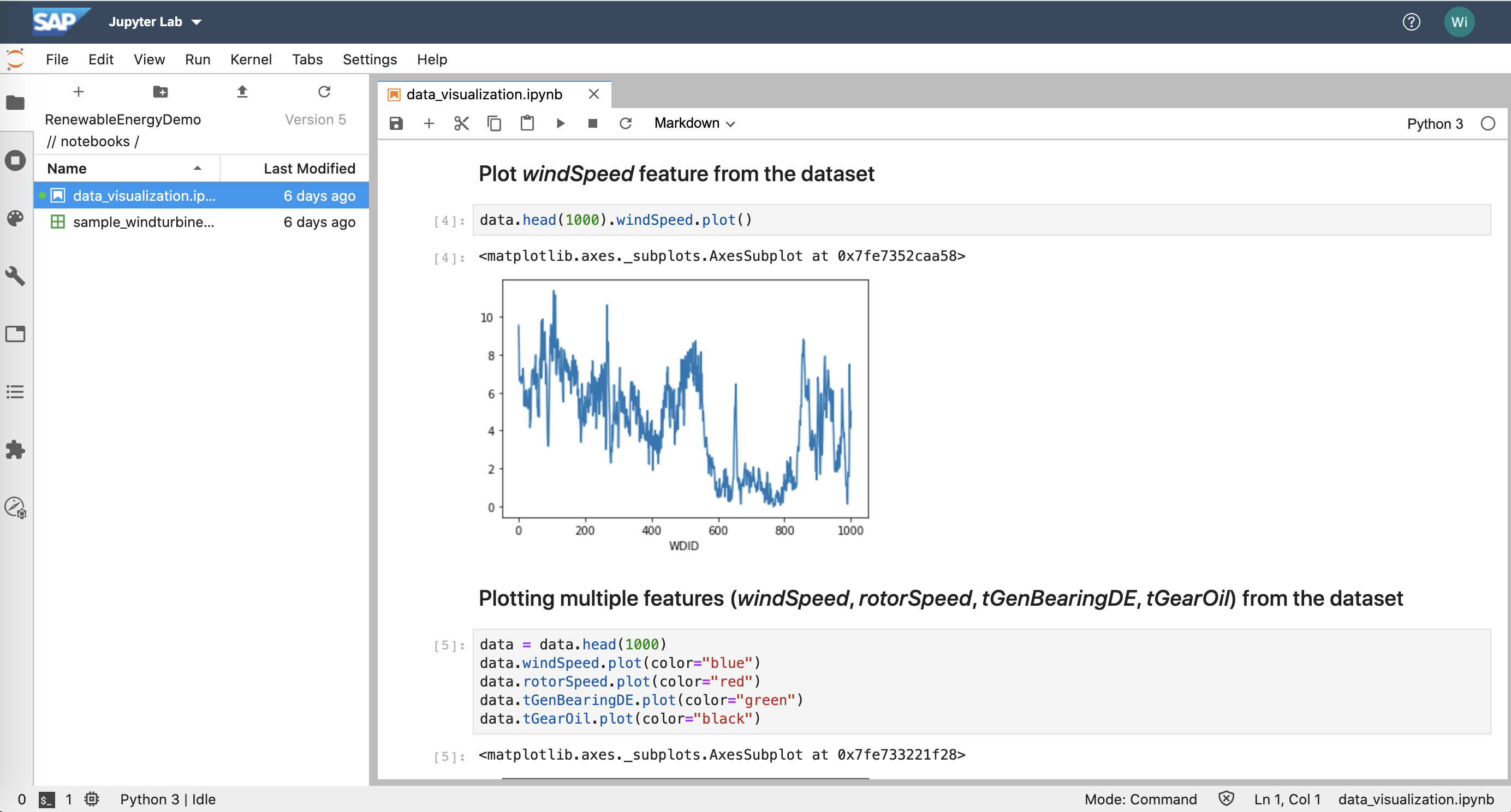   |





