
dbt vs. ER/Studio Data Architect
dbt vs. ER/Studio Data Architect
| Product | Rating | Most Used By | Product Summary | Starting Price |
|---|---|---|---|---|
 dbt | N/A | dbt is an SQL development environment, developed by Fishtown Analytics, now known as dbt Labs. The vendor states that with dbt, analysts take ownership of the entire analytics engineering workflow, from writing data transformation code to deployment and documentation. dbt Core is distributed under the Apache 2.0 license, and paid Teams and Enterprise editions are available. | N/A | |
 ER/Studio Data Architect | N/A | ER/Studio is a database development and management tool from Embarcadero Technologies (acquired by Idera) in California. | N/A |
| dbt | ER/Studio Data Architect | |||||||||||||||
|---|---|---|---|---|---|---|---|---|---|---|---|---|---|---|---|---|
| Editions & Modules | No answers on this topic | No answers on this topic | ||||||||||||||
| Offerings |
| |||||||||||||||
| Entry-level Setup Fee | No setup fee | No setup fee | ||||||||||||||
| Additional Details | — | Pricing for new customers only, first year maintenance included. Maintenance includes access to technical support and product updates for the defined period of the agreement. | ||||||||||||||
| More Pricing Information | ||||||||||||||||
| dbt | ER/Studio Data Architect |
|---|
| dbt | ER/Studio Data Architect | ||||||||||||||||||
|---|---|---|---|---|---|---|---|---|---|---|---|---|---|---|---|---|---|---|---|
| Data Transformations |
| ||||||||||||||||||
| Data Modeling |
|
| dbt | ER/Studio Data Architect | |
|---|---|---|
| Small Businesses |  Skyvia Score 9.9 out of 10 |  Egnyte Score 9.7 out of 10 |
| Medium-sized Companies |  IBM InfoSphere Information Server Score 8.0 out of 10 | IBM InfoSphere Information Server Score 8.0 out of 10 |
| Enterprises | IBM InfoSphere Information Server Score 8.0 out of 10 | IBM InfoSphere Information Server Score 8.0 out of 10 |
| All Alternatives | View all alternatives | View all alternatives |
| dbt | ER/Studio Data Architect | |
|---|---|---|
| Likelihood to Recommend | 10.0 (0 ratings) | 8.0 (0 ratings) |
| Usability | 9.5 (0 ratings) | - (0 ratings) |
| Support Rating | - (0 ratings) | 9.0 (0 ratings) |
| dbt | ER/Studio Data Architect | |
|---|---|---|
| Likelihood to Recommend | 
 Sahil Khan Data Analyst | 
|
| Pros |
 Obed Espina Senior Data Engineer |
 Michael Romm Principal Data Architect |
| Cons |
|
 Jody Gitchel Senior Data Solutions Architect |
| Usability |
| No answers on this topic |
| Support Rating | No answers on this topic |
 Jay Coppola Database Architect |
| Alternatives Considered |
|
Jody Gitchel Senior Data Solutions Architect |
| Return on Investment |
 Judy Campion Data Architect |
Jay Coppola Database Architect |
| ScreenShots | ER/Studio Data Architect Screenshots  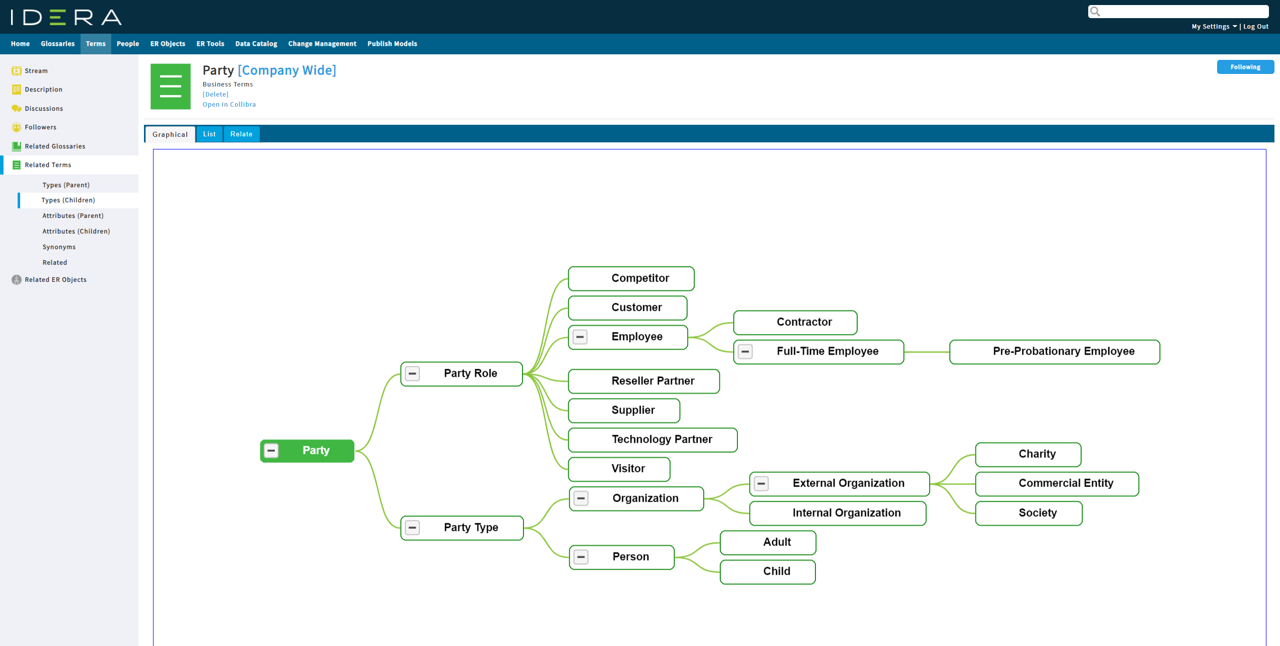 |