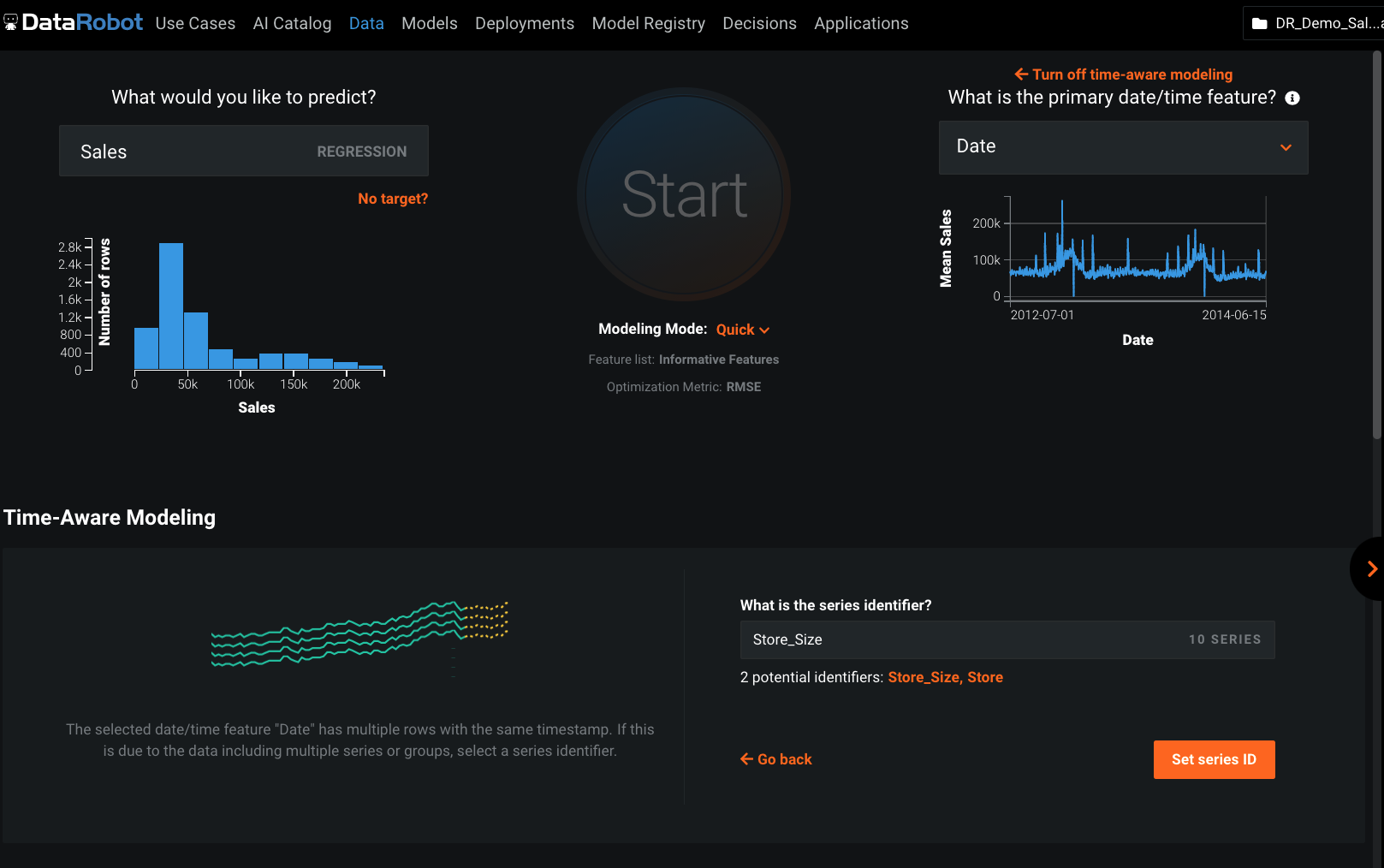
The DataRobot AI Platform is presented as a solution that accelerates and democratizes data science by automating the end-to-end journey from data to value and allows users to deploy AI applications at scale. DataRobot provides a centrally governed platform that gives users AI to drive business outcomes, that is available on the user's cloud platform-of-choice, on-premise, or as a fully-managed service. The solutions include tools providing data preparation enabling users to explore and…
N/A
Pytorch
Score 9.4 out of 10
N/A
Pytorch is an open source machine learning (ML) framework boasting a rich ecosystem of tools and libraries that extend PyTorch and support development in computer vision, NLP and or that supports other ML goals.
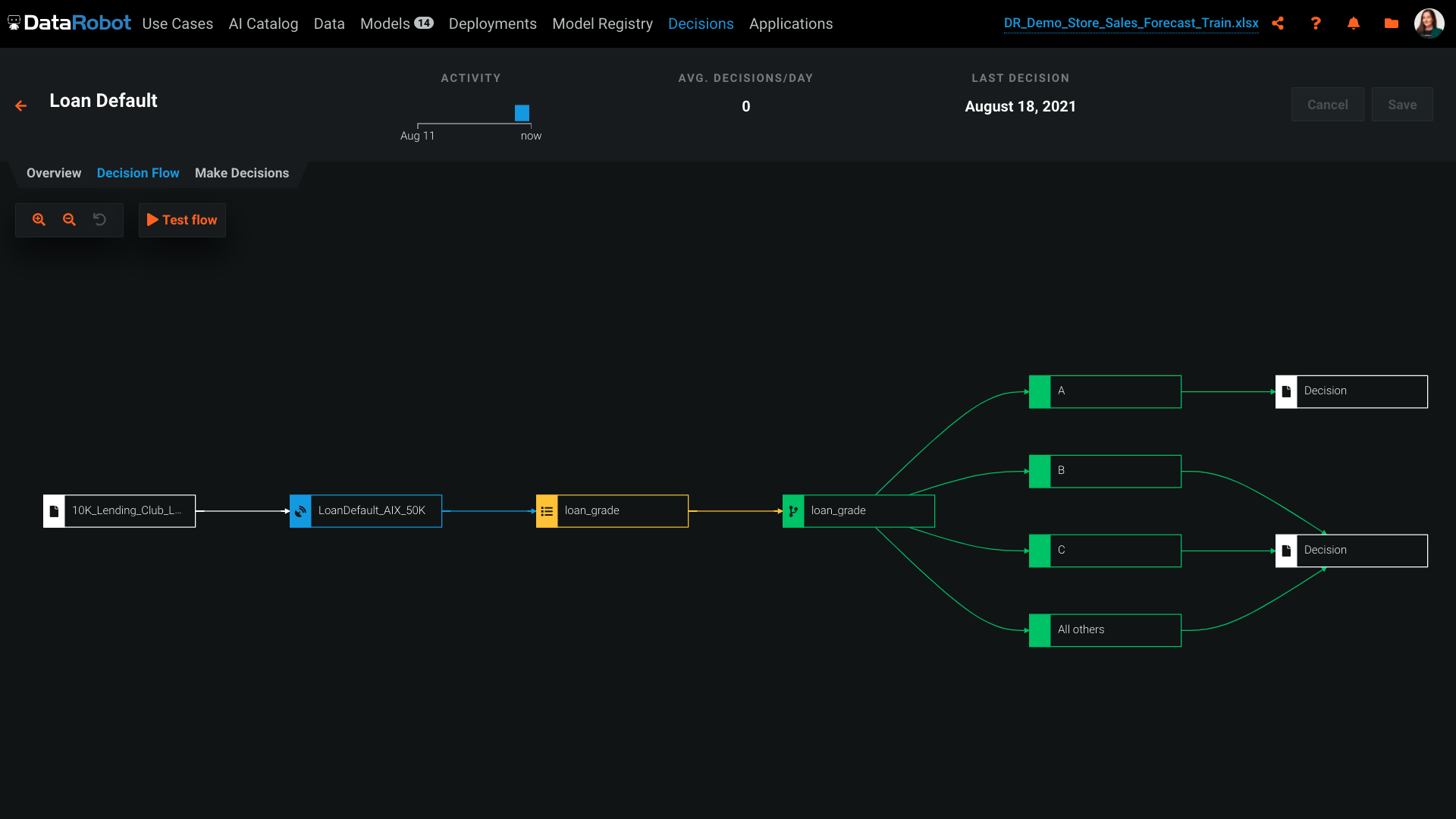
DataRobot can be used for risk assessment, such as predicting the likelihood of loan default. It can handle both classification and regression tasks effectively. It relies on historical data for model training. If you have limited historical data or the data quality is poor, it may not be the best choice as it requires a sufficient amount of high-quality data for accurate model building.
Everything deep learning related if not on TPU (in such case, JAX would be better suited). For LLM deployment, libraries such as vLLM would be better suited, too; otherwise, wrapping the PyTorch model with Ray is a good option.
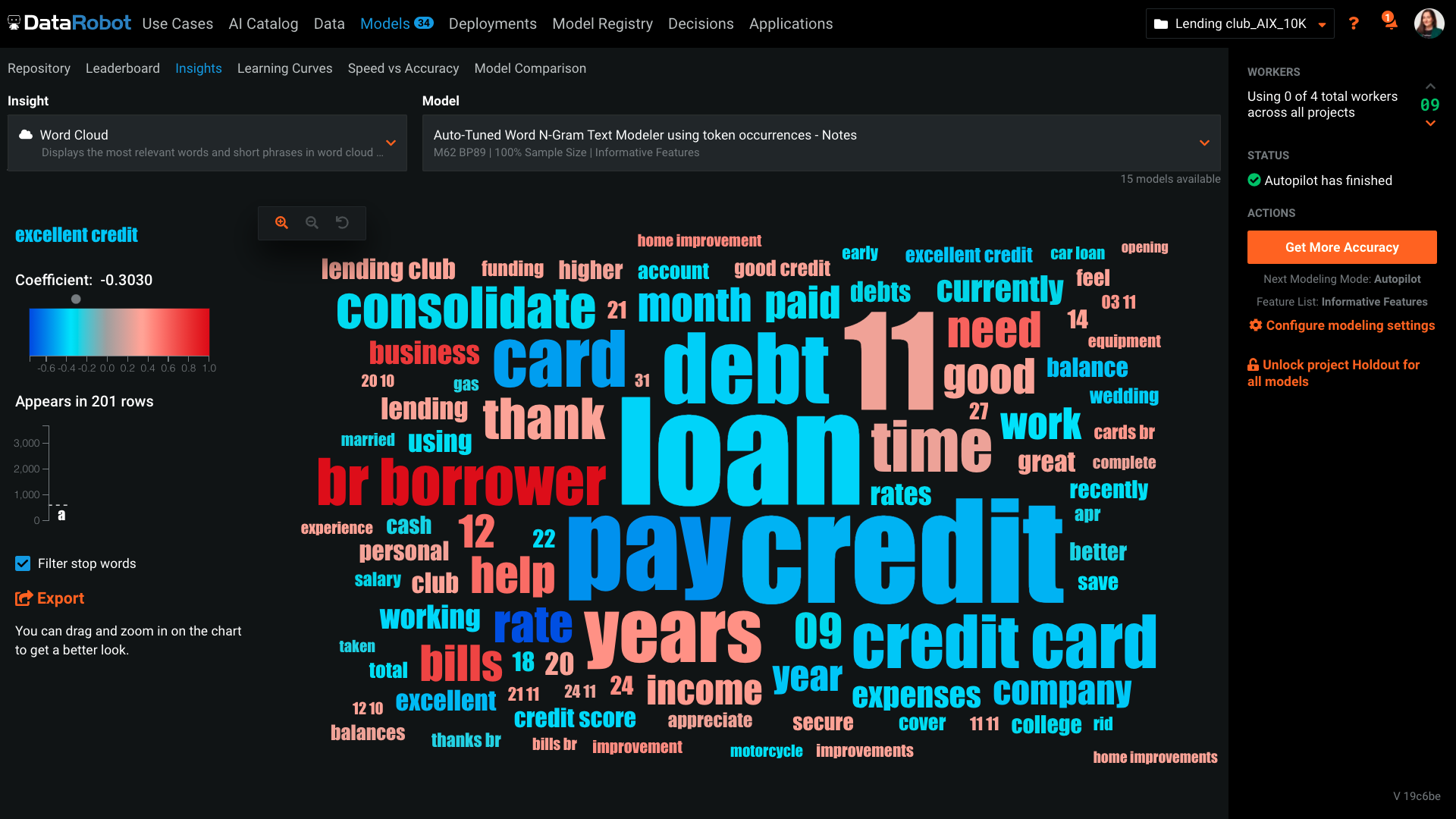
Further improvements to their text analysis tool, to be more like the Qualtrics text analysis tool, would be a great addition. Qualtrics has templates built into their text analysis tool for customer service, quality control, etc, and will automatically slot your text responses into categories associated with certain sub areas of those larger categories.
DataRobot presents a machine-learning platform designed by data scientists from an array of backgrounds, to construct and develop precise predictive modeling in a fraction of the time previously taken. The tech invloved addresses the critical shortage of data scientists by changing the speed and economics of predictive analytics. DataRobot utilizes parallel processing to evaluate models in R, Python, Spark MLlib, H2O and other open source databases. It searches for possible permutations and algorithms, features, transformation, processes, steps and tuning to yield the best models for the dataset and predictive goal.
The big advantage of PyTorch is how close it is to the algorithm. Oftentimes, it is easier to read Pytorch code than a given paper directly. I particularly like the object-oriented approach in model definition; it makes things very clean and easy to teach to software engineers.
As I am writing this report I am participating with Datarobot Engineers in an complex environment and we have their whole support. We are in Mexico and is not common to have this commitment from companies without expensive contract services. Installing is on premise and the client does not want us to take control and they, the client, is also limited because of internal IT regulations ,,, soo we are just doing magic and everybody is committed.
I've done machine learning through python before, however having to code and test each model individually was very time consuming and required a lot of expertise. The data Robot approach, is an excellent way of getting to a well placed starting point. You can then pick up the model from there and fine tune further if you need.
Saving and loading Machine/Deep Learning models is very easy with Pytorch. It provides visualization capabilities when combined with Tensorboard, and mathematical operations are highly optimized. Easy to understand for a person who is an expert in Python. It takes significantly less time to create valuable POCs as most of the things are inbuilt.