
Datadog vs. Request Metrics
Datadog vs. Request Metrics
| Product | Rating | Most Used By | Product Summary | Starting Price |
|---|---|---|---|---|
 Datadog | N/A | Datadog is a monitoring service for IT, Dev and Ops teams who write and run applications at scale, and want to turn the massive amounts of data produced by their apps, tools and services into actionable insight. | $1.27 per month (billed annually) per host | |
 Request Metrics | N/A | Realtime website performance tests generated from real user experience on a website. Request Metrics gathers performance data from actual users, rather than a synthetic tests. Request Metrics is website performance monitoring, simplified for small high performance teams. There is no complicated query languages to learn or theoretical metrics to understand. The service provides reports that help keep a website running fast, and customers… | $37 per month |
| Datadog | Request Metrics | |||||||||||||||
|---|---|---|---|---|---|---|---|---|---|---|---|---|---|---|---|---|
| Editions & Modules |
|
| ||||||||||||||
| Offerings |
| |||||||||||||||
| Entry-level Setup Fee | Optional | Optional | ||||||||||||||
| Additional Details | Discount available for annual pricing. Multi-Year/Volume discounts available (500+ hosts/mo). | — | ||||||||||||||
| More Pricing Information | ||||||||||||||||
| Datadog | Request Metrics |
|---|
| Datadog | Request Metrics | ||||||||||||
|---|---|---|---|---|---|---|---|---|---|---|---|---|---|
| Application Performance Management |
|
| Datadog | Request Metrics | |
|---|---|---|
| Small Businesses |  InfluxDB Score 8.8 out of 10 |  GitLab Score 8.7 out of 10 |
| Medium-sized Companies |  Sumo Logic Score 9.4 out of 10 |  ManageEngine Site24x7 Score 9.8 out of 10 |
| Enterprises |  NetBrain Technologies Score 9.2 out of 10 | ManageEngine Site24x7 Score 9.8 out of 10 |
| All Alternatives | View all alternatives | View all alternatives |
| Datadog | Request Metrics | |
|---|---|---|
| Likelihood to Recommend | 9.0 (0 ratings) | 10.0 (0 ratings) |
| Usability | 10.0 (0 ratings) | - (0 ratings) |
| Support Rating | 8.9 (0 ratings) | - (0 ratings) |
| Datadog | Request Metrics | |
|---|---|---|
| Likelihood to Recommend | 
| 
 Imelda Garcia Software Engineer |
| Pros |
 Aman Makwana DevOps Engineer |
Imelda Garcia Software Engineer |
| Cons |
|
Imelda Garcia Software Engineer |
| Usability |
| No answers on this topic |
| Support Rating |
| No answers on this topic |
| Alternatives Considered |
|
Imelda Garcia Software Engineer |
| Return on Investment |
|
Imelda Garcia Software Engineer |
| ScreenShots | Datadog Screenshots 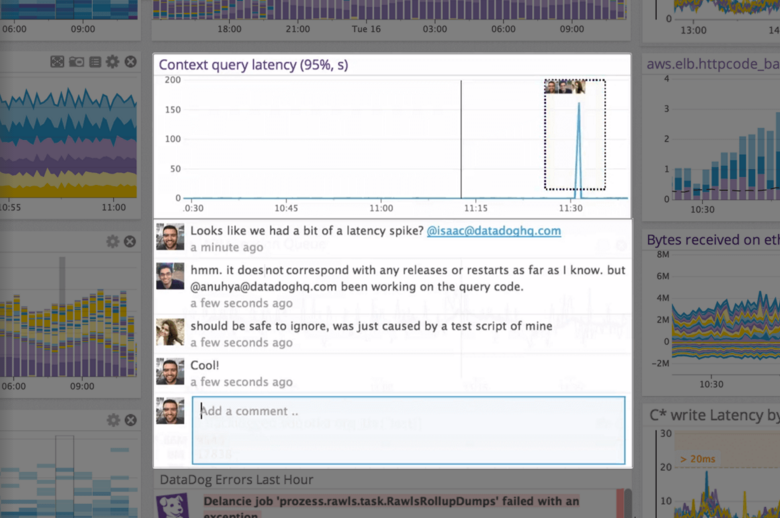 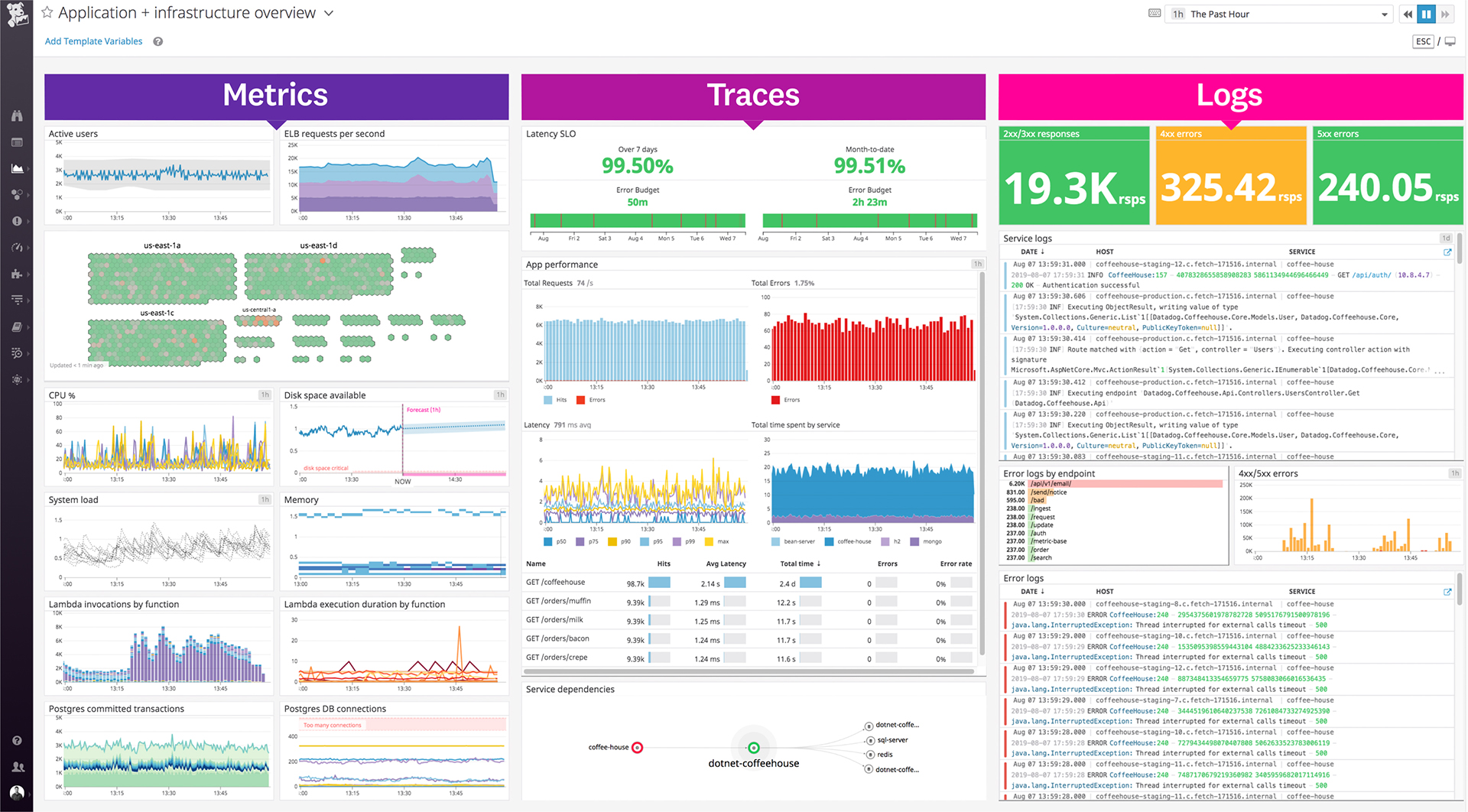    | Request Metrics Screenshots     |