
Codacy vs. Crucible
Codacy vs. Crucible
| Product | Rating | Most Used By | Product Summary | Starting Price |
|---|---|---|---|---|
 Codacy | N/A | Codacy automates code reviews and monitors code quality on every commit and pull request reporting back the impact of every commit or pull request, issues concerning code style, best practices, security, and many others. It monitors changes in code coverage, code duplication and code complexity. Saving developers time in code reviews thus efficiently tackling technical debt. JavaScript, Java, Ruby, Scala, PHP, Python, CoffeeScript and CSS are currently supported. Codacy is static analysis… | $0 | |
 Crucible | N/A | Atlasssian Crucible is a peer review tool for finding bugs and defects in version control tools Subversion, Git, Mercurial, CVS, and Perforce. | N/A |
| Codacy | Crucible | |||||||||||||||
|---|---|---|---|---|---|---|---|---|---|---|---|---|---|---|---|---|
| Editions & Modules |
| No answers on this topic | ||||||||||||||
| Offerings |
| |||||||||||||||
| Entry-level Setup Fee | Optional | No setup fee | ||||||||||||||
| Additional Details | — | — | ||||||||||||||
| More Pricing Information | ||||||||||||||||
| Codacy | Crucible |
|---|
| Codacy | Crucible | |
|---|---|---|
| Small Businesses |  GitHub Score 9.0 out of 10 | GitHub Score 9.0 out of 10 |
| Medium-sized Companies |  Veracode Score 8.7 out of 10 | Veracode Score 8.7 out of 10 |
| Enterprises |  Perforce P4 Score 7.7 out of 10 | Perforce P4 Score 7.7 out of 10 |
| All Alternatives | View all alternatives | View all alternatives |
| Codacy | Crucible | |
|---|---|---|
| Likelihood to Recommend | 9.2 (0 ratings) | 7.4 (0 ratings) |
| Support Rating | 10.0 (0 ratings) | 9.6 (0 ratings) |
| Codacy | Crucible | |
|---|---|---|
| Likelihood to Recommend | 
 Khati Disha Information Technology Project Manager | 
|
| Pros |
 Chiesa Barella Back End Engineer |
 Craig Solinski Systems Administrator/Programmer |
| Cons |
 Sanyam Jain Freelancer in RPA |
|
| Support Rating |
|
|
| Alternatives Considered |
| |
| Return on Investment |
|
|
| ScreenShots | Codacy Screenshots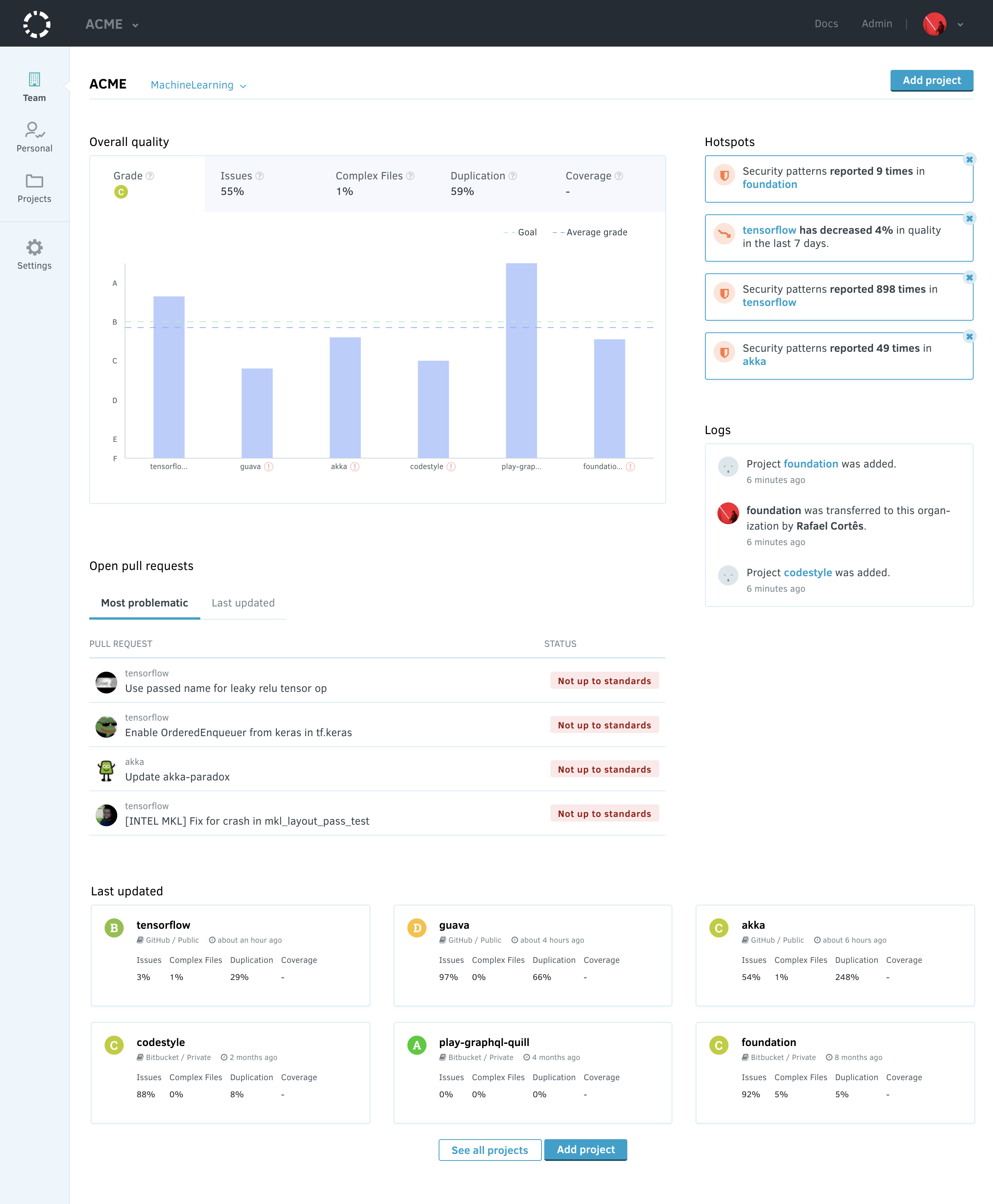  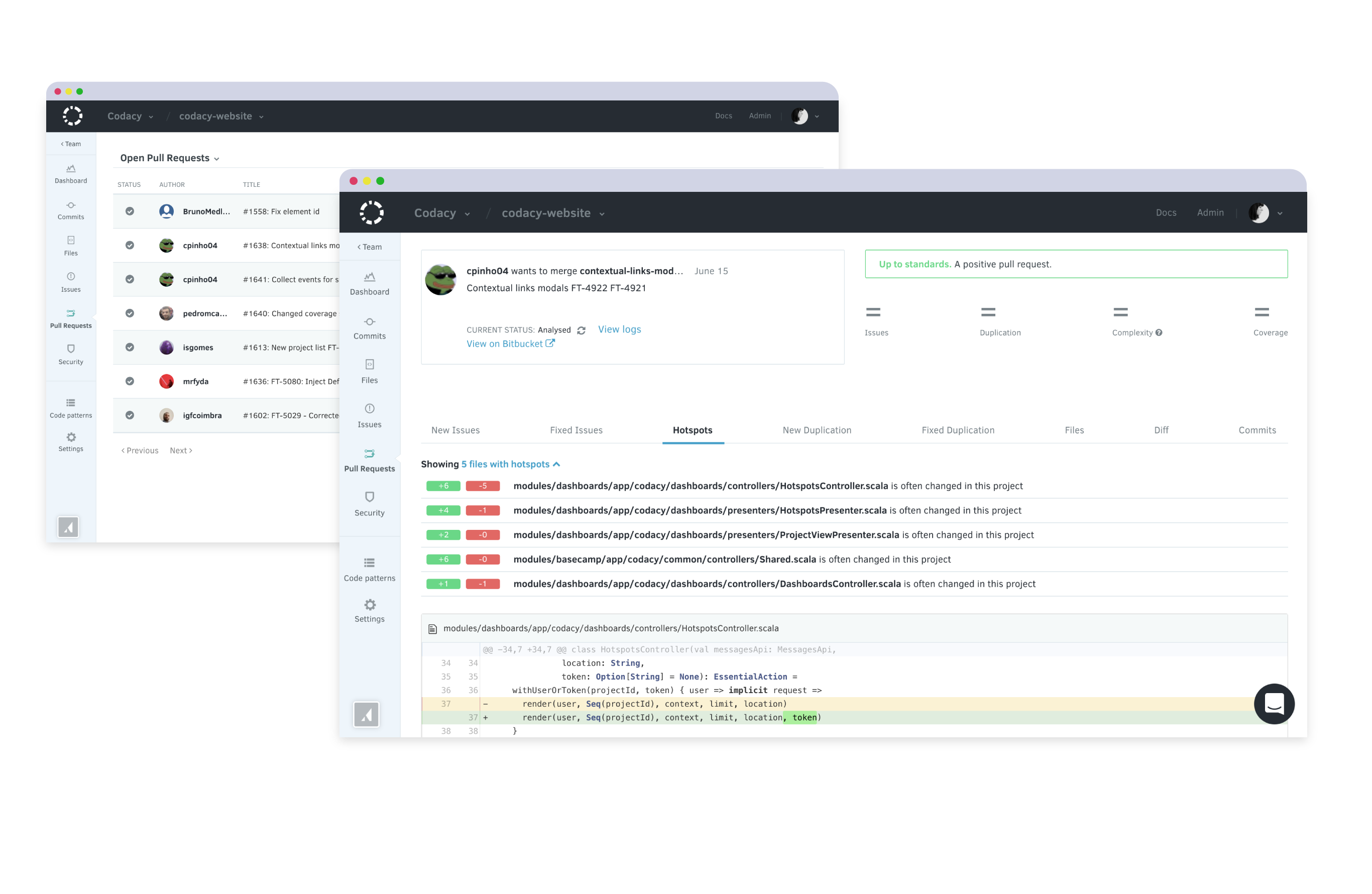  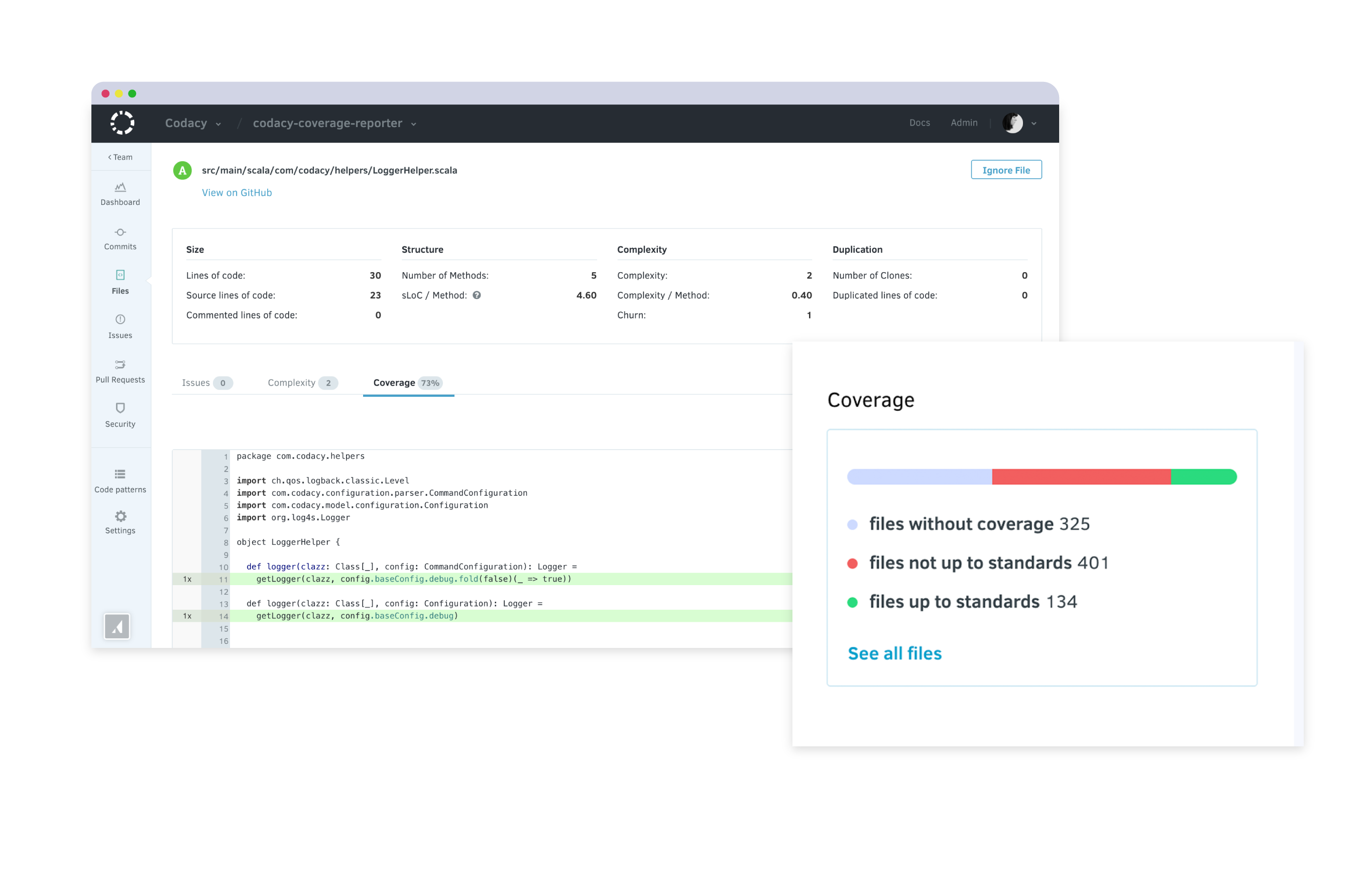  |