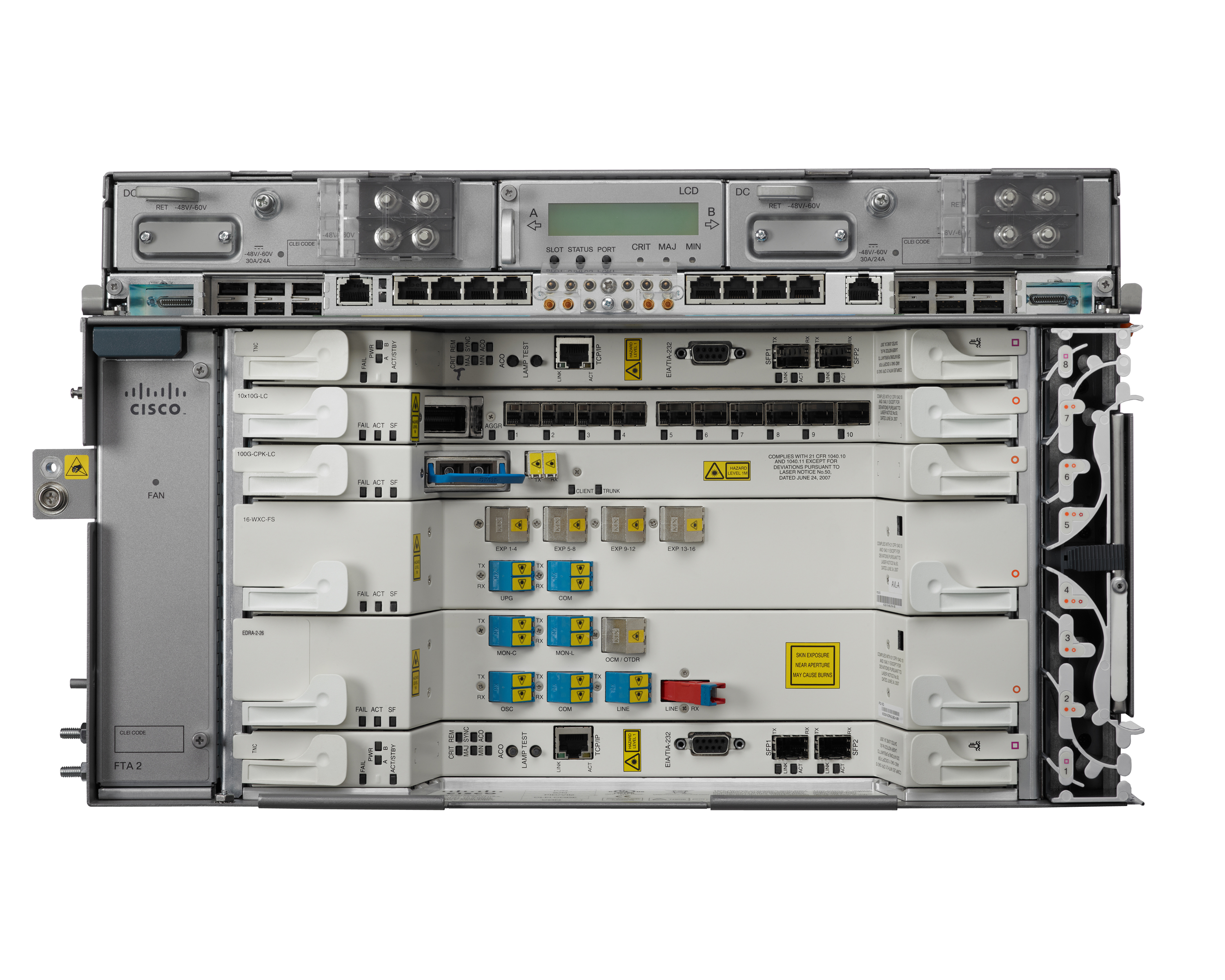
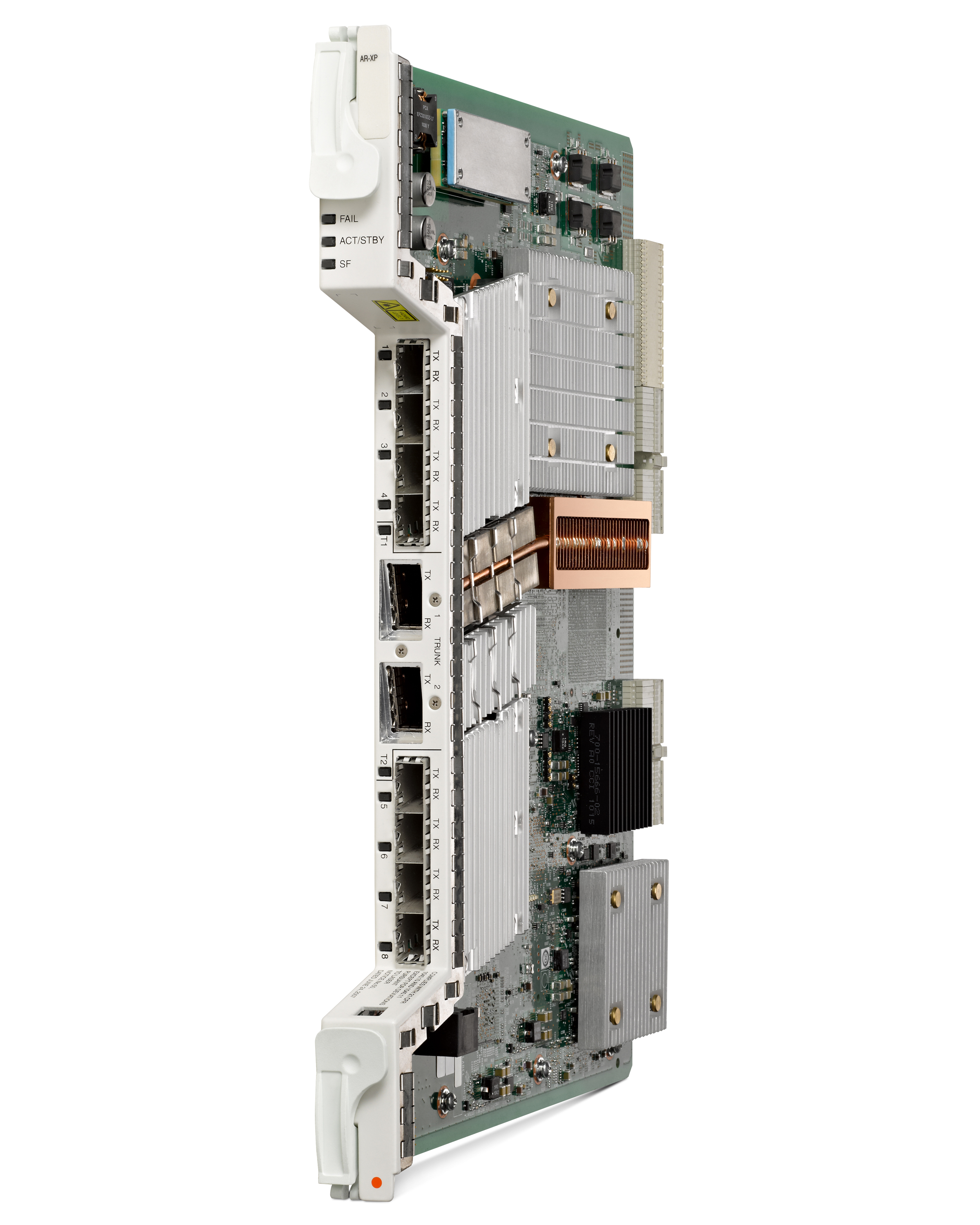
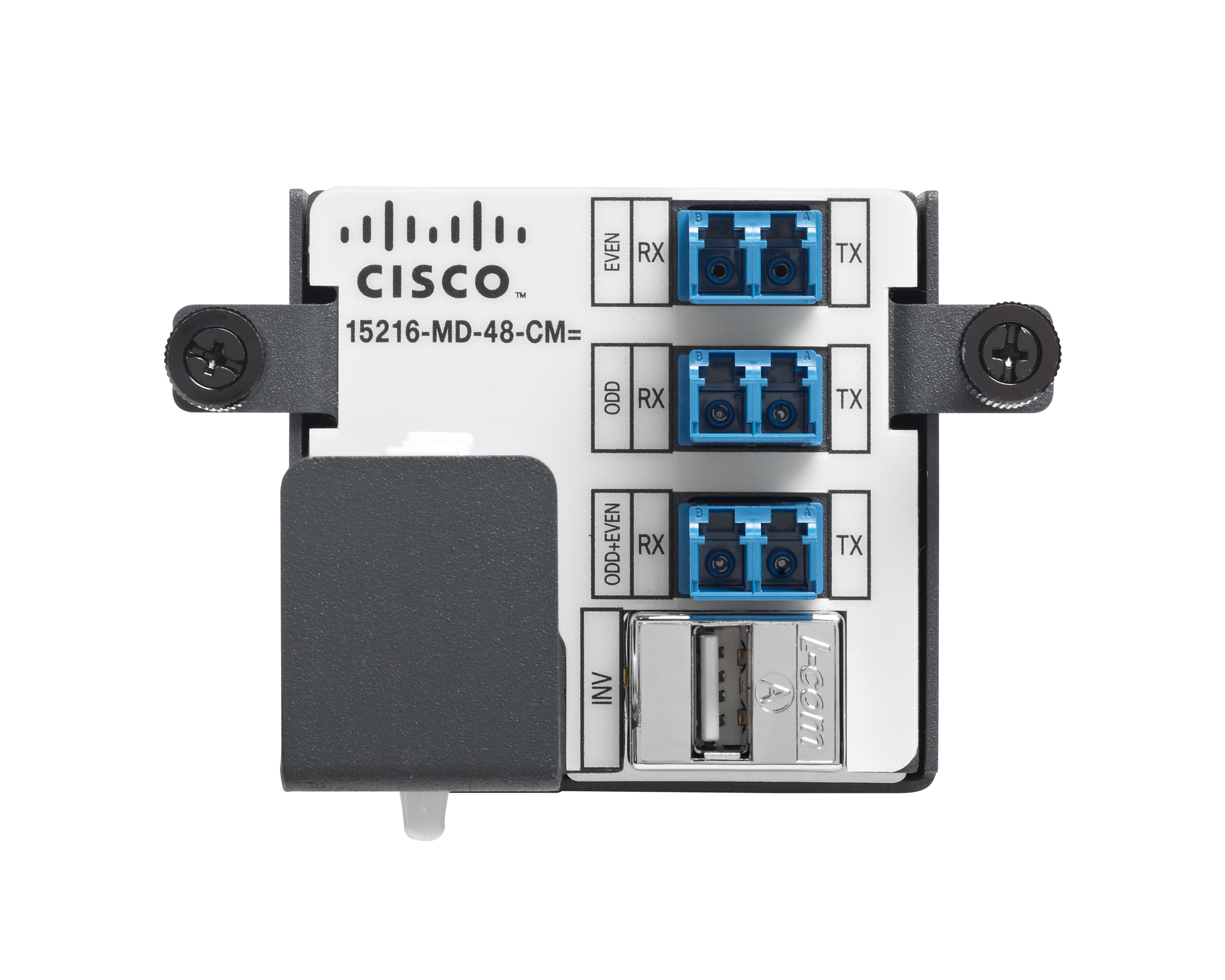
Cisco Optical Networking is a suite of products supporting data center networking, including the NCS 1000, 2000, 4000, 4200, and the Cisco Evolved Programmable Network Manager (Cisco EPN Manager), as well as Cisco ONS 15000 series platforms and devices.
N/A
Dell PowerConnect Switches (discontinued)
Score8 out of 10
N/A
Dell PowerConnect were a series of managed and unmanaged ethernet switches for data centers, discontinued by Dell. They have been superseded by the PowerSwitch line of switches, from Dell.
Based on my experience, I think it's a goldmine for the experienced professional and a hectic job for newbies. I recommend newbies to have some experience and then jump to Cisco Optical Networking so that they can easily understand what they paid for and take the best out of it. It's best for network scalability so I highly recommend it to those who intend to scale their network in the near future however, if you know that your network will remain the same and you don't require it, there are cheaper options within Cisco.
A de minimis incentive was given to thank the reviewer for their time. The incentive was not used to bias or drive a particular response, nor was the incentive contingent on a positive endorsement. More Info
We work in the electric industry. These should not be used in a high-heat environment. We like to keep the temperature of the room in the low 60's so they are not suited for our Substation locations due to extreme heat and cold. However, they perform great in a server room.
A de minimis incentive was given to thank the reviewer for their time. The incentive was not used to bias or drive a particular response, nor was the incentive contingent on a positive endorsement. More Info
A de minimis incentive was given to thank the reviewer for their time. The incentive was not used to bias or drive a particular response, nor was the incentive contingent on a positive endorsement. TR verified that a representative sample of customers was invited. More Info
A de minimis incentive was given to thank the reviewer for their time. The incentive was not used to bias or drive a particular response, nor was the incentive contingent on a positive endorsement. More Info
A simplified management platform that provides services without having to invest In multiple products, each with an additional cost. The product should just come with the services and features.
Simplifying the BOM selection process. There are to many hidden part numbers you need to know.
A de minimis incentive was given to thank the reviewer for their time. The incentive was not used to bias or drive a particular response, nor was the incentive contingent on a positive endorsement. TR verified that a representative sample of customers was invited. More Info
A de minimis incentive was given to thank the reviewer for their time. The incentive was not used to bias or drive a particular response, nor was the incentive contingent on a positive endorsement. More Info
We will renew our use of Cisco Optical Networking due to its reliability in maintaining high-performance, low-latency connections, its scalability in supporting growing bandwidth demands, and its integration with existing Cisco infrastructure, which simplifies management and reduces operational complexity. Additionally, its robust security features and automation capabilities have enhanced network resilience, making it a valuable long-term solution for our expanding needs.
A de minimis incentive was given to thank the reviewer for their time. The incentive was not used to bias or drive a particular response, nor was the incentive contingent on a positive endorsement. More Info
It just works depending on what your requirement is. Cisco also provides a well formed cheat sheet on which gear to use for which scenario. Very convenient. It makes my job as a Sales Engineer easier when I have a short timeline to get a solution designed. It is also build well enough to be used in austere environments.
A de minimis incentive was given to thank the reviewer for their time. The incentive was not used to bias or drive a particular response, nor was the incentive contingent on a positive endorsement. More Info
The Dell PowerConnect switch is a great switch in certain use cases. It really works well when training users to set up their own vlans in a technology class. We have a lot of different scenarios happening at this company, with 8 different buildings and multiple different affiliate entities. For some of the departments, the budget is the most crucial element. That is where the Dell PowerConnect switches are a really great option.
A de minimis incentive was given to thank the reviewer for their time. The incentive was not used to bias or drive a particular response, nor was the incentive contingent on a positive endorsement. More Info
I would rate the overall support for Cisco Optical Networking at 9/10. The support team is highly responsive, knowledgeable, and effective in resolving issues quickly. Cisco’s comprehensive online resources, documentation, and community forums also make it easy to find solutions. However, there is always room for improvement in terms of response time during peak periods.
A de minimis incentive was given to thank the reviewer for their time. The incentive was not used to bias or drive a particular response, nor was the incentive contingent on a positive endorsement. More Info
Dell ProSupport is outstanding. Dell ProDeploy is likewise outstanding. I prefer them even over traditional Cisco support. I've had repeated cases where Dell immediately addressed or fixed an issue with US-based support, including firmware hotfixes. Not even Cisco can boast that.
A de minimis incentive was given to thank the reviewer for their time. The incentive was not used to bias or drive a particular response, nor was the incentive contingent on a positive endorsement. More Info
We selected Cisco Optical Networking after evaluating alternatives such as Ciena, Nokia, and Infinera. Cisco stood out for its seamless integration with our existing network infrastructure, which already relied heavily on Cisco solutions. This made deployment and management significantly easier. The Cisco NCS 2000 series offered flexible ROADM capabilities, allowing us to scale bandwidth dynamically without extensive infrastructure changes. Additionally, Cisco’s Evolved Programmable Network Manager (EPNM) provided intuitive management and automation, streamlining provisioning and monitoring tasks. While Ciena’s WaveLogic Ai impressed us with its adaptive modulation and Nokia’s 1830 PSS offered strong scalability, both required more complex configurations that didn’t align as well with our existing setup. Infinera’s GX Series excelled in long-haul capacity, but Cisco’s modular design better suited our evolving bandwidth needs. Ultimately, Cisco Optical Networking provided the best combination of scalability, integration ease, and operational efficiency, making it the ideal choice for our organization.
A de minimis incentive was given to thank the reviewer for their time. The incentive was not used to bias or drive a particular response, nor was the incentive contingent on a positive endorsement. More Info
I selected Dell mainly due to previous experience using them in a business environment. I've never had a unit fail on me and when my budget for equipment like network switches has been less than a training class on how to use those switches, it's incredible to be able to find quality equipment at the price point Dell offers and even more so when their enterprise support has been as excellent as I have been accustomed to dealing with. In all honesty, even if I had a larger budget, I would have bought these same switches since they were exactly what I needed to suit my needs. We looked into HPE/Aruba network switches, and while they would have performed everything we needed and more, they were almost four times the cost of these Dell network switches. That's a hard sell when it comes to planning a tight budget.
A de minimis incentive was given to thank the reviewer for their time. The incentive was not used to bias or drive a particular response, nor was the incentive contingent on a positive endorsement. More Info
The best impact it had was to lower my network maintenance cost by the time span of more than a year
It might look a bit pricey at the beginning, but along with time, you'll feel that you're actually saving a lot of your time and money in terms of network management
A de minimis incentive was given to thank the reviewer for their time. The incentive was not used to bias or drive a particular response, nor was the incentive contingent on a positive endorsement. More Info
A de minimis incentive was given to thank the reviewer for their time. The incentive was not used to bias or drive a particular response, nor was the incentive contingent on a positive endorsement. More Info