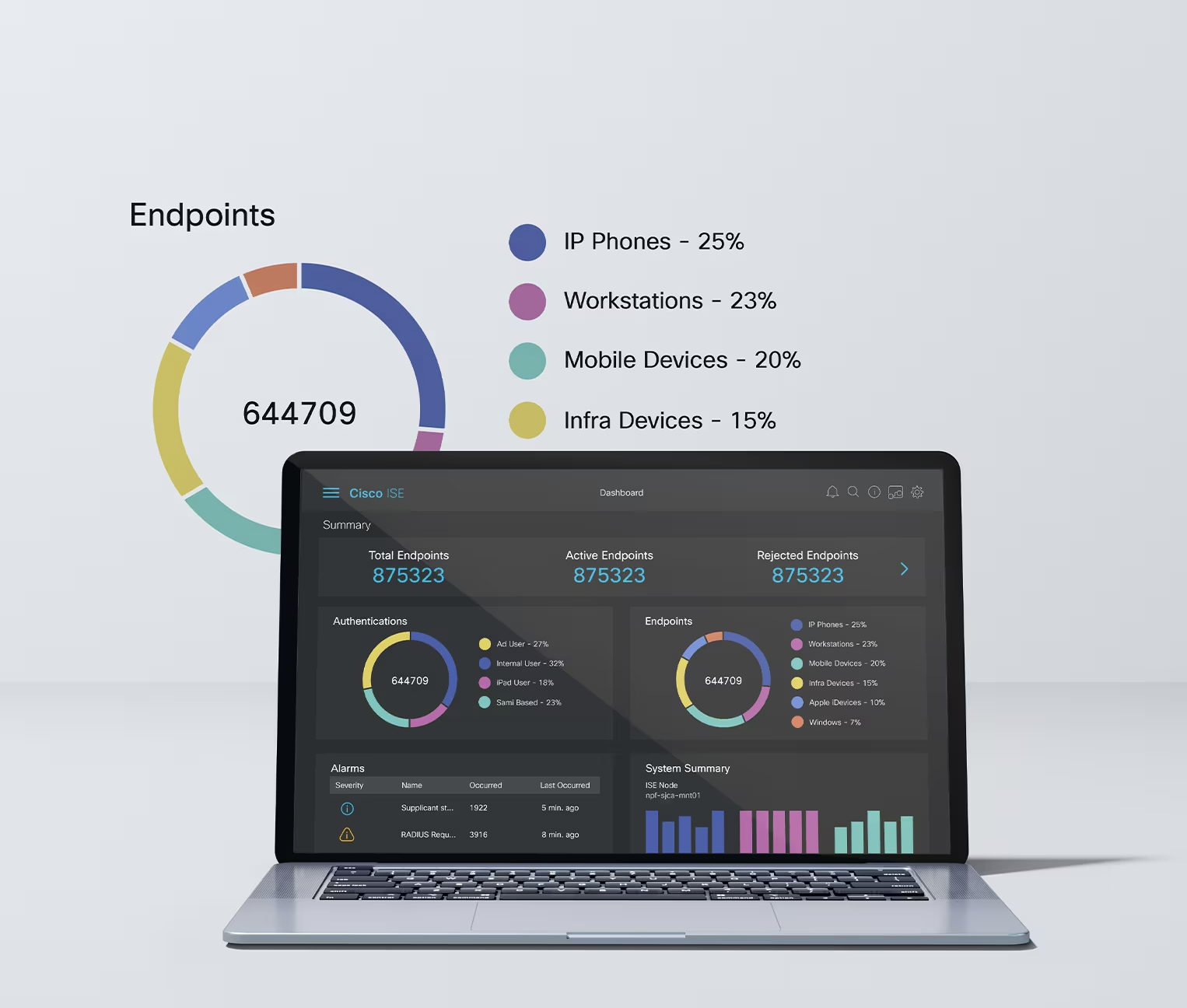
The Cisco Identity Services Engine (ISE) offers a network-based approach for adaptable, trusted access everywhere, based on context. It gives the user intelligent, integrated protection through intent-based policy and compliance solutions.
N/A
Cisco Secure Firewall
Score 8.4 out of 10
N/A
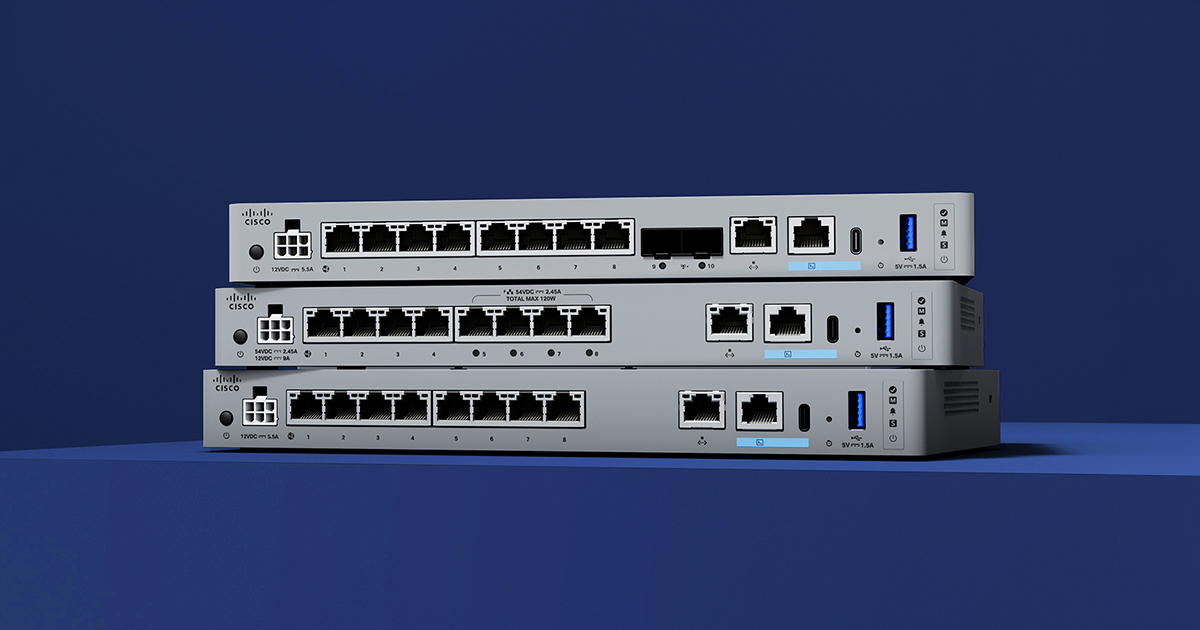
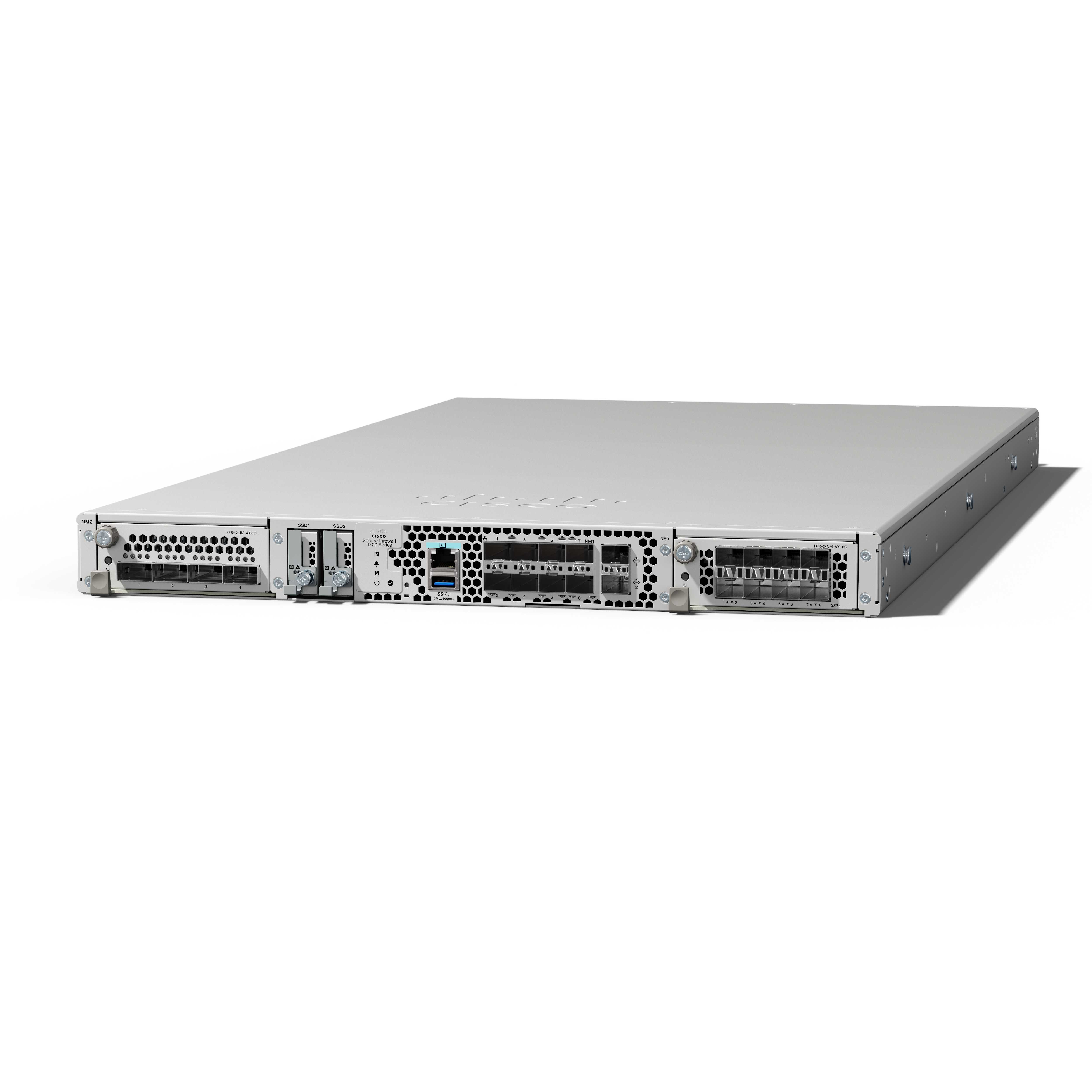
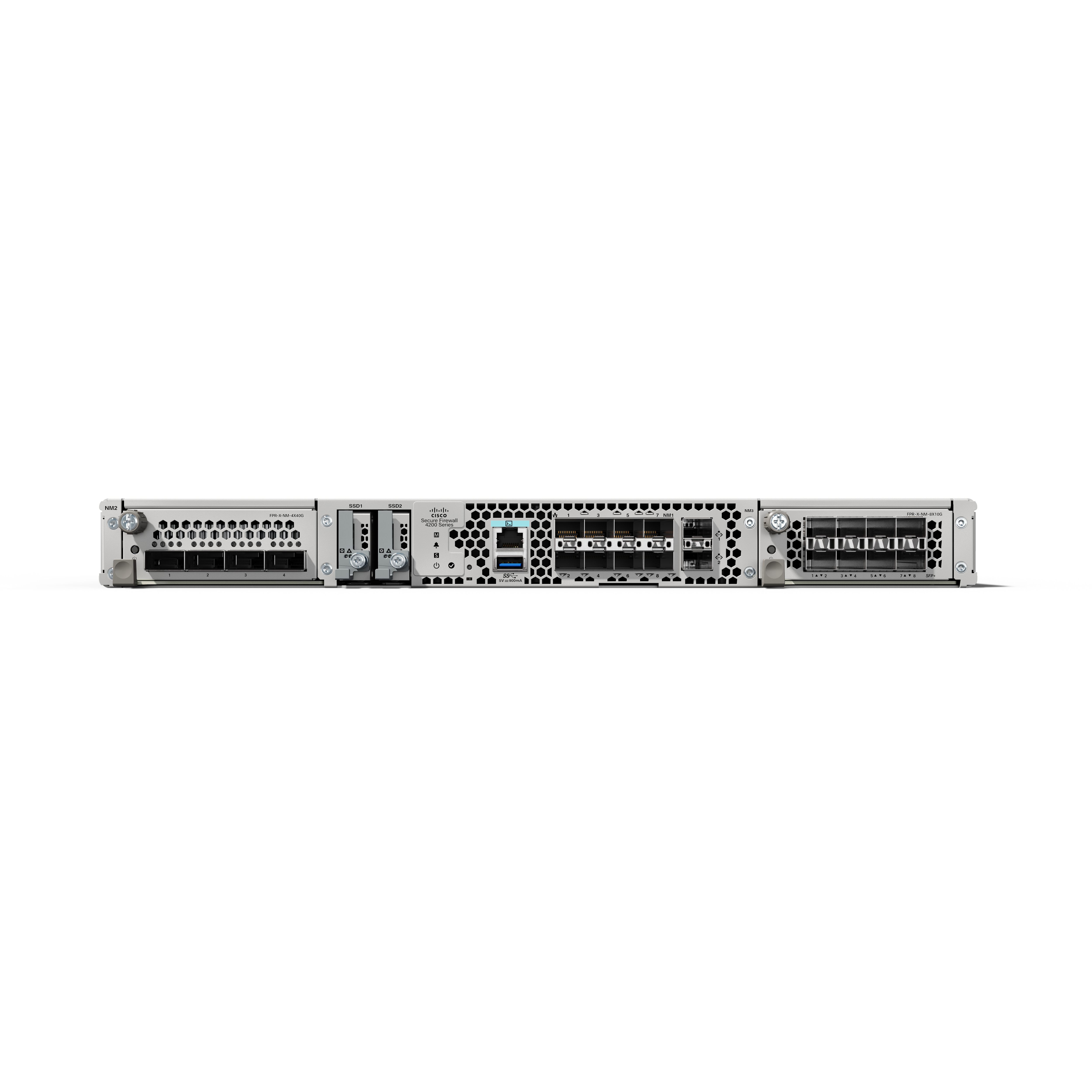
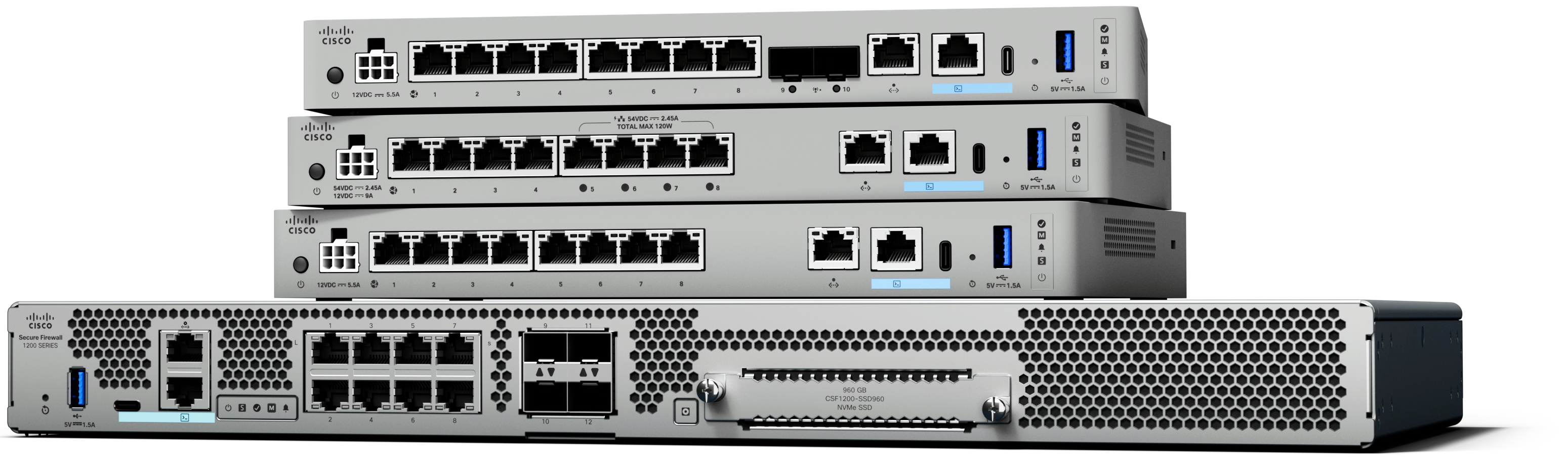
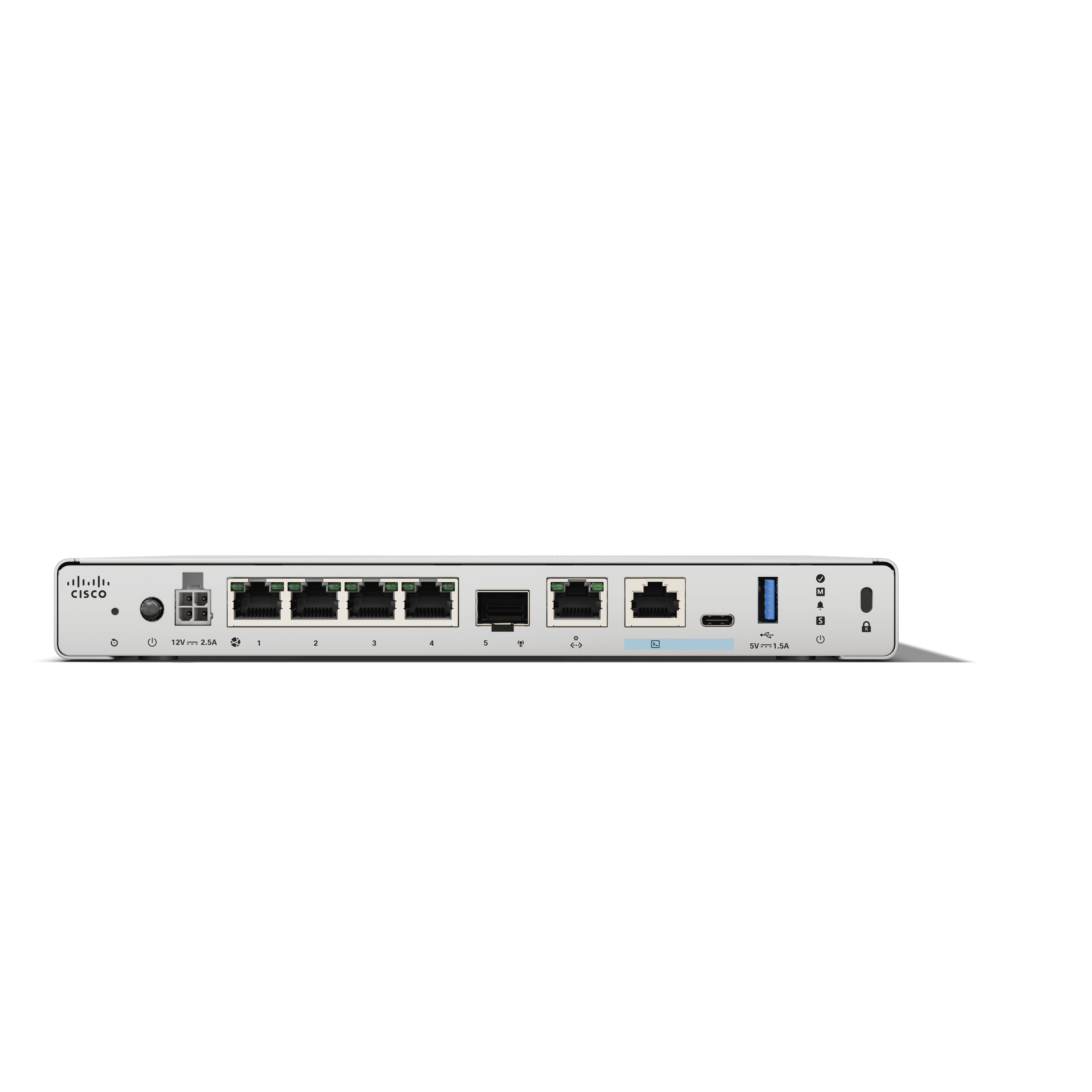
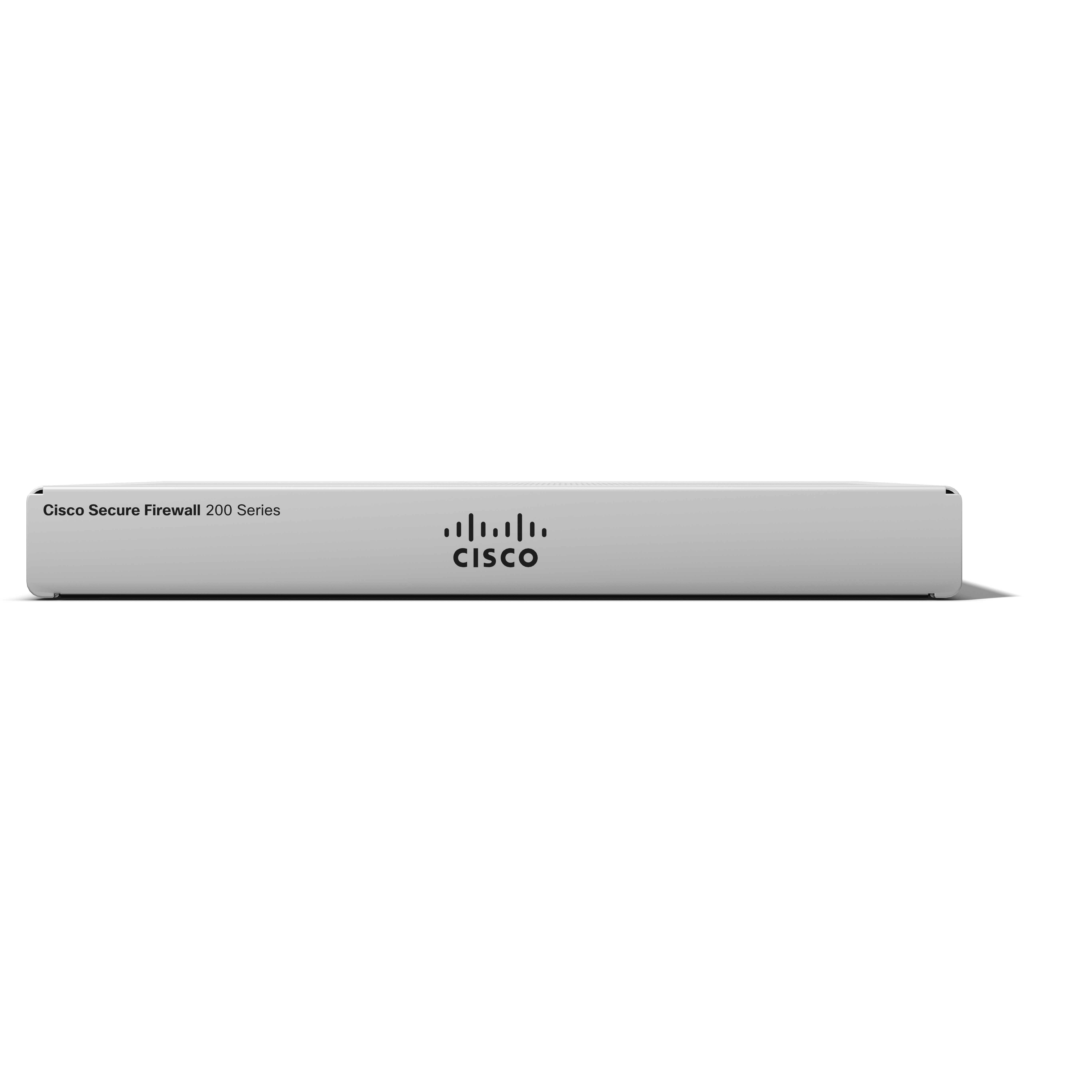
Cisco Secure Firewall delivers comprehensive threat protection for modern, distributed networks. Built to support hybrid workforces and multicloud environments, it enables Zero Trust access, application visibility, and secure remote connectivity. With integration across the Cisco Secure portfolio, including SecureX and Talos threat intelligence, the firewall powers organizations to detect and stop more sophisticated threats. Centralized management simplifies policy enforcement, orchestration,…
N/A
Pricing
Cisco Identity Services Engine (ISE)
Cisco Secure Firewall
Editions & Modules
No answers on this topic
No answers on this topic
Offerings
Pricing Offerings
Cisco Identity Services Engine (ISE)
Cisco Secure Firewall
Free Trial
No
Yes
Free/Freemium Version
No
No
Premium Consulting/Integration Services
No
No
Entry-level Setup Fee
No setup fee
No setup fee
Additional Details
—
—
More Pricing Information
Community Pulse
Cisco Identity Services Engine (ISE)
Cisco Secure Firewall
Considered Both Products
Cisco Identity Services Engine (ISE)
Verified User
Director
Chose Cisco Identity Services Engine (ISE)
Works and integrates really well with the secure firewall for RAVPN user authentication
Cisco ISE integrates will with a Cisco solution such as firewalls, network switches and routers. It does an incredible job of granting access based on the role that an individual or groups have, and the ability to remove access to that individual or group is also east. In our environment ISE is used to authenticate external users that have access by vpn, and also to manage access to the large network infrastructure
The software offers advanced firewall solutions from Web threats management to behavioural analytics and comprehensive application security. Cisco Secure firewall software is incredibly easy to deploy and implement. Customer support services providers are concise and very responsive. Integration and customization of the software are exceptional. The product boasts impressive capabilities, enabling it to stop threats and manage all security flaws in real time.
The most beneficial thing that I love about it, there are tons of things that I love about ISE and that it does well, but the most fascinating that I feel about is its integration with DNA center or Catalyst Center using PX Grid as the protocol wherein ISE acts as a policy server for the entire campus hand in hand with Catalyst Center to make sure that the policy policy follows the user and also in the background hand in hand with DNA Center or Catalyst Center makes sure microsegmentation is implemented so that east west traffic is blocked and takes care of the campus.
It's good at segregating networks and ensuring that you only give the access that you need to give. Especially with medical devices, you want to only give the access that they need and keep them in their own separate areas so that they can't just communicate with the rest of the network. It's also good at the border for keeping attackers out of the network.
I wish that the deployment of the updates to the sensors from the FMC was faster.
Cisco ASA firewall did a great job of authentication and authorization on the local firewall. FTD does not authorize users well in terms that an AAA must be setup to provide the granular tools that the ASA did.
Cisco's method of licensing the firewall can be improved. The FMC and the FTD are licensed through the Cisco software manager and there are instances where the devices are licensed but the firewall still displays and error due to licensing.
It works really well. We can do most anything we want or need to with it, and you don’t have to have a doctorate or multiple certs to necessarily figure it out. The thing that would probably have to happen to make us switch would be if we just got priced out - Cisco’s more powerful and higher bandwidth models cost a pretty penny.
For us the solution is very easily useable on its own. Perhaps that has to do because we started using ISE in the 1.2 days and have seen it grow during the years. Policy creation, etc. is all very visible and thus easy to use. Deployment of multiple nodes is also incredibly easy and flexible. You can easily add or remove nodes as you wish.
The platform is powerful and feature-rich, especially when paired with tools like Firepower Management Center (FMC) and SecureX. The policy structure is logical, and the visibility into traffic flows, threat activity, and rule hits is quite strong once you're familiar with the interface
We do have to occasionally reboot the servers when they get low on memory, but we're also a few versions behind. Availability has generally been pretty good though with no major outages in the time that we've had it implemented.
As for the availability, in general we did not experience any issues with it, neither in situations where there's only one physical device implemented nor when there's and High Availability pair. Failover works like a charm, no complaints here, it works as it should and so far it has been highly reliable.
Cisco support is second to none, both in terms of how you access support but also the knowledge of the individual support teams. If you focus on one technology and provide "manufacturer support" then you can rest assured that you are accessing Cisco's top individuals. I feel like this is a USP for Cisco support.
Firewall support is professional just like any other technology Cisco sells. From answering simple questions to bringing out outages affecting a large population of our workforce, Cisco support is always courteous, professional, and communicates with our team to keep our request on their radar. Some of the brightest people I've met are from Cisco support both in IQ and EQ which shows the talent Cisco is able to onboard to their team.
was a good training but questions was answered not so good. Training was "Fundamentals of Cisco Firewall Threat Defense and Intrusion Prevention (SFWIPF)".
I did participate in the implementation of Cisco ISE and while there were times when it was confusing and we had a lot of trial and error, overall the experience was fine.
Our initial implementation was aided by Cisco's professional services and was excellent. The engineer was very knowledgeable and helped us work through issues while building out our new internet security edge Part of this involved tools to migrate the firewall configuration from old to new.
I think all give some visibility of device monitoring and management, but Cisco Identity Services Engine gives a good way to manage more details about the device in a centralized way that gives a wider range of monitoring and control than the other softwares individually. I don't think Cisco Identity Services Engine eliminates the need for these other software as of now, but there is potential for Cisco Identity Services Engine to be able to take over more of these roles.
Cisco Secure Firewall works better with the Cisco ecosystem when we can utilize it and feels beefy enough when we utilize it in the data center. The Fortinet we have found are great, small cost boxes for remote offices with a better UI then Cisco Secure Firewalls. The feature set included with the firewalls feels similar from a security point of view.
It's fully customised and comprehensive. only thing is you need to know what you want. Proper research and planning would save lots of time and effort .
I don't know about negatives because we haven't seen it right now, but positive impact is one is the roadmap we have. And now since we are going ahead with doing the deployment of Cisco ISE, we see that we are getting closure to, so at the end of the day, we have to make sure that operationally we stay excellent. So that's where operational excellence comes in. Cisco ISE is basically addressing that for us. Right now we are in a situation if there is a WIFI issue or if there is an authentication issue, it gets really difficult to isolate the problem. But with Cisco ISE , this functionality is going to come in. So we believe that it would be a good ROI.
Positive impact. Cisco is a big player in IT environment. It is future stuff, everything, what you learn today, maybe something can be tomorrow. And yes, it's quite important to learn the new stuff every day. And yes, that's it. Yes, I'm happy with Cisco.