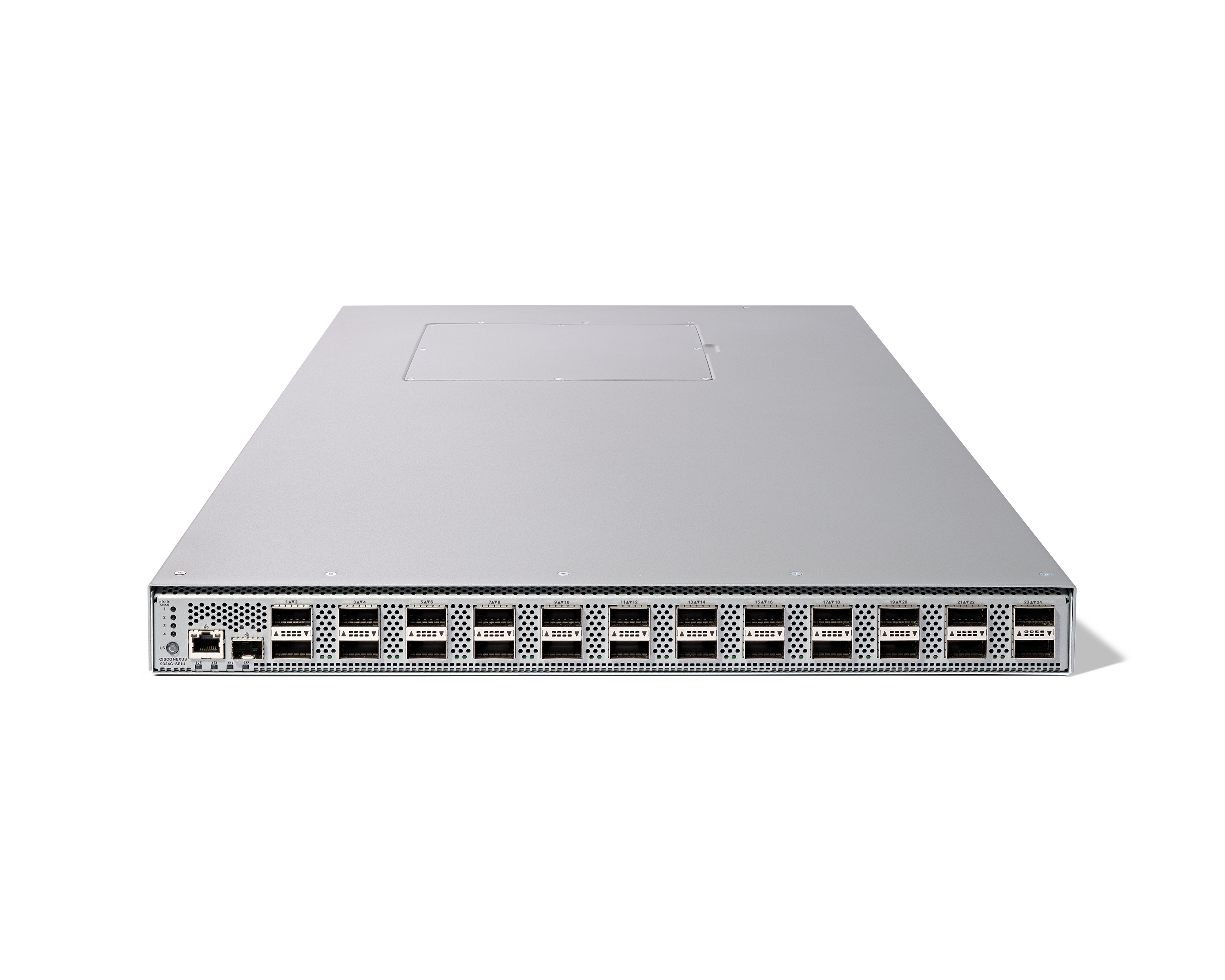
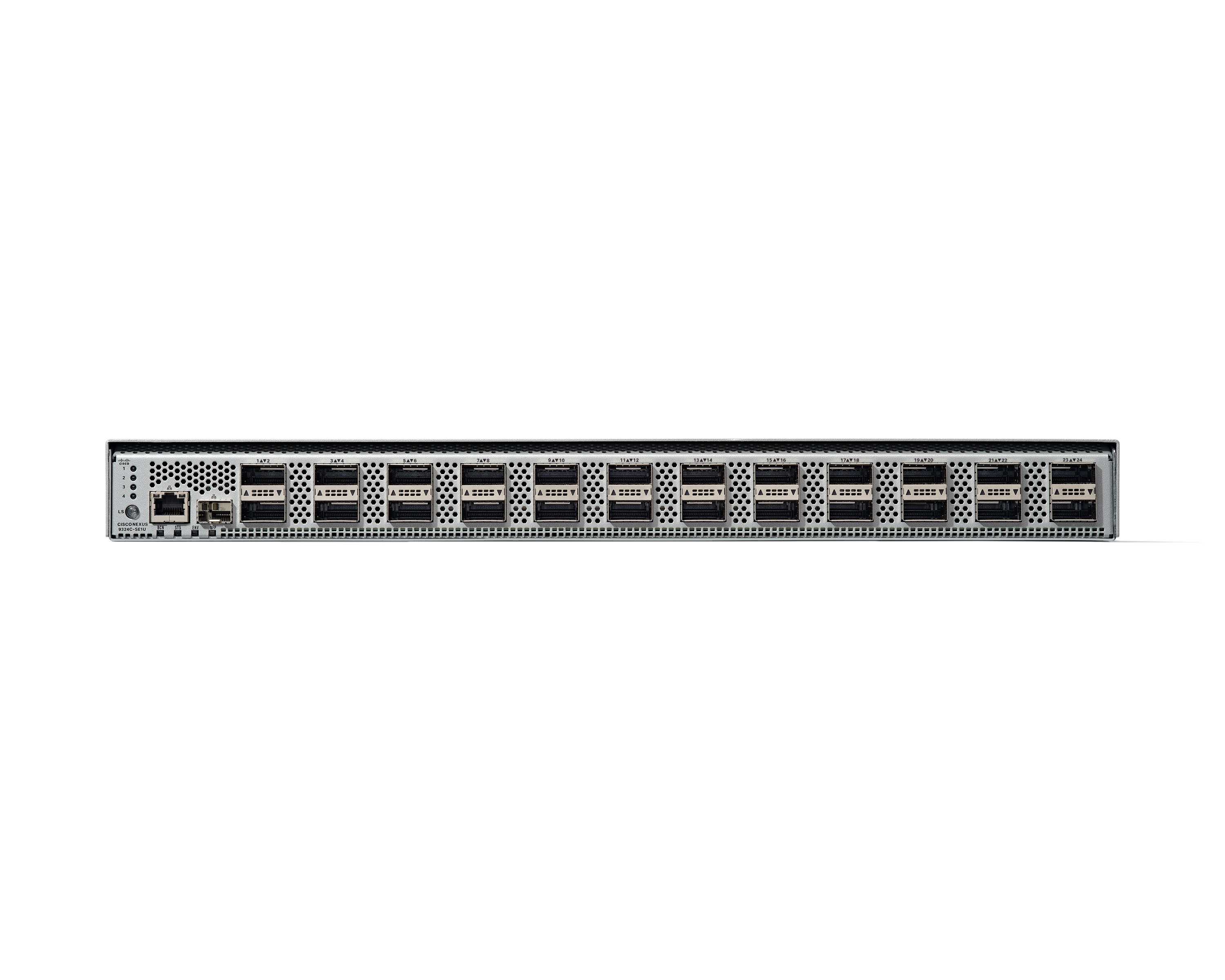
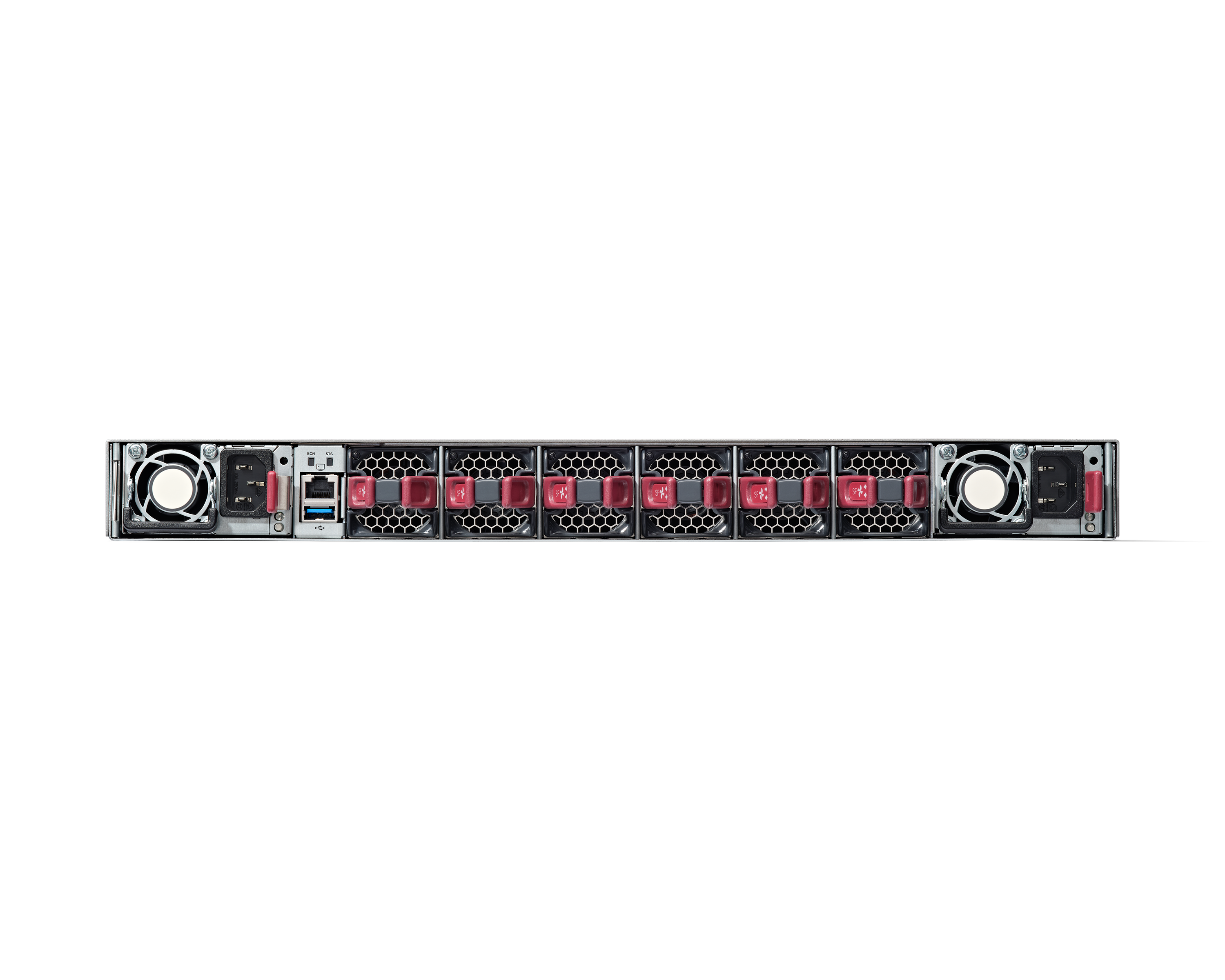
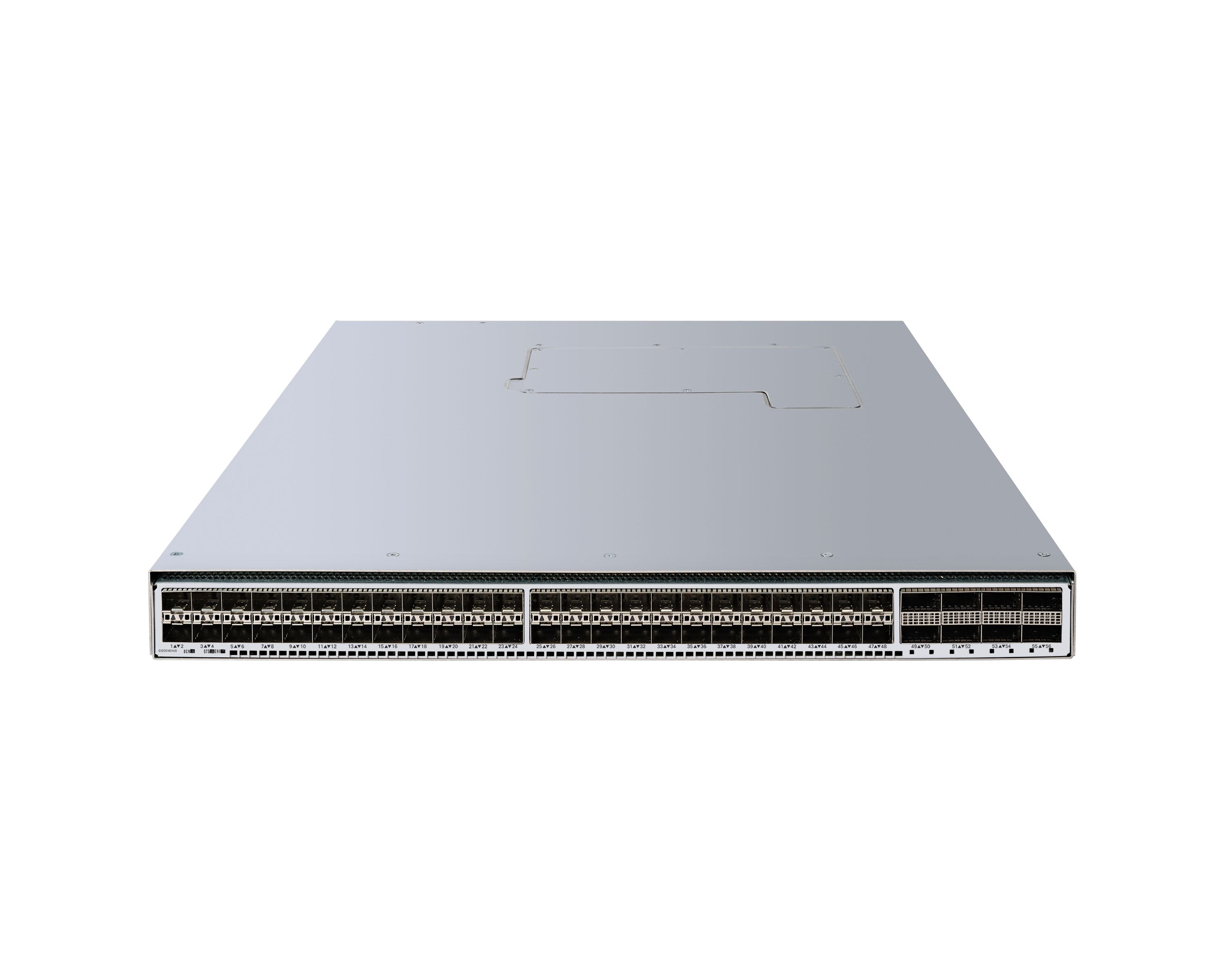
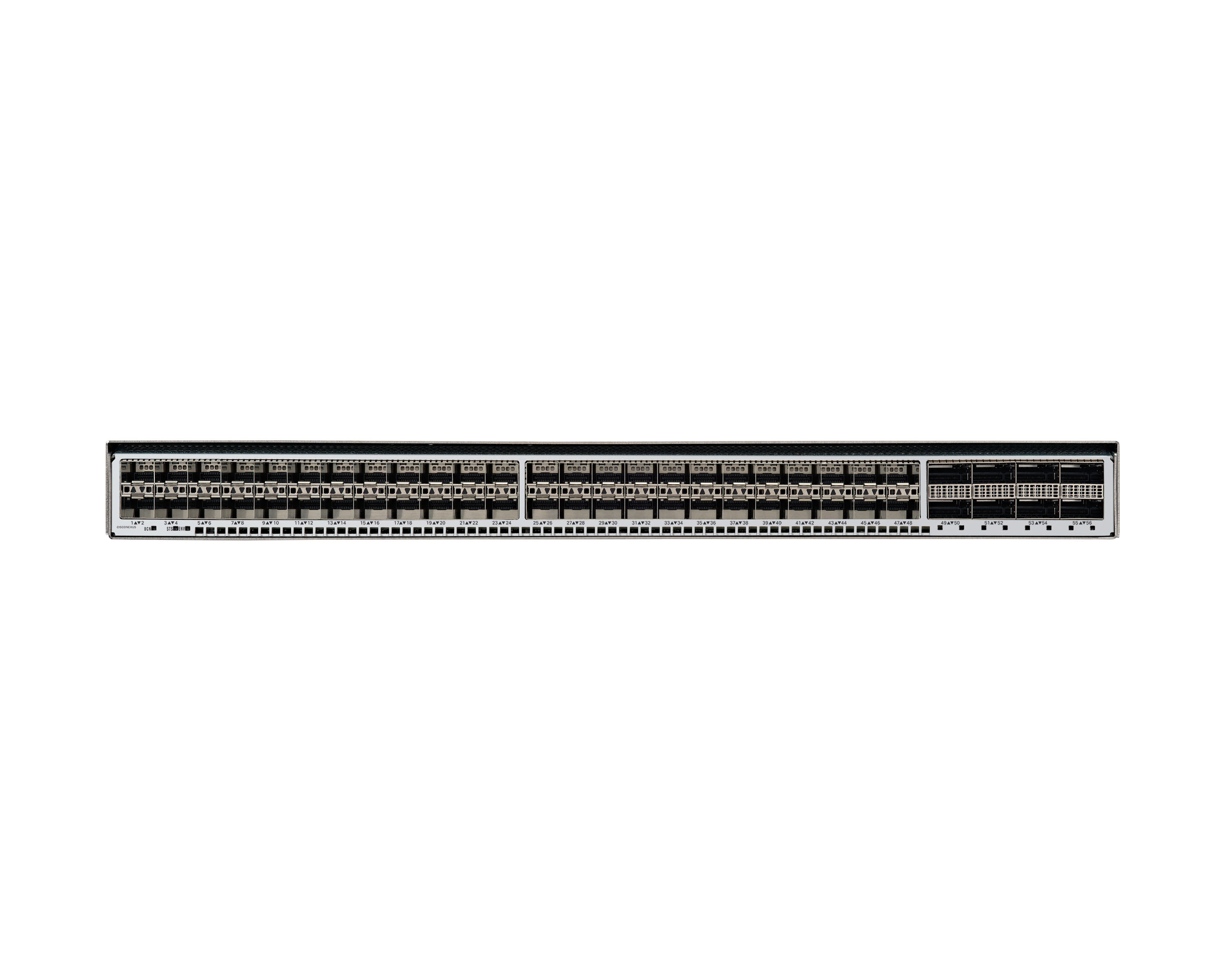
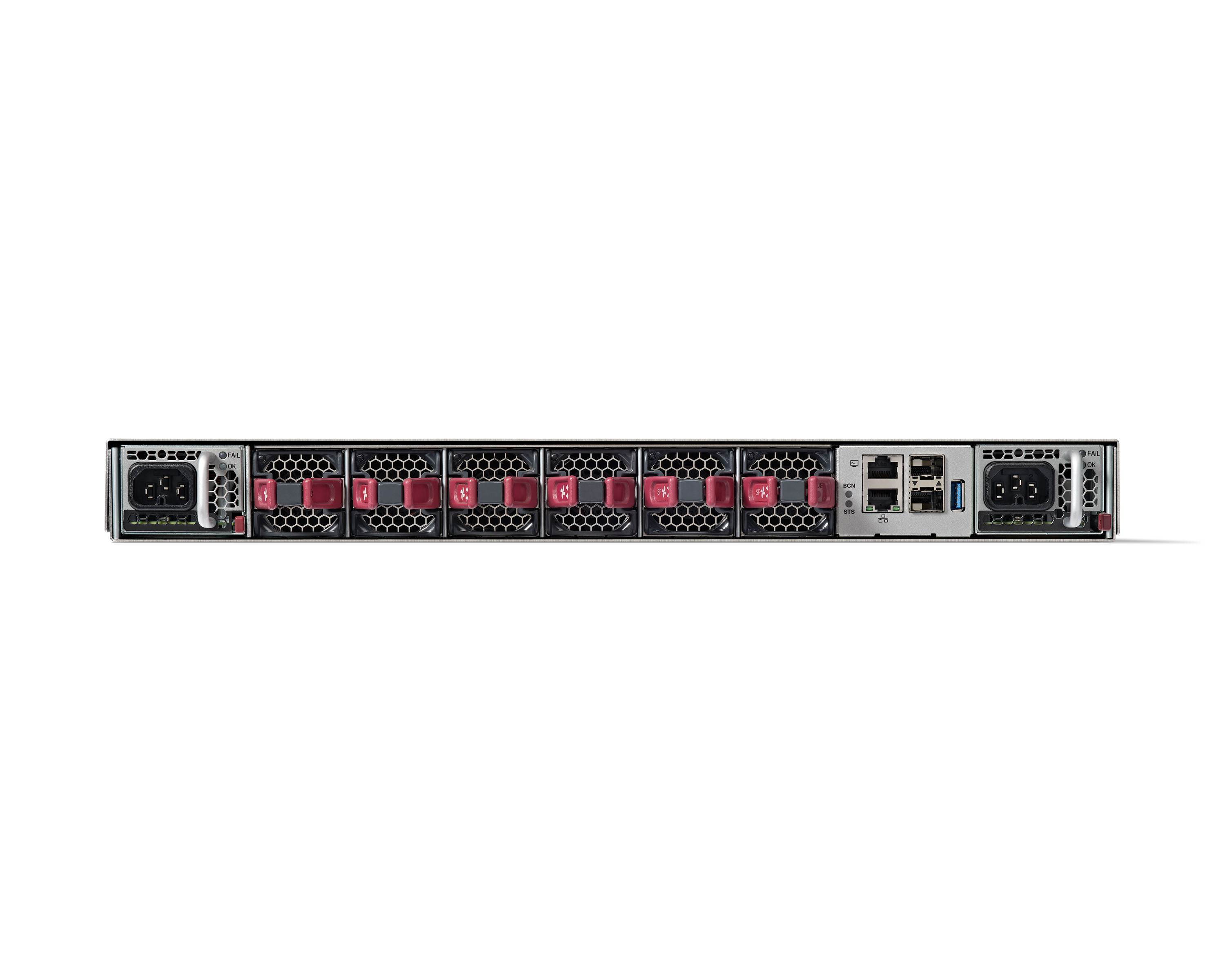
Cisco's Catalyst is one of that company's brand of network switches.
N/A
Cisco Nexus Dashboard
Score8.2 out of 10
N/A
Cisco Nexus Dashboard simplifies data-center networks with automation and analytics. The data-center network helps organizations to meet business demands, and provision reliable data-center networking services as fast as possible, when and where organizations need it. As network infrastructure management is becoming more complex, diverse, and distributed, with multiple configuration points, monitoring tools, and vast amounts of data being generated every second. Cisco Nexus Dashboard is…
I think the most suited ones will be of course, for example, a supermarket where you have more than 50 plus devices because there are like 48 ports in a switch. We can just use a lot of devices and connect them to it. A less use case will be, I think it depends at the end of the day how your topology looks like. If you have a very few devices, you shouldn't be going for these catalyst switches because they are of course much bigger, more processing power and all those things. If you have, again, it comes to topology. If you have the number of users who are using these switches is less than 15, it's less than 15, then you can just go for any other option and not use them.
A de minimis incentive was given to thank the reviewer for their time. The incentive was not used to bias or drive a particular response, nor was the incentive contingent on a positive endorsement. TR verified that a representative sample of customers was invited. More Info
Nexus Dashboard is a vital tool for Cisco data center Nexus deployments, in my opinion. By utilizing multiple applications in the suite, a business can utilize orchestration, monitor services and traffic, test deployment scenarios, verify upgrade processes and readiness, etc. The capabilities of the system can allow for SAN MDS controls, traditional Nexus NXOS integration, and/or essential ACI tools
One of the things that it does well, it's not something major, but there's a light tracking feature that the 9300 comes with that you can turn on the light and that has become critical in a data center environment where you want to help someone to make sure that you're talking about the same switch, you can turn the light on and off something that is not available in other versions of Cisco switches before the 9300. So it's not as major, but it's quite critical when you're dealing with multiple systems and multiple switches.
A de minimis incentive was given to thank the reviewer for their time. The incentive was not used to bias or drive a particular response, nor was the incentive contingent on a positive endorsement. More Info
A de minimis incentive was given to thank the reviewer for their time. The incentive was not used to bias or drive a particular response, nor was the incentive contingent on a positive endorsement. TR verified that a representative sample of customers was invited. More Info
Functionality. Well, one of the functions that we are missing is a faster route based on OSPF. Other than that, it could provide an upgrade without a hitless upgrade. Well, now it is a very fast upgrade, which is also okay. We had a case when the platform crashed, but that was a specific case. We were happy with this product.
A de minimis incentive was given to thank the reviewer for their time. The incentive was not used to bias or drive a particular response, nor was the incentive contingent on a positive endorsement. More Info
With the latest version release of Cisco Nexus Dashboard to version 3.0.1 I can say that most of the features have already improved but one of the wishlists that I want for ND is the possibility of extracting lists of Anomaly.
Include older versions of Firmware in the list of choices when doing the firmware upgrade analysis, currently only the recommended is in the list of choices.
If possible, include all the prechecks in the Firmware pre-upgrade analysis same in the script provided by Cisco.
They are consistently reliable and this switch in particular is a very affordable solution. We can place the Cisco Catalyst 1000 Series Switches gear in areas that we normally would not place a switch because it is affordable enough to make it justifiable. And because it is a reliable solution, we are confident it will continue to provide service over the long haul.
A de minimis incentive was given to thank the reviewer for their time. The incentive was not used to bias or drive a particular response, nor was the incentive contingent on a positive endorsement. TR verified that a representative sample of customers was invited. More Info
Cisco by and far does a great job with the Catalyst line. From a layer 2 dumb switch all the way up to ISP carrier grade switching within the Catalyst portfolio. The best part about it is command parity among the various tiers of product. The only differences are going to lie in what features are available per switch.
A de minimis incentive was given to thank the reviewer for their time. The incentive was not used to bias or drive a particular response, nor was the incentive contingent on a positive endorsement. More Info
For the end user, it is relatively easy to use. However, some training and practice is a must because the NSO is not as straightforward as the traditional router CLI. For the administrator, Cisco Network Service Orchestrator (NSO) is just like another program running on the Linux system--there is no big difference.
A de minimis incentive was given to thank the reviewer for their time. The incentive was not used to bias or drive a particular response, nor was the incentive contingent on a positive endorsement. More Info
We have very few is any outages due to a Cisco hardware failure. Some of our gear is exposed to some pretty harsh environments, and they keep on ticking!
A de minimis incentive was given to thank the reviewer for their time. The incentive was not used to bias or drive a particular response, nor was the incentive contingent on a positive endorsement. TR verified that a representative sample of customers was invited. More Info
No, the packets flow. Sometimes you will see collisions and broadcast storms can happen which will slow performance but that can be fixed and the packets will flow.
A de minimis incentive was given to thank the reviewer for their time. The incentive was not used to bias or drive a particular response, nor was the incentive contingent on a positive endorsement. More Info
For us, it's not yet a single pane of glass for the ACI network as Network Assurance Engine is not yet integrated into the [Cisco] Nexus Dashboard. This will be the case after the next update we plan to do. Today it's a tool I use daily to figure out if something unusual or unexpected happened in the SDN part of our network. The legacy network is still monitored with different tools.
A de minimis incentive was given to thank the reviewer for their time. The incentive was not used to bias or drive a particular response, nor was the incentive contingent on a positive endorsement. More Info
We rarely have issues with the product. I have only had to contact support one time since we put it in and that was to see if another vendor was giving me accurate information on an issue I was having.
A de minimis incentive was given to thank the reviewer for their time. The incentive was not used to bias or drive a particular response, nor was the incentive contingent on a positive endorsement. More Info
Cisco Networking Academy partners with many local Colleges and High Schools to provide great hands-on training. You do need to drive to learn the topic. The in-class session only go so far. You really need to apply this to the real world. Cisco makes it easy for business to connect via CLC or Cisco Learning Credits.
A de minimis incentive was given to thank the reviewer for their time. The incentive was not used to bias or drive a particular response, nor was the incentive contingent on a positive endorsement. More Info
A de minimis incentive was given to thank the reviewer for their time. The incentive was not used to bias or drive a particular response, nor was the incentive contingent on a positive endorsement. TR verified that a representative sample of customers was invited. More Info
The implementation of the Cisco Catalyst 1000 Series Switches is fairly seamless, especially if you are familiar with Cisco products. We have had Brocade switch gear in place too, and the differences between the manufacturers [are] not a major issue.
A de minimis incentive was given to thank the reviewer for their time. The incentive was not used to bias or drive a particular response, nor was the incentive contingent on a positive endorsement. TR verified that a representative sample of customers was invited. More Info
We do have other vendors. For example, Juniper, Fortinet, and there are quite a few others. And Cisco is pretty good because we know the workflow, we know how the operating system works. We are much more familiar with Cisco products and we know the support system behind it. So in terms of comparing with others, I think it stands out. It's one of our top products to go to
A de minimis incentive was given to thank the reviewer for their time. The incentive was not used to bias or drive a particular response, nor was the incentive contingent on a positive endorsement. More Info
The Cisco Nexus Series switches perform admirably in our blended distributed system. We have been dealing with any of these sorts of switches for over 5 years and have been exceptionally happy with their functionality. Several of our other computer networks in our data rooms have proved effective with Cisco equipment. Because of the simplicity of maintenance and the high quality of technical support provided by Cisco representatives, there is a high level of trust in these switches.
A de minimis incentive was given to thank the reviewer for their time. The incentive was not used to bias or drive a particular response, nor was the incentive contingent on a positive endorsement. More Info
We are exclusive Cisco at our organization. In truth part of the reason is, with one type of switch and one manufacturer, it is easier to support. It is also easier to give consistent training to our staff in our tech department
A de minimis incentive was given to thank the reviewer for their time. The incentive was not used to bias or drive a particular response, nor was the incentive contingent on a positive endorsement. TR verified that a representative sample of customers was invited. More Info
It's a very secure platform that can manage all the business networks, monitor various network traffic, and is easy project management software. Cisco Nexus Dashboard Fabric Controller can centralize all the network traffic in one room for easy and secure management and threat detection capability and even the secure channels offered are excellent.
A de minimis incentive was given to thank the reviewer for their time. The incentive was not used to bias or drive a particular response, nor was the incentive contingent on a positive endorsement. More Info
A de minimis incentive was given to thank the reviewer for their time. The incentive was not used to bias or drive a particular response, nor was the incentive contingent on a positive endorsement. More Info