
CircleCI vs. Octopus Deploy
| Product | Rating | Most Used By | Product Summary | Starting Price |
|---|---|---|---|---|
 CircleCI | Score9.5 out of 10 | N/A | CircleCI is a software delivery engine from the company of the same name in San Francisco, that helps teams ship software faster, offering their platform for Continuous Integration and Continuous Delivery (CI/CD). Ultimately, the solution helps to map every source of change for software teams, so they can accelerate innovation and growth. | $0 for up to 6,000 build minutes and up to 5 active users per month |
 Octopus Deploy | Score10 out of 10 | Mid-Size Companies (51-1,000 employees) | Australian company Octopus Deploy offers their eponymous automated deployment and release management software that integrates with the user's preferred CI server and adds deployment & ops automation capabilities. Octopus Deploy enables developers, release managers, and operations folks to bring all automation into a single place. The vendor states that by reusing configuration variables, environment definition, API keys, connection strings, permissions, service principals, and automation logic,… | $12 per month |
| CircleCI | Octopus Deploy | |||||||||||||||
|---|---|---|---|---|---|---|---|---|---|---|---|---|---|---|---|---|
| Editions & Modules |
|
| ||||||||||||||
| Offerings |
| |||||||||||||||
| Entry-level Setup Fee | No setup fee | Optional | ||||||||||||||
| Additional Details | — | Octopus Server edition is available as a 30 day free trial on our unlimited tier for any scenario, including production, and commercial use. After the trial period ends you can keep your working configuration and upgrade to a paid license and continue deploying uninterrupted. Octopus Cloud is an alternative that is hosted by us, and is also available as a 30 day unlimited trial. No credit card is needed to create a Octopus Cloud trial instance. You can convert the Cloud trial to a paid instance at any time during or after the trial period, and keep all of your instance configuration. Octopus also offers an Enterprise tier which offers advanced features for teams at scale including, advanced high availability, insights & DORA metrics, ServiceNow & Jira Service Management integration, unlimited instances, 24/7 support & service credits, and a Customer Success Manager. Volume discounts are available above 500 targets, and temporary bursting for certain scenarios is supported. | ||||||||||||||
| More Pricing Information | ||||||||||||||||
| CircleCI | Octopus Deploy | |
|---|---|---|
| Considered Both Products | No answer on this topic | No answer on this topic |
| Key User Insights | ||
| Would buy again | ||
100% Would buy again 7 Answers | 94% Would buy again 16 Answers | |
| Delivers good value for the price | ||
100% Delivers good value for the price 7 Answers | 94% Delivers good value for the price 15 Answers | |
| Happy with the feature set | ||
100% Happy with the feature set 7 Answers | 100% Happy with the feature set 17 Answers | |
| Lived up to sales and marketing promises | ||
No answers on this topic | 100% Lived up to sales and marketing promises 13 Answers | |
| Implementation went as expected | ||
100% Implementation went as expected 6 Answers | 100% Implementation went as expected 16 Answers | |
| CircleCI | Octopus Deploy | |
|---|---|---|
| Small Businesses | No answers on this topic | No answers on this topic |
| Medium-sized Companies |  AWS CodePipeline Score6.6 out of 10 |  Atlassian Bamboo Score6.7 out of 10 |
| Enterprises | AWS CodePipeline Score6.6 out of 10 | Atlassian Bamboo Score6.7 out of 10 |
| All Alternatives | View all alternatives | View all alternatives |
| CircleCI | Octopus Deploy | |
|---|---|---|
| Likelihood to Recommend | 8.0 | 8.6 |
| Likelihood to Renew | - | 8.0 |
| Usability | 10.0 | 8.4 |
| Performance | 7.8 | 8.5 |
| Support Rating | 6.9 | 8.2 |
| Contract Terms and Pricing Model | - | 8.5 |
| Ease of integration | - | 8.5 |
| Professional Services | - | 9.1 |
| CircleCI | Octopus Deploy | |
|---|---|---|
| Likelihood to Recommend |
|
|
| Pros |
|
|
| Cons |
|
|
| Likelihood to Renew | No answers on this topic |
|
| Usability |
|
|
| Performance |
|
|
| Support Rating |
|
|
| Alternatives Considered |
|
|
| Professional Services | No answers on this topic |
|
| Return on Investment |
|
|
| ScreenShots | Octopus Deploy Screenshots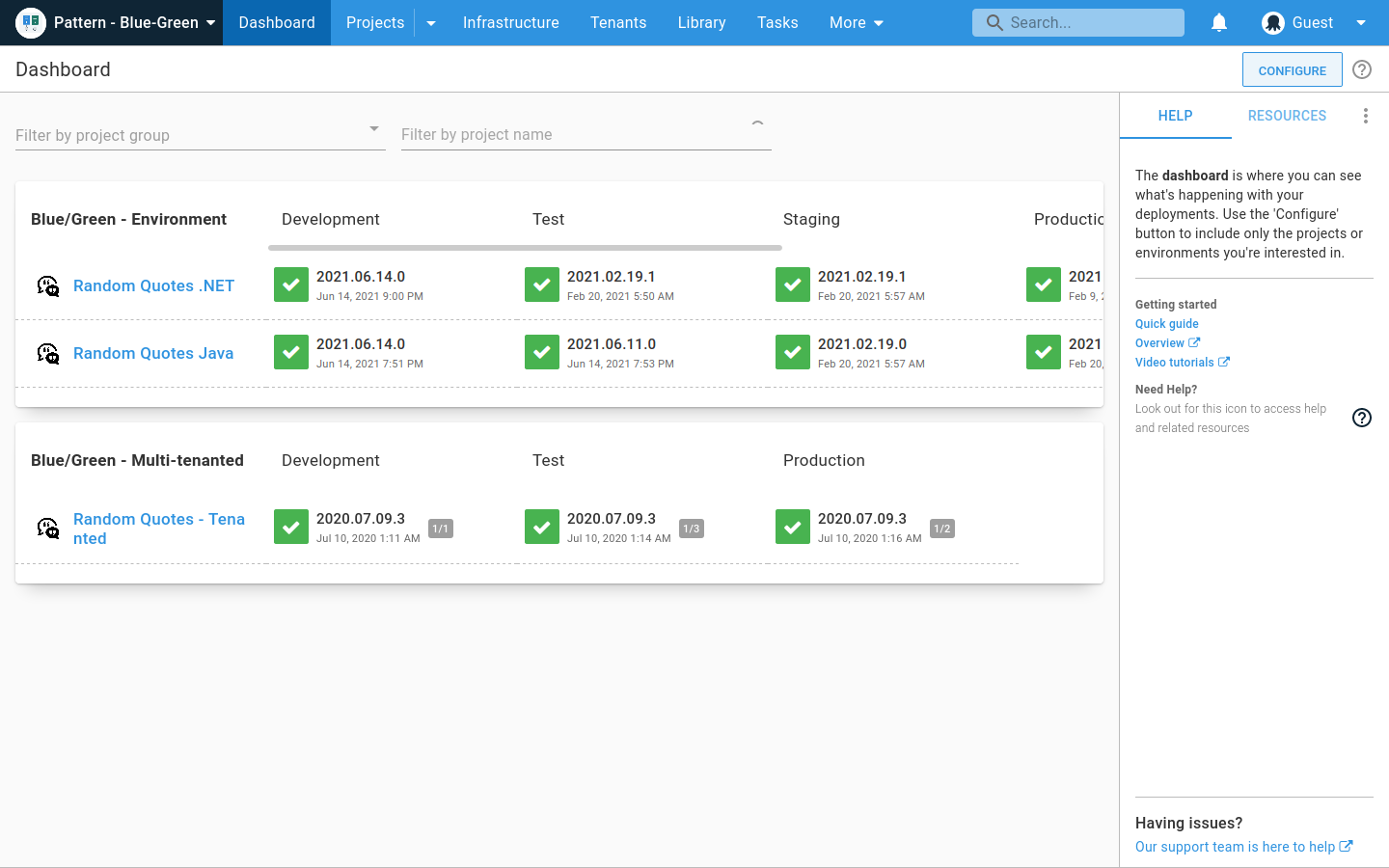  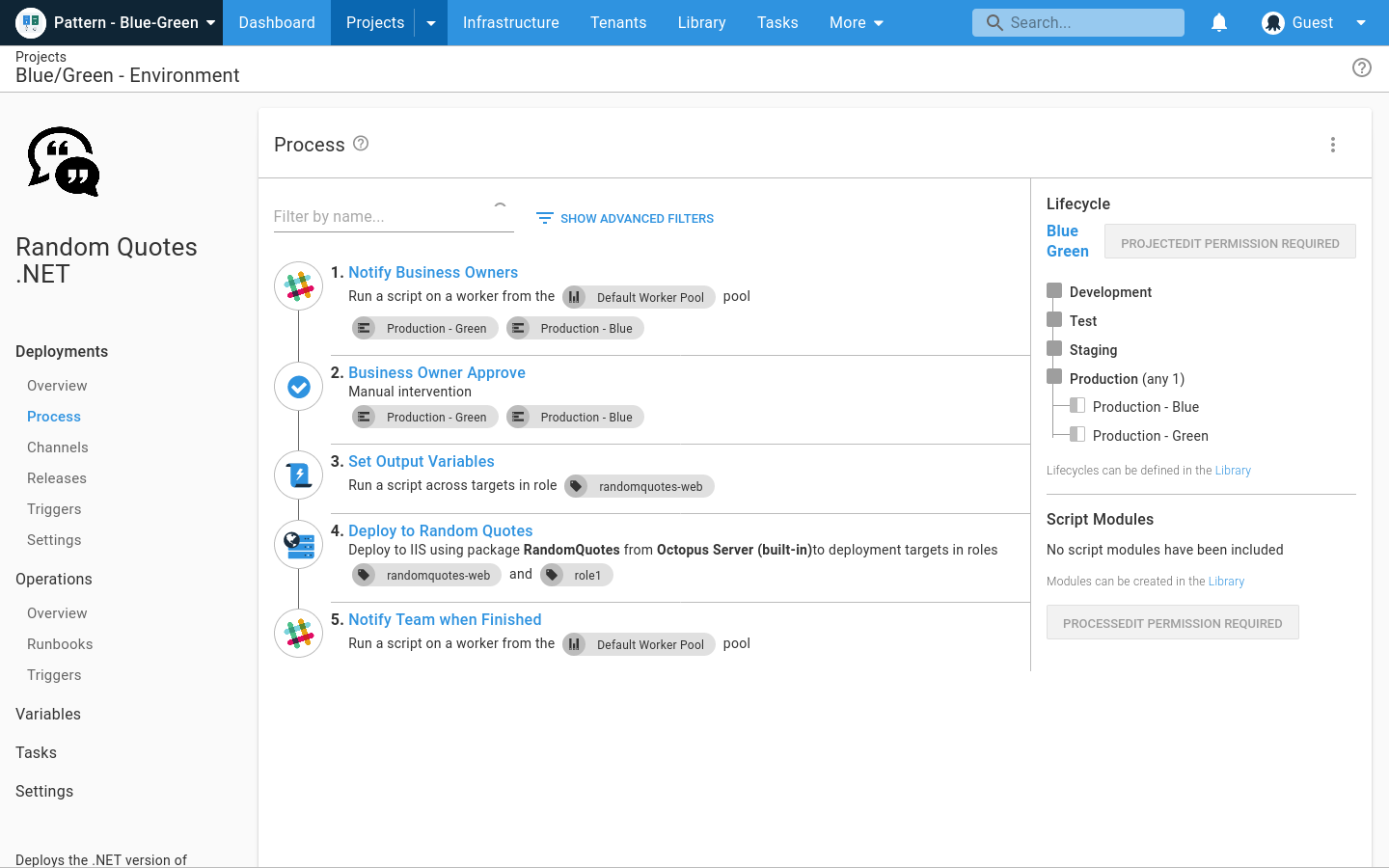   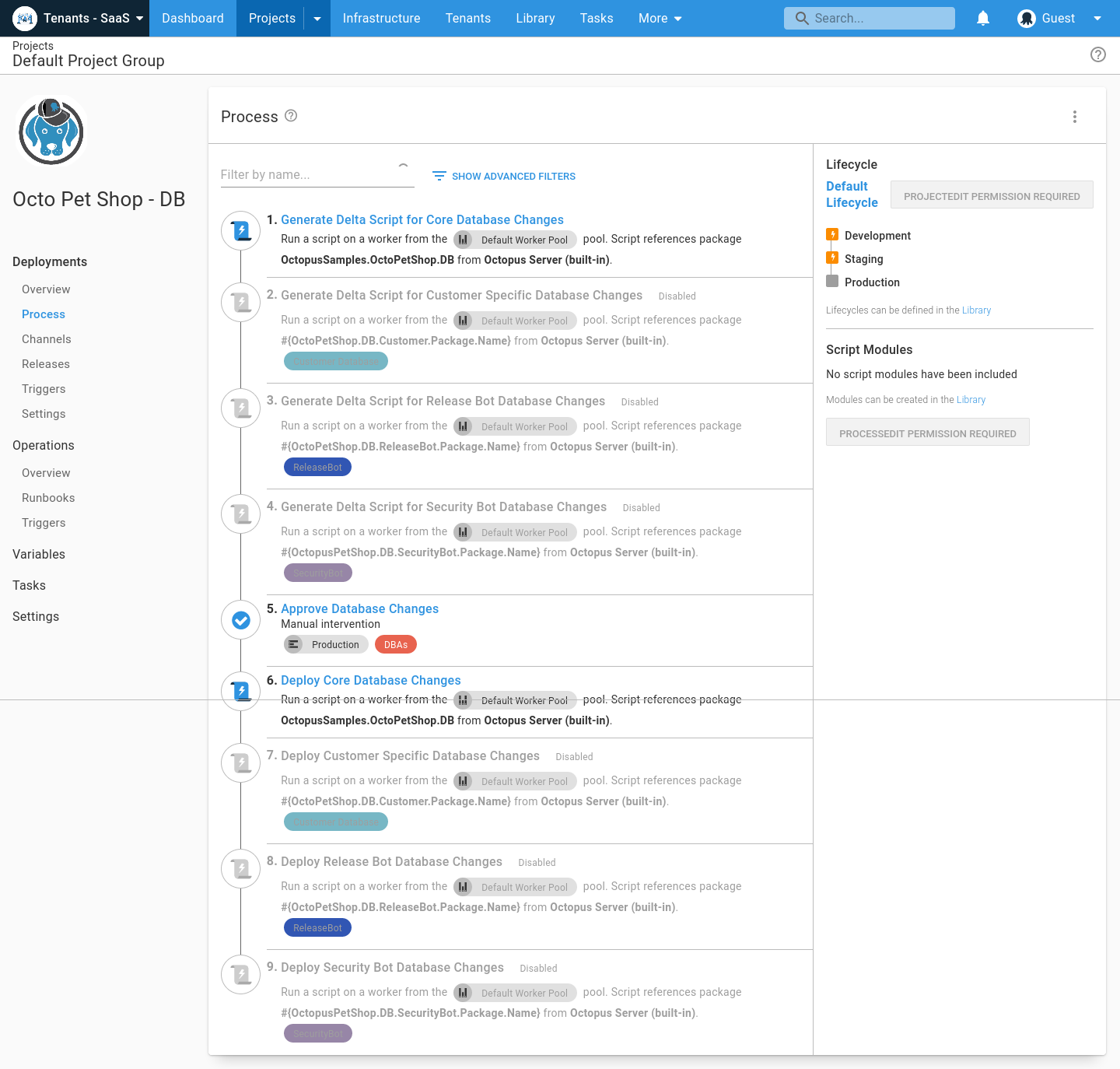 |




