
CircleCI vs. Cycloid Platform Engineering
| Product | Rating | Most Used By | Product Summary | Starting Price |
|---|---|---|---|---|
 CircleCI | Score9.5 out of 10 | N/A | CircleCI is a software delivery engine from the company of the same name in San Francisco, that helps teams ship software faster, offering their platform for Continuous Integration and Continuous Delivery (CI/CD). Ultimately, the solution helps to map every source of change for software teams, so they can accelerate innovation and growth. | $0 for up to 6,000 build minutes and up to 5 active users per month |
 Cycloid Platform Engineering | N/A | Enterprise companies (1,001+ employees) | Cycloid is an engineering platform designed to break down team silos, introduce DevOps best practices and support a hybrid cloud journey for enterprises. It's an internal developer platform that helps to facilitate end-to-end platform engineering adoption at scale in a clear and sustainable manner. Cycloid's Infra Import industrializes manually deployed infrastructure and creates Infra-as-code on the fly to ensure the sustainability and future-proof… | $39 per month per user |
| CircleCI | Cycloid Platform Engineering | |||||||||||||||
|---|---|---|---|---|---|---|---|---|---|---|---|---|---|---|---|---|
| Editions & Modules |
|
| ||||||||||||||
| Offerings |
| |||||||||||||||
| Entry-level Setup Fee | No setup fee | $2,500 per year per installation | ||||||||||||||
| Additional Details | — | 3 pricing models are available: - Subscription based - Cloud consumption based - Cloud reselling based (Cycloid is free of charge) Additional monthly platform fee which includes devOps support is applied based on the size and scope of the organization. Full details on Cycloid website. | ||||||||||||||
| More Pricing Information | ||||||||||||||||
| CircleCI | Cycloid Platform Engineering | |
|---|---|---|
| Considered Both Products | No answer on this topic | No answer on this topic |
| Key User Insights | ||
| Would buy again | ||
100% Would buy again 7 Answers | No answers on this topic | |
| Delivers good value for the price | ||
100% Delivers good value for the price 7 Answers | No answers on this topic | |
| Happy with the feature set | ||
100% Happy with the feature set 7 Answers | No answers on this topic | |
| Lived up to sales and marketing promises | ||
No answers on this topic | No answers on this topic | |
| Implementation went as expected | ||
100% Implementation went as expected 6 Answers | No answers on this topic | |
| CircleCI | Cycloid Platform Engineering | |
|---|---|---|
| Small Businesses | No answers on this topic | No answers on this topic |
| Medium-sized Companies |  AWS CodePipeline Score6.6 out of 10 |  Azure DevOps Services Score7.7 out of 10 |
| Enterprises | AWS CodePipeline Score6.6 out of 10 | Azure DevOps Server Score8.2 out of 10 |
| All Alternatives | View all alternatives | View all alternatives |
| CircleCI | Cycloid Platform Engineering | |
|---|---|---|
| Likelihood to Recommend | 8.0 | - |
| Usability | 10.0 | - |
| Performance | 7.8 | - |
| Support Rating | 6.9 | - |
| CircleCI | Cycloid Platform Engineering | |
|---|---|---|
| Likelihood to Recommend |
| No answers on this topic |
| Pros |
| No answers on this topic |
| Cons |
| No answers on this topic |
| Usability |
| No answers on this topic |
| Performance |
| No answers on this topic |
| Support Rating |
| No answers on this topic |
| Alternatives Considered |
| No answers on this topic |
| Return on Investment |
| No answers on this topic |
| ScreenShots | Cycloid Platform Engineering Screenshots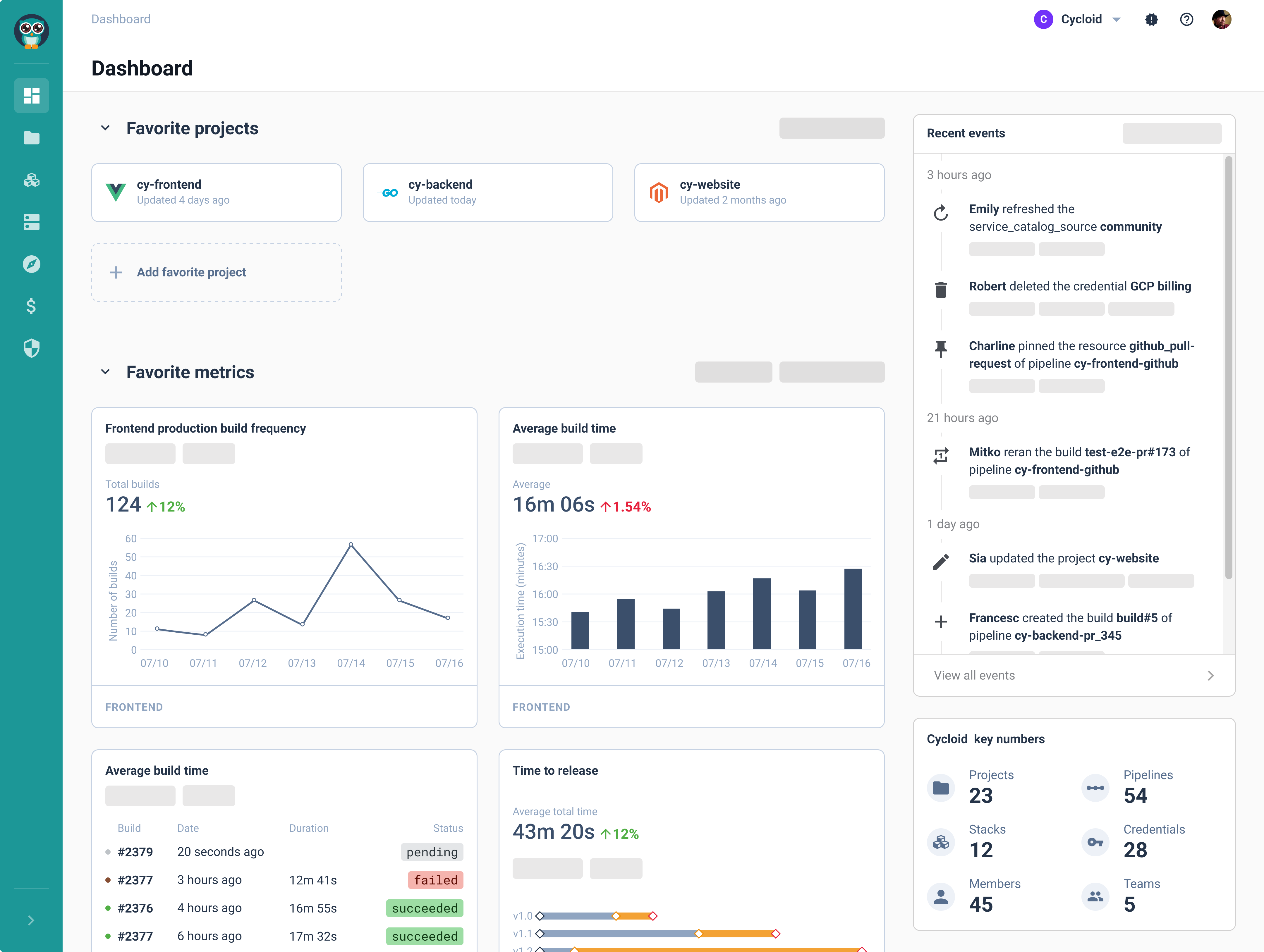 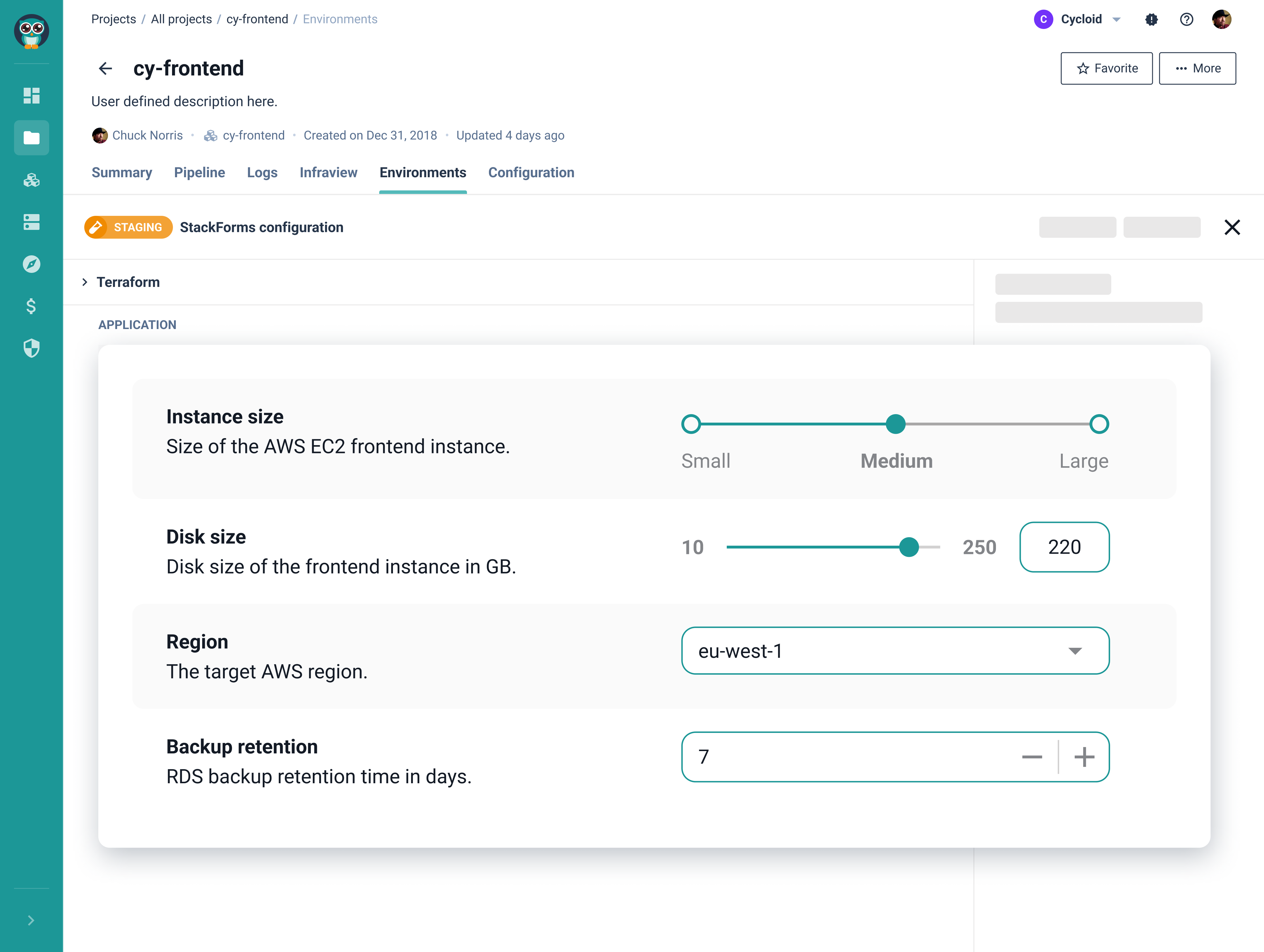 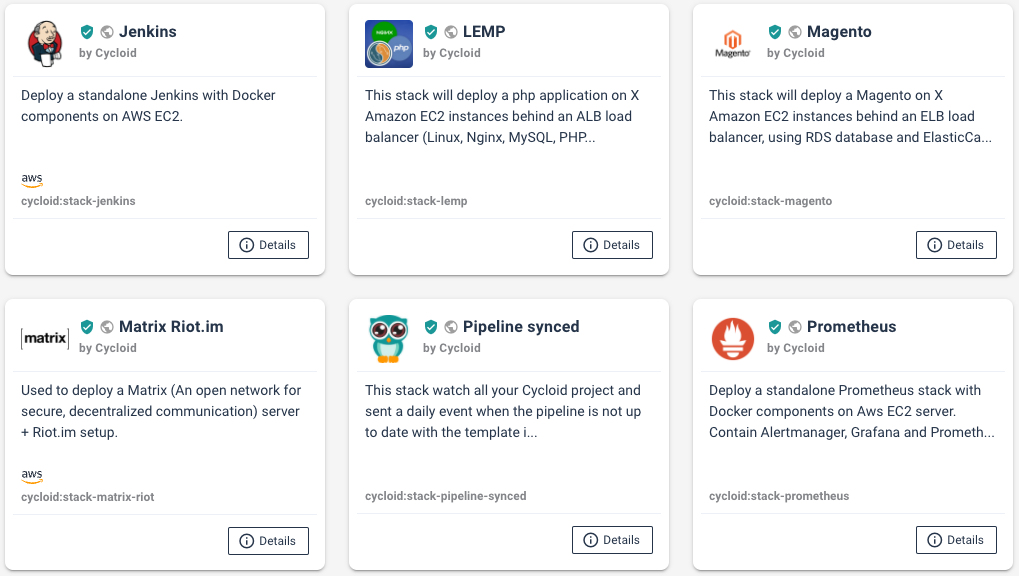    |


