
Azure VMware Solution vs. Oracle Cloud Infrastructure
Azure VMware Solution vs. Oracle Cloud Infrastructure
| Product | Rating | Most Used By | Product Summary | Starting Price |
|---|---|---|---|---|
 Azure VMware Solution | N/A | Azure VMware Solution enables users to run VMware workloads natively on Azure. The user can move VMware-based workloads from the datacenter to Azure and integrate a VMware environment with Azure. This enables users to continue managing existing environments with the same VMware tools already in use while including Azure native services. Azure VMware Solution is a Microsoft service, verified by VMware, that runs on Azure infrastructure. | $10.41 per hour | |
 OCI | N/A | Oracle Cloud Infrastructure (OCI) is Oracles's infrastructure-as-a-service (IaaS) platform which combines the utility of public cloud with the granular control, security, and predictability of on-premises infrastructure. | N/A |
| Azure VMware Solution | Oracle Cloud Infrastructure | |||||||||||||||
|---|---|---|---|---|---|---|---|---|---|---|---|---|---|---|---|---|
| Editions & Modules | No answers on this topic | No answers on this topic | ||||||||||||||
| Offerings |
| |||||||||||||||
| Entry-level Setup Fee | No setup fee | Optional | ||||||||||||||
| Additional Details | — | — | ||||||||||||||
| More Pricing Information | ||||||||||||||||
| Azure VMware Solution | Oracle Cloud Infrastructure |
|---|
| Azure VMware Solution | Oracle Cloud Infrastructure | ||||||||||||||||||||||||||||||
|---|---|---|---|---|---|---|---|---|---|---|---|---|---|---|---|---|---|---|---|---|---|---|---|---|---|---|---|---|---|---|---|
| Infrastructure-as-a-Service (IaaS) |
|
| Azure VMware Solution | Oracle Cloud Infrastructure | |
|---|---|---|
| Small Businesses |  DigitalOcean Droplets Score 8.7 out of 10 | DigitalOcean Droplets Score 8.7 out of 10 |
| Medium-sized Companies |  SAP on IBM Cloud Score 9.5 out of 10 | SAP on IBM Cloud Score 9.5 out of 10 |
| Enterprises | SAP on IBM Cloud Score 9.5 out of 10 | SAP on IBM Cloud Score 9.5 out of 10 |
| All Alternatives | View all alternatives | View all alternatives |
| Azure VMware Solution | Oracle Cloud Infrastructure | |
|---|---|---|
| Likelihood to Recommend | 9.0 (1 ratings) | 8.6 (131 ratings) |
| Likelihood to Renew | - (0 ratings) | 9.7 (5 ratings) |
| Usability | - (0 ratings) | 8.1 (13 ratings) |
| Availability | - (0 ratings) | 10.0 (2 ratings) |
| Performance | - (0 ratings) | 9.0 (21 ratings) |
| Support Rating | - (0 ratings) | 7.0 (18 ratings) |
| In-Person Training | - (0 ratings) | 9.1 (2 ratings) |
| Online Training | - (0 ratings) | 9.1 (2 ratings) |
| Implementation Rating | - (0 ratings) | 9.1 (2 ratings) |
| Configurability | - (0 ratings) | 8.0 (1 ratings) |
| Contract Terms and Pricing Model | - (0 ratings) | 7.2 (9 ratings) |
| Ease of integration | - (0 ratings) | 7.0 (1 ratings) |
| Product Scalability | - (0 ratings) | 10.0 (2 ratings) |
| Professional Services | - (0 ratings) | 8.0 (5 ratings) |
| Vendor post-sale | - (0 ratings) | 8.0 (1 ratings) |
| Vendor pre-sale | - (0 ratings) | 8.0 (1 ratings) |
| Azure VMware Solution | Oracle Cloud Infrastructure | |
|---|---|---|
| Likelihood to Recommend |  Microsoft
| Oracle
|
| Pros | Microsoft
 Sagar Mehta Consultant | Oracle
 David Williams CTO (Chief Technical Officer) |
| Cons | Microsoft
| Oracle
 Bill Starling Cloud Engineer Team Lead |
| Likelihood to Renew | Microsoft No answers on this topic | Oracle
|
| Usability | Microsoft
Sagar Mehta Consultant | Oracle
 KAUSHIK DEBNATH SAP BASIS Consultant |
| Reliability and Availability | Microsoft No answers on this topic | Oracle
|
| Performance | Microsoft No answers on this topic | Oracle
|
| Support Rating | Microsoft No answers on this topic | Oracle
|
| In-Person Training | Microsoft No answers on this topic | Oracle
 Raosaheb Shinde Warehouse operation |
| Online Training | Microsoft No answers on this topic | Oracle
|
| Implementation Rating | Microsoft No answers on this topic | Oracle
Raosaheb Shinde Warehouse operation |
| Alternatives Considered | Microsoft
Sagar Mehta Consultant | Oracle
|
| Contract Terms and Pricing Model | Microsoft No answers on this topic | Oracle
KAUSHIK DEBNATH SAP BASIS Consultant |
| Scalability | Microsoft No answers on this topic | Oracle
|
| Professional Services | Microsoft No answers on this topic | Oracle
KAUSHIK DEBNATH SAP BASIS Consultant |
| Return on Investment | Microsoft
| Oracle
|
| ScreenShots | OCI Screenshots    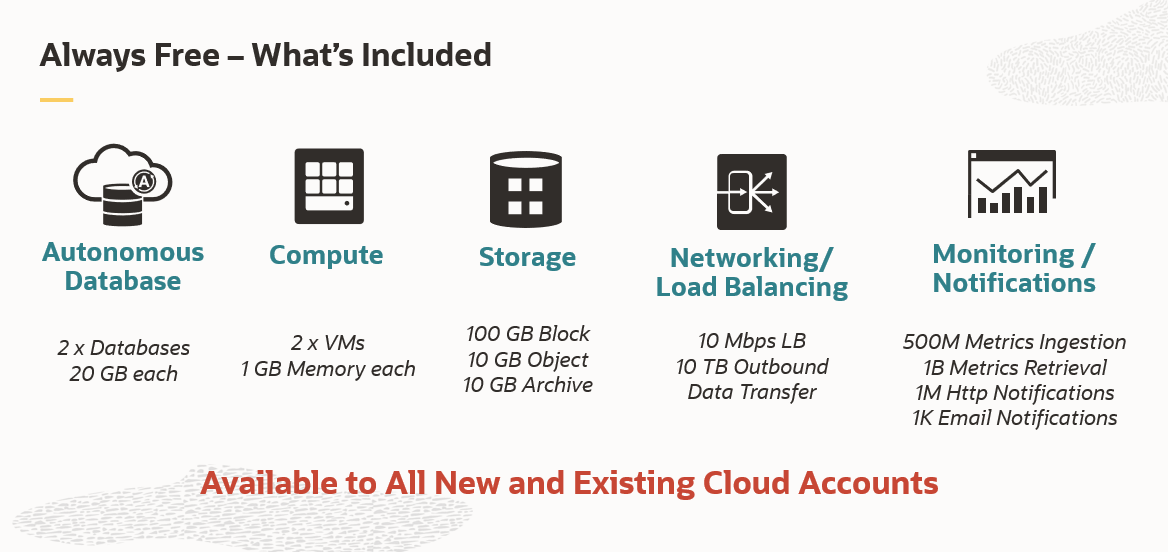 |
