
Azure Data Catalog vs. CatalogExpress
| Product | Rating | Most Used By | Product Summary | Starting Price |
|---|---|---|---|---|
 Azure Data Catalog | Score8.7 out of 10 | N/A | Microsoft's Azure Data Catalog is an enterprise-wide metadata catalog designed to make data asset discovery straightforward, a fully-managed service that lets analysts. data scientists, and developers to register, enrich, discover, understand, and consume data sources. | N/A |
 CatalogExpress | N/A | N/A | nexoma's software solution "CatalogExpress" is a versatile SaaS tool for data syndication. It consolidates product data from one or multiple sources and file formats (CSV, XML, JSON, XLSX, etc.) and prepares these datasets for customer-specific target formats. The desired exchange formats (e.g., XLSX, BMEcat, xChange, FAB DIS) including classifications such as ETIM or ECLASS, are then exported with optimized product data and distributed manually or on a schedule to customers,… | N/A |
| Azure Data Catalog | CatalogExpress | |||||||||||||||
|---|---|---|---|---|---|---|---|---|---|---|---|---|---|---|---|---|
| Editions & Modules | No answers on this topic | No answers on this topic | ||||||||||||||
| Offerings |
| |||||||||||||||
| Entry-level Setup Fee | No setup fee | Required | ||||||||||||||
| Additional Details | — | — | ||||||||||||||
| More Pricing Information | ||||||||||||||||
| Azure Data Catalog | CatalogExpress | |
|---|---|---|
| Considered Both Products | No answer on this topic | No answer on this topic |
| Key User Insights | ||
| Would buy again | ||
100% Would buy again 9 Answers | No answers on this topic | |
| Delivers good value for the price | ||
100% Delivers good value for the price 9 Answers | No answers on this topic | |
| Happy with the feature set | ||
100% Happy with the feature set 9 Answers | No answers on this topic | |
| Lived up to sales and marketing promises | ||
100% Lived up to sales and marketing promises 6 Answers | No answers on this topic | |
| Implementation went as expected | ||
100% Implementation went as expected 7 Answers | No answers on this topic | |
| Azure Data Catalog | CatalogExpress | |
|---|---|---|
| Likelihood to Recommend | 8.8 | - |
| Azure Data Catalog | CatalogExpress | |
|---|---|---|
| Likelihood to Recommend |
| No answers on this topic |
| Pros |
| No answers on this topic |
| Cons |
| No answers on this topic |
| Alternatives Considered |
| No answers on this topic |
| Return on Investment |
| No answers on this topic |
| ScreenShots | CatalogExpress Screenshots 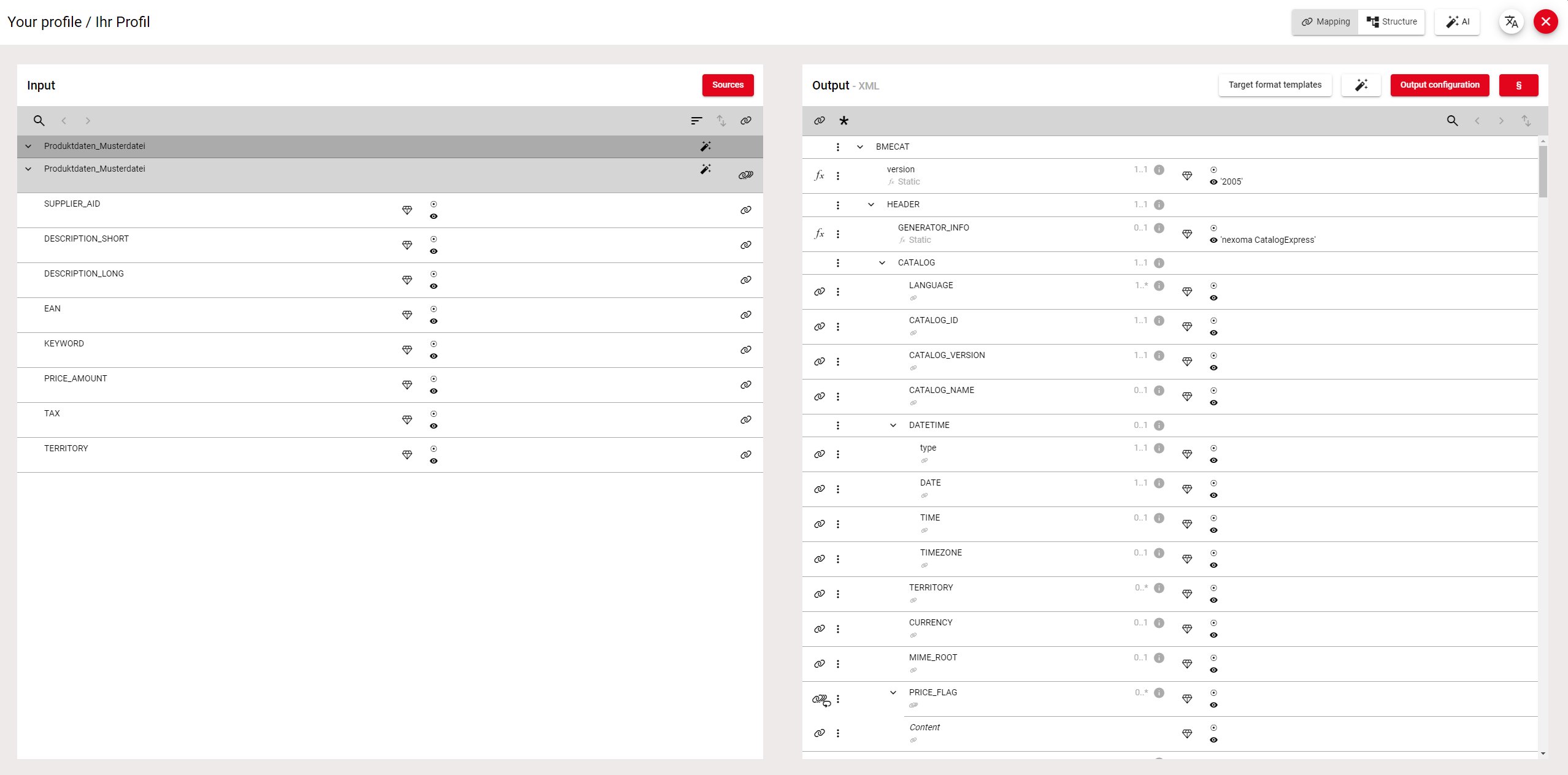 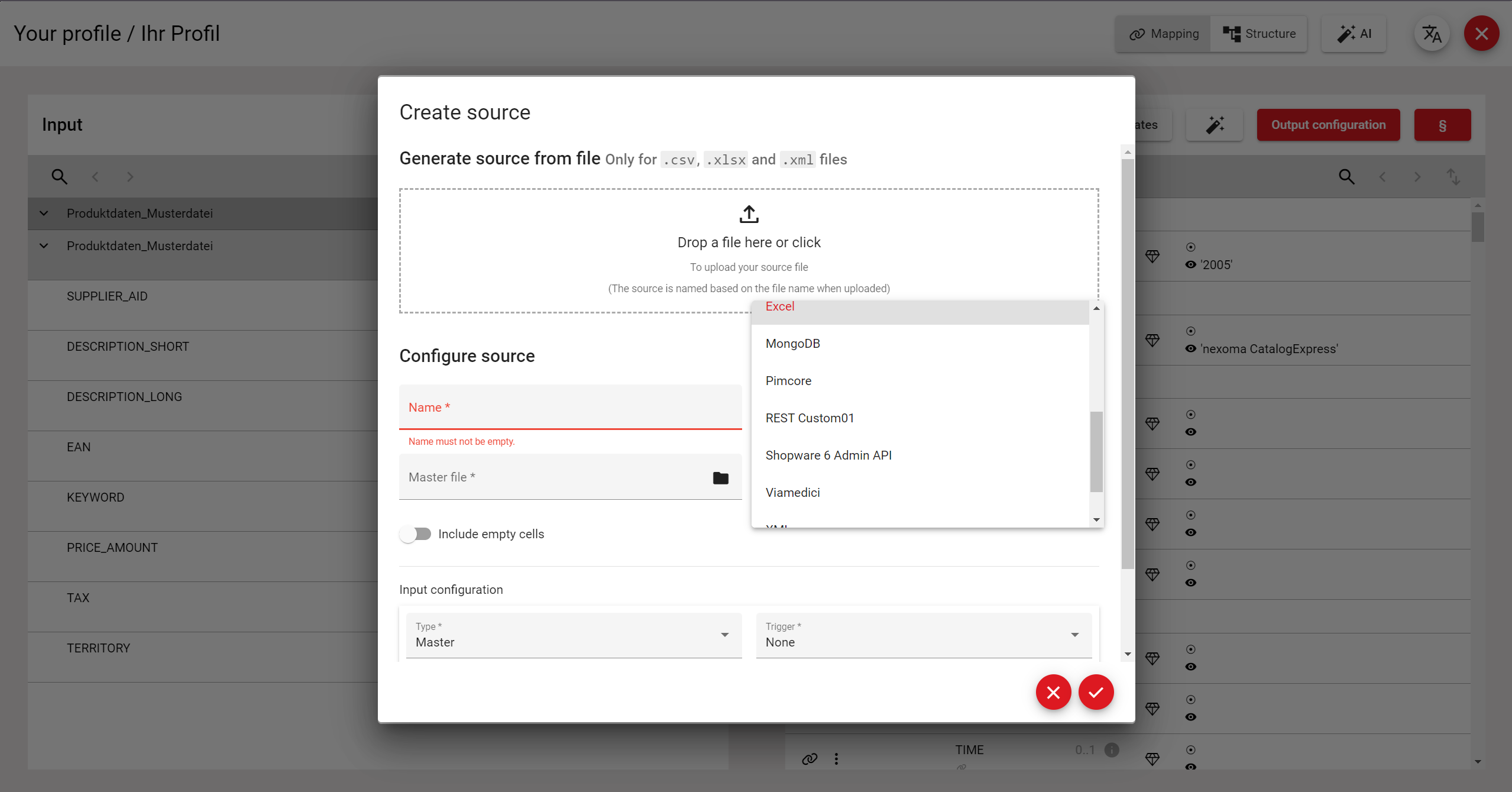 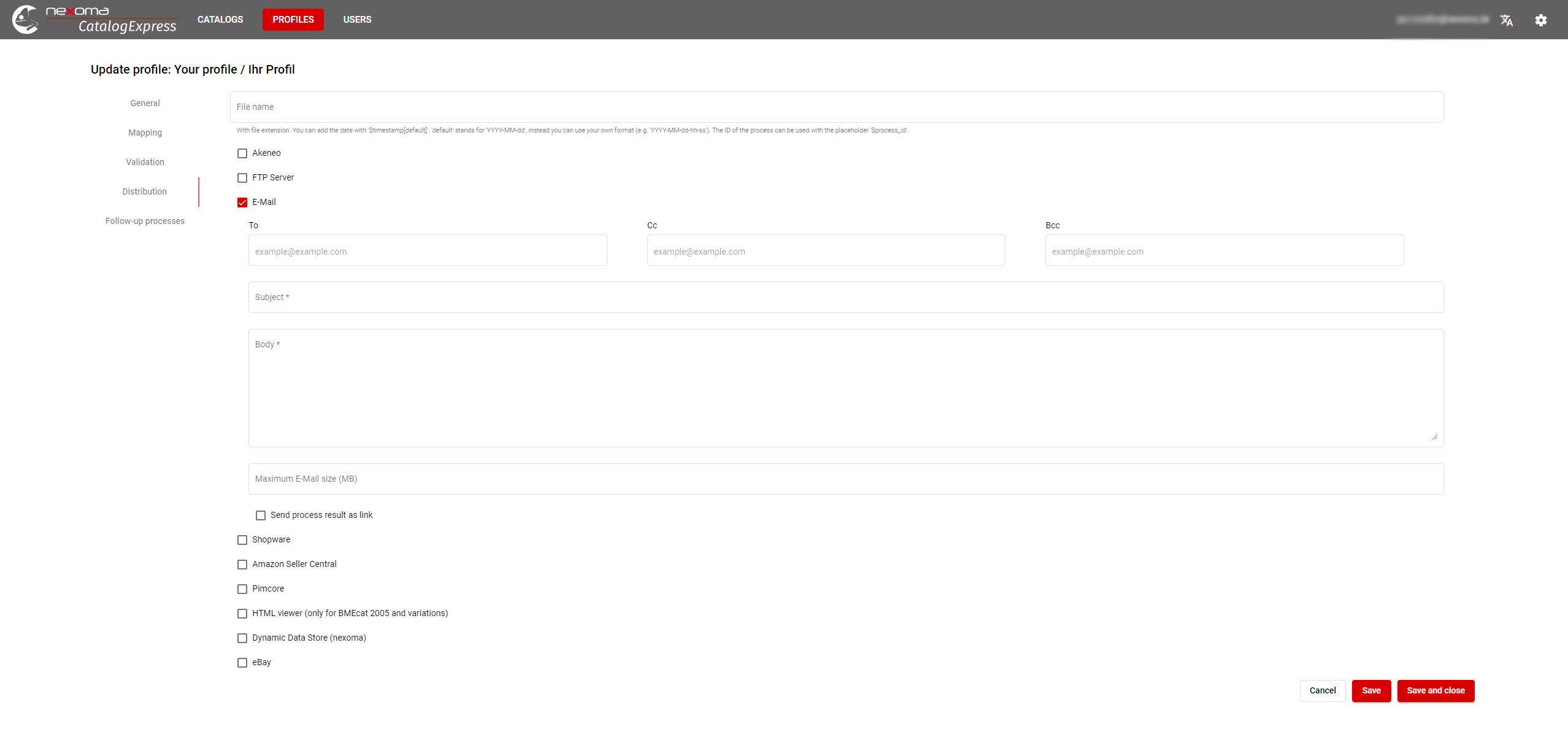 |


