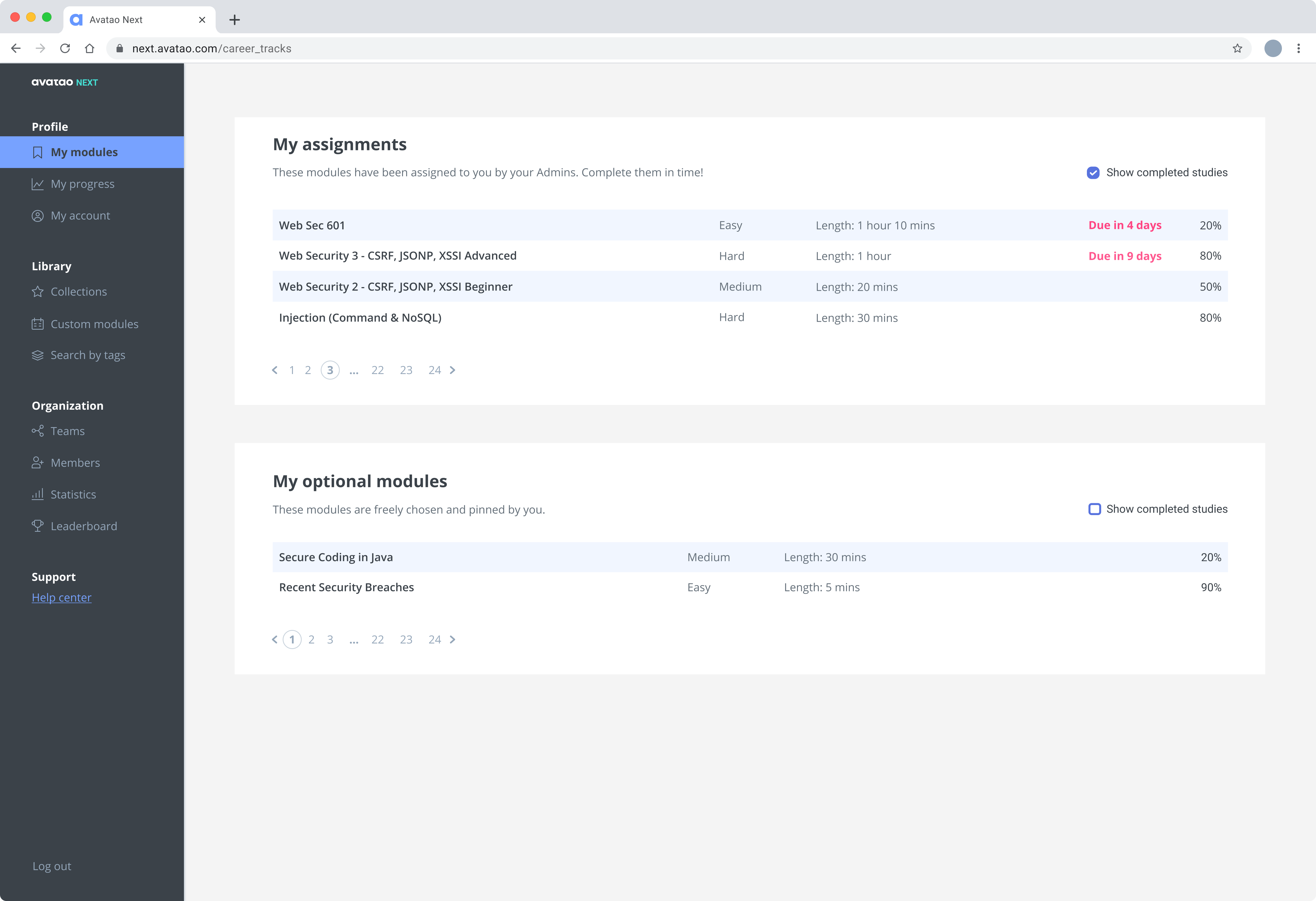
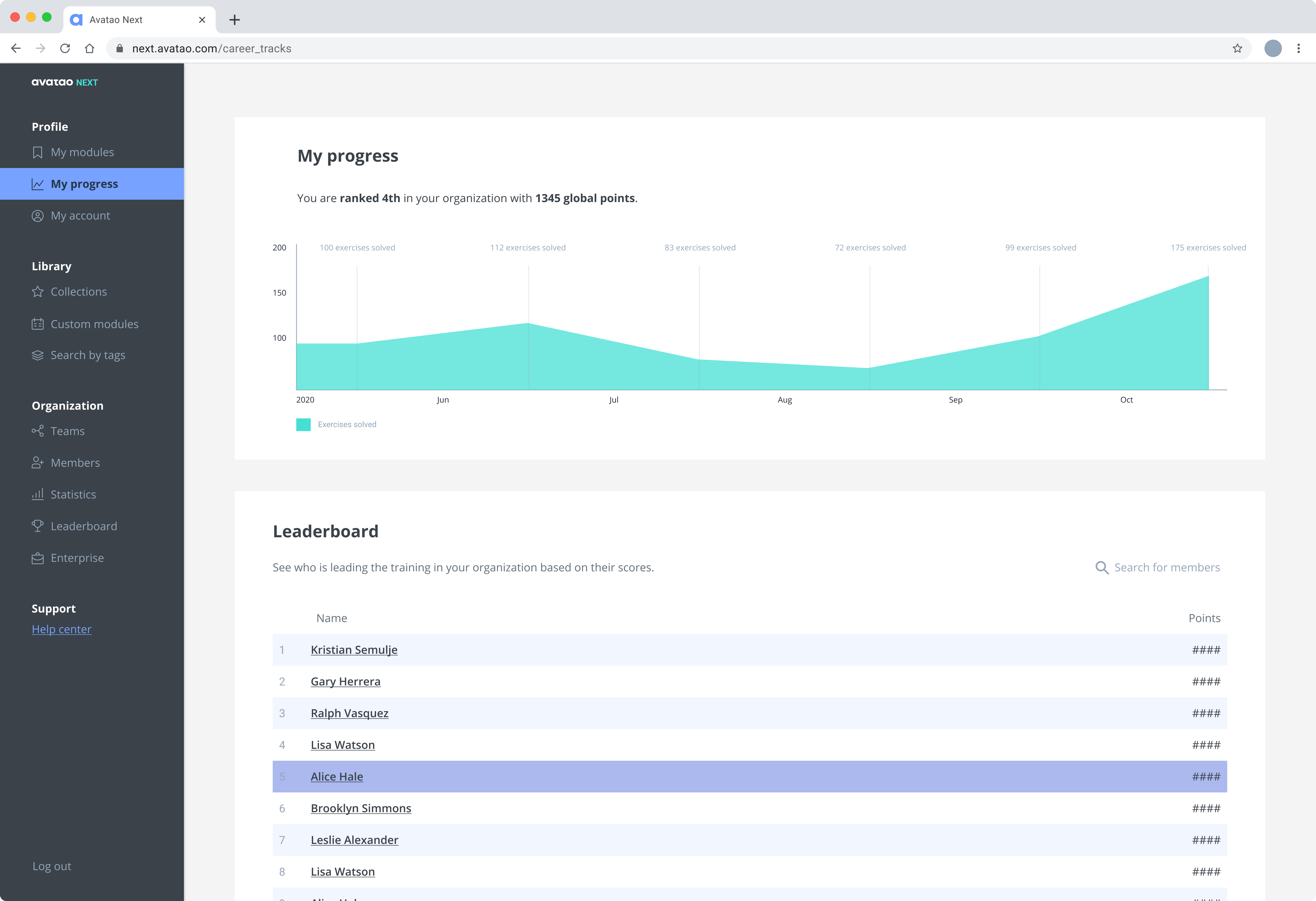
Avatao’s security training goes beyond simple tutorials and videos offering an interactive job-relevant learning experience to developer teams, security champions, pentesters, security analysts and DevOps teams. Avatao's approach to secure coding training The Avatao platform immerses developers in high-profile cases and provides them with real, in-depth experience with challenging security breaches. Engineers learn to hack and patch the bugs themselves. The vendor…
N/A
Carbon Black App Control
Score 8.4 out of 10
N/A
Carbon Black App Control is an application control product, used to lock down servers and critical systems, prevent unwanted changes and ensure continuous compliance with regulatory mandates.
Avatao is an excellent tool for learning about secure coding and IT security in general. It can help you gain a lot of useful knowledge without feeling like it's a chore. The tutorials and challenges cover a lot of topics, at various difficulty levels. The UI looks nice and it's also user-friendly.
It is more suited to lock down critical systems and servers to prevent unwanted changes, although you can use it on daily basis on laptops and desktops, it needs constant attention and events analysis. For some scenarios i.e. financial institutions it is a must-have solution, as App Control now is a requirement 5 of PCI DSS.
Device Control - you can view and allow/disallow the ability for certain devices to be used in your environment. Specifically we used this with USB drives. If you have one you want to use - whitelist the serial number. The rest can't be used. Simple and easy.
Software blocking. If you have an extremely dynamic software base (I doubt this is likely) this could get a bit annoying, but for most organizations like ours where we have specific applications that are required, and then the rest are a bit of an afterthought, it's easy to whitelist the correct applications that you want to be able to run in your environment. The rest can't run (in high enforcement). Users are able to easily request new applications, and you can set certain groups to be able to approve it on their own.
Solid platform - with few exceptions setting up new software was very easy (Dragon Medical was a bit tricky, but worked through it with support). Once you have your rules set up and the initial setup done, you tend not to have to do much of anything except to update on occasion and deal with a few requests for applications to be unblocked, or publishes approved.
[I feel] it needs to be more functional while integrating with other platforms. Not the biggest drawback but there is a need to add more languages to it like PHP, Go, and Scala which is also very much developed and used in the organization.
[I believe] the support team needs to be more active and responsive while dealing with the customers.
Avatao is playing a great role in providing fantastic services. The great feature that I like the most in Avatao that it does not support only one programming language, it ranges its security protocols from various programming languages like Python, java, C#, and C++. Avatao bot is also very helpful in simple operation as when you get stuck somewhere the bot can actually help and make you out of that easily.
The big difference between Protect and Barkly/AMP is how exactly it goes about what it's doing. Protect is application whitelisting and program reputation. So the way it's protecting you is using a proprietary reputation service, and hash values to identify applications, and then hitting a list of whitelisted programs to decide if you are able to run that or not, based on the policy you are in. There is a LOT of value in that. We actually are working on transitioning to Cisco Advanced Malware Protection (AMP). The main reason is cost (about the same cost as Cb Protect, but with (most of) the featureset of all 3 Carbon Black products for less than 1/3 of the total spend. AMP works differently, looking at a reputation service powered by Cisco's Talos cloud. You don't really have application whitelisting, but that also reduces how many "requests" you get for applications. So I'll have to find a different way to do whitelisting and USB blocking and the like, but I'm getting more visibility across my network and also built in antivirus (TETRA engine - ClamAV with some work). Barkly is an add that we are looking to put in as it looks at behavior of programs. So specifically it watches for privilege elevation and the like. Thus far all the big name problem children (WannaCry, other ransomware problems) have been caught natively in Barkly day 0.