Atlassian Bamboo vs. DataKitchen DataOps Platform

Overview
ProductRatingMost Used ByProduct SummaryStarting Price
Atlassian Bamboo
Score 6.7 out of 10
N/A
Australian company Atlassian offers Bamboo, a continuous integration server.
$1,200
DataKitchen DataOps Platform
Score 0.0 out of 10
N/A
The DataKitchen DataOps Platform aims to automate key functions of data development & production workflows so data teams can collaborate, quickly innovate & deliver error-free, on-demand insight. Tool-Agnostic DataOps Platform supports an array of native tooling integrations & flexible methods for integrating new tools as they come available. Meta-Orchestration Meta-orchestrates all the steps in production & development…N/A
Pricing
Atlassian BambooDataKitchen DataOps Platform
Editions & Modules
1 Remote Agent
$1200
5 Remote Agents
$3200
10 Remote Agents
$5840
25 Remote Agents
$11,600
100 Remote Agents
$23,280
250 Remote Agents
$58,160
500 Remote Agents
$87,280
1000 Remote Agents
$133,840
2000 Remote Agents
$187,380
No answers on this topic
Offerings
Pricing Offerings
Atlassian BambooDataKitchen DataOps Platform
Free Trial
NoNo
Free/Freemium Version
NoNo
Premium Consulting/Integration Services
NoNo
Entry-level Setup FeeNo setup feeNo setup fee
Additional Details
More Pricing Information
Community Pulse
Atlassian BambooDataKitchen DataOps Platform
Best Alternatives
Atlassian BambooDataKitchen DataOps Platform
Small Businesses
GitLab
GitLab
Score 8.7 out of 10
GitLab
GitLab
Score 8.7 out of 10
Medium-sized Companies
GitLab
GitLab
Score 8.7 out of 10
GitLab
GitLab
Score 8.7 out of 10
Enterprises
GitLab
GitLab
Score 8.7 out of 10
GitLab
GitLab
Score 8.7 out of 10
All AlternativesView all alternativesView all alternatives
User Ratings
Atlassian BambooDataKitchen DataOps Platform
Likelihood to Recommend
6.4
(0 ratings)
-
(0 ratings)
Usability
9.3
(0 ratings)
-
(0 ratings)
Support Rating
7.3
(0 ratings)
-
(0 ratings)
User Testimonials
Atlassian BambooDataKitchen DataOps Platform
Likelihood to Recommend
Large companies will find it particularly useful, but smaller companies and independent developers will not be able to afford the cost, and will not see many advantages compared to using an open source solution. However, having some software to handle continuous integration build servers as well as deployments, and doing this consistently between products, is absolutely essential.
Read full review
No answers on this topic
Pros
  • Continuous Deployment - you can use Bamboo to automatically build and deploy whenever there are changes in the source code.
  • Continuous Integration - by integrating the automated tests and the integration tests before deploying you make sure you know immediately if the latest code fits into the whole scheme of apps.
  • Integration with Jira and Bitbucket.
  • Flexibility with the program language used for builds: Maven, Ant, PowerShell, any command line tools.
Read full review
No answers on this topic
Cons
  • Extremely hard barrier to entry for non-backend developers
  • Blackbox makes it hard to customize functionality
  • The inability to add features without breaking core functionality
  • No cloud solution
  • Tasks cannot be put in if/else statements
  • No clear right way to form build plans
Read full review
No answers on this topic
Usability
Bamboo offers solid usability for teams looking for an integrated, scalable CI/CD solution, especially those using Atlassian tools. Its interface is intuitive for existing Atlassian users, and its focus on deployment automation makes it a strong option for continuous delivery. However, its complexity and cost may pose challenges for small teams or those new to CI/CD. Overall, Bamboo’s usability shines in environments where ease of integration and streamlined workflows are prioritized. Still, it may require more effort for teams unfamiliar with its setup or without dedicated resources.
Read full review
No answers on this topic
Support Rating
Support for Bamboo has started lack a little over the years. Atlassian has been moving more towards Bitbucket Pipelines and away from the on-premise install of Bamboo. While the tool is still great, it may take a little bit of time to get a question answered by official support.
Read full review
No answers on this topic
Alternatives Considered
We chose Bamboo over Jenkins for 2 reasons - one, for its tight integration amongst all the products in the tool suite. We find explicit value in the traceability from JIRA issues all the way down to the Bamboo build that was triggered by the check in of those issues. The second reason was for support - we didn't want the burden of figuring out how to support Jenkins in our production environment, as can be the case with so many open source products.
Read full review
No answers on this topic
Return on Investment
  • Bamboo was neither very positive or negative. Most of our spend was in man hours on research and development
  • We felt it was worth it for larger projects
  • Smaller projects had too much setup and run and caused a negative ROI
Read full review
No answers on this topic
ScreenShots

DataKitchen DataOps Platform Screenshots
Screenshot of Meta-Orchestration
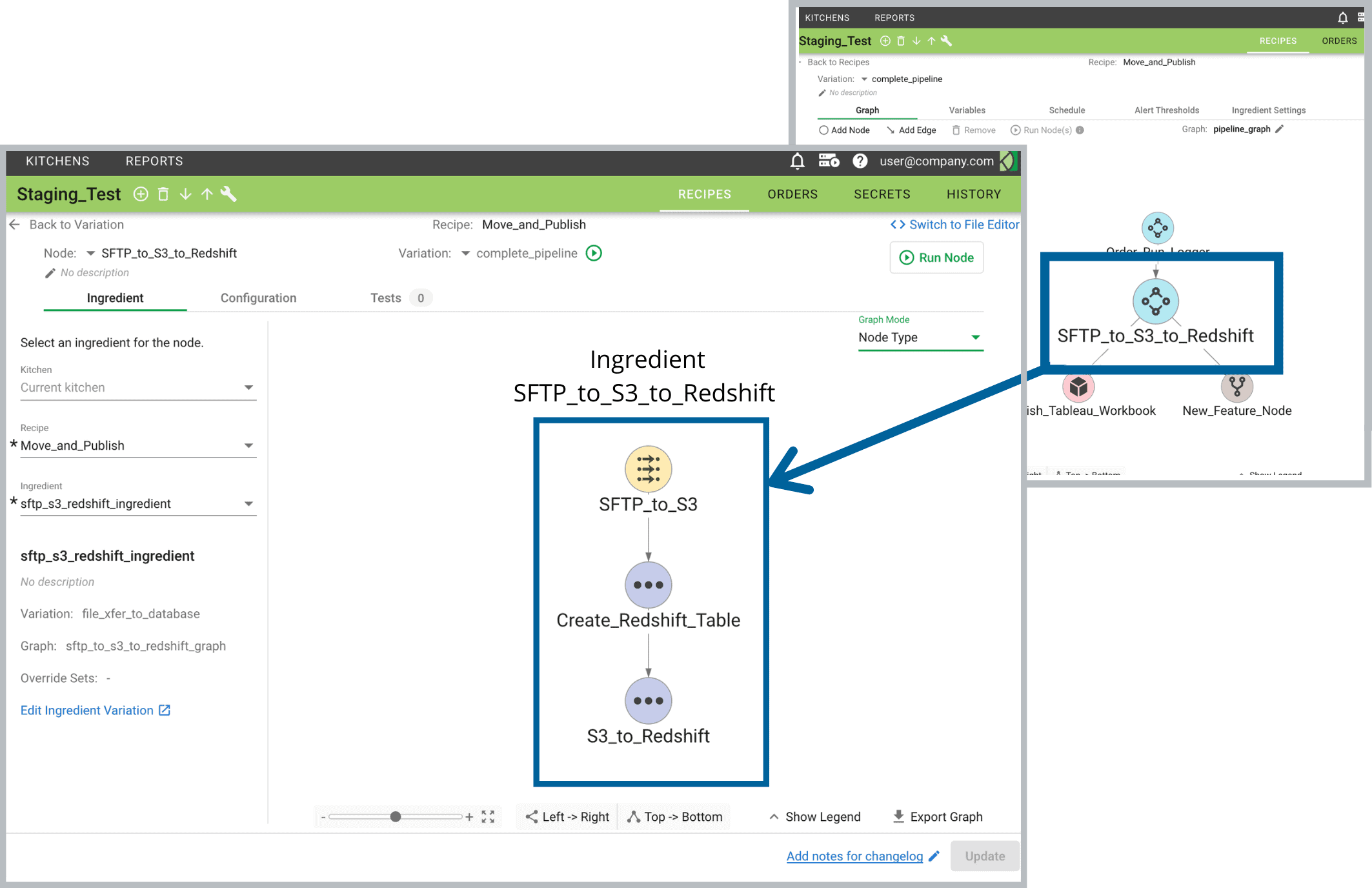
Data organizations may be hierarchical and siloed, but analytics production cuts across teams, locations, and environments. The DataKitchen Platform meta-orchestrates all the steps in your production and development pipelines (and even pipelines of pipelines), providing a coherent framework for inter-team collaboration that transcends heterogeneous toolchains and distributed data centers.Screenshot of Environment Creation & Management
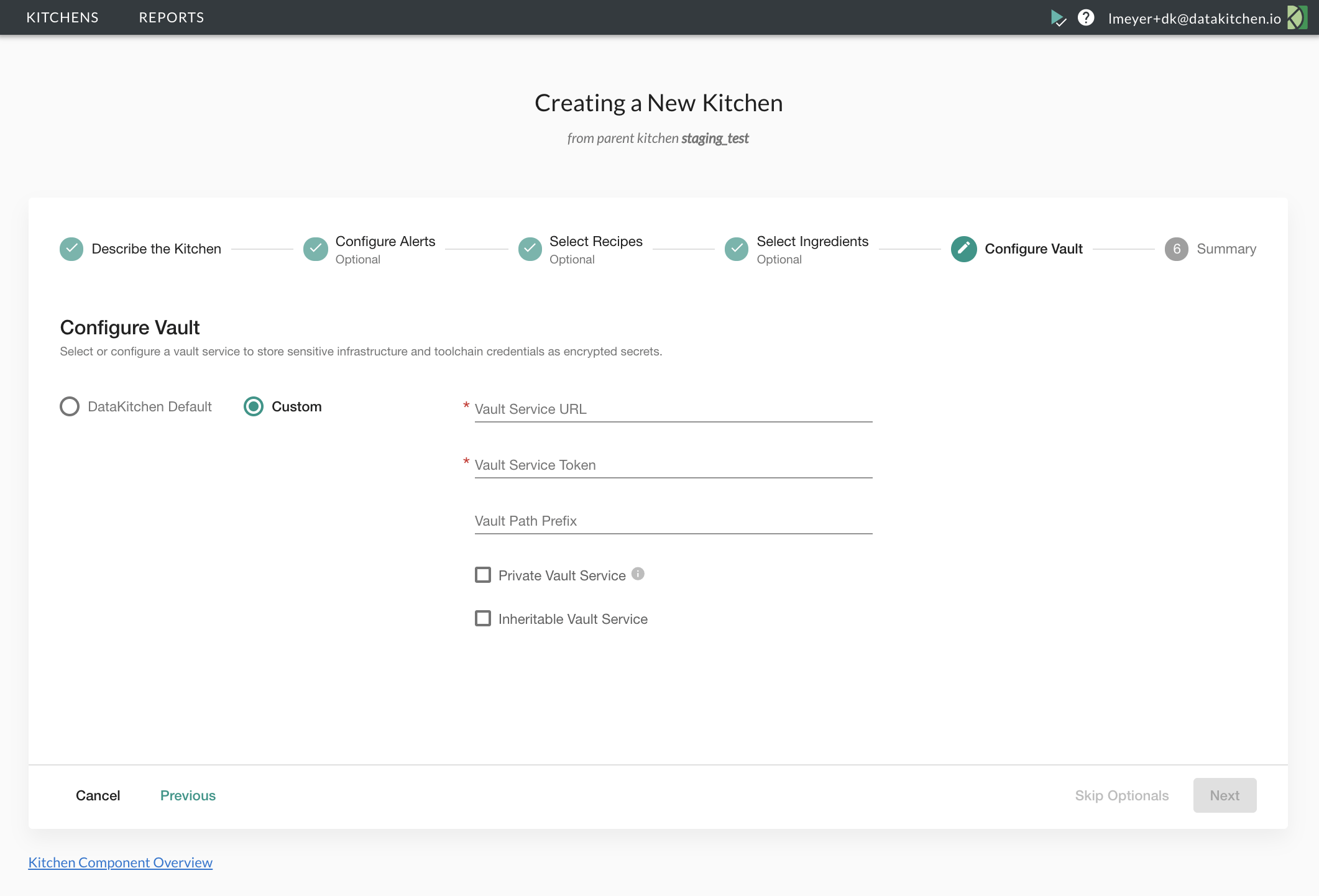
With the DataKitchen Platform, create Kitchen workspaces in minutes – not weeks or months – to provide developers with a controlled and secure space to work. Kitchens contain pre-configured tools, datasets, hardware, and tests – everything users need to create and innovate.  When new analytics are ready, Kitchens streamline an individual’s work into a team’s work and eventually into production by seamlessly merging to aligned environments.Screenshot of Continuous Deployment
Analytics can’t be agile with manual, error-prone, and time-consuming release processes. The DataKitchen Platform automates the end-to-end deployment process allowing analytics teams to test and release new analytics on-demand. Kitchens align and integrate toolchain environments so continuous deployment orchestrations can easily migrate analytics to production.Screenshot of Automated Testing & Monitoring
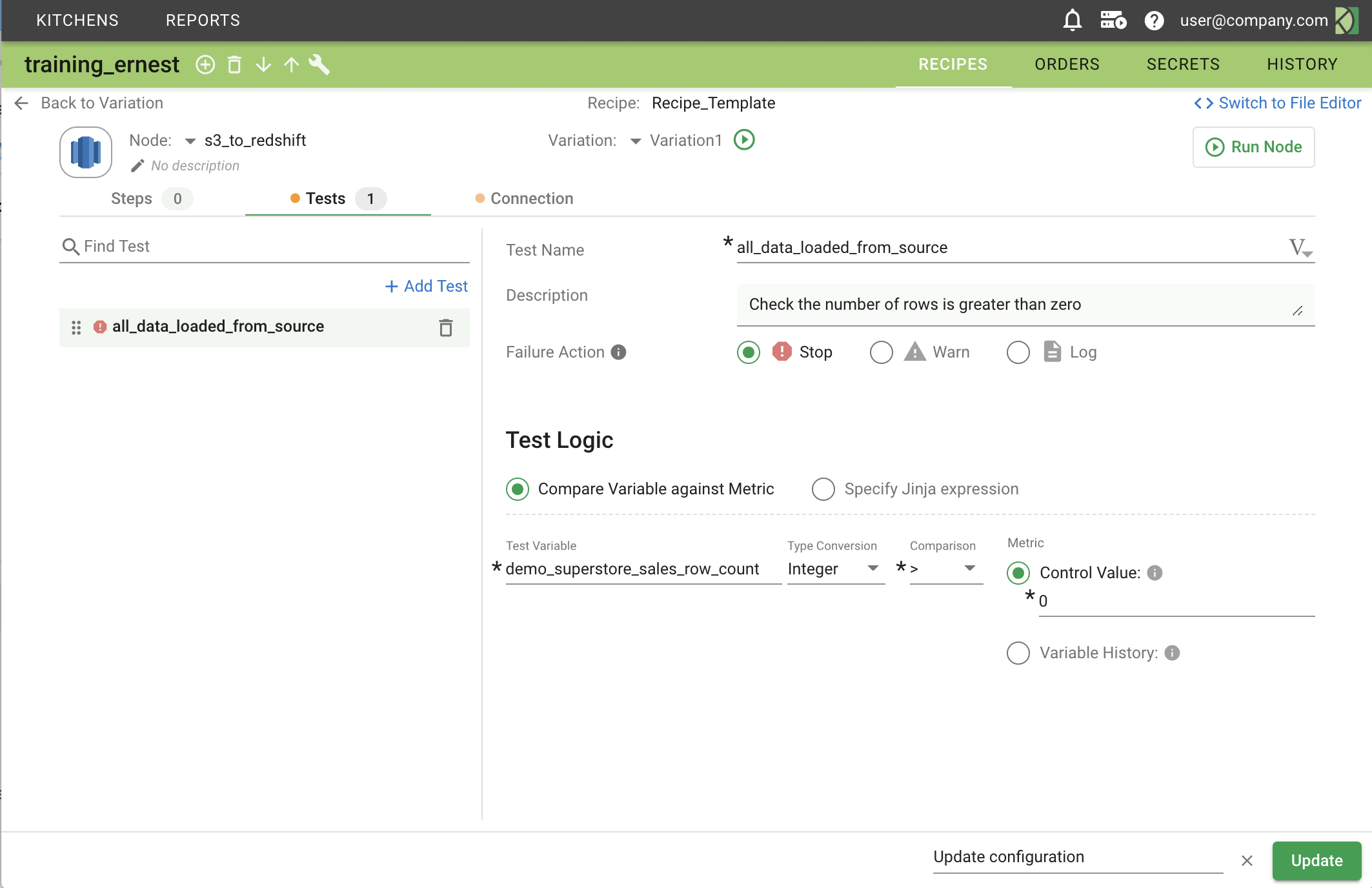
Automated testing and monitoring are foundational to DataOps. The Platform enables you to dramatically improve data quality by catching costly and embarrassing data errors early.  Embed automated tests at every step in your production and development pipelines. Use failures as an opportunity to add more tests and increase the reliability of your pipelines over time. Preset alerts to increase agility and reduce data downtime.Screenshot of Collaboration & Sharing
DataOps is a team effort, and the DataKitchen Platform fosters collaboration by providing a common place to work and a single view of the end-to-end analytic process.  Team members innovate and experiment in separate but aligned Kitchens, then integrate the collective work with confidence.  Teams can easily save and share commonly used parts of pipelines as Ingredients – a significant productivity multiplier.Screenshot of DataOps Process Analytics
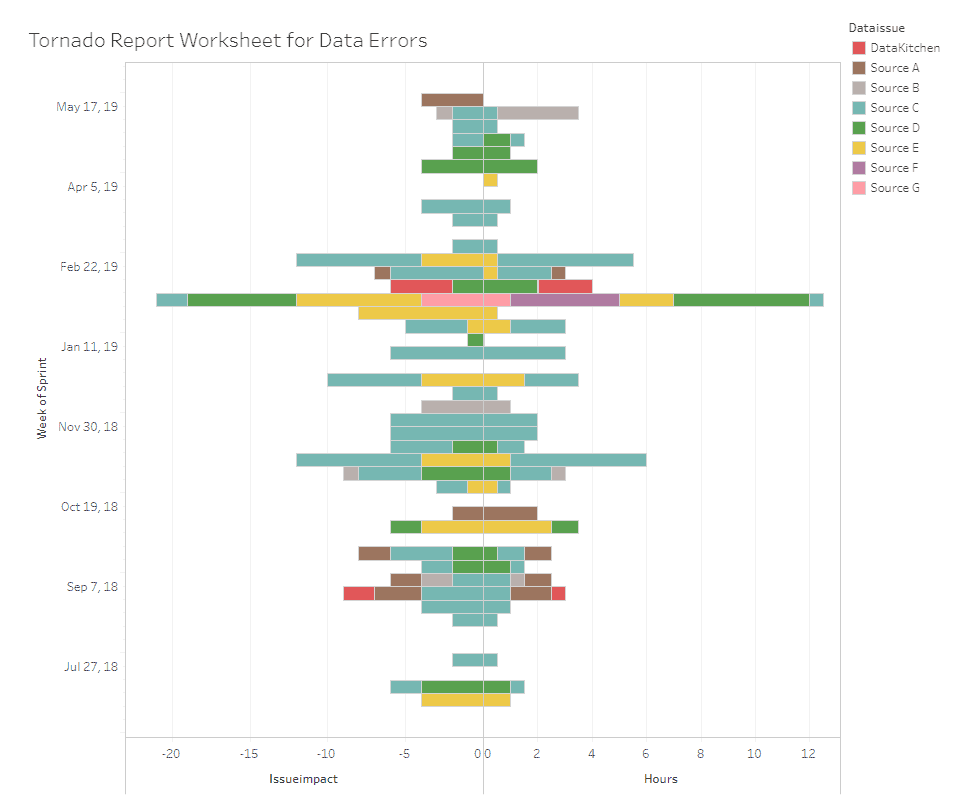
You can’t improve what you don’t measure. The DataKitchen Platform provides unprecedented visibility into the state of your data operations.  Process metrics show how your teams are increasing collaboration, improving productivity, expanding test coverage, reducing errors, speeding deployment cycle times, and consistently meeting deadlines.